 by
by Across history and around the world, the “ideal body” is a moving target. One decade celebrates curves, the next worships slimness. What was desirable in the 1920s, 1960s, or 1990s often looks very different from what trends in the 2020s.
But here’s the critical insight:
If your worth is tied to whatever body ideal is trending, you’ll always feel inadequate.
This article explores why ideal bodies shift over time and why chasing them is both unnecessary and harmful — especially for personal well-being and body inclusivity.
The Ever-Changing Definition of Beauty
Beauty Is Not Static — It’s Cultural
The idea of an “ideal body” is not a scientific truth; it’s a cultural construct. That means:
- It shifts based on social norms
- It’s influenced by media and technology
- It reflects collective values more than human biology
Beauty standards aren’t universal — they are created and reinforced by society.
How Ideal Bodies Have Changed Over Time
Here’s a snapshot of how body ideals have shifted over the last century:
1920s — The Flapper Era
The ideal body was:
- Boyish and flat-chested
- Little emphasis on curves
- A youthful, almost androgynous silhouette
This echoed cultural shifts around women’s liberation and new social freedoms.
1950s — Hollywood Curves
Then came:
- Hourglass figures
- Defined waistlines
- Emphasis on feminine curves
Stars like Marilyn Monroe epitomized this ideal.
1970s — Lean and Natural
The counterculture movement celebrated:
- Lean, athletic bodies
- Less makeup, more “natural”
- A rejection of exaggerated femininity
1990s — The Supermodel Era
The ideal shifted yet again:
- Tall and ultra-thin
- Minimal body fat
- Models like Kate Moss symbolized this trend
2000s to Today
Things became more complex:
- Fitness culture prioritizes tone and definition
- Social media amplifies multiple, sometimes conflicting ideals
- But mainstream “perfection” often still leans toward slimness or extreme fitness
Point: If beauty were an absolute truth, it wouldn’t keep changing like this.
Why Do Body Ideals Change? 8 Key Factors
Understanding why ideals change can help us see them for what they are: social inventions, not personal goals you must achieve.
1. Media and Visual Technology
The rise of photography, TV, then social media has shaped what millions see as attractive. If something is repeated visually enough, people internalize it as “normal” or “ideal.”
2. Fashion Industry Influence
Fashion designers and brands often dictate what silhouettes are showcased — which bodies wear what clothes — and that becomes a silent message about desirability.
3. Celebrity Culture
Celebrities become cultural symbols. Their bodies are photographed, praised, and emulated — often setting trends.
4. Economic Conditions
Strangely, body ideals sometimes reflect economic contexts:
- In times of plenty, curves might signify abundance.
- In times of scarcity, lean bodies may appear aspirational.
5. Health and Fitness Movements
Wellness trends (like aerobics in the 80s or CrossFit in the 2010s) influence what people value physically.
6. Globalization
As cultures interact, body ideals blend — creating new “global trends” that still don’t represent every body.
7. Social Media Algorithms
What gets shown and amplified isn’t random — algorithms push images that get engagement. Often, those are idealized body types.
8. Marketing and Consumerism
Beauty standards sell products — diets, cosmetics, clothing. Constantly shifting ideals help sustain consumer demand.
So Why Shouldn’t You Chase Them?
1. They Are Not a Stable Target
If beauty standards change every 10 years — or even faster — then chasing them is like running on a treadmill that keeps speeding up.
You never “arrive” — because the goal keeps moving.
That makes it an endless and exhausting pursuit.
2. They Are Not Designed for You
Most body ideals:
- Aren’t based on health
- Aren’t inclusive of different body types
- Don’t consider genetic diversity
- Often ignore cultural differences
Trying to fit them means trying to fit into someone else’s narrow standard — not your own life.
3. They Can Harm Your Mental Health
Research consistently shows negative outcomes associated with body dissatisfaction:
- Lower self-esteem
- Anxiety and depression
- Eating disorders
- Social withdrawal
Fixating on an ever-shifting body ideal risks your emotional well-being.
4. They Don’t Reflect Real Diversity
Look around you — people come in:
- Different heights
- Different builds
- Different ages
- Different racial and ethnic traits
Yet media often showcases a narrow slice of this diversity. Chasing a standard that excludes most of humanity is unreasonable and unfair.
5. They Don’t Guarantee Happiness
Suppose you chase a certain body type and technically achieve it.
What then?
Studies show that even people who reach their “ideal” often still feel unhappy or insecure — because the root causes of self-worth aren’t addressed by physical change.
The Real Costs of Chasing Body Ideals
Physical Costs
- Extreme dieting
- Over-exercising
- Harmful supplements
- Injury from unsustainable routines
These costs far outweigh any temporary aesthetic change.
Emotional Costs
Constant self-criticism and comparison lead to:
- Feeling “not good enough”
- Lower quality of life
- Emotional exhaustion from self-monitoring
Social Costs
Chasing social approval through appearance can:
- Reduce authentic connection
- Create performance-based relationships
- Isolate you from supportive communities
Changing the Narrative: What Matters More Than Ideal Bodies
1. Health With No Shape Rules
Health isn’t one size fits all. A body that’s well-nourished, active in ways that feel good, and cared for — regardless of size — is far more meaningful than chasing trends.
2. Strength Over Size
Instead of focusing on “ideal looks,” consider:
- Functional strength
- Energy levels
- Movement you enjoy
Fitness becomes a resource for life, not a punishment or appearance project.
3. Self-Worth Comes From Within
Your value doesn’t come from:
- A number on a scale
- A clothing size
- A body comparison
It comes from:
- Character
- Contribution
- Relationships
- Creative expression
- Personal values
These don’t change with a trend.
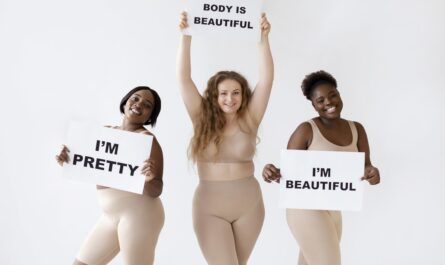
4. Diversity Is Beautiful — Not Flawed
Real inclusivity means celebrating:
- All genders
- All sizes
- All ages
- Every cultural aesthetic
- Every ability
Beauty is not homogenous. So limiting yourself to one ideal denies the richness of human form.
How to Stop Chasing Body Ideals and Build Body Acceptance
Here are practical steps you can start today:
1. Notice the Source
Ask:
- Is this ideal coming from genuine inspiration or imposed comparison?
- Does it make me feel uplifted or depleted?
When you become aware of influences, you regain control.
2. Diversify Your Feed
Unfollow accounts that make you feel bad about your body. Follow:
- Body positivity advocates
- People with diverse body types
- Creators who share authentic experiences
This gives your mind a healthier visual diet.
3. Practice Self-Compassion
Speak to yourself with kindness, like you would to a friend.
Replace:
“I need to look like that to be worthy.”
With:
“My body is valuable just as it is.”
Small mindset shifts matter.
4. Move for How You Feel
Exercise because it:
- Brings joy
- Reduces stress
- Improves function
Not to erase parts of your body — but to empower it.
5. Reject Rigid Rules
There are no universal rules that define the “perfect” body.
No diet is magic.
No workout is universal.
No size determines worth.
Rules that claim otherwise are marketing — not truth.
6. Celebrate Progress — Not Perfection
Progress can be:
- Learning self-care
- Eating intuitively
- Building community
- Eating meals without guilt
These are victories that matter.
A Note on Health and Inclusivity
There’s an important distinction to make:
- Prioritizing health and well-being is positive and valid.
- Prioritizing appearance based on social ideals is external, unstable, and conditional.
Health should be about quality of life — not how close you are to a cultural yardstick.
Redefining Success in a World That Obsessively Measures Bodies
If you redefine success as:
- Emotional resilience
- Stability
- Meaningful connections
- Personal growth
- Inner peace
Then chasing body ideals becomes unnecessary.
Instead of asking:
“How do I look?”
Ask:
“How do I want to feel and live?”
This is a deeper, richer question.
Voices from Real Life: What People Discovered
Across conversations, people who’ve let go of chasing ideals often say:
“I wish I’d focused less on perfection and more on presence.”
“My body stopped being the enemy when I stopped seeing it through others’ eyes.”
“My confidence didn’t come from a number — it came from acceptance.”
These reflections show a shift from external validation to internal grounding.
Beauty Isn’t an Ideal — It’s an Experience
Real beauty isn’t a size, shape, or proportion.
Beauty is:
- Laughter lines from joy
- Muscles that strengthen you daily
- Scars that tell stories
- Skin that carries life
- Movement that feels good
- Presence that invites connection
This isn’t temporary or trendy — it’s human.
Final Thoughts: The Greatest Freedom Is Self-Acceptance
Body ideals will continue to shift — that’s inevitable. Fashion will change. Media trends will evolve. New definitions of attractiveness will emerge.
But your worth?
That doesn’t have to change with them.
Once you understand that:
- Beauty standards are culturally constructed
- They aren’t built for holistic well-being
- They don’t determine your value
You free yourself from an endless race.
You can choose:
- Health over perfection
- Function over form
- Authenticity over imitation
And that’s a definition of beauty worth living.