 by
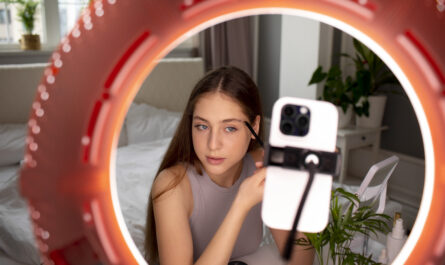
by In the digital era, our relationship with our own appearance has evolved dramatically. Once, photos were rare keepsakes or professional portraits. Today, nearly every smartphone user engages with their image daily — from selfies to livestreams, TikTok clips to Instagram Reels. But behind this surge in digital self-representation lies a powerful new force reshaping how we see ourselves: AI beauty filters.
These intelligent filters use advanced algorithms to dramatically alter facial features, smooth skin, change body shapes, and enhance perceived attractiveness. While they can be fun and creative, their widespread use has far-reaching implications — particularly for body confidence, self-image, and inclusivity. Let’s explore how AI beauty filters emerged, why they matter, and both their psychological and cultural impact on millions of users.
What Are AI Beauty Filters?
At their core, AI beauty filters are tools integrated into social media platforms and photo apps that use artificial intelligence to modify a person’s appearance in real time. These filters can:
- Slim the face or body
- Smooth skin and remove blemishes
- Brighten eyes or whiten teeth
- Change facial proportions and symmetry
- Apply makeup or hair changes
Unlike earlier fun filters — such as cartoon effects or animal ears — modern AI beauty filters can seamlessly make users appear fundamentally different while still looking natural. For example, TikTok’s “Bold Glamour” filter has been described as “dangerously realistic,” transforming faces in ways that previous filters could not without detection. (Forbes)
These changes are driven by complex machine learning models trained on massive datasets — often influenced by existing beauty norms.
Why AI Beauty Filters Have Become So Popular
Before diving into their impacts, it’s important to understand why these filters flourish:
1. Instant Visual Gratification
In an attention-driven social media landscape, a visually striking image can mean likes, comments, followers, and validation. Filters promise better visuals in seconds.
2. Democratization of ‘Professional’ Looks
People once depended on makeup, lighting, professional photography, and editing tools to look “good” in photos. AI filters automate this process effortlessly, making polished images accessible to anyone.
3. Social Norms of Sharing
Posting images is now deeply embedded in social behavior — from personal branding to documenting daily life. Filters become a tool to fit in, stand out, or maintain a curated online identity.
4. Algorithmic Reinforcement
Social platforms’ algorithms reward visually engaging content, which often includes enhanced or filtered images. This creates a feedback loop — filter use generates engagement, so algorithms promote more filtered content.
The Psychological Impact of AI Beauty Filters
Despite their appeal, a growing body of research shows profound psychological costs associated with habitual filter use — especially related to body confidence and self-esteem.
1. Exacerbating Body Dissatisfaction
When people compare their real appearance to a digitally enhanced one, it can create a psychological phenomenon known as social self-comparison. In one study, participants using slimming beauty filters reported higher levels of negative body perception, increased desire to lose weight, and stronger self-objectification than those using neutral filters. (PsyPost – Psychology News)
This means that using filters doesn’t just change a photo — it can make people more critical of their real selves.
2. Reinforcing Unrealistic Beauty Standards
AI beauty filters tend to reflect narrow aesthetic norms — often emphasizing smoother skin, slimmer features, brightened eyes, and symmetrical faces aligned with Western beauty ideals. These standards are neither universal nor biologically representative, yet filters normalize them, subtly teaching users to equate digital perfection with desirability. (Forbes)
Research shows that even awareness of digital manipulation doesn’t necessarily reduce its negative impact — users internalize these standards despite knowing the images are artificial. (PubMed)
3. Increasing Pressure to Conform
As these enhanced images proliferate, users — especially youth — feel greater pressure to look a certain way online. For many teens and young adults, filters are no longer tools for occasional use, but routine enhancements before posting any picture. According to recent surveys, an overwhelming majority of young women regularly use beauty filters before sharing images online, further embedding a culture of curated appearances. (Women’s Journal)
The constant comparison between “filtered” and “real” can foster anxiety, low self-esteem, and a distorted body image.
4. The Rise of ‘Filter Dysmorphia’
Mental health professionals have started identifying a new phenomenon: filter dysmorphia — where individuals seek cosmetic procedures to resemble their AI-altered images. Filters set a reference of “perfection” that real biology cannot achieve, prompting some users to pursue surgical changes to mimic these digital ideals. (The Week)
This trend blurs the line between playful enhancement and deeply rooted dissatisfaction with one’s own body — a worrisome evolution for body confidence.
AI Beauty Filters vs. Body Inclusivity
At first glance, AI beauty filters might seem harmless — maybe even empowering. But they raise important questions about inclusivity:
1. Homogenization of Beauty
Rather than celebrating diverse bodies and faces, many filters push toward a homogenized “ideal” — flawless skin, angular features, slim faces, and perfect proportions. These standards often prioritize specific racial, age, and gender norms. (Bernard Marr)
Such narrow ideals leave little room for real human diversity, which includes a wide range of body shapes, skin tones, and facial features.
2. Reinforcing Anti-Fat and Exclusionary Attitudes
Some viral filter trends — like AI tools that make faces look heavier or thinner — have sparked controversy for promoting fatphobia or body shaming. Critics argue that even joking use of such filters can reinforce toxic ideas that thinner equals better. (New York Post)
These trends highlight how filters can inadvertently legitimize harmful stereotypes about body size and value.
3. The Danger of Erasing Real Features
Work examining bias in AI systems suggests that digital beauty standards often exclude features not aligned with socially constructed norms. Research on AI models shows that generated images tend to favor lighter skin tones, youthfulness, and specific aesthetic traits — indicating a systemic bias in how beauty is encoded digitally. (arXiv)
This digital erasure of diverse physical characteristics undermines body inclusivity and reinforces marginalization of certain groups.
Positive Uses and Potential for Inclusivity
It’s important to acknowledge that technology itself isn’t inherently negative. Some aspects of AI beauty tools can be reframed to support body confidence and inclusivity:
1. Filters for Self-Expression (Not Perfection)
Filters can be playful and creative without aiming for physical perfection. For example, artistic or stylized effects encourage expression without implying that a better physical form is more desirable.
2. Platforms Promoting Transparency
Some social media companies are experimenting with “filter transparency” — features that clearly indicate when an image has been altered. This helps audiences understand what’s real and what isn’t, reducing unrealistic comparisons. (The Daily Tripura)
3. Campaigns Celebrating Real Bodies
Brands and influencers advocating for unfiltered beauty and diversity are challenging traditional beauty norms. Showcasing varied body types, skin conditions, and natural appearances can push back against homogenized digital aesthetics.
How AI Beauty Filters Impact Different Groups
Young People and Adolescents
Young users are among the most vulnerable because they’re still forming their identities. Regular filter exposure correlates with lower self-esteem and heightened body dissatisfaction among teens, especially girls. The pressure to look “perfect” online can be intense and damaging. (The Digital Whale)
Minority and Underrepresented Groups
Because many filter designs reflect dominant cultural norms (such as lighter skin or Eurocentric features), people from diverse backgrounds may feel their natural features are less valued. This can reinforce existing societal biases and alienate individuals who don’t align with these digital standards.
Adults and General Users
Even adults not immersed in youth culture feel the impact. Constant exposure to curated images can lead to social comparison, self-criticism, and anxiety. For some, filters facilitate creative self-expression; for others, they become a source of chronic dissatisfaction.
Strategies for Promoting Healthy Digital Self-Image
The rise of AI beauty filters does not have to be synonymous with low body confidence. Here are practical approaches for individuals, communities, and platforms:
1. Educate About Digital Manipulation
Understanding how filters work — and that they don’t represent reality — is a powerful first step. Media literacy programs can help people critically evaluate digital images.
2. Foster Real-World Connections
Encouraging people to spend more time offline and engage in authentic interactions helps reduce the emphasis on curated online appearances.
3. Use Filters Mindfully
Rather than posting filtered photos habitually, deliberate use with intention — focusing on creativity or storytelling — can shift the narrative from perfection to expression.
4. Support Inclusivity in Tech Development
Developers and platforms can design AI tools that celebrate diversity rather than reinforce narrow norms — for example, filters that enhance features without conforming to stereotypical ideals.
5. Normalize Imperfection
Campaigns and influencer voices that share unedited, real images help normalize diverse beauty, offering powerful counter-narratives to perfection-driven digital culture.
Looking Ahead: The Future of AI and Body Confidence
AI beauty filters are not going away. Technology will continue evolving, and new forms of digital self-representation — from avatars to virtual personas — will emerge. What matters most for body inclusivity is how we engage with these tools.
If AI enhances creativity and self-expression without harming well-being, it can be a positive part of our digital lives. But if we allow digital standards to define worth or beauty, the consequences — for mental health and self-perception — will deepen.
The challenge is not banning filters entirely — it’s fostering awareness, inclusivity, and resilience in how we reflect ourselves and others in a digital mirror.
Conclusion
AI beauty filters have ushered in a new era of digital self-representation — one that profoundly impacts body confidence and cultural perceptions of beauty. Their rise reflects both technological innovation and human desire for acceptance, admiration, and belonging. However, the psychological toll of constant comparison to idealized digital selves cannot be ignored.
Understanding these impacts — and actively promoting body inclusivity, digital literacy, and diverse representations — empowers us to navigate this digital landscape with confidence, authenticity, and self-compassion.