 by
by In a culture where “busy” is a badge of honor and hydration is a footnote on a long to-do list, it’s no surprise that many people struggle to drink enough water. Between back-to-back meetings, deadlines, caregiving, commuting, and the demands of daily life, proper hydration often gets put on the back burner — even though water plays a vital role in every system of the body.
This article explores practical, evidence-based, and inclusive ways to stay hydrated, no matter how packed your schedule is.
Why Hydration Matters More Than You Think
Water isn’t just a thirst quencher; it’s essential for life.
What Water Does for Your Body
Water is involved in:
- Temperature regulation: Helps cool your body through sweat
- Digestion: Assists in breaking down and absorbing nutrients
- Circulation: Keeps blood volume stable
- Detoxification: Flushes waste through urine and sweat
- Joint support: Acts as a lubricant
- Brain function: Impacts mood, concentration, and energy levels
Even mild dehydration can lead to:
- Headaches or fatigue
- Difficulty concentrating
- Irritability
- Dizziness
- Constipation
For busy people, dehydration can amplify stress, reduce productivity, and increase the risk of burnout.
Why Busy People Tend to Forget to Hydrate
Busy people aren’t lazy — they’re overwhelmed. And when time feels limited, hydration often falls through the cracks. Common barriers include:
1. No Time to Think About Water
When your day moves fast, reaching for a water bottle isn’t top of mind.
2. Confusion About How Much Water Is “Enough”
General guidelines like “eight glasses a day” don’t account for climate, body size, activity, health conditions, medications, or life stage.
3. The Myth That Other Drinks Count the Same
Coffee, tea, soda, and energy drinks may contribute some fluid, but caffeine and sugar can actually increase dehydration if consumed in excess.
4. Misinterpreting Thirst
By the time you feel thirsty, your body is already slightly dehydrated — especially in older adults.
Understanding these obstacles is the first step toward solutions that actually work.
How Much Water Do You Really Need?
There’s no universal answer.
Many people quote:
8×8 Rule
8 glasses of 8 ounces (about 2 liters) per day
But that’s a general guideline — not a rule.
Factors That Influence Water Needs
Your water needs depend on:
- Body size and composition
- Activity level
- Climate (heat, humidity)
- Health conditions
- Medications
- Pregnancy or breastfeeding
- Diet (high-fiber or high-protein diets require more water)
For some people, 1.5–3 liters per day is sufficient. Others might need more.
Body Inclusivity & Hydration
Hydration recommendations often come with a one-size-fits-all message, which can leave some people feeling excluded. But body size, gender identity, age, and ability can affect fluid needs and comfort with drinking water.
Why Inclusivity Matters
People with:
- Different body sizes
- Different cultural relationships with water
- Conditions like IBS, interstitial cystitis, kidney issues
- Medication-induced fluid shifts
- Mobility challenges
…may need tailored strategies to stay hydrated comfortably.
This guide focuses on universal principles that flex to your life and body — not rigid rules.
How to Actually Drink Enough Water When You’re Busy
Here are practical, proven, and flexible methods to stay hydrated — even on your busiest days.
1. Start With a Morning Routine That Includes Water
Your body wakes up mildly dehydrated from overnight fluid loss.
Try this habit:
- Drink 8–12 oz (240–350 mL) of water first thing in the morning
- Add a squeeze of lemon or a pinch of sea salt for flavor and electrolytes
This jumpstarts hydration and primes your system for the day.
2. Always Carry a Reusable Water Bottle
Out of sight = out of mind.
Choose a bottle that fits your life:
- Tall and slim for commuting
- Wide mouth for ice
- Lightweight if you carry a lot
Tip: Mark time goals on your bottle (e.g., “by noon,” “by 3 pm”) to track progress.
3. Use Mini Check-Ins Throughout the Day
Busy schedules can make hydration feel like a chore.
Instead of thinking:
“I need to drink 8 glasses today”
Think:
“Drink 1 refill every couple of hours”
Small goals feel achievable and build momentum.
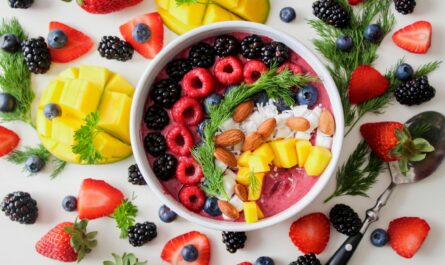
4. Hydrating Foods Count Too
Water doesn’t only come from drinks.
Hydrating foods include:
- Watermelon
- Cucumber
- Lettuce
- Oranges
- Celery
- Strawberries
- Zucchini
- Yogurt
Adding hydrating foods helps your fluid intake — especially helpful on packed days.
5. Use Timers & Reminders
Your phone can be your hydration ally.
Set gentle reminders:
- Every 60–90 minutes
- With messages like:
“Sip now!” or “Time for water 💧”
Habit formation research shows cues help behavior stick.
6. Flavor Your Water If Plain Isn’t Appealing
For many people, plain water can feel boring — and boring doesn’t get drunk.
Flavor ideas:
- Citrus slices (lemon, lime, orange)
- Cucumber + mint
- Frozen berries
- Herbal tea (unsweetened or lightly sweetened)
- Sparkling water
These make water delicious — increasing your likelihood to drink.
7. Make Hydration Social
Never underestimate social influence.
Hydrate with someone:
- Buddy up with a coworker
- Take water breaks together
- Track goals and celebrate progress
Shared goals improve accountability and fun.
8. Hydrate Around Activity
Exercise, walking, physical labor, or even long standing periods increase water needs.
Before activity:
Drink 8–12 oz (240–350 mL) 30–60 minutes ahead.
After activity:
Refill and sip steadily to replace fluids.
You don’t need exact numbers — the goal is consistency, not perfection.
9. Choose Water First, Then Everything Else
Instead of grabbing soda, juice, or an energy drink first:
- Drink a glass of water
- Assess whether you still want the alternative
Often thirst masquerades as hunger or a craving for sweetness.
10. Pay Attention to Body Signals (Not Just Thirst)
You don’t need zero thirst — but consistent subtle signs show hydration status.
Signs of mild dehydration:
- Dry mouth
- Fatigue
- Mild headache
- Darker urine
Clear or pale yellow urine generally suggests good hydration, but this can vary with supplements or medications.
11. Track Your Hydration, Not Perfection
Tracking water doesn’t have to be extreme.
Do this instead:
- Check in twice a day
- Log refills
- Notice patterns (busy mornings? Skipped lunch water?)
Seeing progress — even small — builds confidence.
Special Considerations
Hydration & Body Size
Larger body sizes don’t necessarily need exponentially more water — but water needs do scale with body mass and activity.
It’s not about telling someone “you must drink more than someone else” — it’s about listening to your body and responding consistently.
Hydration & Hormones
Women, especially during menstrual cycles, pregnancy, breastfeeding, or perimenopause, may experience shifts in fluid needs. Menstrual hormones can influence water retention and thirst.
Listen to your body — and adjust intake around cycles as needed.
Hydration & Aging
Older adults often have a reduced sense of thirst, making consistent habits more important.
Small bottles, visible bottles, and reminders help maintain water intake — even when thirst fades.
Hydration & Limitations
People with medical conditions affecting kidneys, heart, or electrolyte balance should follow clinical guidance — but many of the same practical habits still apply under professional supervision.
This article is not a replacement for medical advice.
Common Hydration Myths (Busted!)
Myth 1: “You Must Drink 8 Glasses a Day Exactly”
Reality: Fluid needs vary. Focus on patterns and cues — not a rigid number.
Myth 2: “Coffee Doesn’t Count — It Dehydrates You”
Reality: Moderate coffee and tea do count toward fluid intake. They may have a mild diuretic effect, but overall contribute to hydration.
Myth 3: “Clear Urine Is Always Good Hydration”
Reality: Medications, vitamins, and foods can change urine color. Use it as a clue — not the only measure.
Myth 4: “Hydration Is Only About Water”
Reality: Electrolytes — like sodium, potassium, magnesium — also support hydration, especially if you sweat a lot or work out. Foods and drinks with electrolytes can help.
Hydration Strategies for Different Lifestyles
For the On-the-Go Worker
- Use a large reusable bottle
- Sip while commuting
- Pair hydration with transitions (e.g., after email checks)
- Infuse water with fruit for enjoyable intake
For Parents & Caregivers
- Keep a bottle at eye level in common spaces
- Involve kids in flavored water stations
- Set family water breaks after activities
For Remote Workers
- Place water near your workspace
- Use hourly timers
- Hydrate during virtual meeting buffer time
For Night Shift or Variable Schedules
- Hydrate before, during, and after your wake period
- Pair water with meals
- Avoid overloading right before sleep
The Takeaway
Hydration isn’t a luxury or a chore — it’s essential self-care that supports every human body regardless of schedule, size, ability, or lifestyle. Busy lives don’t make hydration impossible — they make intentional habits essential.
Hydration Isn’t Perfect — It’s Consistent
You don’t need to drink water perfectly — you need to drink it consistently.
A few mindful sips throughout the day
A refill with every transition
Hydrating foods on the side
Gentle reminders rather than guilt
…add up faster than you realize.
Final Summary: How to Actually Drink Enough
✔ Start your day with water
✔ Carry a reusable bottle loudly visible
✔ Use small, realistic goals
✔ Flavor water to make it enjoyable
✔ Track progress, not perfection
✔ Hydrate with movement and meals
✔ Listen to your body — not just arbitrary rules
Hydration isn’t just about water intake — it’s about caring for yourself in the middle of a busy life.
And when water becomes a habit, your energy, focus, mood, and overall well-being follow.