 by
by Introduction: The Allure of the Ideal Self
In 2020, social media platforms, particularly Instagram and TikTok, witnessed the emergence of a phenomenon popularly known as “That Girl” culture. The term refers to a lifestyle aesthetic centered on productivity, wellness, aesthetic self-presentation, and intentional routines. On the surface, it seems aspirational: morning routines bathed in natural light, green smoothies artfully displayed on countertops, early morning workouts, perfectly curated outfits, and journaling with goal-oriented precision. The imagery is polished, aspirational, and often accompanied by motivational captions promoting discipline and self-improvement.
However, beneath the surface of this digital trend lies a complex interplay of cultural expectations, social signaling, and psychological implications. “That Girl” culture, while empowering in its emphasis on intentional living, also foregrounds a form of body discipline that has both individual and collective consequences. It embodies contemporary ideals of self-regulation, visibility, and performativity, transforming private wellness practices into public markers of success.
This article explores how “That Girl” culture has influenced perceptions of body discipline, the psychological pressures it imposes, its global resonance, and its potential to redefine—or restrict—autonomy over personal wellness. By analyzing social, cultural, and psychological dimensions, we can better understand the movement’s allure, its pitfalls, and its broader significance in contemporary society.
The Genesis of “That Girl” Culture
The roots of “That Girl” culture lie in the convergence of wellness, digital visibility, and neoliberal ideals of self-optimization. Platforms like Instagram and later TikTok allowed individuals to perform aspirational lifestyles in visually appealing ways. Influencers and content creators began documenting meticulously structured routines: morning exercise regimens, productivity journals, meal-prep sessions, skincare rituals, and aesthetically coordinated spaces.
The hashtag #ThatGirl gained traction as a shorthand for aspirational lifestyle content, quickly signaling a particular ethos: intentionality, consistency, and visible self-care. While the movement initially emphasized holistic wellness and self-improvement, it increasingly became associated with a polished, disciplined aesthetic—what media scholars call “performative wellness.” Here, the private labor of self-care and productivity is publicly displayed and socially validated, intertwining identity with perception.
Cultural commentators note that “That Girl” culture reflects broader societal values around optimization, productivity, and visibility. The trend mirrors neoliberal expectations that individuals are responsible for maximizing their potential, aesthetic appeal, and social capital through disciplined behaviors. While these ideals are not new, digital platforms have amplified them, allowing a single post to circulate globally, setting benchmarks for what it means to live well, look fit, and perform success.
The Role of Habit Stacking in Body Discipline
A key component of “That Girl” culture is the concept of habit stacking—linking small, intentional behaviors to create a larger framework of discipline. Followers often structure their mornings with a chain of micro-routines: hydration, journaling, meditation, stretching, and nutritional preparation. This layering of habits reinforces consistency and encourages accountability, both to oneself and to one’s social audience. Habit stacking is psychologically effective because it reduces decision fatigue, making the adoption of disciplined behaviors feel seamless. However, the practice can also introduce subtle pressure; when micro-routines are publicly documented, deviations may be perceived as failure. The social visibility of habit stacking thus transforms ordinary wellness into performative labor, where consistency becomes both a personal and communal measure of success. Globally, this practice resonates differently depending on cultural frameworks of productivity and self-regulation, yet the core idea—incremental, visible discipline—remains central to the aspirational ethos of “That Girl” culture.
Minimalism and Environmental Cues
Environmental curation is another hallmark of “That Girl” aesthetics. Clean, organized spaces, aesthetically arranged meal prep, and carefully designed workstations all function as environmental cues supporting body discipline. Minimalism, in particular, signals control over physical surroundings and, by extension, oneself. Psychologists argue that such cues can reinforce habits by reducing distractions and fostering focus. For participants in “That Girl” culture, an orderly environment serves not only practical purposes but also social ones: curated spaces signal intentionality to both oneself and the online audience. Cross-cultural comparisons reveal variations: Scandinavian design emphasizes minimalism and functionality, while Japanese wellness content integrates tidiness with spiritual and aesthetic traditions. Regardless of region, the principle is consistent—external organization becomes intertwined with internal discipline, creating a feedback loop between environment, behavior, and social representation.
Community and Social Reinforcement
A defining feature of “That Girl” culture is the role of community in reinforcing body discipline. Online communities, forums, and social media groups allow participants to share routines, progress, and aesthetic achievements, creating networks of accountability and inspiration. Engagement in these communities provides validation for both consistency and creativity, reinforcing the perception that disciplined routines are socially desirable. Peer observation also encourages adaptation and experimentation, as individuals learn from others’ strategies and innovations. However, this social reinforcement can be double-edged: constant visibility and feedback may amplify self-surveillance and comparison, especially for those struggling to align with curated standards. Yet when engaged with critically, these communities foster connection, shared motivation, and collective learning. They also serve as platforms for cross-cultural exchange, where wellness practices, aesthetic trends, and body-discipline strategies are shared globally, allowing participants to incorporate diverse approaches while maintaining personal agency over their routines.
Technology, Algorithms, and the Future of Discipline
Technology and algorithmic design play a crucial role in shaping “That Girl” culture. Social media algorithms amplify content that signals productivity, aesthetic cohesion, and wellness achievement, effectively curating standards of body discipline for global audiences. By rewarding posts that exemplify these ideals, algorithms subtly dictate what behaviors and visuals are socially desirable, influencing users’ daily routines and self-perceptions. This amplification has implications for mental health and self-concept, as repeated exposure to idealized behaviors can normalize perfectionistic expectations. Conversely, technology also offers opportunities for personalization and inclusivity: users can access tailored content that aligns with their goals, abilities, and cultural context, making disciplined living adaptable rather than prescriptive. The challenge lies in balancing inspiration with realistic expectations, ensuring that algorithmic influence empowers rather than constrains. As digital culture continues to evolve, body discipline may increasingly intersect with technological literacy, awareness of performativity, and critical engagement with social norms.
Fitness as Identity Performance
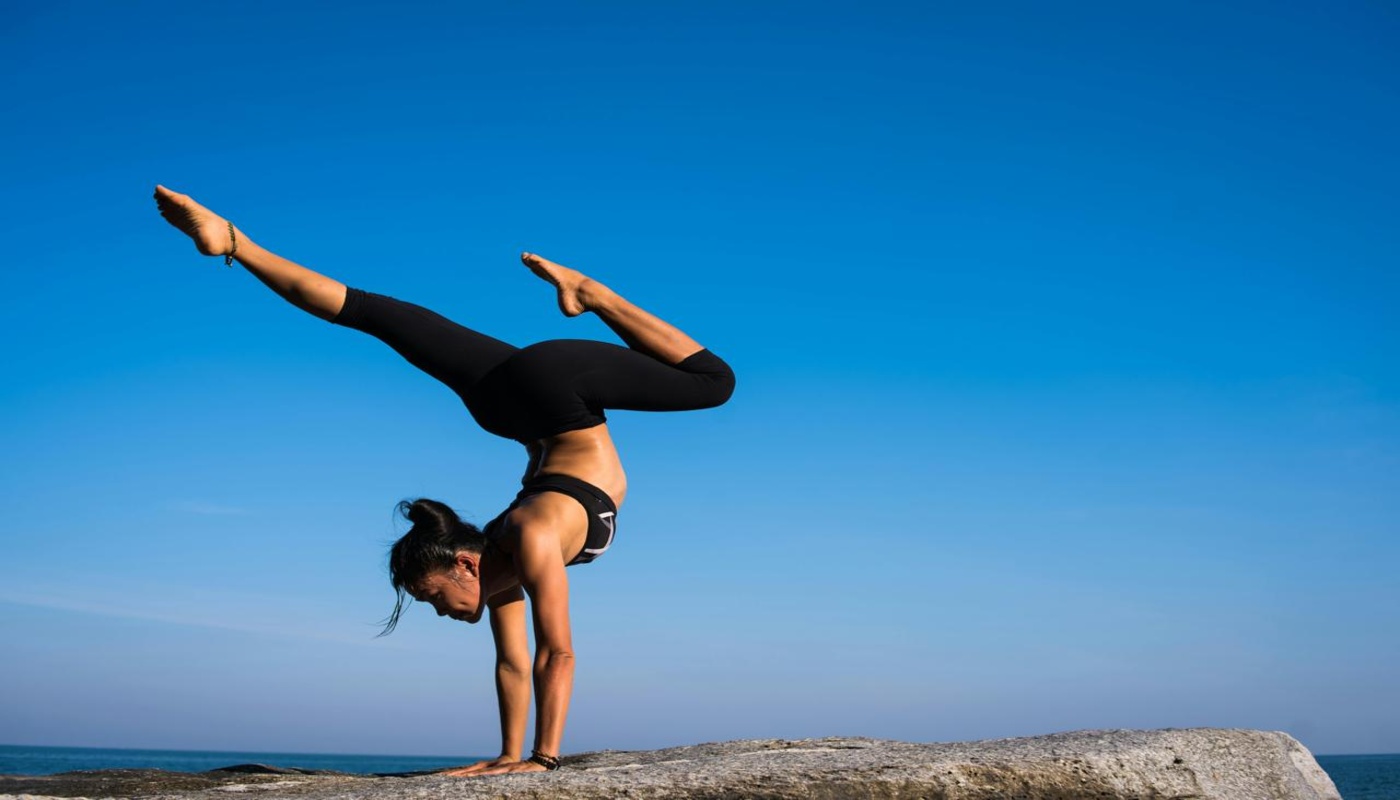
Exercise routines in “That Girl” culture extend beyond health—they are a form of identity performance. Yoga, Pilates, and cardio workouts are often presented with a visual emphasis, highlighting form, grace, and consistency. Social media amplifies the visibility of these practices, turning exercise into both a personal ritual and a public statement of diligence. Fitness becomes an aesthetic marker of commitment to self-improvement, intersecting with broader societal expectations of bodily discipline. While physically beneficial, the performative nature of fitness routines can generate comparison-driven stress, especially when juxtaposed with polished content from influencers and celebrities. Nonetheless, exercise within this cultural framework often contributes to a sense of empowerment and embodiment, reinforcing the idea that disciplined movement is inseparable from identity construction and self-expression.
Nutrition as Social Signaling
Nutrition is central to the “That Girl” aesthetic, functioning both as a health practice and a social signal. Carefully arranged meals, smoothies, and plant-based dishes are displayed online as proof of discipline and lifestyle alignment. These culinary representations are aesthetically curated to communicate intentionality, mindfulness, and adherence to wellness ideals. The social and cultural implications are multifaceted: adherence to dietary practices becomes a marker of moral and personal integrity, linking body maintenance with virtue. Globally, regional adaptations integrate local foods, such as green teas in East Asia, Ayurvedic meals in South Asia, or Mediterranean-inspired dishes in Europe, demonstrating that the principles of visible nutritional discipline are culturally adaptable. While promoting healthier habits, this focus can also create pressure to perform dietary choices publicly, reinforcing the entanglement of nutrition with social validation.
Journaling and Mental Discipline
Mental discipline is equally emphasized in “That Girl” culture. Journaling, reflection, and mindfulness exercises are presented not only as personal growth practices but also as performative markers of self-mastery. Social media posts frequently showcase goal-setting, habit tracking, and introspection in aesthetically arranged planners, reinforcing both accountability and aspirational identity. The psychological benefit lies in structured self-reflection, yet the performative visibility can impose subtle social pressure. Audiences are encouraged to present mental wellness as measurable and visually demonstrable, which may unintentionally promote internalized expectations of perfection in emotional management. Nevertheless, integrating mindfulness practices into daily routines fosters cognitive clarity and resilience, demonstrating that mental discipline is as essential to “That Girl” culture as physical wellness.
The Future of Body Discipline in Digital Wellness Trends
Looking forward, “That Girl” culture offers insights into the evolving landscape of digital wellness. As audiences engage critically with aspirational content, there is potential for more inclusive interpretations that celebrate diverse bodies, routines, and life circumstances. Future iterations may prioritize flexibility, authenticity, and accessibility, moving away from rigid aesthetic benchmarks toward holistic definitions of discipline. By foregrounding diversity and emphasizing self-defined goals rather than social performance, digital wellness trends can maintain the motivational aspects of “That Girl” culture while mitigating the pressures of comparison. The movement’s evolution reflects a broader cultural shift: discipline and intentionality need not be uniform or performative—they can be empowering, personalized, and inclusive
Body Discipline as Cultural Currency
At the heart of “That Girl” culture is body discipline. Exercise routines, meal plans, and sleep schedules are not merely health practices—they are symbolic gestures signaling self-control, ambition, and moral fortitude. In this framework, disciplined bodies serve as cultural currency, translating personal labor into social validation.
The movement draws on historical traditions linking morality and physical discipline. Philosophers and cultural historians have long associated self-regulation with virtue, connecting habits of the body with mental and social superiority. In contemporary “That Girl” culture, this linkage is mediated through social media: the body becomes both a canvas and a performance stage. A well-curated image of a toned physique, a glowing complexion, or a balanced meal becomes a shorthand for diligence, ambition, and intentional living.
This phenomenon is not limited to Western contexts. Globally, similar patterns emerge. In East Asia, for example, lifestyle influencers promote structured wellness routines that combine aesthetic presentation with traditional notions of discipline, while in Latin America, social media showcases aspirational lifestyles tied to productivity and self-presentation. Across cultures, disciplined bodies and curated routines function as markers of social status, ambition, and self-mastery, linking personal care with cultural visibility.
Psychological Implications of Performative Discipline
While “That Girl” culture celebrates intentionality and wellness, it also carries psychological complexity. The emphasis on routine, aesthetic perfection, and visibility can contribute to heightened self-surveillance, social comparison, and stress. Individuals who engage with this content may feel pressure to align their behaviors and appearances with curated ideals, creating a tension between personal autonomy and social expectation.
Psychologists highlight that performative wellness—where self-care is conducted primarily for external validation—can diminish intrinsic motivation and increase anxiety. The pressure to maintain a visually appealing lifestyle can transform nourishing practices into obligations, where deviation from routine elicits guilt or perceived failure. Body image may become tightly linked to self-worth, exacerbating dissatisfaction among those unable or unwilling to meet idealized standards.
However, nuance is essential. Not all engagement with “That Girl” culture is harmful. For some, the movement provides structure, inspiration, and a sense of community. It can foster goal setting, mindfulness, and intentional living. The psychological impact depends on interpretation: whether individuals internalize ideals rigidly or engage flexibly, adopting practices that suit personal needs without succumbing to social pressure.
Gendered Dimensions of “That Girl” Culture
“That Girl” culture predominantly targets women and is intertwined with gendered expectations of productivity, appearance, and moral labor. Cultural anthropologists note that women’s bodies and behaviors are frequently monitored in public and digital spaces, creating pressure to perform wellness and aesthetic discipline simultaneously. Social media amplifies this scrutiny, enabling continuous visibility and comparison.
This gendered pressure is reflected in the emphasis on specific routines: Pilates or yoga in aesthetically curated studios, plant-based meals in photogenic bowls, and elaborate skincare rituals. These practices, while potentially beneficial, are codified as markers of idealized femininity and productivity. Consequently, “That Girl” culture can reinforce expectations that women maintain discipline not only for personal health but also to meet cultural and social ideals of desirability, ambition, and aesthetic propriety.
Importantly, male participation in analogous digital trends exists but is framed differently. Men are often celebrated for athleticism or entrepreneurship without the same pervasive aesthetic scrutiny. This discrepancy highlights how “That Girl” culture intersects with entrenched gender norms, shaping expectations for body discipline differently across gender lines.
Social Media as Amplifier and Arbiter
Social media platforms function as both catalyst and regulator for “That Girl” culture. Algorithms reward content that signals aspirational lifestyles, aesthetic appeal, and consistency, reinforcing behavioral norms. Users who display adherence to disciplined routines—morning workouts, curated meals, organized workspaces—receive social validation through likes, shares, and comments.
This feedback loop encourages repetition and conformity, shaping collective perceptions of what constitutes a successful, disciplined lifestyle. The platforms also facilitate community formation: users find peers who share similar goals, routines, and aesthetic sensibilities, creating networks of support and accountability.
Yet the same mechanisms can amplify stress. Continuous exposure to idealized representations heightens social comparison, fostering feelings of inadequacy among those whose lived routines deviate from curated portrayals. The public-private blurring of routine reinforces performativity, where self-care is inseparable from its audience-facing presentation.
Cross-Cultural Perspectives on Body Discipline
Globally, variations of “That Girl” culture intersect with local wellness traditions, aesthetic preferences, and socio-economic conditions. In Japan and South Korea, lifestyle influencers emphasize minimalism, structured routines, and beauty rituals tied to cultural ideals of harmony and discipline. In India, wellness content blends yoga, Ayurvedic practices, and productivity tips, emphasizing holistic lifestyle management.
These regional manifestations illustrate that while the digital aesthetic may appear uniform, its interpretation and practice are culturally mediated. Social media exposure fosters cross-cultural dialogue, introducing global audiences to alternative conceptions of body discipline, wellness, and productivity. Simultaneously, localized norms shape engagement, ensuring that “That Girl” practices are adapted to culturally resonant ideals rather than adopted wholesale.
The Role of Celebrity Influence
Celebrities and verified influencers play a pivotal role in shaping and validating “That Girl” culture. Public figures who openly share disciplined routines, wellness practices, and curated aesthetics reinforce aspirational benchmarks for audiences. Verified interviews, campaigns, and documented lifestyle moments lend credibility to these ideals, making them both desirable and socially normative.
Unlike speculative gossip culture, these examples provide documented models of disciplined living. Observing celebrities navigate their routines publicly underscores the social expectation that wellness, productivity, and aesthetic care are integral to modern identity. At the same time, the transparency of lifestyle sharing can humanize the discipline, allowing audiences to see both effort and authenticity behind the curated images.
Balancing Empowerment and Pressure
A nuanced approach to “That Girl” culture recognizes its duality: it can empower, inspire, and foster intentional living, but it can also generate social and psychological pressures. Awareness of this duality is critical for individuals navigating participation or consumption.
Empowerment arises from autonomy—the ability to adopt practices that enhance well-being without succumbing to external validation. Conversely, pressure emerges when curated ideals become compulsory benchmarks for self-worth or social acceptance. Recognizing the performative element allows individuals to reframe engagement, adopting beneficial practices while resisting harmful comparison and judgment.
Future Implications for Body Inclusivity
The proliferation of “That Girl” culture raises important questions about body inclusivity. While the movement celebrates disciplined bodies and structured routines, it often marginalizes variations in shape, ability, or access. Inclusive practices must acknowledge that wellness and intentional living are diverse, culturally mediated, and adaptable across individual circumstances.
Moving forward, digital wellness trends could expand to prioritize flexibility, accessibility, and authenticity, rather than uniform aesthetic ideals. By foregrounding diversity in body types, routines, and cultural practices, social media can model intentional living without reinforcing narrow benchmarks. “That Girl” culture thus holds the potential to evolve into a framework that supports autonomy, celebrates individuality, and promotes well-being inclusively.
Conclusion: Reframing Discipline in the Digital Age
“That Girl” culture reflects contemporary aspirations toward self-optimization, visibility, and aesthetic discipline. It embodies the interplay between personal agency and social validation, illustrating how digital platforms shape perceptions of body, routine, and success. While its emphasis on performative wellness can produce pressures and comparison, it also provides models for intentional living, structure, and self-expression.
The future of this cultural phenomenon lies in balance. Recognizing the potential for both empowerment and stress encourages critical engagement, mindful consumption, and inclusive adaptation. When body discipline is reframed as a personal, flexible practice rather than a social mandate, “That Girl” culture can evolve from performative aspiration into a tool for authentic well-being—offering inspiration without exclusion, and empowerment without constraint.
Sources: The New York Times, Vogue, Harper’s Bazaar, CNN, British Vogue, Cosmopolitan, Elle, The Guardian, Refinery29