 by
by Introduction: Representation in the Age of Global Screens
In the 21st century, representation in media has evolved from a secondary concern to a central cultural conversation. As film, television, and streaming platforms increasingly shape the way young people perceive identity, beauty, and possibility, the casting of actors in influential roles carries profound social implications. Among the most significant figures in this transformation is Zendaya, an actor whose career has quietly yet powerfully reshaped expectations around representation, versatility, and identity.
Zendaya’s rise in Hollywood has coincided with a broader push toward diversity in storytelling. Yet her impact extends beyond simply appearing on screen. The range of characters she portrays—from teenagers navigating everyday life to complex dramatic leads—demonstrates how casting choices can influence the aspirations and emotional development of young audiences.
What makes Zendaya’s trajectory particularly meaningful is not merely her visibility as a woman of mixed heritage, but the breadth of roles she inhabits. Rather than being confined to stereotypical portrayals, she has consistently taken on characters defined by complexity, intelligence, vulnerability, and strength. For young viewers around the world, this variety sends a powerful message: identity is expansive, and possibilities are not limited by narrow cultural narratives.
Zendaya’s work offers a compelling case study in how media representation can shape cultural attitudes toward identity and belonging. Her casting in diverse roles has sparked discussions about inclusivity, artistic authenticity, and the psychological impact of seeing oneself reflected in stories. In an era when young people increasingly seek authenticity and relatability in media, Zendaya’s career illustrates how thoughtful casting can reshape cultural expectations and inspire new generations.
The Cultural Significance of Visibility in Media
Representation in media has long influenced how societies understand identity and difference. For decades, film and television often presented narrow portrayals of race, gender, and cultural background. Characters from marginalized communities were frequently reduced to stereotypes or excluded entirely from major narratives.
The emergence of actors like Zendaya has helped shift this landscape. Her visibility in mainstream productions signals a cultural transition toward more inclusive storytelling. Importantly, her roles do not always center on her ethnicity; instead, they allow her to exist as fully realized characters whose identities include—but are not limited to—racial or cultural backgrounds.
This shift matters deeply for young audiences. Psychological research has shown that children and teenagers often look to media figures as models for understanding social norms, self-worth, and possibility. When viewers repeatedly encounter characters who resemble them only in marginal roles—or not at all—it can subtly influence how they imagine their place in the world.
Zendaya’s presence disrupts this dynamic. By appearing in high-profile productions across genres, she expands the range of narratives in which diverse identities are visible. Young viewers watching these performances witness a form of normalization: diversity is not treated as an exception but as a natural part of storytelling.
Moreover, Zendaya’s success challenges the long-standing notion that mainstream audiences only respond to narrow representations. The popularity of projects featuring her demonstrates that inclusive casting can resonate broadly across cultures and demographics.
In this sense, Zendaya’s career reflects a larger cultural shift. The growing demand for authentic representation has prompted creators and producers to reconsider long-standing industry assumptions. Through her performances, Zendaya embodies the idea that visibility in media can foster empathy, broaden imagination, and reshape cultural expectations for future generations.
Another important dimension of Zendaya’s influence lies in the way her career encourages young viewers to think critically about storytelling itself. As audiences become more aware of representation in media, many young people now question why certain identities have historically been underrepresented or stereotyped in popular narratives. Zendaya’s diverse body of work provides a clear example of how casting decisions can challenge these patterns and open the door to richer storytelling. When viewers watch an actor move fluidly between genres—youth television, dramatic series, global film franchises, and fashion culture—they begin to see identity not as a limitation but as an expansive creative possibility. This shift can influence how young audiences interpret the media they consume and even inspire them to pursue careers in creative industries such as filmmaking, writing, or design. Zendaya’s success therefore becomes more than a personal achievement; it serves as a reminder that storytelling evolves when new voices and perspectives are welcomed. For young viewers observing this change, her career reinforces the idea that the stories shaping the future of global culture can be more inclusive, imaginative, and representative of the diverse world they inhabit.
Early Influence Through Youth-Oriented Storytelling
Zendaya first gained widespread recognition through youth-oriented television, particularly the series Shake It Up on the Disney Channel. While many young actors achieve popularity through similar platforms, Zendaya’s role stood out for the way it combined relatability with confidence and ambition.
For young viewers, particularly teenagers navigating their own identities, characters on youth television often function as mirrors. The characters they watch can influence everything from fashion choices to attitudes about friendship and self-expression. Zendaya’s portrayal of a creative, energetic teenager offered audiences a character who was both aspirational and approachable.
Importantly, the show presented her character as a central figure rather than a supporting stereotype. This positioning allowed young viewers to see a diverse protagonist whose storylines revolved around creativity, friendship, and personal growth. Such portrayals challenge the historical tendency of media to limit minority characters to secondary roles.
Zendaya herself has spoken in interviews about the importance of authenticity and representation in youth media. She has emphasized the responsibility actors carry when portraying characters that young audiences look up to. By advocating for inclusive storytelling early in her career, she helped shape conversations about the social influence of youth entertainment.
For children growing up in multicultural societies, seeing a confident and capable protagonist from a diverse background can have lasting psychological effects. It reinforces the idea that leadership, talent, and individuality are not confined to any single identity group.
Zendaya’s early work thus laid the groundwork for a broader cultural impact. By entering the public eye through youth-focused narratives, she connected with audiences at a formative stage in their lives—an influence that would grow even stronger as her career evolved.
Expanding Representation Through Complex Dramatic Roles
As Zendaya transitioned from youth television to more mature storytelling, she demonstrated a remarkable range that challenged traditional casting expectations. Her role in the critically acclaimed series Euphoria marked a turning point in her career and in the cultural conversation surrounding representation.
In the series, Zendaya portrays a teenager grappling with addiction, identity, and emotional vulnerability. The performance earned widespread recognition, including a historic win at the Primetime Emmy Awards, making her one of the youngest recipients in the category.
Beyond accolades, the role had significant cultural resonance. By portraying a complex character dealing with mental health challenges, Zendaya contributed to a broader dialogue about emotional well-being among young people. The show’s themes sparked conversations about the pressures faced by modern teenagers, including social media, identity exploration, and personal resilience.
For young viewers, seeing an actor they admired tackle such nuanced material expanded their understanding of storytelling. Zendaya’s performance demonstrated that characters from diverse backgrounds could lead emotionally intricate narratives rather than being confined to superficial roles.
The series also illustrated the power of authenticity in performance. Zendaya approached the role with empathy and seriousness, emphasizing in interviews the importance of respecting the real-life experiences reflected in the story.
This commitment to depth and sensitivity reinforced the idea that representation is not just about visibility—it is about complexity. Young audiences observing this shift may begin to expect richer narratives and more nuanced portrayals in the media they consume.
Zendaya’s work in dramatic storytelling thus represents a milestone in inclusive casting. By proving that diverse actors can lead complex narratives, she helped redefine what mainstream audiences perceive as compelling and authentic storytelling.
Breaking Genre Boundaries in Major Film Franchises
Another key dimension of Zendaya’s influence lies in her participation in major global film franchises. Her role as MJ in Spider-Man: Homecoming and its sequels within the Marvel Cinematic Universe introduced her to an even broader international audience.
Franchise films often carry enormous cultural influence, particularly among younger viewers. Characters from these stories frequently become symbols of courage, intelligence, and resilience. When diverse actors are cast in such roles, the symbolic impact can extend far beyond the screen.
Zendaya’s portrayal of MJ differs from earlier versions of the character. Rather than fitting the traditional mold of a romantic interest defined primarily by appearance, this interpretation emphasizes intelligence, wit, and independence. For young viewers, this shift reinforces the idea that female characters can possess depth and individuality within blockbuster narratives.
The casting choice also reflects a broader transformation in Hollywood’s approach to representation. Historically, franchise films tended to replicate familiar character archetypes. Zendaya’s role demonstrates how reimagining these characters can create more inclusive storytelling without compromising audience appeal.
Young viewers around the world—particularly those who rarely saw themselves reflected in major fantasy or superhero films—now encounter a character who feels contemporary and relatable. This visibility contributes to a more inclusive cinematic landscape where diverse identities exist naturally within epic narratives.
Zendaya’s presence in such high-profile productions sends a powerful message: representation is not limited to independent or niche projects. It can thrive within mainstream entertainment that reaches millions of viewers globally.
Fashion, Identity, and Cultural Expression
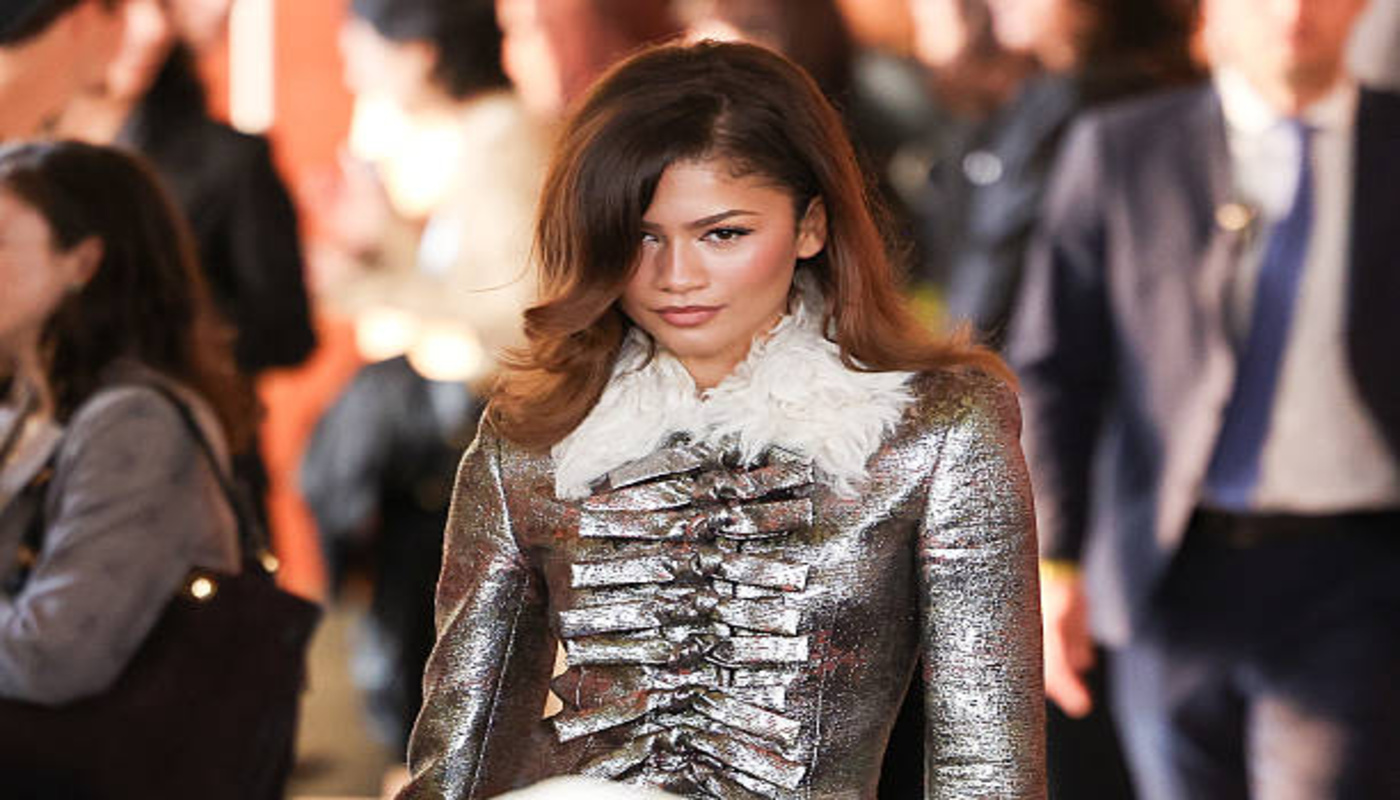
Beyond her acting roles, Zendaya’s influence extends into fashion and cultural expression. Through red-carpet appearances and collaborations with designers, she has used fashion as a form of storytelling and identity exploration.
Fashion, like film and television, plays a role in shaping cultural ideals. Young audiences often observe celebrities as sources of inspiration for personal style and self-expression. Zendaya’s fashion choices frequently celebrate creativity, historical references, and cultural diversity.
Working with stylist Law Roach, Zendaya has embraced bold fashion statements that challenge conventional expectations of celebrity style. From vintage-inspired gowns to modern reinterpretations of iconic looks, her appearances often spark conversations about artistry, identity, and representation in fashion.
These moments matter because fashion can serve as a visual language through which individuals communicate identity. For young viewers, seeing a celebrity confidently experiment with style can encourage a more open-minded approach to self-expression.
Zendaya has also used her platform to highlight designers from diverse backgrounds. By doing so, she contributes to a broader conversation about inclusivity within the fashion industry—a sector historically criticized for limited representation.
The cultural impact of these choices extends beyond aesthetics. When young people observe influential figures embracing individuality and cultural awareness, they receive subtle but meaningful encouragement to explore their own identities without fear of judgment.
Psychological Effects of Representation on Young Audiences
The influence of representation in media is not merely symbolic; it carries measurable psychological effects. Researchers studying media psychology have long observed that young viewers often internalize the messages conveyed through film and television.
When audiences see characters who resemble them portrayed as intelligent, courageous, or creative, it can enhance self-esteem and broaden perceived possibilities. Conversely, limited or stereotypical portrayals may contribute to feelings of exclusion or diminished confidence.
Zendaya’s career provides an example of positive representation in action. Her roles frequently depict characters who demonstrate resilience, curiosity, and emotional complexity. For young viewers, these traits can become aspirational qualities rather than distant ideals.
Additionally, representation benefits not only those who identify directly with the actor’s background but also audiences from different cultures. Exposure to diverse characters can foster empathy and reduce unconscious biases. By normalizing diversity in storytelling, media creators help audiences develop a more inclusive worldview.
Zendaya’s widespread popularity among global audiences illustrates this phenomenon. Viewers from different countries and cultural contexts connect with her characters because they reflect universal themes of identity, growth, and resilience.
In this way, her impact extends beyond representation alone. It contributes to a cultural environment in which diversity is understood not as a novelty but as an integral part of human storytelling.
Global Influence in a Digital Era
The digital age has amplified the cultural reach of celebrities in unprecedented ways. Social media platforms allow actors to communicate directly with audiences across continents, transforming them into global cultural figures.
Zendaya has cultivated a public presence characterized by authenticity and thoughtful engagement. Rather than relying solely on traditional publicity, she often uses her platform to discuss creativity, social responsibility, and artistic collaboration.
For young viewers navigating a digital landscape filled with curated images and unrealistic expectations, such authenticity can be refreshing. Zendaya’s openness about the challenges of fame and the importance of staying grounded offers an alternative narrative to the hyper-polished personas often seen online.
Her influence is particularly notable among Gen Z audiences, who tend to value transparency and social awareness in public figures. Through interviews and public statements, Zendaya has emphasized the importance of representation and opportunity within the entertainment industry.
The global reach of streaming platforms further amplifies her impact. Series and films featuring Zendaya are accessible to audiences in dozens of countries, allowing viewers from different cultural contexts to engage with the same narratives simultaneously.
This shared cultural experience contributes to a more interconnected media environment. When young people across the world watch the same stories and discuss them online, they participate in a collective conversation about identity, creativity, and possibility.
The Role of Industry Change and Collaborative Efforts
While Zendaya’s individual achievements are significant, her influence also reflects broader changes within the entertainment industry. Over the past decade, filmmakers, producers, and casting directors have increasingly recognized the importance of inclusive storytelling.
Zendaya has frequently spoken about the collaborative nature of filmmaking and the need for diverse voices behind the camera as well as on screen. Representation within writing rooms, directing teams, and production staff plays a crucial role in shaping authentic narratives.
Her involvement in projects that prioritize creative collaboration demonstrates how actors can influence industry practices. By choosing roles that challenge stereotypes and encourage thoughtful storytelling, she contributes to a gradual transformation in Hollywood’s approach to representation.
This shift is particularly meaningful for young viewers who aspire to careers in creative fields. Seeing actors, writers, and filmmakers from diverse backgrounds succeed in mainstream entertainment can inspire a new generation to pursue artistic ambitions.
Zendaya’s career thus illustrates how representation operates as a collective effort. While individual performances capture public attention, lasting change occurs when entire industries embrace inclusive storytelling.
Conclusion: A Blueprint for Future Representation
Zendaya’s career represents more than the success of a talented actor; it symbolizes a broader transformation in how media portrays identity and possibility. Through diverse roles spanning youth television, dramatic storytelling, blockbuster cinema, and fashion culture, she has helped reshape the cultural conversation around representation.
For young viewers, the impact is both immediate and long-lasting. Watching characters who embody intelligence, resilience, and individuality can influence how audiences perceive themselves and their potential. Zendaya’s presence in mainstream entertainment demonstrates that diversity enriches storytelling rather than limiting it.
Equally important is the message her career sends to the entertainment industry. Inclusive casting is not merely a moral imperative—it is also an artistic and cultural opportunity. By embracing diverse perspectives, creators can craft stories that resonate with audiences across borders and generations.
As global media continues to evolve, the example set by Zendaya suggests a promising direction. When actors are allowed to explore a wide range of characters without being confined by stereotypes, storytelling becomes more authentic and engaging.
For the young viewers watching today, this transformation carries profound significance. It signals a future in which representation is not a rarity but a norm—a future where every audience member can find a story that reflects their experiences, aspirations, and imagination.
In that sense, Zendaya’s impact extends far beyond the roles she plays. It lives in the confidence of the young people who see themselves reflected in her work and realize that their stories, too, belong on the world’s stage.
Sources: Variety, The Hollywood Reporter, BBC, Vogue, Teen Vogue, The New York Times, The Guardian, NPR, Entertainment Weekly, Time Magazine