 by
by Introduction: A Cultural Hook — When Clothes Became Commentary
In a world obsessed with perfection, fashion has long been not just a form of personal expression, but a language of cultural values. The clothes we wear and how we wear them are mirrors—influencing and reflecting societal ideas of beauty, desirability, and worth. Against this backdrop, when an actor or model steps onto a red carpet or into a major campaign not just in a beautiful outfit, but in a body that doesn’t fit the traditional Hollywood mold, it reverberates far beyond the realm of style reviews. It becomes a cultural signpost.
Barbie Ferreira—model, actress, writer, and unabashedly herself—emerged as one such signpost. Her fashion choices have not simply adorned her body; they have interrogated the industry’s longstanding standards and created ripples that extend into psychological, cultural, and socio-political spheres. From rejecting restrictive labels to challenging what it means to look “Hollywood‑ready,” her very presence in mainstream fashion and entertainment became a vessel for broader transformation.
This article unpacks how Barbie Ferreira’s fashion choices—backed by public momentum and personal philosophy—became a disruptive force in reshaping Hollywood’s size norms and opening the door for bodies long marginalized.
1. A Culture of Exclusion: Hollywood and the Legacy of Size Norms
Hollywood’s beauty standards have historically prioritized thinness, youth, and proportions that mimic a narrow ideal. These norms are not incidental—they are constructs shaped by commercial interests, long‑standing hierarchies of desirability, and media systems that rewarded a narrow kind of beauty. Such standards are deeply woven into the fabric of film, fashion, and advertising through years of repetitive imagery and casting practices.
Fashion editorials, red carpet highlights, and mainstream runway shows have revolved around a very limited idea of beauty that implicitly excludes diverse body types. The psychological cost of this exclusion is significant: people who don’t see themselves reflected often internalize messages of unworthiness or abnormality. This cultural void set the stage for each deviation to feel seismic—especially when it occurs with high visibility.
Barbie Ferreira entered this environment bearing the weight of that cultural history.
2. Early Career: From Tumblr to the Runway
Before Hollywood fame, Barbie Ferreira used early social platforms like Instagram and Tumblr to post images of herself. These posts were simple—unearthed from everyday life—but they resonated exactly because they looked like real bodies, not an aspirational, stylized norm. Through this self‑authored visibility, she gained early traction in fashion, eventually modeling for brands like American Apparel and Aerie.
Crucially, she became known as a model who didn’t fit the industry’s typical template. In interviews later in her career, she acknowledged that fashion labels like “plus‑size” were initially useful to create community, but eventually began to feel like boxes that constrained conversation and reinforced “otherness”.
Rather than tautological identity politics, Ferreira’s approach emphasized presence—showing up visibly and authentically, without becoming a monolith of body activism.
3. Rejecting Labels: A Radical Reframing
One of the most important statements Ferreira has made about her place in the industry concerns labels: specifically the term “plus‑size.” She has publicly critiqued how such labels create artificial separations within fashion that elevate one set of bodies while implicitly relegating others to peripheries.
To Ferreira, the term can inadvertently sustain the very binary it claims to dismantle: normal vs. other, desirable vs. undesired. Rather than accept the industry’s categories, she publicly articulated a desire to reject that framing altogether—an act both simple in intention and revolutionary in cultural consequence.
This stance is crucial for understanding her impact: it moved the conversation from what her body represents to why bodies are measured against an ideological ideal to begin with.
4. Clothes as Cultural Commentary: Fashion Choices That Made Waves
Ferreira’s fashion choices have mattered not just for being stylish, but for what they signaled about accessibility and inclusion:
a. Wearing Trend‑Driven Looks Without Apology
In interviews around her rise to fame, Ferreira spoke about how society and the fashion media treated her outfit choices—like wearing crop tops or trend styles—as “radical,” when in truth, she viewed them as her natural expression.
Her statement, “It’s not radical for me to be wearing a crop top,” reframes the narrative: the radical act wasn’t the garment—it was someone outside the narrow beauty ideal feeling comfortable wearing it. By choosing pieces traditionally marketed toward thin models, she implicitly questioned who gets to wear what and why.
b. Public Struggle for Fit
Despite her visibility, Ferreira has spoken candidly about how difficult it still is to find designer clothes that fit her body—highlighting the structural scarcity of inclusive fashion offerings.
This openness about even basic fashion logistics (finding clothes that fit) reflects a deeper cultural truth: representation on high‑visibility platforms doesn’t automatically translate into systemic change. It exposes the gap between symbolic inclusion and structural accessibility.
c. Challenging Media Reactions
Ferreira has also critiqued the flippant “backhanded compliments” often directed at her, like praising her for wearing “normal clothes” when she chooses everyday fashion items. Such comments reveal implicit bias—the idea that a body like hers is unexpected in certain styles.
Her rejection of this framing further dismantles the narrative that fashion (and beauty) is reserved for a limited body type.
5. Hollywood Visibility Beyond Fashion
Ferreira’s impact extends beyond style. Her breakout role in Euphoria, where she played Kat Hernandez—who navigates her body image and sexuality—brought a layered, imperfect portrayal of an adolescent body rarely seen in mainstream media.
Unlike the fashion industry where visual cues are paramount, where the camera lingers on design lines and silhouettes, her acting roles gave texture to real human experience: struggles, growth, vulnerability. That dual visibility—as a public figure in fashion and actress in nuanced roles—amplified her cultural reach.
Rather than simplifying her presence into a body‑positive proclamation, her broader work communicated complex humanity. This matters because Hollywood representation is not just about bodies on screen—it shapes cultural imagination and self‑perception.
6. Psychological Implications: Self‑Image and Social Norms
Barbie Ferreira’s fashion journey resonates psychologically because it interrupts the dominant pattern of internalized comparison:
a. De‑Centering Thinness
Society’s habitual valorization of thinness as the default ideal influences self‑image at every age, from early teens to adulthood. Ferreira’s visibility visually destabilized that norm by showing that beauty, desirability, and fashion are not exclusive to a single body type. This has psychological ripple effects for audiences who see their own bodies reflected in media spaces that previously excluded them.
b. Normalizing Desire, Not Just “Acceptance”
Her fashion choices aren’t framed merely as a lesson in acceptance. They reflect a deeper normalization of desire—that people of diverse bodies can and should wear what makes them feel confident and expressive, not just what conforms to comfort or concealment.
c. Deconstructing “Radical Self‑Love”
Critically, Ferreira has pointed out that the cultural expectation for her to always be a body‑positivity advocate can itself be limiting and reductive.
By rejecting being reduced to a singular identity narrative, she dismantles the psychological assumption that any one aspect of a person—size, orientation, ethnicity—is the defining scorecard of worth or visibility.
7. Global and Cross‑Cultural Dimensions
While much of the conversation around Barbie Ferreira centers on Hollywood and western fashion media, her impact is felt globally through digital culture. The cultural demand for more inclusive representation transcends borders. In countries where Western media imagery is dominant, seeing diverse body representations in mainstream entertainment can challenge local beauty hierarchies as well.
Fashion itself is global: runway trends, influencer culture, and entertainment platforms travel across cultures. Ferreira’s very presence in international campaigns (e.g., Jacquemus) and mainstream series means her fashion choices play in global imagination, carving out space for bodies historically marginalized in the global media economy.
8. Beyond the Individual: Systemic Shifts and Future Implications
Barbie Ferreira’s fashion choices matter not just as isolated acts but as nodes in a larger movement toward greater inclusivity:
a. From Symbolic to Structural Inclusion
Her career highlights both progress and the work still undone. While more brands now include a wider range of sizes in campaigns, systemic challenges remain—like the fashion industry’s continued size gaps on high couture runways and the limited availability of diverse sizes in retail.
Ferreira’s candid discussions about these gaps make visible structural inequalities not often spoken about publicly.
b. Inspiring Architecture of Representation
Her journey inspires a new generation of creatives and consumers who demand a broader, more inclusive vision from fashion and Hollywood alike.
c. Intersectionality in Representation
Her advocacy implicitly opens space for conversations about the intersection of body, race, sexual orientation, and identity—expanding inclusivity beyond size alone.
9. Barbie Ferreira on Red Carpet and High Fashion
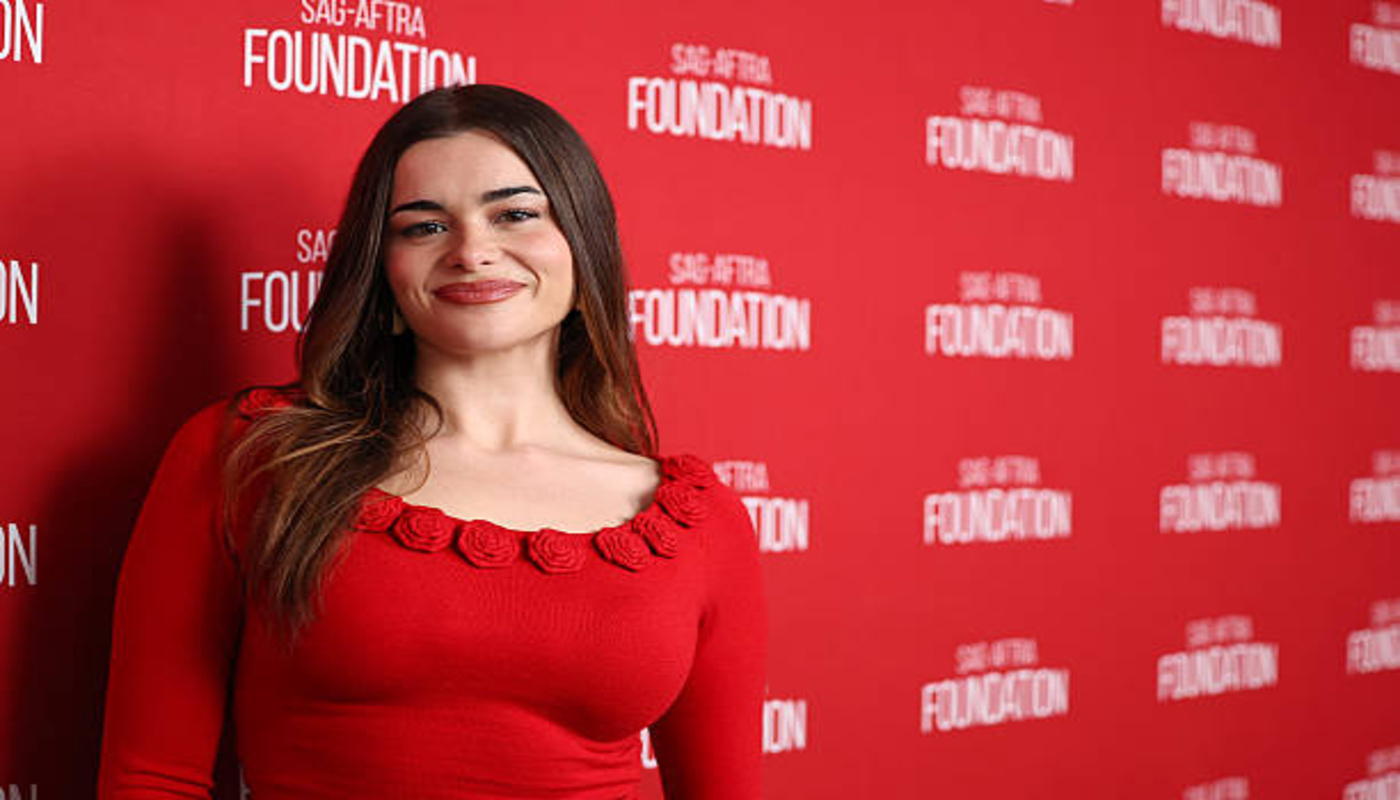
Barbie Ferreira’s appearances on high-profile red carpets and fashion weeks carry cultural significance far beyond aesthetic appeal. Each outfit she chooses challenges the historical norms that have long excluded diverse body types from these spaces. For instance, when she wore bold, body-conscious silhouettes traditionally reserved for thinner celebrities, media outlets couldn’t ignore the statement her presence made. It disrupted the narrative that glamour and sophistication were limited to a narrow standard of beauty. In interviews, Ferreira emphasized that her choices were about self-expression rather than a political statement, yet the industry inevitably interprets such visibility as a challenge to entrenched hierarchies. This tension underscores how bodies outside Hollywood’s traditional mold are hyper-visible and politicized, turning simple fashion into a cultural commentary on inclusion and desirability. Her choices not only influence public perception but also encourage brands and designers to reconsider size inclusivity in their collections, highlighting the broader structural impact of her visibility in mainstream media.
10. Psychological Implications for Audiences
The psychological resonance of Ferreira’s fashion choices cannot be understated. Representation in media shapes self-perception, and for many, seeing someone who does not conform to rigid size norms confidently occupy glamorous spaces validates their own experiences and bodies. Ferreira’s approach normalizes the idea that fashion, style, and public recognition are not restricted by size, directly challenging internalized biases about worth and appearance. Furthermore, her refusal to be labeled solely as a “plus-size model” encourages audiences to question how social categories affect self-esteem and identity. This subtle yet powerful influence fosters a more nuanced understanding of self-worth, encouraging individuals to see themselves as capable of occupying the same spaces and aesthetics that have historically felt inaccessible. By presenting authenticity in fashion, Ferreira not only validates diverse experiences but also subtly reshapes cultural narratives around body image and psychological empowerment.
11. Intersectionality and Representation
Ferreira’s impact also intersects with issues of race, gender, and sexual identity, amplifying the cultural importance of her fashion choices. In Hollywood, the simultaneous marginalization of bodies, identities, and ethnicities compounds exclusion, making her visibility even more significant. Her work in media projects such as Euphoria demonstrates how layered portrayals of characters can reflect multiple aspects of identity while rejecting reductive stereotypes. When paired with her modeling career, her public presence highlights the importance of intersectional representation—showing that inclusion must extend beyond size to encompass a spectrum of lived experiences. By integrating diverse fashion expressions with authentic storytelling, Ferreira exemplifies how celebrities can model inclusive practices both visually and narratively, inspiring audiences across identities to see themselves represented in ways previously considered peripheral or unconventional.
12. Global Fashion Influence
While much of the conversation around Barbie Ferreira centers on Hollywood and Western fashion, her influence resonates globally through social media and international campaigns. Platforms like Instagram allow her fashion choices to be seen by millions worldwide, challenging beauty standards in regions where Western media heavily shapes local ideals. Designers and brands across cultures have begun acknowledging the commercial and cultural value of size inclusivity, partly fueled by the visibility of public figures like Ferreira. Her participation in campaigns for international designers communicates that style, creativity, and glamour are accessible across body types, transcending geographic and cultural boundaries. This global reach not only normalizes diverse bodies in mainstream media but also inspires dialogue on cultural perceptions of beauty, encouraging audiences worldwide to reconsider narrow, exclusionary standards in their own contexts.
13. Forward-Looking Cultural Shifts
Looking ahead, Ferreira’s influence signals the potential for lasting transformation in Hollywood and fashion. By refusing to conform to restrictive labels, she fosters an environment where clothing, character portrayal, and public visibility are less about fitting predetermined molds and more about authentic expression. Her approach demonstrates that inclusivity is not merely symbolic but can be integrated into industry structures—from design sizing to casting decisions and marketing strategies. As younger audiences increasingly demand representation that mirrors their realities, Ferreira’s presence and fashion philosophy provide a roadmap for systemic change, showing that cultural disruption can occur not only through advocacy but also through deliberate, consistent choices in visibility and style. The momentum she helps generate suggests that Hollywood and global fashion industries may gradually redefine standards of beauty, desirability, and self-worth, making inclusivity an enduring norm rather than a temporary trend.
14. Industry Response and Changing Brand Practices
Barbie Ferreira’s visibility has had a measurable impact on how fashion brands approach size inclusivity. Designers and major labels are increasingly aware that audiences demand representation beyond the traditional “sample size,” and Ferreira’s high-profile campaigns have accelerated this shift. By modeling pieces traditionally reserved for thinner bodies, she demonstrated that commercial success and style innovation are not constrained by body type. Brands now frequently release extended size ranges, and some campaigns explicitly highlight diversity as a selling point. The industry’s response is not just performative; it reflects a growing acknowledgment that inclusivity drives cultural relevance and consumer engagement. Moreover, Ferreira’s candid discussions about the limitations of “plus-size” labeling have encouraged brands to rethink not just sizing, but the language and marketing narratives surrounding their products. Her presence also challenges casting and styling departments in Hollywood to broaden their definitions of beauty, encouraging costume designers, stylists, and editors to treat all body types with equal consideration. This ripple effect suggests that individual visibility can catalyze systemic industry changes, demonstrating the power of authentic representation to reshape commercial and cultural norms alike.
15. Inspiring the Next Generation
The broader cultural impact of Ferreira’s fashion choices is particularly evident in the younger generation of media consumers and aspiring creatives. Teenagers and young adults see her confidently wearing clothes that society often deems “off-limits” for certain body types, which fosters self-acceptance and encourages experimentation with personal style. Social media amplifies this effect, as fans emulate her outfits, post about her appearances, and engage in discussions about inclusivity and representation. Beyond fashion, Ferreira’s example inspires young actors, models, and content creators to pursue opportunities without feeling constrained by size expectations. Her approach demonstrates that visibility, authenticity, and self-expression can coexist with commercial success, challenging the notion that fitting into pre-existing molds is a prerequisite for recognition. This influence is not limited to Western audiences; through global platforms, her impact extends internationally, promoting a more inclusive understanding of beauty across cultures. By embodying both style and empowerment, Ferreira contributes to a generational shift in attitudes toward body image, making fashion and media spaces more open, diverse, and psychologically affirming for those who follow her example.
Conclusion: Fashion as a Catalyst for Cultural Change
Barbie Ferreira’s fashion choices disrupted Hollywood size norms not because of the clothes themselves, but because of what they represented: a departure from rigid paradigms of beauty and belonging. By wearing what she chooses, resisting reductive labels, and inhabiting mainstream platforms with nuance and depth, she contributed to a cultural shift in how bodies are imagined, portrayed, and valued.
Her impact reminds us that inclusivity involves both visibility and structural change—from the clothes we see in campaigns to the stories told on screen. As audiences demand authenticity, and industries slowly adapt, the legacy of figures like Ferreira is not merely that they appeared in fashion or television, but that they reshaped the narrative around who gets to be seen, desired, and celebrated.
Sources: Vogue India, Hypebae, Indian Express, PAPER Magazine