 by
by Introduction: Minimalism That Speaks Loudly
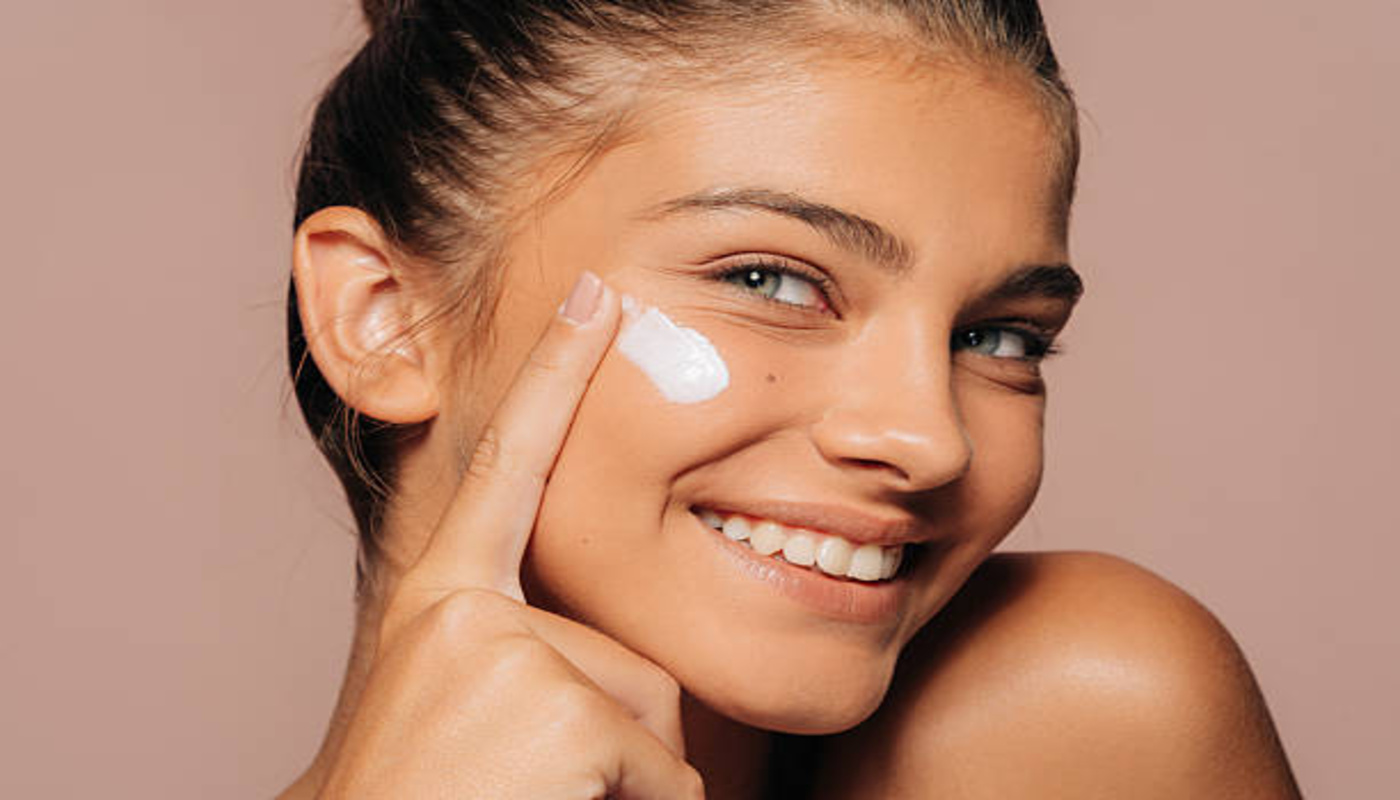
In an era where digital identities are curated as meticulously as physical appearances, the rise of the “Clean Girl Aesthetic” has emerged as one of the most defining visual languages of the 2020s. Characterized by slicked-back hair, dewy skin, neutral tones, gold jewelry, and an effortless aura of “put-togetherness,” the aesthetic has flooded platforms like TikTok and Instagram. It promises simplicity—but communicates something far more complex.
At first glance, the appeal is obvious. After years of heavy contouring, bold glam, and maximalist beauty trends, the clean girl aesthetic feels like a cultural exhale. It suggests calm, discipline, and control—qualities that resonate deeply in a post-pandemic world where uncertainty has shaped everyday life. Yet beneath this polished minimalism lies a deeper cultural narrative: one that raises questions about accessibility, privilege, and the quiet rebranding of exclusivity.
What makes this aesthetic so compelling—and at times problematic—is not just how it looks, but what it represents. It is not merely a beauty trend; it is a lifestyle signal. And like many cultural movements that appear “effortless,” it often requires invisible layers of effort, resources, and social capital.
The Origins: From “Effortless Beauty” to Algorithmic Perfection
The clean girl aesthetic did not emerge in isolation. Its roots can be traced back to earlier ideals of “effortless beauty” that have long been embedded in Western beauty culture. From the “no-makeup makeup” looks popularized in the 2010s to the off-duty model aesthetic, the idea of looking naturally flawless has always held cultural power.
However, what distinguishes the clean girl aesthetic is its amplification through algorithm-driven platforms. TikTok, in particular, has played a pivotal role in standardizing and globalizing the look. Short-form videos showcasing skincare routines, hair slicking techniques, and minimal makeup tutorials have turned personal rituals into viral templates.
Influencers and celebrities such as Hailey Bieber have become central figures in shaping and popularizing this aesthetic. Bieber’s public emphasis on “glazed skin,” minimalist makeup, and wellness-driven beauty routines has not only influenced millions but also helped commercialize the aesthetic through product lines and brand collaborations.
What once might have been an individual expression of style has now become a replicable formula—one that is rewarded by visibility, engagement, and social validation.
The Role of Time: The Most Invisible Privilege
One of the least discussed yet most significant barriers within the clean girl aesthetic is time. While financial accessibility is often acknowledged, the temporal investment required to sustain this lifestyle remains largely invisible. The polished routines associated with the aesthetic—morning skincare, hair styling, meal preparation, fitness rituals—demand consistency that not everyone can afford. For individuals balancing demanding jobs, caregiving responsibilities, or unpredictable schedules, the expectation of maintaining such routines can feel unrealistic.
This reveals how the aesthetic quietly privileges those with structured, flexible lifestyles. The idea of waking up early for journaling, preparing nutrient-rich breakfasts, and completing a full skincare routine before starting the day assumes a level of control over one’s time that is not universally available. In this sense, the aesthetic extends beyond beauty into a broader performance of lifestyle stability.
What makes this particularly complex is how seamlessly these routines are presented online. Short videos compress hours of effort into seconds, reinforcing the illusion that this way of living is simple and universally attainable. In reality, time—like money—is a resource that shapes participation. Recognizing this helps shift the conversation from individual effort to structural realities, making space for more compassionate and inclusive understandings of self-care.
Minimalism as a Moving Target
Another critical layer of the clean girl aesthetic is how it redefines minimalism in a way that is constantly evolving—and often contradictory. Traditionally, minimalism was associated with reducing consumption and focusing on essentials. However, within this aesthetic, minimalism becomes highly curated rather than genuinely reduced. Instead of having fewer products, individuals are encouraged to have the “right” ones.
This creates a moving target. Trends within the aesthetic shift rapidly—what qualifies as the perfect serum, sunscreen, or lip gloss today may be replaced tomorrow. As a result, maintaining the look requires ongoing consumption, even as it promotes the illusion of simplicity. The paradox is clear: the aesthetic markets itself as low-effort and low-maintenance while subtly encouraging continuous upgrades.
This dynamic reflects a broader shift in consumer culture, where minimalism is no longer about owning less but about owning selectively—and often expensively. It transforms restraint into a form of status, where the absence of excess becomes a carefully constructed signal of taste and discernment.
For audiences, this can be both aspirational and exhausting. The pressure to keep up with evolving standards can undermine the very sense of calm the aesthetic promises, revealing the tension between its visual simplicity and its underlying complexity.
Digital Intimacy and the Performance of Authenticity
A defining feature of the clean girl aesthetic is its ability to feel intimate. Unlike heavily stylized beauty trends, it often presents itself through “get ready with me” videos, casual vlogs, and personal routines. This format creates a sense of closeness between creators and audiences, making the aesthetic feel more authentic and relatable.
However, this intimacy is carefully constructed. The routines shared online are often edited, filtered, and selectively presented to maintain a cohesive narrative. What appears spontaneous is frequently the result of planning and repetition. This does not make the content dishonest, but it does highlight how authenticity itself has become a performance.
The impact of this is significant. When audiences perceive these routines as genuine glimpses into everyday life, they may internalize them as realistic standards. This blurs the line between inspiration and expectation, making it harder to distinguish between what is aspirational and what is attainable.
At the same time, the aesthetic’s emphasis on “realness” can make it more persuasive than overtly glamorous trends. It does not ask to be admired from a distance—it invites imitation. Understanding this dynamic is essential for navigating the emotional impact of such content and maintaining a sense of agency in how we engage with it.
Redefining Clean: Toward Cultural and Personal Fluidity
As conversations around inclusivity continue to evolve, there is growing potential to redefine what “clean” means in the context of beauty and lifestyle. Rather than associating it with a narrow visual standard, it can be reframed as a flexible, personal concept that adapts to different cultures, identities, and lived experiences.
In many ways, this shift is already beginning. Creators from diverse backgrounds are reinterpreting the aesthetic in ways that reflect their own realities—incorporating traditional beauty practices, embracing natural textures, and challenging the idea that minimalism must look a certain way. These reinterpretations expand the aesthetic’s boundaries, making it more representative and inclusive.
This evolution also invites a broader cultural reflection. What if “clean” was not about perfection, but about intention? Not about uniformity, but about authenticity? Such a shift would move the aesthetic away from rigid standards and toward a more open-ended understanding of beauty.
Ultimately, the future of the clean girl aesthetic depends on how it is collectively shaped. By embracing diversity and questioning exclusivity, it has the potential to transform from a restrictive ideal into a more inclusive framework—one that celebrates individuality rather than conformity.
The Illusion of Effortlessness
One of the defining paradoxes of the clean girl aesthetic is its insistence on appearing effortless. The slick bun, for instance, seems simple but often requires specific hair textures, products, and tools to achieve. The glowing skin implies health and hydration but frequently depends on expensive skincare routines, professional treatments, and consistent maintenance.
This illusion is not new, but it has become more pervasive. The aesthetic promotes a version of beauty that appears natural while being highly constructed. It subtly reinforces the idea that the most desirable form of beauty is one that does not look like it required effort—even when it clearly does.
Psychologically, this creates a unique pressure. Unlike bold or experimental beauty trends, which openly acknowledge their artistry, the clean girl aesthetic sets an invisible standard. It suggests that this level of polish should be the baseline. When effort is hidden, comparison becomes more intense, because the viewer is led to believe that what they are seeing is easily attainable.
The Economics of “Clean”
Despite its minimalist appearance, the clean girl aesthetic is deeply intertwined with consumerism. Achieving the look often involves a curated selection of high-end skincare products, quality basics, and lifestyle investments—from Pilates memberships to organic groceries.
Brands have quickly capitalized on this. The rise of “clean beauty” products, wellness brands, and skincare-focused marketing aligns perfectly with the aesthetic’s values. However, the term “clean” itself is loaded. It implies purity, health, and even moral superiority—associations that can unintentionally create hierarchies around consumption.
For many, participating in this aesthetic requires financial resources that are not universally accessible. A “simple” routine can include serums, sunscreens, moisturizers, and tools that collectively cost far more than traditional beauty regimens. The aesthetic’s emphasis on quality over quantity often translates into higher price points.
This raises an important question: Can something truly be called minimal if it demands so much investment behind the scenes?
Racial and Cultural Dimensions
The clean girl aesthetic also carries significant racial and cultural implications. The features most commonly associated with the trend—smooth skin, slick hair, subtle makeup—often align more easily with certain skin tones, hair textures, and facial structures.
Historically, beauty standards that prioritize “cleanliness” and “neatness” have been linked to Eurocentric ideals. Straight or loosely textured hair, for example, is more easily styled into the sleek looks that define the aesthetic. While people from diverse backgrounds have adapted and reinterpreted the trend, the baseline standard often remains exclusionary.
At the same time, elements of the aesthetic—such as hoop earrings or certain hairstyles—have roots in cultures that have not always been credited or respected. This creates a tension between appropriation and normalization, where cultural elements are embraced in one context but stigmatized in another.
Globally, the aesthetic takes on different meanings. In South Asian contexts, for instance, “clean” beauty can intersect with long-standing colorism issues, where lighter, even-toned skin is often idealized. In East Asian beauty culture, the emphasis on glass skin and minimalism predates the trend but is now being reframed through a global lens.
These intersections highlight that the clean girl aesthetic is not culturally neutral—it is shaped by historical and social dynamics that influence who is seen as effortlessly fitting into it.
Discipline, Control, and the Wellness Narrative
Beyond appearance, the clean girl aesthetic is closely tied to a broader narrative of discipline and self-control. Morning routines, hydration habits, skincare rituals, and fitness practices are all part of the aesthetic’s visual storytelling.
This aligns with the rise of wellness culture, where self-care is often framed as both a personal responsibility and a moral obligation. Looking “clean” becomes synonymous with being organized, healthy, and in control.
While there is nothing inherently wrong with prioritizing well-being, the aesthetic can blur the line between care and performance. When routines are shared publicly and tied to visual outcomes, they can become less about personal health and more about maintaining an image.
This can be particularly challenging for individuals who do not have the time, energy, or resources to sustain such routines. It risks creating a binary where those who embody the aesthetic are perceived as disciplined and successful, while others are unfairly judged.
Social Media and the Algorithm of Aspiration
The role of social media cannot be overstated in the rise of the clean girl aesthetic. Platforms reward consistency, clarity, and visual cohesion—all of which the aesthetic provides. Its neutral palette and polished look make it highly shareable and easily recognizable.
Algorithms further reinforce its dominance by promoting content that aligns with established trends. As more creators adopt the aesthetic, it becomes increasingly visible, creating a feedback loop where deviation feels risky.
This has broader implications for creativity and self-expression. When a specific look becomes synonymous with success, individuality can be overshadowed. Users may feel pressured to conform, not because they genuinely resonate with the aesthetic, but because it offers social validation.
At the same time, the aesthetic’s global reach has allowed it to transcend cultural boundaries, creating a shared visual language. This can be both unifying and homogenizing, depending on how it is interpreted.
The Quiet Return of Respectability Politics
One of the more subtle aspects of the clean girl aesthetic is its connection to respectability politics. The emphasis on neatness, subtlety, and restraint echoes long-standing societal expectations about how individuals—particularly women—should present themselves to be considered respectable.
In professional and social contexts, looking “clean” can be associated with competence and reliability. While this can be empowering for some, it also reinforces narrow standards of acceptability.
Those who choose more expressive or unconventional styles may find themselves perceived as less serious or professional, even when their capabilities are the same. This dynamic is not new, but the aesthetic gives it a contemporary form.
It also intersects with class dynamics. The ability to maintain a polished appearance often depends on access to time and resources, making the aesthetic a marker of privilege as much as personal choice.
Resistance and Reinterpretation
Despite its dominance, the clean girl aesthetic has not gone unchallenged. Many creators and communities are actively pushing back against its limitations, offering alternative narratives of beauty and self-expression.
Some reinterpret the aesthetic through their own cultural lenses, incorporating bold elements, diverse textures, and unique styling choices. Others reject it entirely, embracing maximalism, authenticity, or “messy” aesthetics that celebrate imperfection.
This resistance is crucial. It reminds us that beauty trends are not fixed—they are dynamic and subject to reinterpretation. The clean girl aesthetic, like any cultural phenomenon, is shaped by those who engage with it.
Importantly, these counter-movements are not about dismissing the aesthetic altogether but about expanding the definition of what “clean,” “beautiful,” and “put-together” can mean.
Psychological Impact: Between Aspiration and Anxiety
The emotional impact of the clean girl aesthetic is complex. For some, it provides inspiration and a sense of calm. The emphasis on routine and simplicity can be grounding, especially in a fast-paced digital world.
For others, however, it can contribute to feelings of inadequacy. The constant exposure to curated perfection can create unrealistic expectations, leading to comparison and self-doubt.
This duality reflects a broader truth about social media culture: the same content that motivates can also overwhelm. The key difference lies in how individuals interpret and internalize what they see.
Understanding the constructed nature of the aesthetic can help mitigate its negative effects. Recognizing that “effortless” often involves unseen effort allows for a more balanced perspective.
Looking Forward: Toward Inclusive Minimalism
As the clean girl aesthetic continues to evolve, there is an opportunity to redefine it in more inclusive ways. This could involve broadening representations of beauty, acknowledging diverse cultural influences, and emphasizing authenticity over perfection.
Brands and creators play a significant role in this shift. By showcasing a wider range of faces, textures, and lifestyles, they can challenge the narrow standards that have come to define the aesthetic.
At the same time, audiences have power. The content we engage with, share, and celebrate shapes the direction of cultural trends. Supporting diverse expressions of beauty can help create a more inclusive visual landscape.
Ultimately, the goal is not to abandon minimalism but to detach it from exclusivity. Simplicity should not be a privilege—it should be accessible, adaptable, and reflective of real lives.
Conclusion: Beyond the Surface
The clean girl aesthetic is more than a trend; it is a cultural mirror. It reflects our collective desires for control, clarity, and calm—but also reveals underlying tensions around access, identity, and belonging.
Its rise highlights the power of visual culture in shaping how we see ourselves and others. At the same time, its limitations remind us that no single aesthetic can capture the diversity of human experience.
Moving forward, the challenge is not to reject the aesthetic entirely but to engage with it critically. To appreciate its beauty without ignoring its complexities. To participate in it if it resonates, but not feel confined by it.
Because true inclusivity is not about fitting into a predefined image—it is about expanding the frame until everyone can see themselves within it.
Sources: Vogue, Harper’s Bazaar, The New York Times, Business of Fashion, Refinery29