 by
by Introduction: When Wellness Stops Shouting
TikTok did not invent movement, but it has changed the emotional language around it. For years, digital fitness culture often rewarded intensity, speed, visible transformation, and public discipline. Success was framed through sweat, punishment, and before-and-after narratives. Then, almost quietly, another vocabulary began to spread across the app: soft stretching in dim bedrooms, “hot girl walks” taken without urgency, low-impact dance breaks, “cozy cardio” performed in warm socks, silent walking, mobility routines, beginner Pilates, and short rituals designed less to conquer the body than to reconnect with it. What has emerged is not simply a new workout genre. It is a cultural shift in how many people imagine care, effort, consistency, and wellness.
This rise of gentle fitness movements on TikTok belongs clearly within the category of health and wellness, but it also reaches far beyond exercise advice. It reflects burnout culture, post-pandemic fatigue, changing body politics, disability awareness, mental health discourse, and a growing resistance to the idea that health only counts when it looks extreme. These movements have gained traction because they meet users where they are: tired, overstimulated, often sedentary, sometimes intimidated, and increasingly skeptical of toxic motivational language. In place of command-and-control fitness messaging, TikTok’s gentler corners offer a different promise: movement can be adaptable, emotionally supportive, aesthetically comforting, and socially shared without becoming a spectacle of punishment.
Yet this shift is not purely utopian. Gentle fitness on TikTok is full of contradictions. It can democratize movement, but it can also become branded, aestheticized, and subtly prescriptive in new ways. It can reduce shame, but it can also create fresh performance pressures around softness, balance, and “healing.” To understand its rise, we have to see it not as a trend with one meaning, but as a cultural response to several overlapping crises at once. It is part wellness practice, part media phenomenon, part emotional survival strategy.
From Punishing Fitness to Compassionate Movement
To grasp why gentle fitness resonates so deeply, it helps to remember what came before it. Mainstream digital fitness culture across the 2010s was often driven by transformation rhetoric. Boot camps, “no excuses” slogans, clean-eating moralism, and highly curated athletic bodies dominated social platforms. Exercise was frequently framed as self-improvement through discomfort. Rest was tolerated only when it increased productivity later. Beginners, larger-bodied people, disabled people, older adults, and those with inconsistent energy levels were often present only at the margins.
TikTok entered that ecosystem at a moment when many users were already exhausted by it. The app’s format allowed people to document movement in a less institutional way. Instead of polished gym culture alone, users could post routines from bedrooms, kitchens, sidewalks, dorm rooms, and living rooms. The camera moved closer to ordinary life. That mattered. It helped recast movement not as a special event requiring ideal conditions, but as something flexible and woven into daily existence.
The cultural timing was also crucial. The pandemic disrupted exercise habits around the world, while also heightening public conversations about anxiety, isolation, grief, and burnout. In that context, many people did not want to be shouted at by wellness culture. They wanted forms of movement that acknowledged depleted nervous systems and fragmented routines. Public health guidance has long emphasized the value of regular physical activity for physical and mental well-being, while also recognizing a range of ways people can meet those goals rather than one single model of exertion. Gentle fitness content thrives in that gap between formal health advice and lived emotional reality. It translates movement into something more psychologically approachable. For someone overwhelmed by the gym, a ten-minute stretch video feels possible. For someone rebuilding trust with their body, a slow walk can be more meaningful than a punishing challenge. What TikTok helped normalize was not inactivity disguised as wellness, but the idea that sustainable movement often begins with emotional safety.
What Counts as Gentle Fitness on TikTok?
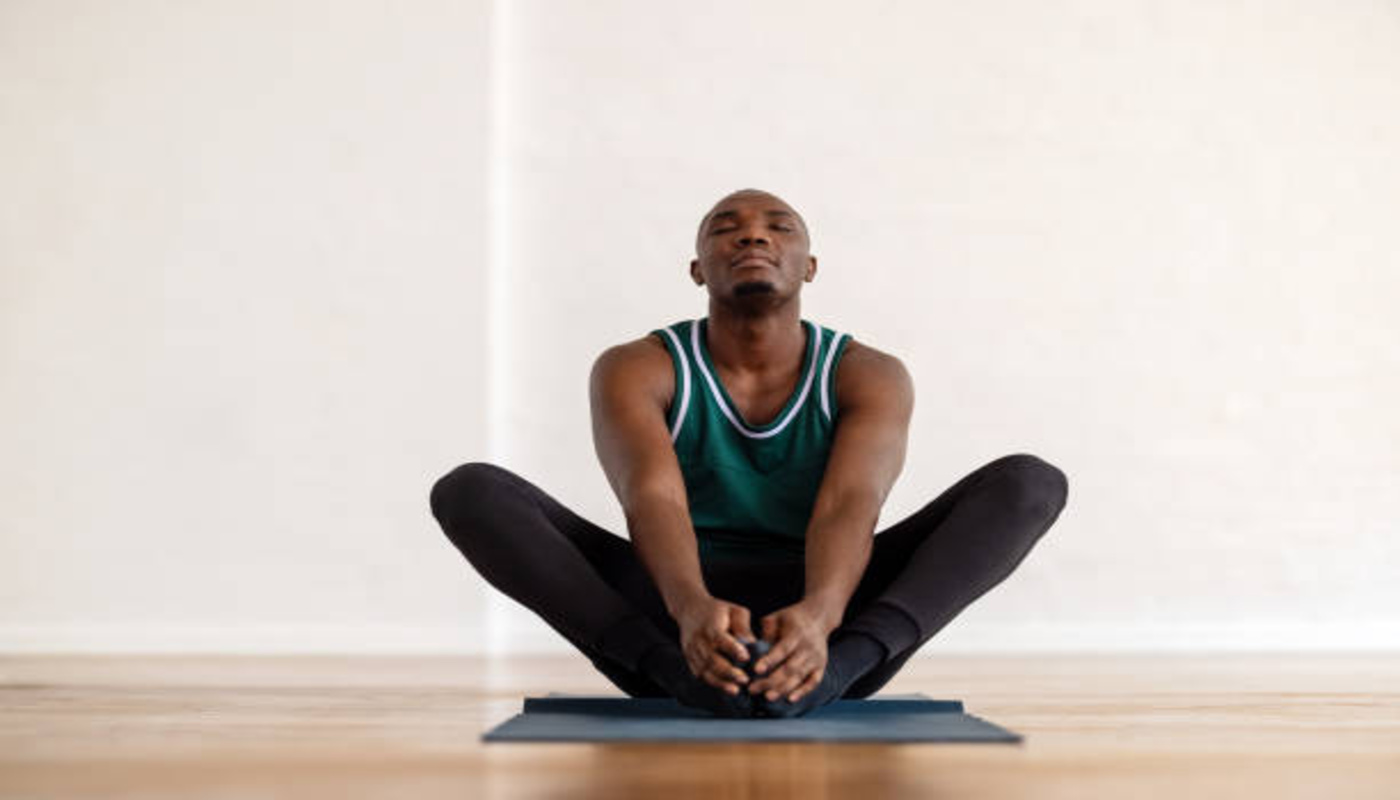
Gentle fitness is less a single method than a cluster of styles and sensibilities. It includes low-impact cardio, mobility flows, beginner yoga, soft Pilates, walking trends, dance-based movement, “cozy cardio,” and “silent walking.” It also includes the presentation of movement: calm voiceovers, non-punitive language, domestic settings, and encouragement centered on consistency rather than visible transformation.
One reason this ecosystem has grown is that it broadens the definition of what fitness content can look like. A creator can share a “lazy girl workout,” a desk stretch routine, a five-minute reset, a low-pressure home workout, or an evening walk ritual, and audiences recognize these as health content even if they do not resemble traditional athletic performance. That expanded visual and emotional vocabulary matters because it reduces the threshold for participation.
The Psychological Appeal of Less Intense Wellness
The popularity of gentle fitness cannot be understood only in physical terms. Its real force is psychological. Many users are not just choosing lower-impact movement. They are choosing a different emotional relationship to effort.
Contemporary life is saturated with optimization. People are encouraged to upgrade their sleep, meals, productivity, relationships, skin, mindset, and bodies all at once. Under those conditions, high-intensity fitness can feel like one more arena of failure. Gentle fitness offers relief from this pressure by lowering the emotional stakes of participation. It says that movement does not need to be heroic to matter. This message can be especially powerful for individuals who associate exercise with shame, surveillance, or inconsistency.
There is also a mental health dimension to routines that emphasize walking, stretching, and rhythmic low-impact movement. Regular physical activity has long been associated with improved mood, lower stress, and a greater sense of well-being. That does not mean every trend delivers healing, but it helps explain why so many users describe gentle movement in affective terms: grounding, calming, regulating, clearing, settling.
A striking feature of TikTok’s gentler fitness culture is its rejection of all-or-nothing logic. Traditional workout culture often implies that if a session is not long, intense, or visibly transformative, it barely counts. Gentle fitness instead validates smaller acts: walking around the block, stretching before bed, dancing for ten minutes, choosing mobility over punishment. Psychologically, this matters because it helps interrupt cycles of perfectionism. If movement counts only when done perfectly, many people quit. If movement counts in modest forms, consistency becomes more possible.
Still, we should resist romanticizing this shift too easily. “Gentle” can itself become another ideal to perform. Users may begin to feel they must cultivate the right aesthetic of recovery, balance, or calm. In other words, the punitive edge of fitness culture can return in softer clothing. The expectation changes shape, but pressure remains. The difference is that one is pressured to be effortlessly well, not aggressively disciplined. That is a meaningful improvement for many people, but it is not complete liberation.
Body Inclusivity and the Politics of Visibility
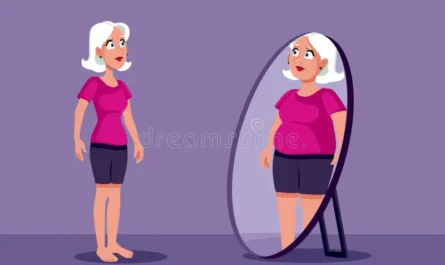
For BodyInclusivity.com, one of the most important dimensions of this trend is how it reshapes who gets to be seen as a valid participant in wellness culture. Gentle fitness has opened space, at least in part, for more varied bodies, capacities, and starting points to appear on-screen without apology.
This is not a total revolution. Social media still privileges conventionally attractive creators and familiar aesthetics. But gentle fitness has made it easier for creators to decenter hyper-athletic imagery and present movement as adaptable. That matters culturally because visibility shapes belonging. When users encounter movement content that does not rely on extremes, they may be more likely to imagine themselves inside the category of “someone who exercises.”
The body politics here are subtle but powerful. Many gentle fitness creators speak in the language of access, routine-building, or self-kindness rather than body correction. Even when they are not explicitly making activist claims, they are often participating in a larger democratization of movement. They challenge the idea that health spaces belong only to the already-fit, already-flexible, already-confident, or already-thin.
This has particular resonance in an era when body image discourse online is increasingly complicated. Social media can function as both a site of support and a site of appearance pressure. Gentle fitness sits inside that ambivalence. On one hand, it can provide softer entry points and reduce intimidation. On the other, it still lives in a visual culture where bodies are watched, compared, and interpreted.
The most culturally meaningful gentle fitness content is therefore not simply soft in tone. It is expansive in implication. It suggests that movement can coexist with rest, with pleasure, with adaptation, and with bodily diversity. It does not require people to earn humanity through exertion. That is where body inclusivity becomes more than a branding gesture. It becomes a different philosophy of wellness.
Global and Cross-Cultural Meanings of Gentle Movement
Although many TikTok trends are discussed as if they originate in a single Anglo-American digital universe, gentle fitness has wider global relevance. Its appeal crosses cultural settings because the pressures it answers are also global: sedentary work, urban stress, rising screen time, mental fatigue, and uneven access to formal fitness infrastructure.
Walking, stretching, and low-cost home movement are especially portable forms of wellness because they do not rely on expensive memberships or specialized equipment. In densely populated cities, walking routines can be tied to neighborhood life, commuting culture, or evening social rhythms. In multigenerational households, short home-based practices may be more feasible than long gym sessions. In societies where women’s public movement is shaped by safety norms or social scrutiny, gentle at-home routines may offer a more accessible entry point into regular physical activity, even while also revealing the constraints under which that accessibility becomes necessary.
Cross-culturally, the rise of gentle fitness also intersects with older movement traditions that TikTok sometimes repackages in contemporary language: mindful walking, breath-centered motion, mobility practices, and forms of low-impact discipline long present in various cultures. What the platform often does is not invent these principles but rename and redistribute them to new audiences. That can increase accessibility, but it also risks flattening history. A movement trend may appear novel online even when it echoes longstanding embodied practices across Asia, Europe, Africa, and Latin America.
Global public health discussions reinforce why this matters. Physical inactivity remains a major concern internationally, and the challenge is not simply convincing people to do elite exercise. It is helping diverse populations integrate sustainable movement into ordinary life. In that context, gentle fitness trends can be culturally important not because they are perfect, but because they create more emotionally and socially workable entry points into movement.
Influencers, Credibility, and the Soft Power of Relatability
TikTok’s gentle fitness culture depends heavily on influencer ecosystems, but not always in the traditional celebrity sense. Often the most trusted creators are those who appear relatable rather than elite. They document routines that fit around school, caregiving, desk jobs, chronic overwhelm, or beginner-level confidence. Their authority comes less from domination and more from recognizability.
That shift has consequences for how credibility is built online. Earlier fitness influencer culture often sold aspiration through expertise, physique, and discipline. Gentle fitness creators more often sell possibility through emotional honesty and habit realism. They say, in effect: this is what I could manage today, and that is enough to begin with. For many users, this feels more trustworthy than grand transformation promises.
Still, influencer culture always carries commercial potential. As gentle fitness gains traction, brands inevitably adapt. Soft mats, walking pads, aesthetic workout sets, low-impact classes, recovery products, and home wellness accessories can all be packaged into a consumable lifestyle. The risk is that a movement culture born partly from accessibility becomes re-stratified by taste and spending power. Once “gentle” becomes a market identity, participation can start to look dependent on the right objects rather than the right permission structure.
This is also where celebrity involvement needs careful handling. When public figures discuss walking, Pilates, recovery, or balanced movement in verified interviews or campaigns, those moments can amplify gentler fitness norms. But the cultural significance lies less in celebrity body narratives and more in how those endorsements normalize non-extreme wellness. The key is to avoid using famous people as speculative case studies about private physical change. More meaningful are documented cultural moments where celebrities publicly frame wellness in terms of routine, mental clarity, sustainability, or balance. In those instances, celebrity discourse can function as a bridge between elite visibility and ordinary practice, helping soft movement appear socially legitimate rather than unserious.
Gentle Fitness as Resistance to Burnout Culture
One of the freshest ways to understand this trend is as a quiet rebellion against burnout. Not a loud political revolt, but a daily refusal to treat the body as an endlessly extractable resource.
Burnout culture teaches people to instrumentalize themselves. Move so you can work harder. Rest so you can be productive again. Eat better so you can optimize output. Even wellness becomes folded into performance economics. Gentle fitness interrupts this logic, at least partially, by insisting that movement can exist for regulation, pleasure, or presence rather than solely productivity.
That does not make it anti-ambition. Many people who practice gentle fitness still have goals. But the tone shifts from domination to collaboration. The body is not framed as an enemy to conquer but as a partner to listen to. In an exhausted world, that reorientation carries emotional force.
The rise of “silent walking” is revealing here. Its appeal lies not only in heart health or step counts, but in the chance to move without layering more content, noise, and stimulation onto the experience. This is significant because it suggests that many users now seek movement experiences that decrease psychic load rather than increase it.
Viewed this way, gentle fitness is not just about doing less. It is about wanting a different quality of attention while moving. That is why it resonates so deeply with people navigating anxiety, digital fatigue, and emotional depletion. It offers a way to be active without becoming more overwhelmed.
The Limits and Contradictions of the Trend
No wellness movement arrives untouched by contradiction, and gentle fitness is no exception. Its inclusivity can be real, but it can also be overstated. A soft-spoken tone does not automatically make content accessible across disability, class, time poverty, or cultural context. Nor does low-impact always mean low-pressure. Trends can quickly harden into expectations.
There is also the issue of oversimplification. TikTok is built for speed and repeatability, which can flatten nuanced health information into slogans. Gentle movement may be beneficial and welcoming, but it is not a cure-all. Some people need more structured or specialized guidance. Others may interpret soft wellness as enough even when broader health support is required.
There is a cultural contradiction, too, in how anti-toxic trends themselves become content economies. Once gentle fitness performs well algorithmically, creators may feel pressure to continuously package vulnerability, calmness, and routine in consumable ways. The result can be a stylized authenticity that still demands labor. Softness becomes another thing to produce.
Yet these contradictions do not cancel the trend’s significance. They simply remind us that cultural shifts are rarely pure. Gentle fitness matters not because it has escaped social media’s distortions, but because it changes what those distortions now have to revolve around. Instead of glorifying punishment quite so openly, platforms increasingly reward language of sustainability, ease, and emotional care. That is not the endpoint of wellness justice, but it is a notable movement in a different direction.
The most important legacy of gentle fitness on TikTok may be that it broadens the cultural imagination of what health and wellness can look like. It encourages a move away from spectacle and toward sustainability, away from punishing universals and toward individualized entry points. It creates room for people who have long felt alienated by mainstream fitness messaging to approach movement with less fear and more curiosity.
Its future influence may extend beyond TikTok itself. Gyms, wellness brands, healthcare communicators, and public health campaigns are increasingly learning that people respond to encouragement framed through realism, flexibility, and emotional safety. If this trend continues, we may see more movement programs designed around accessibility, varied energy levels, and consistency rather than a single ideal body or performance threshold.
Conclusion: A Softer Future for Movement
The rise of gentle fitness on TikTok reveals something profound about this cultural moment: people are no longer interested only in whether movement works, but also in how movement feels. That distinction matters. It reflects a wider demand for wellness practices that are emotionally intelligent, socially inclusive, and realistic enough to survive everyday life. Gentle fitness does not reject health. It reinterprets it through compassion, flexibility, and sustainability.
For health and wellness conversations, this matters deeply. It suggests that the future of fitness may depend less on punishment and more on permission. Less on spectacle and more on steadiness. Less on becoming someone else and more on learning how to live more kindly inside one’s existing body. TikTok, despite all its contradictions, has helped make that possibility visible.
Whether this movement remains genuinely inclusive will depend on how creators, brands, and audiences shape it next. But even now, its cultural significance is clear. Gentle fitness has offered millions of users a new starting point. Not a softer standard of worth, but a softer doorway into movement itself. And in a world defined by exhaustion, that doorway may be one of the most important wellness shifts of all.
Sources: World Health Organization, CDC, American Heart Association, WHO Europe, New York Post, Birmingham City University, arXiv