 by
by Introduction: When “Imperfections” Became Identity
There was a time—not too long ago—when the ultimate beauty goal was invisibility of the real. Skin was expected to be poreless, evenly toned, and untouched by marks that suggested individuality. Freckles were softened under layers of foundation. Texture was blurred into artificial smoothness. The face, in many ways, became a surface to perfect rather than a story to reveal.
Today, that narrative is being rewritten. Freckles are no longer something to conceal; they are being highlighted, even mimicked. Natural skin texture—once edited out of existence—is now visible across campaigns, social feeds, and editorial imagery. The return of these features signals something deeper than a passing aesthetic preference. It reflects a cultural shift in how authenticity, identity, and beauty are understood.
This transformation is not accidental. It has emerged from a complex intersection of digital awareness, psychological fatigue with perfection, evolving social values, and a renewed appreciation for individuality. The return to freckles and natural texture represents a collective reconsideration of what it means to be seen—and what it means to be real.
The Origins of “Flawless Skin” as an Ideal
To understand the cultural return to natural skin, it is essential to examine the forces that once erased it.
The idea of flawless skin has long been tied to social and cultural hierarchies. Historically, smooth and even-toned skin was often associated with privilege, leisure, and controlled environments, while visible texture or pigmentation could be linked—fairly or unfairly—to outdoor labor or lack of refinement. These associations became embedded in beauty standards over time.
With the rise of photography and cinema, these standards intensified. Early visual technologies struggled with shadows and uneven surfaces, leading to makeup techniques that flattened features and minimized texture. As film and advertising evolved, so did the expectation that faces should appear perfect under scrutiny.
The digital era amplified this further. Editing tools made it possible to erase every perceived imperfection with precision. Skin became hyper-smooth, almost synthetic. Freckles, pores, and lines were not just minimized—they were removed entirely.
Over time, this created a visual culture where natural skin was rarely seen. What people encountered daily—in media, advertising, and even personal photos—was an edited version of reality. The absence of freckles and texture was not a reflection of real life, but it became normalized as such.
Digital Awareness and the Backlash Against Perfection
As digital editing became more sophisticated, so did public awareness of its effects.
Audiences began to recognize the gap between curated images and lived reality. This awareness sparked a cultural pushback against hyper-perfection. The same platforms that once promoted filtered images became spaces where those filters were questioned, critiqued, and, in some cases, rejected.
Unedited photos began to gain traction—not because they were flawless, but because they felt honest. Skin with freckles, acne, and visible texture started to appear more frequently, creating a new kind of visual language centered on authenticity.
Freckles, in particular, became symbolic within this shift. Their organic, irregular patterns contrasted sharply with the controlled perfection of edited skin. They could not be standardized or replicated naturally, which made them feel genuine in a digital environment often defined by uniformity.
This cultural moment reflects a broader psychological shift. In a world saturated with curated content, authenticity has become aspirational. What was once hidden is now valued precisely because it is real.
Freckles as a Form of Visual Identity
Freckles occupy a unique position in the conversation about beauty and representation. Unlike many other features, they are deeply individual. No two patterns are identical. They create a kind of visual fingerprint that cannot be easily replicated.
This individuality is central to their cultural return. As beauty standards move away from uniformity, features that emphasize difference are gaining value. Freckles are no longer seen as deviations from an ideal—they are part of what defines a person’s appearance.
The growing popularity of faux freckles highlights this shift. People who do not naturally have freckles are incorporating them into their makeup routines, signaling a reversal of past practices. What was once concealed is now recreated.
However, this transformation also invites reflection. The celebration of freckles today exists alongside a history in which they were stigmatized. Recognizing that history is important in understanding the full cultural significance of their return.
Freckles are not just aesthetic features; they are markers of identity. Their visibility represents a broader acceptance of individuality in a culture that once prioritized sameness.
Embracing Natural Texture: Beyond the Surface
The return of freckles is part of a larger movement toward embracing natural skin texture.
For years, the concept of “flawless skin” dominated beauty narratives, leaving little room for variation. Visible pores, uneven tone, and fine lines were treated as problems to be solved rather than natural aspects of human skin.
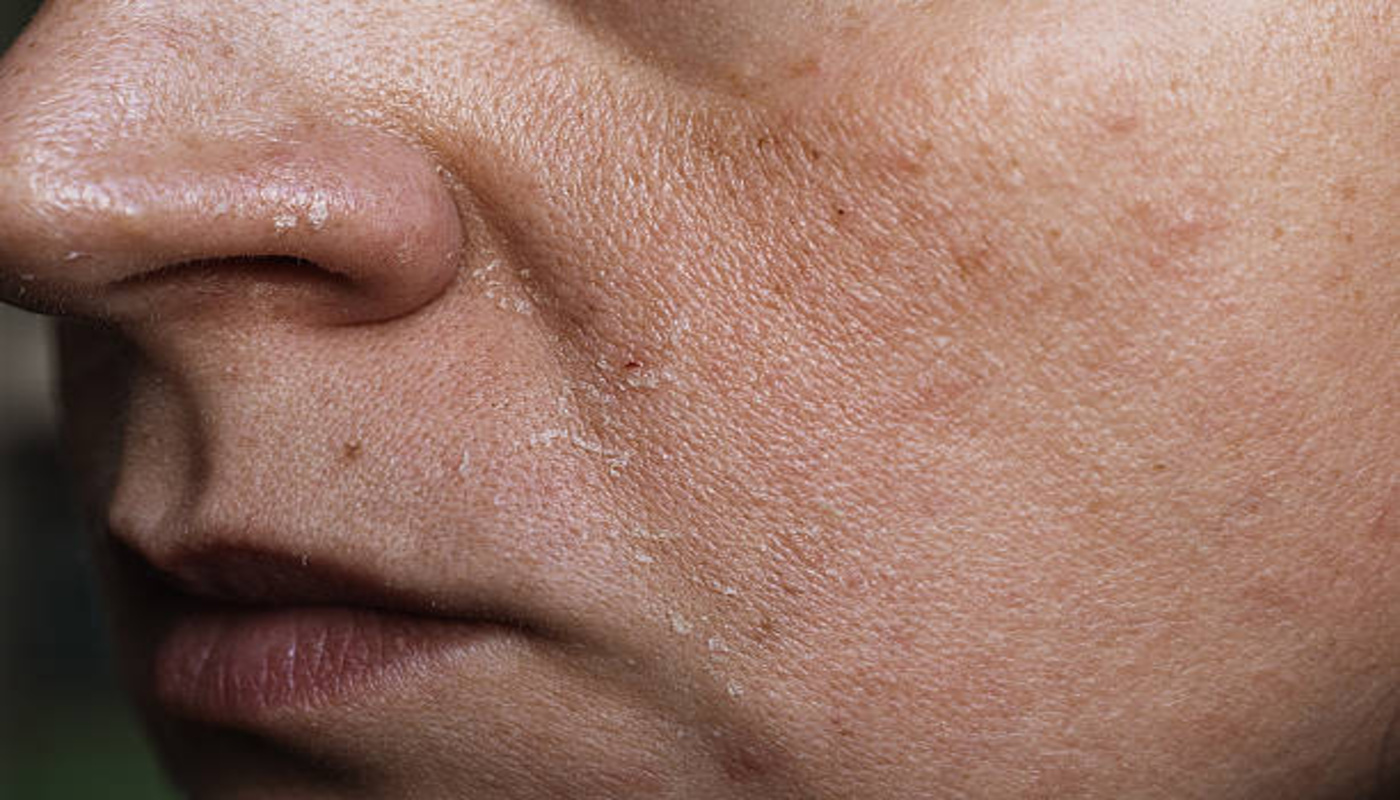
Today, there is a growing recognition that texture is not a flaw—it is a reality. Skin is dynamic. It changes with time, environment, and experience. By acknowledging this, beauty culture is beginning to move toward a more inclusive and realistic framework.
This shift is reflected in both media and product development. Campaigns are increasingly featuring unretouched skin, while brands are reframing their messaging to focus on care rather than correction. The language of beauty is evolving from “fixing” to “supporting.”
Natural texture also carries emotional significance. It represents lived experience—moments of growth, stress, healing, and change. By embracing texture, individuals are reclaiming their narratives from a culture that once sought to erase them.
Psychological Shifts: From Perfection to Acceptance
The cultural return to freckles and natural texture has important psychological implications.
For many people, skin has been a source of insecurity shaped by unrealistic expectations. Constant exposure to edited images can create a sense of inadequacy, reinforcing the idea that natural features are undesirable.
When media begins to reflect more realistic representations, it can disrupt these patterns. Seeing freckles and texture normalized—and even celebrated—can reduce feelings of isolation. It allows individuals to recognize their own features as part of a shared human experience rather than as personal flaws.
This shift also challenges the concept of perfection itself. Instead of striving for an unattainable ideal, there is a growing emphasis on acceptance. Beauty becomes less about transformation and more about recognition—seeing oneself clearly and without distortion.
However, this transition is complex. Old standards do not disappear overnight. They coexist with new ones, creating a layered and sometimes contradictory landscape. Navigating this space requires critical awareness and a willingness to question long-held assumptions about beauty.
The Influence of Public Figures and Campaign Visibility
The cultural shift toward natural skin has been reinforced by visible moments in media and fashion where public figures have embraced minimal retouching and authentic presentation.
Campaigns featuring natural skin—where freckles remain visible and texture is not digitally erased—have had a significant impact. These images reach wide audiences and challenge long-standing visual norms. They demonstrate that beauty does not require perfection to be compelling.
Public figures who choose to appear with minimal makeup or reduced editing contribute to this narrative. Their visibility helps legitimize natural features within mainstream culture. It signals that authenticity is not only acceptable but valuable.
These moments are particularly influential because they occur within spaces that have historically promoted perfection. When authenticity appears in those spaces, it carries a different kind of weight. It suggests that the industry itself is beginning to shift, even if gradually.
Cross-Cultural Perspectives on Skin and Authenticity
The return to freckles and natural texture is not uniform across cultures. Its meaning varies depending on historical and social contexts.
In some Western settings, freckles are now associated with individuality and youthfulness. In regions where beauty standards have long emphasized smooth, even-toned skin, the acceptance of texture represents a more subtle shift.
In many parts of the world, conversations about skin are deeply connected to broader issues such as colorism and representation. The emphasis on natural texture adds another layer to these discussions, challenging not only how skin looks but how it is valued.
Globally, the movement toward natural skin reflects a shared desire to move beyond rigid standards. However, it is important to recognize that this shift does not occur in the same way everywhere. Cultural nuance plays a crucial role in shaping how these changes are experienced and understood.
Social Media and the Performance of “Realness”
Social media has played a central role in the return of freckles and natural texture.
Platforms that once promoted highly edited images are now spaces where authenticity is performed and celebrated. Trends that highlight unfiltered skin, casual routines, and minimal makeup have gained widespread popularity.
However, even authenticity can become curated. The “natural” look is often carefully constructed, blending effort with the appearance of effortlessness. This creates a paradox where realness itself becomes an aesthetic.
This does not diminish the value of these trends, but it highlights their complexity. The return to natural skin exists within a digital environment that is inherently performative. Understanding this helps contextualize the movement, allowing for a more nuanced perspective.
Industry Evolution: Between Progress and Contradiction
The beauty industry is both shaping and responding to this cultural shift.
On one hand, there is clear progress. Campaigns featuring unretouched skin are becoming more common. Messaging is shifting toward inclusivity and authenticity. Products are being designed to enhance rather than conceal.
On the other hand, traditional ideals persist. The promise of flawless skin continues to be marketed, often alongside campaigns that celebrate imperfection. This duality reflects the transitional nature of the current moment.
The industry is evolving, but it has not fully moved away from its past. This creates a space where multiple narratives coexist, sometimes in tension with one another.
Another dimension of this cultural return lies in its quiet resistance to consumer pressure. For years, the beauty industry thrived on the promise of transformation—encouraging individuals to buy products that would conceal, correct, or “improve” their natural skin. Freckles were softened with coverage products, and texture was treated with layers of skincare designed to erase any irregularity. The growing acceptance of natural skin subtly disrupts this cycle. When individuals begin to see value in what already exists, the urgency to constantly fix or change diminishes. This does not mean people stop engaging with beauty products, but rather that their relationship with those products shifts. Instead of seeking transformation, they may seek enhancement or care. This shift has broader cultural implications, challenging the idea that self-worth must be tied to continuous consumption. It introduces the possibility that confidence can exist independently of correction. In this sense, the visibility of freckles and texture becomes more than aesthetic—it becomes a form of resistance against narratives that equate beauty with constant improvement.
There is also a generational aspect to this transformation that is shaping how it unfolds. Younger audiences, particularly those who have grown up within digital ecosystems, are increasingly skeptical of traditional beauty ideals. Having been exposed to both highly edited content and the conversations critiquing it, they are more attuned to the constructed nature of visual perfection. This awareness influences their preferences, pushing them toward representations that feel more honest and relatable. Freckles and natural texture fit into this preference because they signal authenticity in a way that overly polished imagery cannot. At the same time, this generation is highly expressive, using beauty as a tool for identity rather than conformity. The choice to reveal or even emphasize natural features becomes intentional—a way of communicating values rather than simply following trends. This generational shift is significant because it shapes the future direction of the industry. As these audiences gain more influence, their preferences are likely to continue pushing beauty culture toward greater transparency and inclusivity.
The return to natural skin also intersects with broader conversations about time, aging, and acceptance. Texture is not static—it evolves throughout a person’s life. Fine lines, changes in tone, and variations in skin are all part of this process. By embracing texture, beauty culture is beginning to make space for these changes rather than framing them as problems to solve. This has the potential to shift how aging is perceived, moving away from fear-based narratives toward a more balanced understanding. Freckles, too, can change over time, becoming more pronounced or fading depending on environmental factors. Their visibility reinforces the idea that skin is dynamic rather than fixed. This perspective encourages a more fluid relationship with appearance, one that allows for change without attaching negative value to it. While this shift is still emerging, it represents an important step toward a more inclusive understanding of beauty—one that acknowledges the natural progression of life rather than resisting it.
Finally, the cultural embrace of freckles and natural texture opens up new possibilities for storytelling within fashion and media. When skin is no longer treated as a blank canvas to be perfected, it becomes a narrative element in itself. Freckles can suggest individuality, environment, and lived experience. Texture can convey realism, emotion, and presence. This adds depth to visual storytelling, allowing images to feel more grounded and relatable. For photographers, stylists, and creatives, this shift offers a different kind of creative freedom—one that values authenticity over illusion. It challenges them to work with reality rather than against it, finding beauty in what already exists rather than constructing it artificially. For audiences, this results in imagery that feels more human, more accessible, and more emotionally resonant. In this way, the return to natural skin is not just changing how people look in images—it is changing how those images feel, creating a visual culture that is richer, more nuanced, and more connected to real life.
Conclusion: Redefining Beauty Through Visibility
The cultural return to freckles and natural texture is more than a trend—it is a redefinition of visibility. It challenges the idea that beauty must be perfected, controlled, or uniform. Instead, it embraces the complexity and individuality of real skin.
This shift reflects a broader cultural movement toward authenticity. It acknowledges that what was once erased holds value—not despite its difference, but because of it.
The future of this movement will depend on how it evolves. Will authenticity remain a core value, or will it become another aesthetic to replicate? Will representation continue to expand, or will it settle into familiar patterns?
What remains clear is that the conversation has changed. Freckles and natural texture are no longer hidden—they are part of the narrative.
In that visibility lies a powerful possibility: a beauty culture that does not ask people to erase themselves, but instead allows them to exist fully, exactly as they are.
Sources: Vogue, Allure, The Guardian, Business of Fashion, Harper’s Bazaar