 by
by Beyond Tradition: The New Language of South Asian Bridal Beauty
There is perhaps no visual ritual in South Asian culture more anticipated, documented, analyzed, and emotionally charged than bridal beauty.
From the first shopping lists to pre-wedding photographs, from family WhatsApp groups to global social media feeds, the South Asian bride occupies a symbolic position far larger than an individual preparing for marriage. She often becomes a vessel for heritage, aspiration, family identity, femininity, social mobility, aesthetics, and increasingly—self-expression.
Yet bridal beauty in South Asia has never been static.
The image many people imagine today—a heavily embellished red lehenga, immaculate full-coverage makeup, elaborate jewelry layering, and polished photographs—is itself the product of decades of evolution influenced by cinema, migration, beauty industries, class structures, colonial legacies, digital culture, and changing ideas of womanhood.
Across Pakistan, India, Bangladesh, Nepal, Sri Lanka, and South Asian diaspora communities worldwide, bridal aesthetics are shifting in ways that reveal larger cultural transformations. Brides are questioning inherited expectations. Makeup artists are redefining beauty standards. Designers are experimenting with silhouettes and color stories. Social media has amplified both creative freedom and new forms of pressure.
This evolution is not simply about trends.
It reflects changing conversations about identity, visibility, inclusion, and who gets to define what a “beautiful bride” looks like.
Bridal Beauty and the Growing Demand for Authentic Photography
Another important evolution shaping South Asian bridal beauty is the changing relationship between beauty and documentation. Weddings today are photographed, filmed, edited, reposted, archived, and revisited more than at any other point in history. As a result, bridal beauty is no longer experienced only in the moment—it is designed with digital memory in mind. Yet an interesting countertrend has emerged. Many brides are increasingly requesting photography that captures emotion rather than perfection. Visible laughter, movement, tears, texture, and candid interactions are becoming desirable rather than imperfections to remove. This reflects a broader cultural fatigue with hyper-curated aesthetics that once dominated wedding media. Photographers and beauty professionals are responding by emphasizing natural lighting, skin texture, softer editing, and documentary-style storytelling. The shift suggests that bridal beauty is becoming less about producing flawless visual evidence and more about preserving emotional truth. In this model, beauty does not disappear, but it becomes connected to memory and presence rather than unattainable polish. Weddings become less of a performance for future viewers and more of an experience that remains recognizable to the people who lived it.
The Influence of Women-Owned Beauty Businesses on Bridal Culture
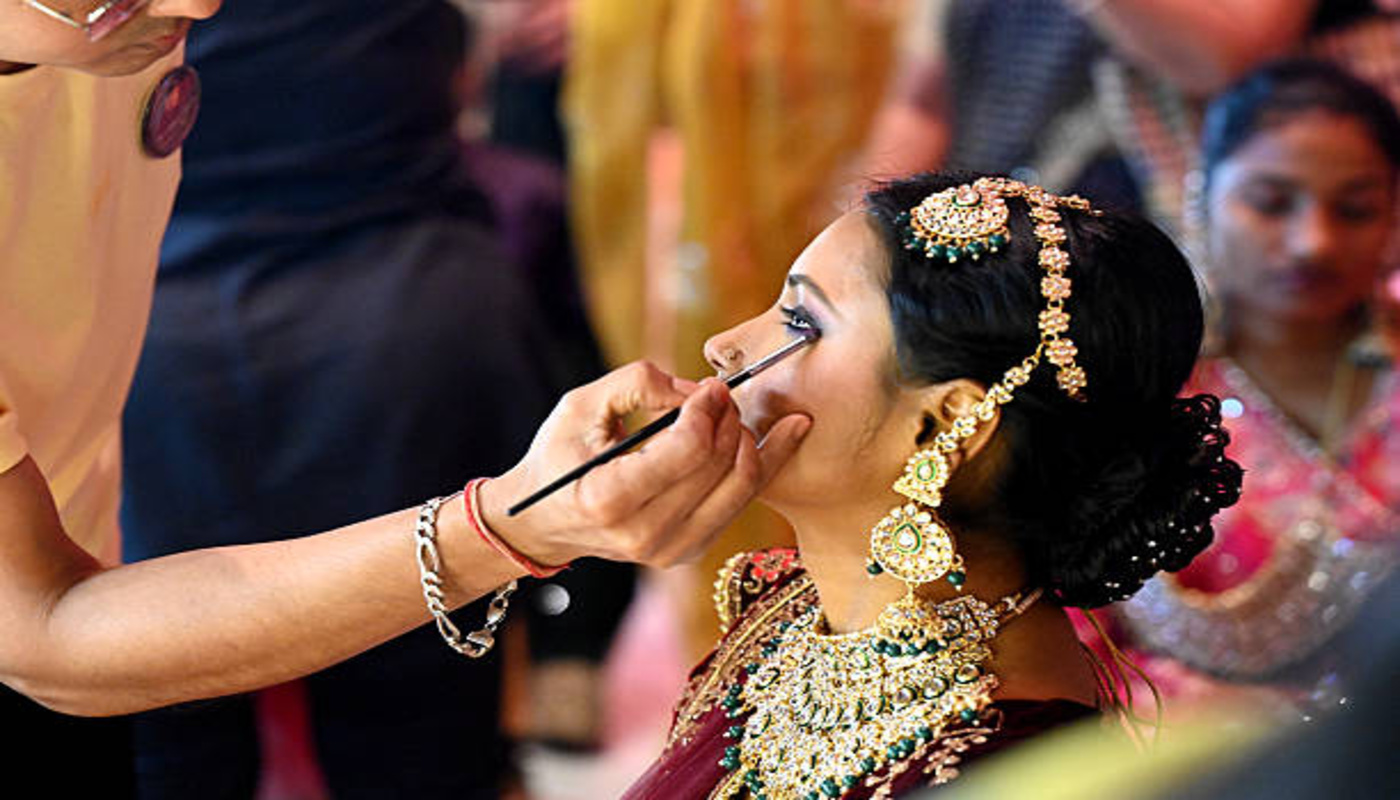
The evolution of South Asian bridal beauty is also connected to who is creating it. Across major cities and diaspora communities, women-led businesses in makeup artistry, styling, skincare, jewelry design, and bridal consultation have transformed the industry. These professionals are not simply providing services; they are shaping conversations around confidence, identity, and cultural presentation. Many contemporary bridal artists emphasize consultation and collaboration rather than imposing signature looks. Brides are increasingly encouraged to discuss comfort levels, aesthetic preferences, ceremony requirements, and personal meaning before finalizing styling decisions. This has altered the power dynamic of beauty preparation. Rather than entering a process where transformation is expected, brides often become active participants in creative decisions. Women entrepreneurs have also expanded bridal representation by showcasing clients from varied backgrounds and visual identities. Their work contributes to a broader understanding that bridal beauty does not need to conform to one historical template to feel elegant or culturally meaningful. Through this shift, beauty becomes a creative partnership rather than a standardized outcome.
Bridal Beauty Across Generations: Negotiation Rather Than Conflict
Popular narratives often frame modern bridal choices as rebellion against older traditions, but reality is usually more layered. In many South Asian families, bridal beauty decisions emerge through conversation rather than conflict. Mothers and grandmothers frequently become collaborators, sharing rituals, heirlooms, and emotional guidance while younger generations reinterpret aesthetics through contemporary values. This intergenerational exchange reveals something important about cultural continuity. Traditions rarely survive because they remain unchanged; they survive because people continue assigning meaning to them. A bride who wears inherited jewelry with modern tailoring is not necessarily rejecting heritage. She may be creating a bridge between memory and present identity. Likewise, families who adapt expectations often do so out of care rather than abandonment of values. These negotiations show how beauty can become a language of relationship. Wedding preparation turns into an opportunity to exchange stories, revisit family histories, and redefine rituals together. The result is often not traditional or modern—but something uniquely reflective of multiple generations existing in dialogue.
Redefining the Bridal Glow: From Appearance to Experience
For years, phrases like “bridal glow” were treated primarily as visual outcomes tied to appearance and presentation. Increasingly, however, bridal conversations are expanding the meaning of that expression. Many brides now describe feeling most beautiful not because of external transformation but because of emotional connection to the experience itself. Time with family, meaningful rituals, thoughtful preparation, supportive friendships, and moments of reflection are becoming part of what beauty means during weddings. This reframing matters because it changes where value is placed. Rather than seeing bridal beauty as a final reveal dependent on visual perfection, the focus shifts toward how someone experiences the transition emotionally and culturally. Beauty becomes linked to comfort, confidence, joy, and recognition rather than comparison. This perspective does not reject glamour or artistry—it places them within a larger human experience. In doing so, South Asian bridal culture may be moving toward a more expansive understanding of elegance: one that values feeling present in the moment as much as appearing beautiful within it.
Bridal Beauty as Cultural Memory
In South Asia, weddings are rarely individual events. They are intergenerational ceremonies carrying collective meaning.
Historically, bridal presentation communicated values beyond appearance.
Color choices reflected symbolism. Red often represented prosperity, celebration, and transition. Gold jewelry signaled heritage and continuity. Intricate adornment reflected craftsmanship and familial investment. Bridal rituals themselves became performances of belonging.
Beauty preparation was similarly communal.
Women in families gathered for turmeric ceremonies, oil traditions, mehndi application, hair rituals, and storytelling. Knowledge moved informally—from mothers, grandmothers, aunts, and community networks.
This mattered because bridal beauty was never purely cosmetic.
It served emotional and social functions:
- marking transition into adulthood,
- strengthening community bonds,
- expressing family identity,
- preserving regional traditions.
But preserving tradition has never meant resisting change.
Every generation reshapes what continuity looks like.
Colonial Histories and the Construction of Bridal Ideals
To understand today’s bridal evolution, it helps to recognize that many modern beauty expectations were influenced by historical forces.
Colonial systems across South Asia altered local aesthetics in subtle but lasting ways.
Ideas around refinement, complexion hierarchy, grooming practices, and presentation increasingly became linked to class and colonial ideals. Photography studios during the late nineteenth and twentieth centuries further standardized visual expectations.
By the time cinema expanded across South Asia, these influences accelerated.
Film industries transformed bridal imagery into aspiration.
Classic wedding scenes created recognizable formulas:
- flawless skin,
- symmetrical features,
- dramatic eye makeup,
- elaborate styling,
- controlled expressions.
These portrayals became reference points not because they reflected everyday weddings but because they represented idealized cultural fantasies.
Over time, many brides began measuring themselves against edited, cinematic standards rather than lived traditions.
Today’s evolution partly reflects an attempt to reclaim bridal beauty from rigid templates.
The Rise of the Individual Bride
One of the most visible changes across contemporary South Asian weddings is personalization.
Brides increasingly ask:
“What actually feels like me?”
That question seems simple, yet culturally it represents a major shift.
Previous generations often approached bridal preparation collectively—family decisions shaped attire, jewelry, venue, and presentation.
Now many brides approach weddings as opportunities to communicate identity.
This has created noticeable changes:
- selecting colors outside traditional palettes,
- embracing personal makeup preferences,
- incorporating cultural hybridity,
- choosing comfort alongside grandeur,
- prioritizing emotional authenticity over perfection.
Some brides still choose classic aesthetics.
Others combine traditions.
A bride may wear heirloom jewelry with minimalist makeup.
Another may choose traditional garments but skip dramatic contouring.
Another may blend South Asian rituals with global bridal aesthetics.
The important shift is not abandoning tradition.
It is moving from obligation toward intentionality.
Social Media Changed Bridal Beauty Forever
If cinema once shaped bridal imagination, social media transformed it into an interactive experience.
Platforms filled with wedding reels, bridal tutorials, makeup transformations, and professional photography have democratized inspiration.
Brides now see:
- weddings across countries,
- regional aesthetics,
- real-time makeup techniques,
- styling experimentation,
- representation beyond local communities.
This visibility created exciting possibilities.
A bride in Karachi can draw inspiration from London, Toronto, Dhaka, Delhi, or Dubai.
Diaspora communities can reconnect with heritage while modernizing presentation.
Artists can showcase styles previously excluded from mainstream bridal media.
But expanded visibility introduced new pressures.
Brides increasingly navigate:
- comparison culture,
- performance anxiety,
- image perfection,
- pressure to appear photogenic at all times,
- fear of being “too traditional” or “not traditional enough.”
Bridal beauty became more public than ever before.
The wedding album turned into continuous digital documentation.
Celebrity Brides and the Shift Toward Soft Glamour
Celebrity weddings often influence bridal aesthetics because they become collective cultural moments.
Yet recent shifts reveal something more interesting than trend imitation.
Several widely discussed South Asian celebrity bridal looks moved away from maximal transformation and toward refined styling.
Public conversations around celebrity weddings increasingly celebrated qualities such as:
- looking recognizable,
- balanced makeup,
- emotional presence,
- cultural authenticity,
- softer finishes.
These moments mattered because they subtly challenged the long-standing assumption that bridal beauty requires becoming visually unrecognizable.
Instead, audiences increasingly responded positively to bridal presentations that emphasized continuity with everyday identity.
This shift also influenced professional makeup industries.
Many artists now market concepts such as:
- skin-focused finishes,
- soft bridal glam,
- individualized color matching,
- enhancement rather than concealment.
The language itself reflects changing values.
The New Relationship Between Bridal Beauty and Body Inclusivity
Body inclusivity conversations are beginning to reshape bridal culture in important ways.
Historically, bridal imagery often presented narrow standards:
- limited skin tone representation,
- restricted facial aesthetics,
- highly standardized posing,
- uniform styling approaches.
Today, more brides and creators are questioning those assumptions.
Inclusive bridal beauty increasingly includes:
Representation Across Skin Tones
More artists emphasize complexion matching rather than aesthetic lightening.
Brides are increasingly celebrating regional undertones and personalized color stories.
Diverse Facial Styling
Instead of forcing universal makeup structures, artists are adapting techniques to individual features.
Comfort and Wearability
Bridal styling discussions increasingly include movement, energy, and emotional ease.
Expanded Bridal Narratives
Beauty is becoming less about fitting one visual mold and more about creating meaningful presentation.
This shift remains uneven and incomplete.
But it reflects broader cultural conversations about belonging and visibility.
South Asian Diaspora Brides Are Creating New Traditions
Perhaps some of the most interesting bridal innovation is emerging outside South Asia.
Diaspora communities often negotiate multiple identities simultaneously.
Their weddings become spaces of cultural translation.
A British Pakistani bride may incorporate family jewelry with contemporary tailoring.
An Indian American ceremony may combine multiple cultural rituals.
A Bangladeshi Canadian bride may reinterpret traditional colors through modern silhouettes.
These choices are often misunderstood as cultural departure.
In reality, many represent acts of preservation.
Diaspora brides frequently engage deeply with symbolism while adapting aesthetics to their lived experiences.
This evolution shows something important:
Tradition survives not by remaining untouched—but by remaining meaningful.
Bridal Beauty Is Becoming More Regionally Curious
For years, wedding industries often promoted broad “South Asian bridal” categories.
Today there is renewed appreciation for regional specificity.
Brides increasingly explore:
- Sindhi traditions,
- Punjabi bridal heritage,
- Bengali aesthetics,
- Kashmiri details,
- Tamil influences,
- Gujarati craftsmanship,
- Pashtun jewelry histories,
- Sri Lankan ceremonial styles.
Regional exploration creates richer cultural storytelling.
It also resists flattening South Asian identity into one visual formula.
Beauty becomes connected not simply to trends—but to memory, migration, language, and place.
The Psychology of Bridal Visibility
Bridal beauty carries emotional complexity rarely discussed openly.
Weddings place unusual levels of observation on one person.
Brides may experience excitement alongside vulnerability.
Questions emerge:
Will I look like myself?
Will photographs age well?
Will everyone approve?
Will I regret my choices?
Modern bridal evolution increasingly recognizes emotional experience as part of beauty preparation.
Some makeup professionals now emphasize:
- consultation conversations,
- expectation management,
- identity-centered styling,
- comfort during long ceremonies.
This matters because confidence rarely comes from aesthetic perfection alone.
It often comes from recognition.
Feeling seen matters more than feeling transformed.
Sustainability Is Quietly Entering Bridal Beauty
Another emerging change is sustainability.
Brides increasingly question consumption patterns around weddings.
This includes:
- rewearable garments,
- heirloom jewelry,
- versatile makeup approaches,
- reduced waste,
- investment in craftsmanship.
Beauty itself becomes less disposable.
Rather than creating one-time visual moments, some brides seek pieces and rituals that remain meaningful after the event.
This shift reflects broader conversations about intentional celebration.
Men, Families, and Shared Beauty Expectations
Bridal beauty conversations are also expanding beyond the bride.
Families increasingly discuss emotional labor, aesthetics, budgets, and expectations more collaboratively.
Meanwhile, grooms and wedding parties participate more actively in styling and presentation.
This broader participation changes bridal dynamics.
When weddings become collective celebrations rather than evaluations of one person’s appearance, beauty pressure can soften.
That does not remove expectations entirely.
But it redistributes attention.
Technology, AI, and the Future Bridal Imagination
Digital tools continue reshaping bridal experiences.
Virtual consultations, beauty simulations, online mood boards, and global inspiration networks make experimentation easier.
Yet technology raises new questions.
If filters become default references, how do brides maintain realistic expectations?
If photographs become increasingly edited, what happens to memory?
Future bridal culture may depend on balancing creativity with authenticity.
The strongest beauty movements often emerge not from rejecting technology—but from using it intentionally.
The Future of South Asian Bridal Beauty
South Asian bridal beauty is not becoming less traditional.
It is becoming more conversational.
Brides today are negotiating questions previous generations rarely had the opportunity to ask:
Which rituals matter to me?
What parts of tradition feel meaningful?
What aesthetics reflect my identity?
How do I honor family without disappearing inside expectation?
The answers will vary.
Some brides will choose maximalist heritage.
Others will choose minimalism.
Some will reinterpret rituals.
Others will preserve them exactly.
That diversity is not fragmentation.
It is evidence that bridal culture remains alive.
The future of South Asian bridal beauty may not be defined by one dominant look or one ideal face.
Instead, it may be defined by flexibility—the ability for beauty to hold tradition and individuality at once.
And perhaps that is the most enduring form of elegance: not becoming someone else for the wedding day, but creating enough space for culture and selfhood to stand beside each other.
Conclusion
South Asian bridal beauty has always been more than appearance. It is a language through which communities communicate values, memory, belonging, and transformation. What is changing today is not the importance of beauty but the authority behind it.
Brides increasingly participate in shaping their own narratives rather than inheriting a single script.
The evolving bridal landscape reveals something larger about contemporary South Asian culture: people are not necessarily rejecting tradition—they are renegotiating it. Through personalization, regional rediscovery, inclusive aesthetics, and global influence, bridal beauty is becoming less about achieving one universal ideal and more about creating meaningful representation.
As future generations continue to redefine ceremonies, aesthetics, and expectations, the most powerful bridal evolution may not be visual at all.
It may be the growing permission to appear at one’s own wedding not as an archetype—but as a whole person.
Sources: Vogue India, Vogue Arabia, Harper’s Bazaar India, Brides, The Guardian, BBC, The New York Times, Refinery29, Allure, Architectural Digest India, The Business of Fashion, Elle India