 by
by I
n a world where first impressions carry weight, clothing has become more than just fabric stitched together. It is a form of expression, a cultural signal, and often — a mirror reflecting how we feel about ourselves. Yet, for many people, one specific aspect of clothing — the size on the label — can wield disproportionate influence over self-image, confidence, and even mental well-being.This article explores why clothing sizes impact self-image, how this effect manifests in everyday life, and practical strategies to shift focus away from arbitrary numbers toward true self-acceptance and style empowerment.
1. What Clothing Sizes Really Are (and What They Aren’t)
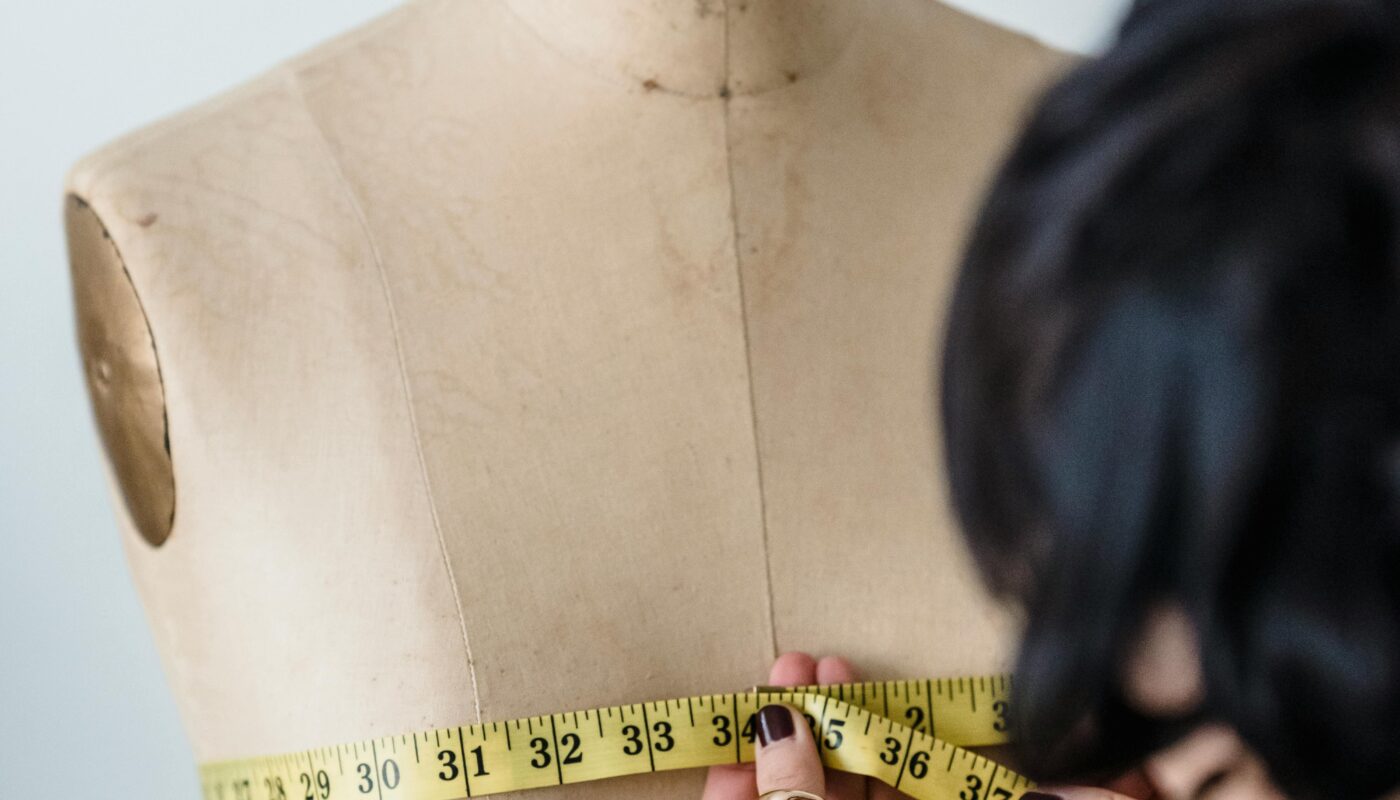
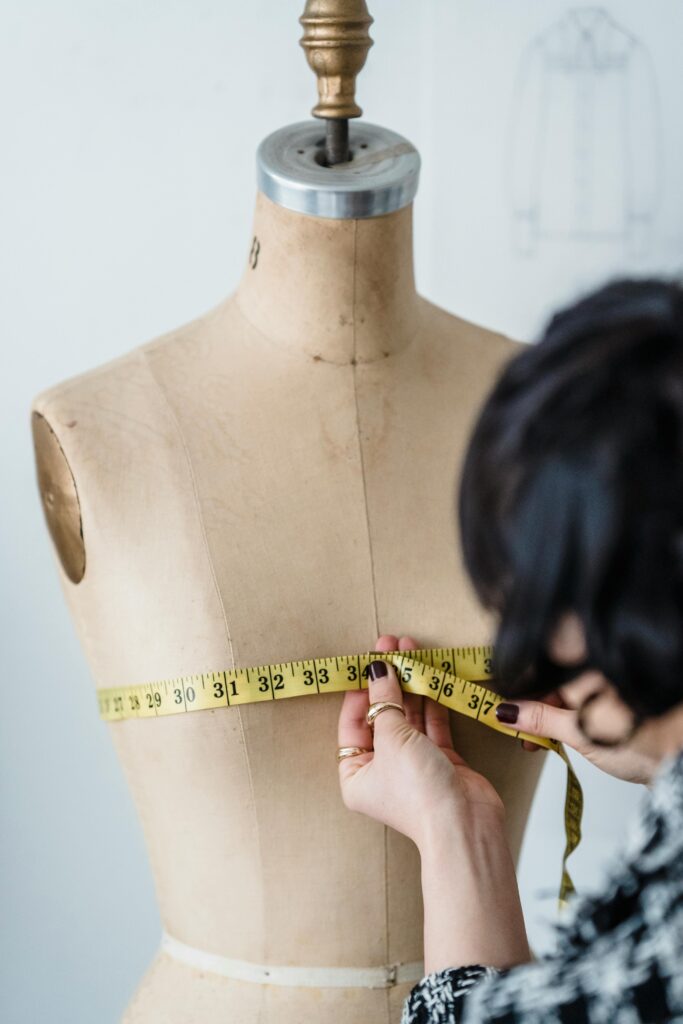
At a basic level, a clothing size is just a tag — a number or letter assigned by a brand’s internal system. However:There is no global standard: A size “8” in one brand could be a “12” in another. A “Large” in one country may equate to “Medium” elsewhere.The number doesn’t define your body: Clothing sizes are derived from general body dimensions, but they don’t adjust for unique body proportions — like waist-to-hip ratio, torso length, shoulder width, or muscle mass.Sizing is historically arbitrary: Most modern sizing systems were designed decades ago with little scientific basis and often exclude a diverse range of body types.Despite all this, many of us internalize these labels as measures of self-worth.
2. How Clothing Sizes Shape Self-Image
Clothing sizes affect self-image in subtle and profound ways. Here’s how:
A. Clothing Sizes as Social Signals
From teenage years onward, clothing becomes a way of signaling belonging — to a subculture, social group, or aesthetic ideal. This creates pressure:Smaller sizes often equate with attractiveness in media portrayals.Larger sizes can be stigmatized, even when healthy.This social bias infiltrates our self-perception, leading many to subconsciously treat size as a badge of desirability or discipline.
B. Emotional Responses to Size Labels
Sizes can trigger intense emotional reactions:Joy, relief, or pride when a size feels “good” or fits expectations.Anxiety, shame, or disappointment when a size is “bigger than expected.”These emotional responses are not necessarily rational — they stem from years of social conditioning.
C. The Scale Effect
Although clothing size is unrelated to health or character, many people link it directly to:BeautySuccessSelf-controlWorthinessThis can lead to patterns such as:Obsessive clothing trials. Mood swings tied to how clothes fit. Avoidance of mirrors, photos, or specific clothing stores
3. The Psychological Toll of Size-Driven Self-Image
Clothing size obsession is not just superficial — it can have real mental health consequences.A. Body Dissatisfaction. When self-worth is tied to a number, even small fluctuations in weight or fit can:Trigger negative thoughts. Erode confidence Reinforce self-criticism. This dissatisfaction is not about how someone looks — it’s about how they feel about themselves when they view that number.B. Anxiety and Avoidance People may avoid:Shopping entirely. Trying new styles. Social settings where they feel “judged”This avoidance limits not only fashion exploration but experiences, social connections, and expression.C. Disordered Eating Patterns. For some individuals, fixation on clothing size can contribute to unhealthy eating behaviors, extreme dieting, or rigid body image standards. These habits emerge from attempting to make the “size number” match an idealized internal image.
4. Why We Fall Into the Size Mindset
Understanding why sizing has power helps us dismantle this influence.A. Cultural Conditioning. From early adolescence, many people internalize messages like:“Smaller is better.”“Eat less to look good.”“Your weight defines your attractiveness.”These concepts are reinforced through:MediaAdvertisingPeer comparison. Celebrity culture B. The Shopping Experience Retail environments can feed negative self-image:Clothes that don’t fit may make a person feel “too big” or “not right”Mirrors in stores can distort reflection and perception Limited size ranges can make individuals feel excluded or abnormal These experiences contribute to a mindset that fit equals worth.C. Comparison Culture In a connected world, social media constantly showcases curated bodies:“Perfect” outfits Lean frames Idealized proportions. This normalizes a narrow set of body types and margins of size, making anything outside that range feel less “beautiful” or acceptable.
5. The Implicit Messages Behind Size LabelsLet’s unpack some common, damaging internal messages that sizes communicate — and why they’re flawed.Internal Message | Reality Check“If I wear a smaller size, I’ll be happier.” | Happiness isn’t determined by clothing size — but by how you feel in your clothes and life.“Larger sizes are unattractive.” | Attractiveness is subjective, diverse, and not defined by a tag.“I have to shrink for others to like me.” | People value confidence, style, authenticity — not arbitrary numbers.“Sizes measure discipline.” | Discipline and health are not tied to a clothing label.
6. The Role of Fashion and Retail in Reinforcing Size Norms
Fashion itself can either reinforce size stigma or help dismantle it. Unfortunately:Many brands offer limited size rangesEditorial campaigns favor narrow body typesRunway fashion often excludes diverse shapesHowever, the landscape is changing.Brands that embrace inclusive sizing are challenging:Traditional beauty standardsOne-size-fits-most mentalityStigma around size diversityThis shift shows consumers and designers alike that fashion should celebrate all bodies.
7. How to Break the Cycle:
A Mindful and Empowered Approach
If clothing sizes have negatively affected your self-image, the good news is: you can break the cycle.Here’s how. A. Reframe What “Fit” MeansInstead of asking:“Does this fit my size number?”Ask:“Does this garment make me feel comfortable and confident?”“Does this align with my personal style?”Focus on feelings and experience — not numbers.
B. Focus on Functional Comfort
How clothes work with your body matters more than the number on the label:Does it move with you?Does it flatter your unique shape?Is the material comfortable?These questions are far more valuable than size metrics.
C. Expand Your Style Vocabulary
Experiment with:Different fits (oversized, tailored, structured)Colors that uplift your moodProportions that reflect your personal aestheticLet creativity — not size — drive style choices.
D. Ditch the “Size for Mood” Trap
Many people treat clothing size like an emotional trophy:“I’ll be happy when I fit into this size.”“I’ll celebrate when I wear a smaller size.”Instead, choose to celebrate your achievements independent of size:Completed a projectImproved mental healthThriving relationshipsFitness gains that are not about weightMake your joy about life — not labels.
E. Practice Mirror and Self-Talk Exercises
When you catch yourself thinking:“I wish I were smaller”“This size makes me feel awful”Pause and replace with:“I am worthy as I am.”“My body serves me every day.”“This outfit expresses who I am.”Self-talk reshapes your internal narrative — and your self-image. F. Shop with intent, not emotion
Avoid shopping when you feel vulnerable or self-critical. Plan purchases when you feel:CalmCreativeConfidentThis helps reduce impulse buys driven by self-doubt.
G. Choose Inclusive Brands (When Possible)Supporting fashion that includes broader size ranges sends a message that:All bodies matter. Size diversity is normal. Style isn’t exclusive. But more importantly, it reinforces to you that beauty isn’t limited by numbers. 8. Real People, Real Change: Stories That Inspire. Many people have transformed their relationship with clothing sizes — and in the process, their confidence and self-image blossomed.Story A: From Size Fixation to Style FreedomAnna, 28:“For years I refused to shop unless I was a size 4. When I hit a ‘size 6,’ I felt defeated — even though I looked great. Eventually, I realized the number had nothing to do with how I wanted to express myself. I started choosing clothes that made me feel like me. It was freeing.”Story B: Redefining Self-Worth Beyond LabelsJames, 35:“Growing up, I thought only people with certain builds could be stylish. Shopping was anxiety-inducing. When I began focusing on fit and comfort, not size, I realized I had been renting my happiness from a label that never belonged to me.”These stories show that shift is possible — and it starts with changing inner dialogue.
9. The Bigger Picture: Embracing Body Diversity
When we detach self-worth from clothing sizes, we contribute to broader cultural change:Normalizing Body DiversityWhen all bodies are embraced in fashion and media, fewer people internalize stigmas.Detaching Value from MetricsNumbers — whether on tags, scales, or measurement charts — become less powerful as measures of worth.Celebrating Individual StyleFashion becomes an expression, not a competition. 10. Final Thoughts: Clothing Sizes Should Serve You — Not Define You
Here’s the ultimate truth:Clothing sizes are tools, not truths.Your self-image is shaped by your beliefs — not by fabric tags.Confidence comes from how you feel, not what number you wear.When you shift your focus from size to self-expression, from labels to lived comfort, something remarkable happens:You start dressing for your life, not for a number.You express your identity, not someone else’s standard.You grow from outside validation to inner empowerment.And that is the real transformation.