 by
by Introduction: The Power of Visibility
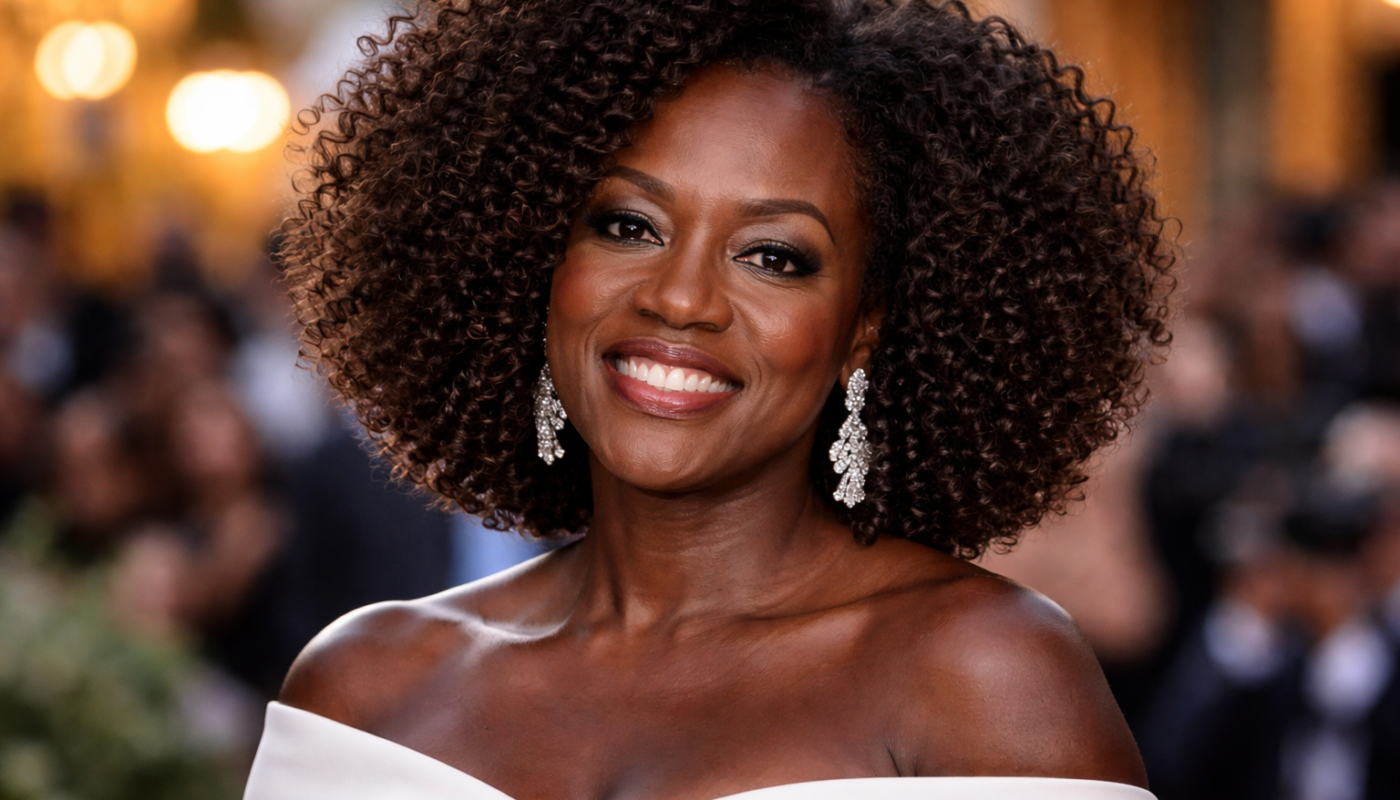
In an industry long dominated by Eurocentric beauty standards, the appearance of a Black woman embracing her natural hair on global platforms carries profound cultural significance. Viola Davis, the acclaimed actress and advocate, has consistently used her visibility to challenge these norms. From the Oscars to the Emmy Awards, her choice to wear her natural hair is not merely a fashion statement—it is a declaration of identity, resilience, and self-acceptance. Each appearance communicates a narrative of empowerment, countering decades of pressure on Black women to conform to mainstream expectations through chemical straightening or protective styling that obscures natural texture.
Davis’ hair moments are culturally milestone events because they are public assertions that natural Black beauty is worthy of celebration, respect, and mainstream visibility. In doing so, she elevates the discourse surrounding body inclusivity, encouraging audiences to reconsider conventional notions of elegance, professionalism, and glamour. Beyond aesthetics, her choices spark psychological and social reflection, creating spaces for conversations about representation, identity, and the liberation of self-expression.
Historical Context: Black Hair in Media
To fully understand the cultural weight of Viola Davis’ natural hair, it is crucial to consider the historical marginalization of Black hair in mainstream media. For decades, Black women were pressured to adopt hairstyles that aligned with European standards—straightened, pressed, or otherwise altered to appear “acceptable” in professional and public spheres. Textured hair, curls, and afros were often stigmatized, viewed as unprofessional or rebellious.
In Hollywood, this bias translated into casting decisions, publicity images, and character portrayals. Black actresses often faced the choice between personal authenticity and industry acceptance. Viola Davis’ public embrace of her natural hair confronts this legacy, challenging longstanding structures of bias while creating a new template for representation. Her presence on global stages wearing her natural texture signals a shift, inviting audiences and industry professionals alike to redefine beauty standards.
Challenging Hollywood’s Beauty Norms
Viola Davis’ natural hair moments directly challenge Hollywood’s historically narrow beauty standards. For decades, actresses of color were pressured to conform to Eurocentric ideals to secure roles and visibility. Straightened hair, weaves, and other alterations were often expected to fit the “mainstream” notion of elegance. Davis’ public choice to wear her hair naturally disrupts this expectation, signaling that talent, presence, and professionalism are not contingent on adherence to these standards. Her visibility underscores the inequities in representation while modeling authenticity as a strength. This disruption not only empowers her peers in the entertainment industry but also reverberates to casting directors, stylists, and media executives, signaling the necessity for inclusive representation that respects and celebrates Black identity. Each appearance reinforces the message that beauty and credibility are multidimensional and that systemic change requires consistent advocacy and representation at the highest levels of visibility.
Celebrating Authenticity as a Cultural Imperative
Viola Davis’ embrace of her natural hair elevates authenticity from a personal choice to a cultural imperative. In a society that often prioritizes conformity over individuality, her visibility challenges audiences to reconsider what it means to be truly confident and empowered. Each public appearance reinforces that natural hair is not just a style, but a statement of identity, pride, and self-respect. This visibility holds psychological significance, offering validation to those who have historically navigated shame, bias, or pressure to alter their appearance. Beyond personal impact, Davis’ advocacy fosters social reflection: it encourages conversations about inclusivity, systemic bias, and the ways media representation shapes collective perceptions of beauty. Her natural hair moments inspire industries, institutions, and individuals to rethink standards, policies, and practices that marginalize authentic expression. By positioning authenticity as aspirational and celebrated, Davis creates a template for future generations, showing that embracing one’s true self is not only courageous but culturally transformative. In doing so, she cements her legacy as a catalyst for both aesthetic and societal change.
Emotional Resonance and Audience Connection
Davis’ natural hair serves as a bridge between her and her audience, creating emotional resonance and fostering relatability. Many Black women and girls grow up negotiating societal pressures to alter their hair to fit perceived norms. Seeing a global icon embrace her natural texture publicly validates those experiences, offering a form of cultural and psychological affirmation. Beyond aesthetics, this visibility communicates a broader message about embracing one’s heritage, identity, and individuality. Fans express feelings of empowerment, pride, and self-acceptance in response to her choices. Social media amplifies these narratives, allowing audiences to share personal stories of growth, self-love, and liberation. Davis’ visibility demonstrates that representation has tangible psychological benefits: it reduces internalized stigma, encourages experimentation with natural textures, and strengthens the sense of belonging within communities historically marginalized in mainstream beauty discourse.
Redefining Red Carpet Culture
The red carpet has long been a site of visual spectacle and conformity, with implicit codes around what constitutes “acceptable” glamour. Viola Davis’ decision to showcase her natural hair on high-profile red carpet events transforms these spaces into platforms for inclusivity. Each appearance challenges the default expectation that elegance necessitates Eurocentric styling. By presenting natural hair as glamorous, sophisticated, and professional, Davis shifts cultural perception of beauty. Designers, photographers, and media outlets increasingly embrace this inclusive approach, recognizing that authenticity resonates with diverse audiences. Furthermore, these moments inspire other celebrities and public figures to model natural hair confidently, creating a ripple effect that challenges established norms across the entertainment industry. Davis’ approach illustrates that visibility can redefine cultural aesthetics, proving that natural textures deserve prominence and celebration in spaces historically resistant to inclusivity.
Intersection of Hair and Race
Hair is not merely a cosmetic choice—it is deeply entwined with racial and cultural identity. For Black women, hair has historically been politicized, subjected to discrimination, and used as a measure of conformity to societal norms. Viola Davis’ decision to wear her natural hair publicly engages directly with this intersection of race and beauty. Each appearance communicates pride in Black identity and challenges historical stigmas. Her natural hair is a visual statement that contests systemic biases, asserting that Black aesthetics are valid, beautiful, and deserving of recognition. The cultural significance extends beyond fashion; it becomes a form of activism, raising awareness about the nuanced ways in which societal expectations of beauty intersect with racial identity, self-expression, and cultural heritage.
Influence on Beauty Industry Practices
Viola Davis’ advocacy for natural hair has tangible effects on the beauty industry. Cosmetic brands, hairstylists, and media campaigns are increasingly recognizing the importance of representation for diverse hair textures. Her visibility has inspired product innovation, inclusive marketing strategies, and stylist training to accommodate natural hair. Brands now highlight models with authentic textures, elevating visibility for Black women globally. Davis’ choices also create market demand for natural hair-friendly products, emphasizing health, care, and styling that respects texture diversity. By demonstrating that natural hair is desirable, sophisticated, and marketable, she reshapes industry priorities and standards. This influence underscores the symbiotic relationship between celebrity visibility and structural transformation in fashion, media, and beauty industries.
Cross-Generational and Diasporic Impact
Davis’ natural hair moments resonate across generations and diasporic communities. For younger audiences, she models self-confidence and authenticity, while older generations recognize the reclaiming of cultural pride. Across the African diaspora, her visibility affirms diverse hair textures and fosters cross-cultural dialogue about beauty, identity, and representation. Communities in the Caribbean, Africa, and Latin America often face similar Eurocentric beauty pressures, making Davis’ global platform an inspiration. Her advocacy extends cultural pride beyond national borders, encouraging audiences worldwide to challenge restrictive beauty norms while celebrating heritage, texture, and identity.
Media Representation and Narrative Control
By embracing her natural hair publicly, Viola Davis also asserts control over her media narrative. Historically, Black women have been subjected to stereotypical portrayals or commentary on hair as a marker of status or professionalism. Davis’ visibility reframes these narratives, positioning natural hair as a symbol of empowerment, sophistication, and authenticity. Media coverage increasingly focuses on her talent and cultural impact rather than conforming to superficial beauty critique. This shift demonstrates the power of self-presentation and media literacy in shaping public discourse, emphasizing that representation is not solely about visibility but also about narrative authority.
Inspiring Structural Change
The cumulative impact of Davis’ natural hair visibility extends to institutional and cultural transformation. Schools, workplaces, and public spaces are increasingly challenged to embrace policies that respect natural hair, inspired by broader advocacy movements like the CROWN Act. By modeling natural hair on the world stage, Davis creates cultural and structural momentum, normalizing inclusion in spaces previously resistant to change. Her influence demonstrates that cultural milestones are not only symbolic but can catalyze tangible reforms in policy, media representation, and social norms. This intersection of visibility and systemic impact ensures that natural hair advocacy resonates beyond aesthetics, contributing to a more equitable and inclusive society.
Natural Hair as a Statement of Identity
For Davis, natural hair is inseparable from identity. She has spoken openly about embracing her hair texture as an extension of her heritage and self-worth. Each natural hair moment is an assertion of authenticity, a refusal to adhere to externally imposed norms of beauty. In interviews, Davis has highlighted how wearing her hair naturally allows her to reclaim narratives about Black womanhood that have been historically dictated by social and media pressures.
This form of self-expression holds psychological significance, offering both personal empowerment and cultural validation. Seeing a celebrated actress like Davis embrace her natural hair provides a form of modeling for Black audiences, encouraging self-acceptance and affirming that natural beauty is not just valid—it is powerful. The psychological impact is measurable in the way audiences engage with her, often expressing admiration for her courage to redefine standards in spaces historically resistant to change.
Redefining Elegance and Professionalism
Viola Davis’ natural hair moments disrupt entrenched notions of professionalism and glamour. Traditional definitions of elegance have long been coded with straightened or subdued hairstyles, implicitly excluding many Black hair textures. By wearing her hair in natural styles on red carpets, awards shows, and in public appearances, Davis challenges these aesthetic hierarchies.
Her choices illustrate that professionalism and beauty are not contingent upon assimilation into Eurocentric norms. They also redefine glamour, demonstrating that authenticity can coexist with high-fashion sophistication. Designers, stylists, and media outlets have increasingly acknowledged the commercial and cultural importance of inclusive representation, reflecting a gradual transformation in the aesthetic codes of elite events and fashion campaigns.
Psychological Impact on Audiences
Representation matters. When a globally recognized actress like Viola Davis consistently presents herself with natural hair, she validates a form of beauty historically marginalized in mainstream media. This visibility contributes to a reduction in internalized stigma among Black women and girls. It challenges the pervasive notion that natural hair is “unprofessional” or “less beautiful,” offering instead a model of pride, self-respect, and empowerment.
Research in social psychology highlights the importance of role models in shaping self-perception. Seeing Davis embrace her authentic hair can reinforce self-esteem, encourage experimentation with natural textures, and foster a sense of belonging in spaces previously coded as exclusionary. The ripple effect extends beyond individual audiences to influence broader cultural narratives around beauty, representation, and identity.
Cultural Milestones: Awards Shows and Red Carpet Moments
Several of Davis’ public appearances have become symbolic cultural milestones. When she wore her natural hair to the Oscars and Emmy Awards, the events transcended fashion coverage to spark conversations about inclusivity and representation. Media analysis of these moments consistently emphasizes their broader social implications: they are acts of visibility, protest against narrow beauty standards, and affirmations of Black identity on the world stage.
These moments also intersect with fashion and media industries, influencing stylists, photographers, and designers to recognize the significance of inclusive representation. By taking ownership of her image and refusing to conform to traditional beauty expectations, Davis contributes to a cultural environment that increasingly values authenticity, diversity, and historical awareness.
Cross-Cultural Significance
Viola Davis’ influence is not confined to the United States. Her embrace of natural hair resonates globally, particularly in countries where Eurocentric beauty standards are deeply entrenched. In African, Caribbean, and diasporic communities, her public presentations provide affirmation and visibility. In nations where Black women face similar stigmas regarding hair texture, Davis’ choices act as a form of cultural diplomacy, illustrating the legitimacy and sophistication of natural hair in international contexts.
This cross-cultural resonance underscores the universality of the message: authentic self-expression is a human right. Davis’ visibility bridges cultural divides, promoting a global conversation about representation, identity, and the power of challenging dominant beauty paradigms.
Social Media Amplification
Social media has amplified the impact of Viola Davis’ natural hair moments. Platforms like Instagram and Twitter allow her fans to celebrate her authenticity, share personal reflections, and participate in dialogues about representation. Viral images and articles create spaces where audiences dissect not only fashion choices but the cultural significance of her hair textures.
This digital amplification extends the influence of her natural hair moments beyond traditional media channels. It allows global audiences to engage in real-time commentary and advocacy, reinforcing the cultural milestone status of each appearance. Hashtags, fan accounts, and influencer endorsements ensure that Davis’ message continues to resonate long after awards shows have ended.
The Intersection of Hair and Policy
Beyond cultural influence, Davis’ advocacy indirectly informs policy and workplace standards. Public figures embracing natural hair contribute to legislative and organizational shifts, particularly in contexts combating hair discrimination. The CROWN Act in the United States, which prohibits discrimination based on hair texture or protective hairstyles, is an example of how visibility and advocacy converge. Celebrities like Davis normalize natural hair, creating cultural pressure that complements legal frameworks.
By publicly modeling confidence with her natural hair, Davis fosters an environment where institutions, workplaces, and schools are more likely to embrace inclusive grooming standards. Her influence thus operates on multiple levels: individual, societal, and structural.
Representation Beyond Aesthetics
Viola Davis’ cultural significance extends beyond mere appearance. Her natural hair moments intersect with broader discussions about body inclusivity, identity politics, and systemic bias. Hair is inseparable from racial and cultural identity; choosing to present it authentically is an act of visibility that challenges historical erasure.
Moreover, her visibility encourages other industries—fashion, film, advertising, and media—to reconsider entrenched standards. By demonstrating that natural beauty commands attention, admiration, and respect, Davis reshapes aesthetic hierarchies. Her influence suggests that inclusivity must consider lived experiences, cultural history, and self-expression, not merely physical traits.
Global Conversations About Beauty
Davis’ impact reverberates in international media. Interviews, talk shows, and fashion coverage from Europe, Africa, and Asia discuss her hair as emblematic of empowerment. Audiences engage in debates about authenticity, representation, and identity, often reflecting on their own cultural standards and personal experiences.
Her public presence challenges globally imposed beauty ideals while offering a new paradigm: natural hair is not a limitation but a form of artistic, cultural, and personal expression. This perspective encourages cross-cultural reflection on what it means to be beautiful, professional, and self-assured in a world that has long dictated rigid norms.
Legacy and Forward Movement
The legacy of Viola Davis’ natural hair moments is multi-dimensional. They normalize natural beauty on global stages, redefine professionalism and elegance, influence policy discussions, and inspire generations of women to embrace authentic self-expression. Each red carpet, interview, or public appearance becomes a symbolic milestone in the ongoing struggle for inclusion and representation.
Her influence ensures that conversations about beauty extend beyond Eurocentric ideals to embrace diversity in texture, culture, and identity. The forward momentum suggests a future where natural hair is not exceptional, but expected, celebrated, and respected. Davis’ commitment to authenticity continues to shape cultural, psychological, and social perceptions of beauty worldwide.
Sources: The New York Times, The Guardian, Essence, Vogue, BBC, Harper’s Bazaar, Vanity Fair, CNN