 by
by Introduction: A Cultural Shift Woven Through Fabric and Identity
In a global fashion landscape long dominated by minimalism, exposure, and the celebration of a singular body ideal, modest fashion has emerged not as a restriction—but as a powerful cultural statement. Nowhere is this more visible than in the Middle East, where modest fashion influencers are redefining what it means to feel confident in one’s body, while staying rooted in cultural, spiritual, and personal identity.
These influencers are not simply styling garments—they are reshaping narratives. Through carefully curated content, public campaigns, and digital storytelling, they are challenging the idea that confidence must be tied to visibility. Instead, they are introducing a different framework: one where confidence is internal, expressive, and deeply personal.
From Dubai to Riyadh, Istanbul to Jakarta, modest fashion influencers are influencing global conversations. They are not rejecting fashion—they are expanding it. Not rejecting body confidence—but redefining it. In doing so, they are creating space for millions of individuals who have long felt underrepresented in mainstream fashion narratives.
This article explores how these influencers are reshaping body confidence, the cultural significance of their work, and the broader psychological and social implications of modest fashion as a global movement.
Understanding Modest Fashion: Beyond Fabric, Into Philosophy
Modest fashion is often misunderstood as merely a dress code. In reality, it is a layered cultural and personal philosophy that extends beyond clothing. It reflects values such as dignity, intentionality, and self-expression within a framework of modesty.
For many women in the Middle East and beyond, modest fashion is not about concealment—it is about choice. It allows individuals to engage with fashion on their own terms, defining how much or how little of their bodies they wish to reveal.
Influencers such as Dina and Huda Kattan have played key roles in bringing modest fashion into global visibility. Through their platforms, they have shown that modesty and style are not mutually exclusive, but can coexist in powerful and creative ways.
Their influence extends beyond aesthetics. They challenge assumptions about what confidence looks like, demonstrating that confidence is not dependent on exposure but on authenticity and self-assurance.
This redefinition is particularly impactful in cultures where modest fashion aligns with religious or traditional values. Rather than being seen as limiting, it is increasingly recognized as empowering.
Digital Platforms as Cultural Amplifiers
The rise of social media has been instrumental in the growth of modest fashion influencers. Platforms like Instagram, YouTube, and TikTok have allowed these voices to bypass traditional fashion gatekeepers and speak directly to global audiences.
Influencers such as Ascia and Leena Asad have built strong digital communities by sharing not only fashion inspiration but also personal reflections on identity, confidence, and lifestyle.
Their content often blends aesthetics with storytelling. A single post might feature a carefully styled outfit alongside a message about self-acceptance, cultural pride, or navigating societal expectations.
This fusion of visual and narrative content creates a deeper connection with audiences. It transforms fashion from passive consumption into active dialogue.
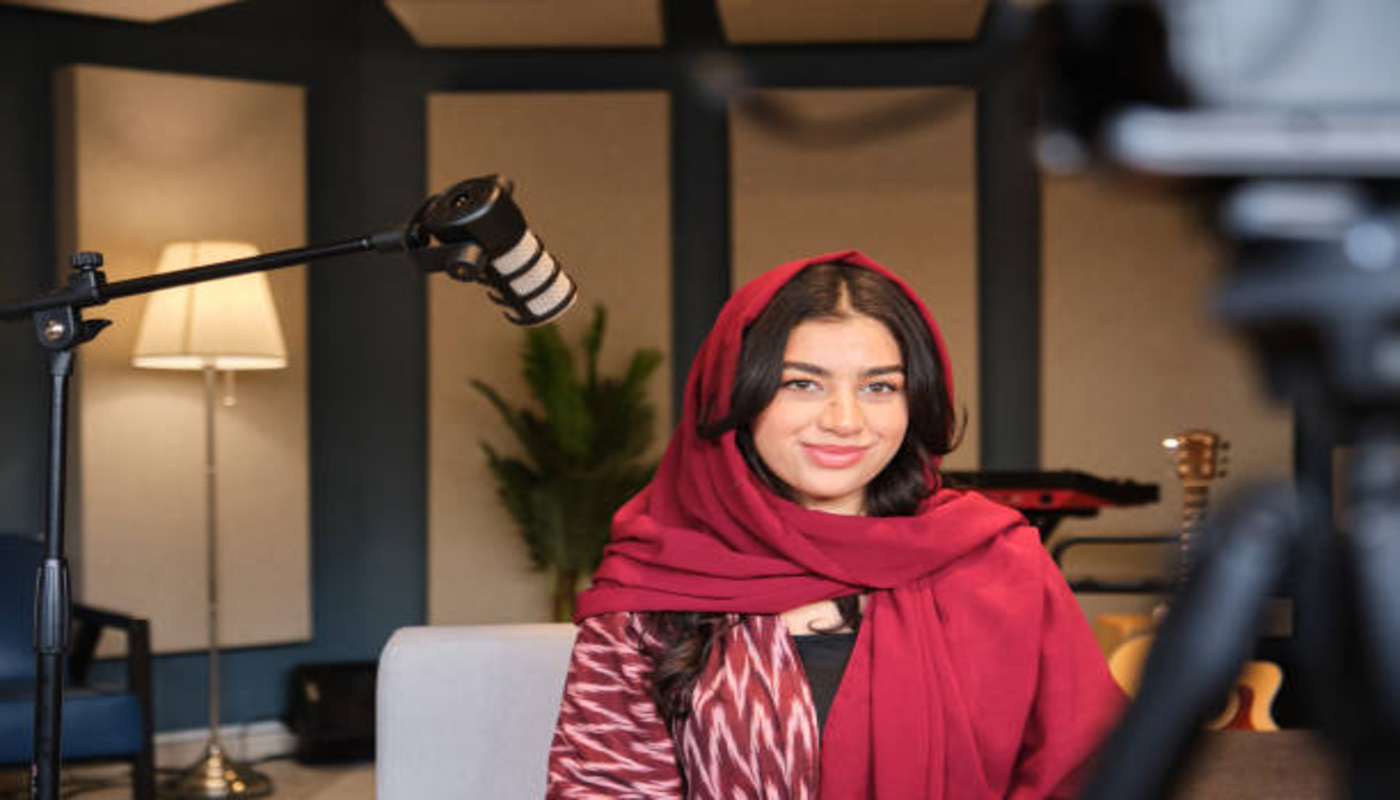
Importantly, these platforms also allow for representation that was previously missing. Women who wear hijabs, abayas, or other modest attire can now see themselves reflected in fashion spaces where they were once excluded.
This visibility plays a critical role in shaping self-perception and building confidence, particularly for younger audiences navigating identity in a globalized world.
Reframing Body Confidence: From Visibility to Ownership
In mainstream fashion narratives, body confidence has often been tied to visibility—showing skin, fitting certain size standards, or conforming to specific aesthetic ideals. Modest fashion challenges this framework entirely.
For modest fashion influencers, body confidence is not about revealing the body—it is about owning it.
This shift reframes confidence as:
- A sense of agency over one’s choices
- Comfort within one’s personal and cultural identity
- Freedom from external validation
Influencers such as Noor Stars demonstrate how confidence can be expressed through bold styling choices, even within modest frameworks. Their content highlights that confidence is not diminished by coverage—instead, it is often enhanced by intentionality.
This perspective is particularly important in regions where cultural norms and global media narratives intersect. Modest fashion influencers are not rejecting modernity—they are redefining it.
They demonstrate that confidence does not require conformity to global beauty standards. Instead, it can be rooted in self-awareness, cultural pride, and personal expression.
Cultural Identity and the Politics of Visibility
Modest fashion is deeply intertwined with cultural identity. For many women in the Middle East, wearing modest clothing is not just a personal choice—it is a reflection of cultural heritage, religious belief, or both.
However, in global media, modest fashion has often been misinterpreted or underrepresented. This has led to stereotypes that associate modesty with oppression, rather than agency.
Influencers are actively challenging this narrative.
By presenting modest fashion as stylish, diverse, and expressive, they are reclaiming the narrative around visibility. They demonstrate that visibility does not require exposure—it can also mean being seen on one’s own terms.
This shift is particularly significant in global conversations about feminism and body autonomy. It challenges the assumption that empowerment must look the same everywhere.
Instead, it introduces a more pluralistic understanding of empowerment—one that allows for cultural, religious, and personal differences.
Psychological Impact: Building Confidence Through Representation
Representation has a profound psychological impact on self-esteem and body image. When individuals see themselves reflected in media, it reinforces the idea that they belong.
Modest fashion influencers contribute to this by providing representation that is both culturally relevant and visually affirming.
For young women in the Middle East and other regions where modest fashion is common, this visibility can:
- Reduce feelings of exclusion from global fashion narratives
- Increase self-acceptance and body confidence
- Encourage positive identity formation
Research in media psychology suggests that representation can significantly influence how individuals perceive themselves. By normalizing diverse body presentations, modest fashion influencers help counteract the narrow standards often seen in mainstream media.
This is not about replacing one standard with another—it is about expanding the range of what is considered acceptable, beautiful, and confident.
Global Influence: Modest Fashion as a Cross-Cultural Movement
While modest fashion has deep roots in Middle Eastern and Islamic cultures, its influence has become increasingly global.
Designers, brands, and influencers from around the world are incorporating modest elements into their collections. Fashion weeks in cities such as Dubai and Istanbul now feature modest fashion prominently, reflecting its growing significance.
Influencers like Halima Aden have brought modest fashion into global conversations through high-profile campaigns and runway appearances, demonstrating that modesty can coexist with high fashion.
This cross-cultural exchange highlights the fluidity of fashion as a global language. It also underscores the importance of respecting cultural context while embracing diversity.
In this sense, modest fashion is not a niche—it is part of a larger movement toward inclusivity and representation in fashion.
Challenging Western Beauty Standards
One of the most significant impacts of modest fashion influencers is their challenge to Western-centric beauty standards.
Mainstream fashion has historically emphasized:
- Exposure
- Slim or specific body types
- Eurocentric aesthetics
Modest fashion disrupts these norms by introducing alternative forms of beauty that prioritize:
- Coverage
- Individual expression
- Cultural authenticity
This creates space for more diverse representations of beauty. It also challenges audiences to rethink their assumptions about what beauty looks like.
Importantly, this is not about rejecting Western fashion—it is about expanding the conversation to include more perspectives.
The Role of Branding and Commercial Influence
As modest fashion has grown in popularity, it has also attracted significant commercial interest. Brands are increasingly recognizing the importance of inclusivity in their marketing strategies.
Influencers play a key role in this ecosystem. Through collaborations with brands, they help shape how modest fashion is represented in the market.
However, this also raises important questions about authenticity. As modest fashion becomes more commercialized, there is a risk of losing its cultural and personal significance.
Influencers must navigate this balance carefully—maintaining authenticity while engaging with commercial opportunities.
This tension reflects a broader dynamic in the fashion industry, where cultural movements are often commodified. The challenge lies in preserving the integrity of modest fashion while allowing it to grow and evolve.
Challenging Internalized Beauty Norms
Internalized beauty norms are deeply ingrained beliefs about what bodies should look like, often shaped by media, culture, and societal expectations. Modest fashion influencers play a significant role in challenging these internalized norms by presenting alternative representations of beauty. By showcasing diverse body types, styles, and identities, they help broaden the definition of what is considered beautiful. This exposure can gradually shift internal beliefs, allowing individuals to question and re-evaluate the standards they have internalized over time. Influencers like Dina Tokio have spoken in public forums about self-acceptance and navigating identity, contributing to conversations that encourage individuals to redefine beauty on their own terms. This process is not immediate—it requires consistent exposure to diverse representations and thoughtful engagement with one’s own beliefs. However, over time, it can lead to more positive body image and greater self-confidence. By challenging internalized norms, modest fashion influencers create space for individuals to develop a more compassionate and inclusive relationship with their bodies. This shift is essential in fostering long-term body confidence, as it moves beyond surface-level changes and addresses the deeper beliefs that shape self-perception.
The Influence of Community and Collective Identity
Modest fashion is not just an individual expression—it is also a collective movement. Influencers often emphasize the importance of community, creating spaces where individuals can connect, share experiences, and support one another. This sense of collective identity plays a crucial role in building body confidence, as it reinforces the idea that individuals are not alone in their experiences. Online communities formed around modest fashion provide a platform for dialogue, encouragement, and shared learning. This collective approach contrasts with mainstream fashion narratives, which often emphasize individual competition and comparison. Instead, modest fashion fosters a sense of belonging and mutual support. Influencers serve as both leaders and participants within these communities, guiding conversations while also engaging with their audiences. This dynamic creates a more inclusive and participatory environment, where everyone has a voice. The sense of community also extends beyond digital spaces, influencing real-world interactions and social structures. By prioritizing connection over competition, modest fashion influencers contribute to a more supportive and inclusive cultural landscape, where body confidence is nurtured through shared experience rather than individual comparison.
Navigating Criticism and Misinterpretation
Despite its growing influence, modest fashion is not without criticism or misinterpretation. Some audiences misunderstand it as restrictive, while others question its relevance in modern fashion. Influencers often navigate these perceptions by engaging in open dialogue and sharing their personal perspectives. This requires a level of resilience and self-assurance, as they must balance public scrutiny with personal expression. Influencers such as Noor Stars have addressed misconceptions about modest fashion through their content, helping to educate audiences and challenge stereotypes. This process is not about defending modest fashion, but about clarifying its meaning and significance. By engaging with criticism constructively, influencers demonstrate that confidence is not about avoiding challenges, but about responding to them with clarity and purpose. This approach also contributes to a more informed public discourse, where different perspectives can coexist and be understood. Over time, this can lead to greater acceptance and appreciation of modest fashion as a legitimate and meaningful form of expression. It also reinforces the idea that confidence includes the ability to engage with differing viewpoints while remaining grounded in one’s own values.
Bridging Tradition and Innovation in Fashion
One of the defining characteristics of modest fashion in the Middle East is its ability to bridge tradition and innovation. Influencers draw inspiration from cultural heritage while incorporating contemporary trends, creating a dynamic and evolving fashion landscape. This blending of old and new allows for continuity and change to coexist, preserving cultural identity while embracing modern influences. This approach challenges the idea that tradition and innovation are opposites. Instead, it presents them as complementary forces that can enrich one another. Influencers play a key role in this process by experimenting with styles, fabrics, and silhouettes that reflect both heritage and modernity. This creative process contributes to the evolution of modest fashion as a global movement, expanding its reach and relevance. It also reinforces the idea that culture is not static, but constantly evolving. By bridging tradition and innovation, modest fashion influencers create a space where history and progress intersect, allowing for a more nuanced and inclusive understanding of fashion and identity. This perspective encourages individuals to embrace both their roots and their aspirations, fostering a sense of continuity and growth.
The Future of Body Confidence in a Modest Fashion World
Looking ahead, the influence of modest fashion influencers is likely to continue shaping global conversations about body confidence, identity, and representation. As the movement grows, it will play an increasingly important role in redefining beauty standards and expanding the boundaries of fashion. The future of body confidence in this context lies in inclusivity, diversity, and authenticity. Modest fashion offers a framework for understanding confidence as something that is deeply personal and culturally informed, rather than universally defined. This perspective has the potential to influence not only fashion, but also media, education, and social discourse. As more individuals engage with modest fashion, the conversation around body confidence will continue to evolve, incorporating a wider range of voices and experiences. This evolution is essential in creating a more inclusive and empathetic world, where individuals are free to express themselves without conforming to narrow standards. Modest fashion influencers are not just participants in this conversation—they are leaders, shaping the future of how confidence is understood and experienced across cultures and communities.
Navigating Dual Identities in a Globalized World
Many modest fashion influencers operate within a complex interplay of dual identities—balancing cultural traditions with global modernity. This duality is particularly evident in the Middle East, where rapid globalization has introduced new cultural influences alongside deeply rooted traditions. Influencers navigate this space by blending elements of both worlds, creating a hybrid aesthetic that reflects their lived reality. This balancing act is not without its challenges, as it requires navigating differing expectations from local and global audiences. However, it also creates opportunities for innovation and cultural dialogue. Influencers like Leena Asad embody this duality, presenting content that is both globally appealing and culturally grounded. This ability to navigate multiple identities contributes to a broader understanding of identity as fluid rather than fixed. It also challenges the notion that individuals must choose between tradition and modernity. Instead, it presents the possibility of integrating both in a way that feels authentic and empowering. This perspective is particularly relevant in today’s interconnected world, where cultural exchange is constant and identity is increasingly multifaceted. By embracing duality, modest fashion influencers offer a model for navigating complexity with confidence and grace
Conclusion: Toward a More Inclusive Definition of Confidence
Modest fashion influencers in the Middle East are not just changing how people dress—they are changing how people see themselves.
By reframing body confidence as something internal, intentional, and culturally grounded, they are expanding the global conversation around identity and self-expression.
Their influence demonstrates that confidence is not about exposure—it is about ownership. Not about conformity—but about authenticity.
As modest fashion continues to grow, its impact will extend beyond fashion into broader conversations about culture, psychology, and representation.
The future of body confidence lies not in a single standard, but in the recognition of many. And in that recognition, modest fashion offers a powerful reminder: confidence does not have to look one way to be real.
Sources: Vogue Arabia, BBC, The Business of Fashion, Harper’s Bazaar Arabia, Al Jazeera, The Guardian, CNN Style, Forbes, Business Insider, Reuters