 by
by When Silence Broke: A Model Speaks, and the Industry Listens
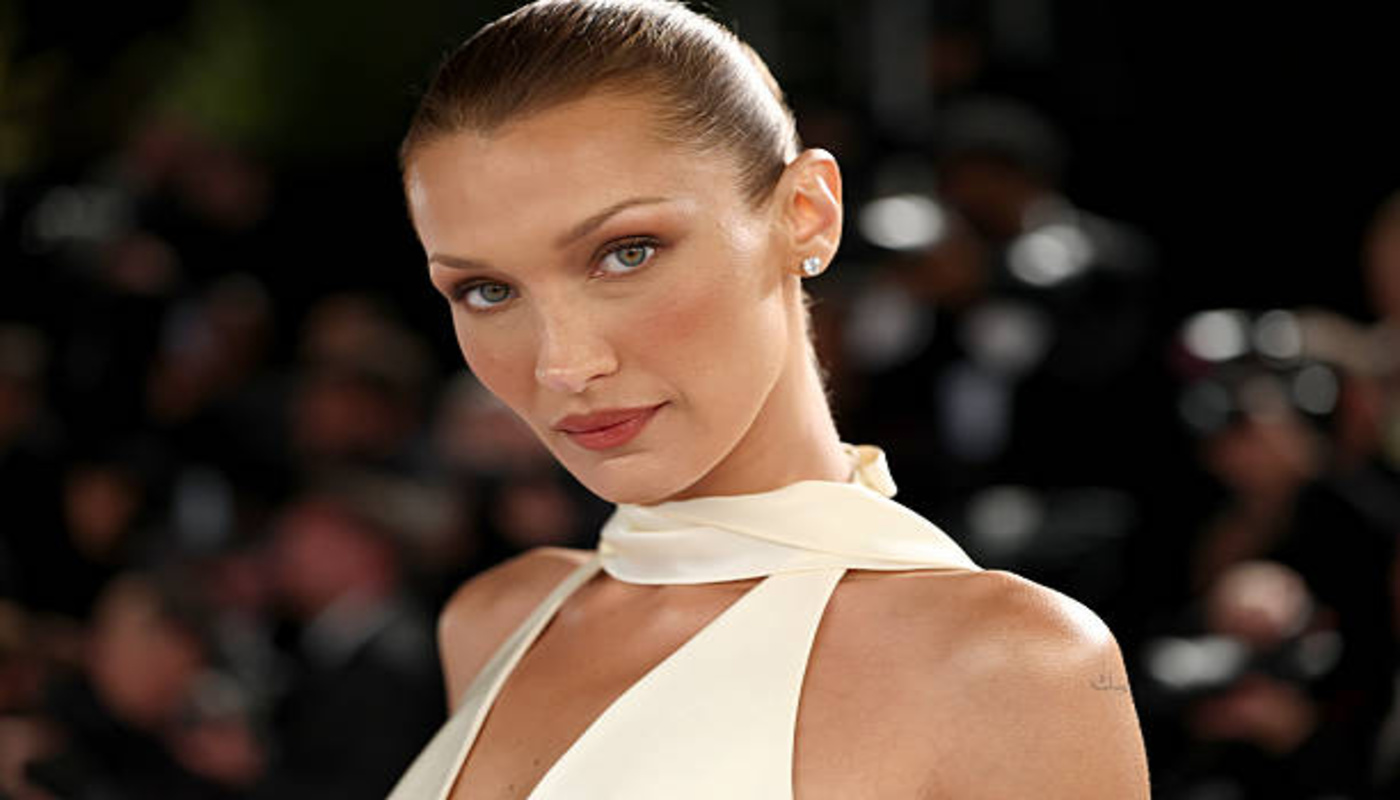
For decades, the fashion industry has operated on an unspoken contract: beauty must be maintained, but the labor behind it must remain invisible. Models were expected to embody perfection without acknowledging the pressure, discipline, or emotional toll required to sustain it. Then came a moment that disrupted this long-standing silence. When Bella Hadid spoke candidly in interviews about the pressures of the modeling industry—particularly in widely circulated conversations with publications like Vogue—she did more than share a personal experience. She shifted a cultural narrative.
Her reflections were not framed as rebellion but as honesty. She described the emotional complexity of growing up in an industry that equates value with appearance, and the internal conflict that comes with navigating public expectations while maintaining a sense of self. Importantly, her comments did not sensationalize the issue. Instead, they humanized it.
This moment resonated globally because it broke a pattern. It allowed audiences to see that even those at the pinnacle of conventional beauty are not immune to the pressures that define it. In doing so, Hadid’s words began to unravel the illusion that beauty standards are effortless or universally empowering. They revealed beauty as a system—one that can both elevate and constrain.
The Economics of Beauty Pressure: Who Profits from Perfection?
To fully understand the cultural impact of Bella Hadid’s comments, it is essential to examine the economic structures that sustain beauty standards. The fashion and beauty industries are not merely creative spaces; they are powerful commercial systems driven by consumer desire. That desire is often shaped by carefully curated ideals of beauty, which are repeatedly presented as aspirational yet attainable. In reality, these ideals are constructed to encourage continuous consumption—of products, services, and lifestyles.
When Hadid spoke about industry pressure, she indirectly highlighted the economic machinery behind these expectations. Maintaining a certain image is not simply a personal choice; it is often tied to professional opportunities, brand partnerships, and visibility within the industry. Models are positioned at the center of this system, where their appearance becomes part of a larger commercial narrative.
This perspective shifts the conversation from individual responsibility to structural awareness. It encourages audiences to question not only what beauty looks like, but who benefits from its definition. By recognizing the economic incentives behind beauty standards, individuals can develop a more critical and conscious relationship with the images they consume and the expectations they internalize.
Media Framing and the Language of Beauty Narratives
Another critical dimension of Hadid’s impact lies in how media outlets interpreted and presented her comments. Traditionally, beauty coverage in mainstream media has leaned toward celebration or critique, often lacking depth and nuance. However, the response to Hadid’s reflections revealed a growing appetite for more layered storytelling.
Coverage of her interviews frequently emphasized themes of vulnerability, pressure, and self-awareness rather than focusing solely on aesthetics. This shift in framing is significant because it changes how audiences engage with beauty narratives. Instead of reinforcing surface-level admiration, it invites deeper reflection on the experiences behind the image.
Language plays a powerful role in shaping cultural perception. When media narratives evolve, they influence how beauty is understood and discussed. Hadid’s comments provided an opportunity for journalists and editors to move beyond traditional frameworks and explore beauty as a complex cultural phenomenon.
This change also sets a precedent for future storytelling. It encourages media professionals to approach beauty with greater sensitivity and depth, recognizing that behind every public image is a lived experience. In doing so, the discourse becomes more inclusive, thoughtful, and aligned with contemporary values.
Younger Generations and the Rewriting of Beauty Ideals
One of the most significant outcomes of Hadid’s comments is their resonance with younger generations, particularly Gen Z. This generation has grown up in a digital environment saturated with images, yet they are also more critical of those images than previous generations. They prioritize authenticity, inclusivity, and transparency, often challenging traditional beauty norms through their online presence.
Hadid’s openness aligns closely with these values. Her reflections validate the experiences of young people who feel pressured to meet unrealistic standards, reinforcing the idea that such pressures are systemic rather than personal shortcomings. This validation can be empowering, encouraging individuals to question and redefine beauty on their own terms.
At the same time, younger audiences actively participate in shaping the discourse. Through platforms like TikTok and Instagram, they share personal narratives, challenge stereotypes, and create new representations of beauty that reflect a broader range of experiences.
In this context, Hadid’s comments act as a catalyst rather than a conclusion. They contribute to an ongoing cultural shift led by a generation that is redefining beauty as something fluid, diverse, and deeply personal.
The Emotional Labor Behind Public Image
An often overlooked aspect of the beauty industry is the emotional labor required to maintain a public image. Models are not only expected to meet visual standards; they are also required to project confidence, composure, and consistency across various platforms. This involves managing public perception, responding to scrutiny, and maintaining a carefully curated presence.
Hadid’s reflections brought attention to this invisible dimension of the industry. By acknowledging the emotional challenges involved, she expanded the conversation beyond physical appearance. She highlighted the psychological demands of existing in a space where visibility is constant and feedback is immediate.
This perspective is important because it humanizes individuals who are often reduced to symbols of beauty. It reminds audiences that behind every image is a person navigating complex professional and personal dynamics.
Recognizing emotional labor also changes how success is perceived. It encourages a more holistic understanding of achievement, one that includes mental and emotional well-being alongside external accomplishments. This shift has the potential to foster greater empathy and more realistic expectations within both the industry and its audience.
Toward a More Sustainable Beauty Culture
As beauty discourse continues to evolve, the concept of sustainability is becoming increasingly relevant—not only in environmental terms but also in cultural and psychological contexts. A sustainable beauty culture is one that prioritizes inclusivity, authenticity, and well-being over rigid and unrealistic standards.
Hadid’s comments contribute to this vision by challenging the unsustainable nature of traditional beauty expectations. Constant pressure to maintain perfection and suppress vulnerability is not only unrealistic but also emotionally taxing. By bringing these issues into public conversation, she encourages a reassessment of what beauty culture should value.
This reassessment is already visible in shifts toward more inclusive representation and storytelling that celebrates individuality. However, achieving true sustainability requires ongoing commitment from both the industry and its audiences. It involves creating systems that support diverse experiences and promote long-term well-being.
Ultimately, the future of beauty lies in its ability to evolve responsibly. By embracing transparency and inclusivity, the industry can move toward a model that is not only more representative but also more humane.
The Cultural Weight of “Effortless Beauty”
One of the most enduring myths in fashion is that beauty is natural, innate, and effortless. This myth is not accidental; it is carefully constructed and maintained through imagery, branding, and silence. When Bella Hadid spoke about the realities behind the scenes, she challenged this myth directly.
Her comments highlighted the labor involved in maintaining a public image—labor that is often invisible to audiences. This includes not just physical preparation but also emotional regulation, constant scrutiny, and the pressure to meet evolving standards. By acknowledging this, she disrupted the idea that beauty is simply a matter of genetics or luck.
Culturally, this matters because the myth of effortless beauty creates unrealistic expectations. It encourages individuals to compare themselves to an ideal that is not only unattainable but also misrepresented. When someone like Hadid reveals the constructed nature of that ideal, it invites audiences to question the systems that produce it.
This shift aligns with a broader cultural movement toward transparency. Across industries, there is growing demand for authenticity and honesty. In fashion, this translates into a willingness to discuss the realities behind the image. Hadid’s comments contributed to this movement, making it more acceptable—and even necessary—to talk about the pressures that shape beauty.
From Aspiration to Awareness: A Psychological Shift
The psychological impact of Hadid’s comments lies in their ability to transform how audiences engage with beauty. Traditionally, models have functioned as aspirational figures—symbols of what one should strive to become. However, this aspiration often comes at a cost, fostering feelings of inadequacy and self-doubt.
By speaking openly about industry pressure, Bella Hadid introduced a new layer of awareness. She did not dismantle aspiration entirely, but she complicated it. She showed that even those who embody the ideal experience challenges, insecurities, and moments of vulnerability.
This shift from aspiration to awareness is significant. It encourages a more critical engagement with media images. Instead of accepting them at face value, audiences are prompted to consider the context in which they are created. This can reduce the internalization of unrealistic standards and promote a healthier relationship with one’s own body.
Moreover, Hadid’s comments contribute to a growing discourse around mental and emotional well-being in high-pressure industries. While she did not position herself as a spokesperson, her willingness to share her experiences added legitimacy to conversations that were often marginalized or dismissed.
The Role of Social Media in Amplifying Transparency
Social media has fundamentally changed how beauty is constructed and consumed. Platforms like Instagram and TikTok allow models to communicate directly with audiences, bypassing traditional gatekeepers. This creates opportunities for greater transparency—but also new forms of pressure.
Bella Hadid has used her platform to share moments that feel more personal and less curated. While still navigating the expectations of her profession, she has occasionally offered glimpses into her emotional world, reinforcing the themes she discussed in interviews.
This duality—between polished imagery and candid expression—reflects the complexity of modern beauty culture. Social media can both reinforce and challenge traditional standards. On one hand, it amplifies idealized images; on the other, it provides space for counter-narratives.
Hadid’s comments gained traction precisely because of this environment. They were not confined to a single publication but circulated widely, sparking discussions across platforms and cultures. This amplification turned a personal reflection into a collective conversation, illustrating the power of digital media to reshape discourse.
Industry Response: Between Acknowledgment and Adaptation
The fashion industry’s response to increased transparency has been mixed. On one level, there is a growing acknowledgment of the need for change. Brands and designers are increasingly incorporating diverse body types, ethnicities, and identities into their campaigns. There is also a greater emphasis on storytelling that highlights individuality rather than conformity.
However, change within the industry is often gradual and complex. While figures like Bella Hadid have helped initiate important conversations, systemic transformation requires sustained effort. It involves rethinking casting practices, redefining beauty standards, and addressing the underlying structures that perpetuate pressure.
What Hadid’s comments did was create a point of reference—a moment that industry professionals could not easily ignore. They contributed to a broader cultural shift that is pushing fashion toward greater accountability. Even when change is slow, the conversation itself becomes a form of progress.
Global Perspectives: Beauty Pressure Across Cultures
While Hadid’s experiences are rooted in the Western fashion industry, the pressures she described resonate globally. Beauty standards vary across cultures, but the underlying dynamics—comparison, expectation, and conformity—are remarkably consistent.
In countries like South Korea, Brazil, and India, beauty industries are equally influential, shaping perceptions of identity and worth. Social media has further blurred cultural boundaries, creating a globalized beauty standard that often prioritizes certain features while marginalizing others.
When Bella Hadid speaks about industry pressure, her words echo in these diverse contexts. They highlight the universality of the struggle to meet external expectations, while also inviting conversations about how those expectations differ across cultures.
This global perspective is crucial. It reminds us that beauty discourse is not confined to a single industry or region. It is a complex, interconnected system that influences—and is influenced by—cultural values, economic forces, and technological advancements.
Redefining Strength: Vulnerability as Power
One of the most transformative aspects of Hadid’s comments is their reframing of vulnerability. In an industry that often equates strength with perfection, acknowledging pressure can be seen as a risk. Yet, it is precisely this acknowledgment that creates space for change.
Bella Hadid did not present herself as immune to the challenges of her profession. Instead, she embraced a more nuanced narrative—one that recognizes both the privileges and pressures of her position. This balance is important because it avoids oversimplification. It neither glorifies nor condemns the industry but invites a more thoughtful engagement with it.
By doing so, she redefines what it means to be strong. Strength is no longer about maintaining an illusion of effortlessness; it is about navigating complexity with honesty. This shift has broader implications for how society understands resilience and self-worth.
Beyond the Individual: A Case Study in Cultural Change
While it may be tempting to view Hadid’s comments as a singular moment, they are better understood as part of a larger cultural transformation. Her voice joined a growing chorus of models, activists, and creators who are challenging traditional beauty narratives.
What makes her case particularly significant is her position within the industry. As one of the most recognizable faces in fashion, her words carry weight. They reach audiences that might not engage with academic or activist discourse, bridging the gap between mainstream culture and critical conversation.
This makes her comments a valuable case study in how cultural change occurs. It is not always driven by formal movements; sometimes, it emerges from moments of honesty that resonate widely. These moments can shift perceptions, influence behavior, and create new possibilities for representation.
The Future of Beauty Discourse: Where Do We Go From Here?
The impact of Bella Hadid’s comments continues to unfold. As the fashion industry evolves, the conversation around beauty is becoming more complex and inclusive. There is greater recognition of the need to balance aspiration with authenticity, and to create spaces where diverse experiences can be acknowledged.
However, challenges remain. The tension between commercial interests and ethical responsibility is an ongoing issue. Brands must navigate the demand for inclusivity while maintaining profitability, and this balance is not always straightforward.
What is clear, however, is that the discourse has shifted. It is no longer sufficient to present beauty without context. Audiences expect transparency, and they are increasingly critical of narratives that feel disconnected from reality.
Hadid’s contribution to this shift lies not in providing answers, but in asking questions. She opened a conversation that continues to evolve, encouraging both the industry and its audiences to reflect on what beauty means—and what it could become.
Conclusion: A More Honest Mirror
In many ways, beauty has always functioned as a mirror—reflecting cultural values, aspirations, and anxieties. For a long time, that mirror was carefully polished to show only perfection. Bella Hadid’s comments introduced a crack in that surface, allowing something more honest to emerge.
This honesty does not diminish the allure of beauty; it deepens it. It transforms beauty from a static ideal into a dynamic conversation—one that includes imperfection, effort, and individuality. It encourages audiences to engage with beauty not as a standard to meet, but as a concept to explore.
As the industry continues to evolve, the challenge will be to sustain this openness. To move beyond moments of transparency and toward lasting change. To create a culture where beauty is not defined by pressure, but enriched by diversity.
In that future, the most powerful images will not be the ones that hide reality, but the ones that reflect it—fully, honestly, and inclusively.
Sources: Vogue, Harper’s Bazaar, The Guardian, BBC, The New York Times, Elle