 by
by Introduction: A Shift Beyond the Silhouette
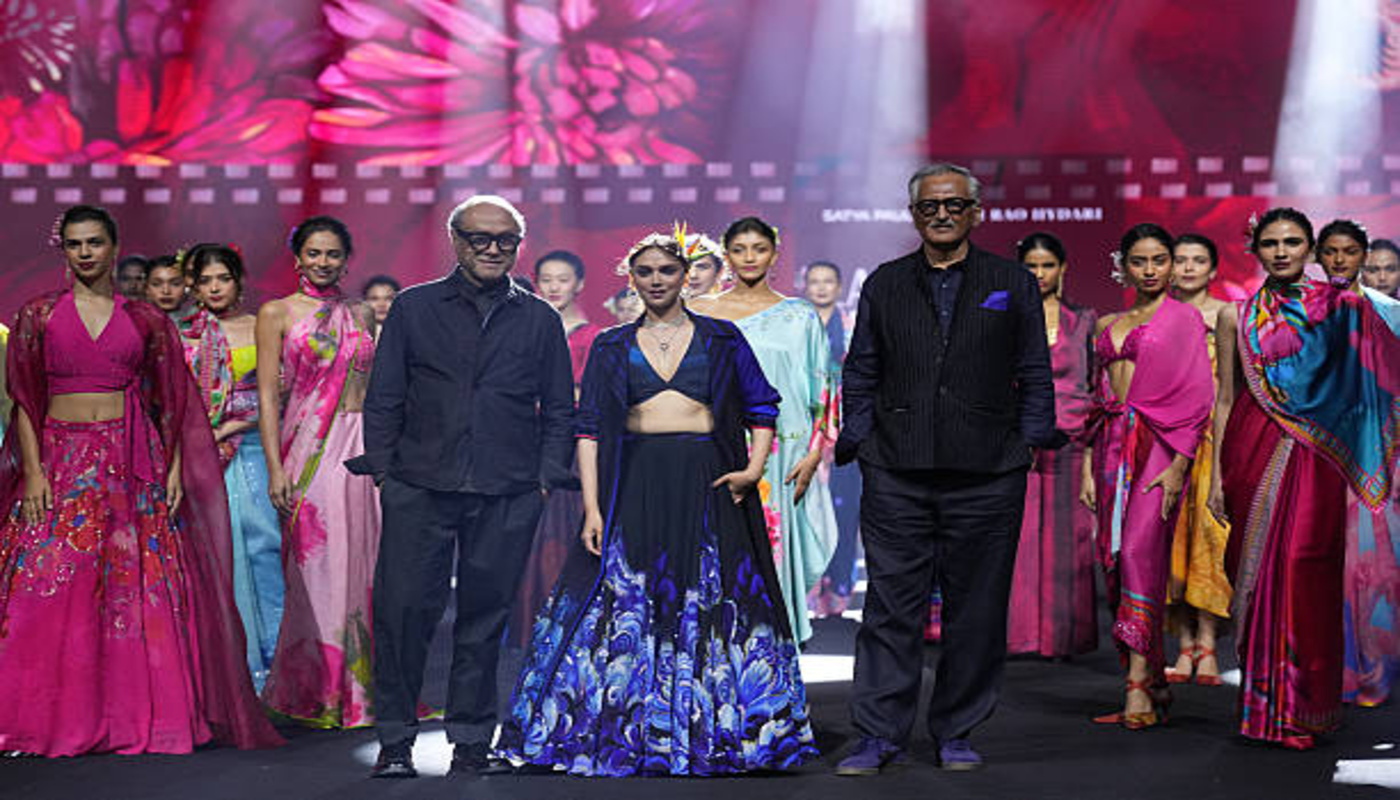
For decades, the Indian runway functioned as a visual echo of global fashion hierarchies—lean bodies, uniform heights, and a narrow definition of elegance dominated the stage. From the early days of organized showcases like Lakmé Fashion Week to the more policy-driven platforms of the Fashion Design Council of India (FDCI), the industry largely mirrored Eurocentric beauty standards, even while presenting distinctly Indian textiles and craftsmanship.
Yet, something has been quietly shifting. Not dramatically, not uniformly—but undeniably. The Indian runway is beginning to make space for bodies that were once relegated to the margins: plus-size models, older individuals, gender-fluid expressions, and people whose presence challenges long-standing aesthetic norms.
This expansion is not simply a trend; it is a cultural negotiation. It reflects changing consumer expectations, digital activism, global pressure, and a deeper psychological reckoning within the fashion industry itself. Indian fashion weeks are not merely showcasing clothes anymore—they are becoming sites where identity, aspiration, and belonging are contested and reimagined.
The question is not whether body diversity is entering Indian fashion—it is why now, and why slowly.
The Historical Blueprint: Imported Ideals, Local Contradictions
Indian fashion, despite its rich textile heritage, has long been shaped by colonial hangovers and globalization. The post-liberalization era of the 1990s saw India opening its markets—and with it, absorbing Western fashion imagery at scale. The “ideal body” became synonymous with international runway standards: tall, thin, and often disconnected from the average Indian physique.
This created a striking contradiction. Indian garments—saris, lehengas, anarkalis—are inherently adaptable to diverse body types. Historically, these silhouettes were never designed for a singular frame. Yet, the runway presentation of these garments became increasingly exclusionary.
Designers like Ritu Kumar and Sabyasachi Mukherjee have often emphasized heritage and inclusivity in their narratives, but the visual language of fashion weeks remained largely homogeneous for years.
This disconnect between cultural authenticity and visual representation laid the groundwork for critique. It also set the stage for the eventual shift toward diversity—because the exclusion was never entirely compatible with India’s lived reality.
The Intersection of Body Diversity and Sustainability
Interestingly, the conversation around body diversity is beginning to intersect with another major movement in fashion: sustainability. At first glance, these may seem like separate concerns, but they share a common foundation—rethinking excess, uniformity, and exclusion.
Sustainable fashion challenges the idea of mass production based on standardized sizes. It encourages customization, longevity, and adaptability—principles that naturally align with body inclusivity. When garments are designed to fit diverse bodies rather than forcing bodies to fit garments, waste is reduced and value is enhanced.
Indian fashion, with its tradition of made-to-measure clothing and artisanal craftsmanship, is uniquely positioned to lead this intersection. Designers who embrace both sustainability and inclusivity are not just responding to trends—they are reviving practices that have long existed within local cultures.
Fashion weeks are beginning to reflect this synergy. Shows that highlight handcrafted garments, modular designs, and flexible silhouettes often pair these with diverse casting, reinforcing the idea that inclusivity is integral to ethical fashion.
This convergence suggests that the future of fashion may not lie in perfection, but in adaptability—where both the planet and people are considered in design decisions.
Audience Reception: Between Applause and Adjustment
While the industry is evolving, audience reception remains a crucial factor in determining the pace of change. Reactions to diverse representation on Indian runways have been mixed—ranging from enthusiastic support to subtle discomfort.
For many viewers, seeing different body types on prestigious platforms is empowering. It validates their presence in spaces where they were previously invisible. Social media responses often reflect this emotional connection, with audiences expressing appreciation for brands that embrace inclusivity.
However, there is also an adjustment period. Years of exposure to narrow beauty standards have conditioned audiences to associate fashion with a specific look. When that look is disrupted, it can challenge deeply ingrained perceptions of elegance and desirability.
This tension is not necessarily negative. It indicates that change is occurring at a cognitive level. As audiences are repeatedly exposed to diverse representations, what initially feels unfamiliar gradually becomes normalized.
Fashion weeks, therefore, are not just showcasing diversity—they are educating audiences. They are expanding visual literacy, teaching viewers to appreciate beauty in forms they may not have previously considered.
The Future Trajectory: From Inclusion to Integration
The ultimate goal of body diversity in Indian fashion is not mere inclusion—it is integration. Inclusion suggests adding diversity into an existing framework, while integration implies transforming the framework itself.
At present, much of the progress is still in the inclusion phase. Diverse bodies appear, but often within limited contexts or specific shows. The next step is to ensure that diversity is embedded across all aspects of fashion weeks—from casting and design to marketing and media representation.
This will require sustained effort. It will involve rethinking sizing systems, expanding casting networks, and challenging internal biases within the industry. It will also demand collaboration between designers, institutions, and audiences to create a shared vision of inclusivity.
Encouragingly, the direction is clear. Each season brings incremental changes that collectively signal a broader transformation. The conversation is no longer about whether diversity belongs in fashion—it is about how deeply it can be integrated.
If this trajectory continues, Indian fashion weeks have the potential to redefine global standards—not by following trends, but by leading with authenticity, cultural depth, and a genuinely inclusive vision of beauty.
The Role of Education and Fashion Institutions
Another critical factor driving change is the influence of fashion education. Institutes across India are beginning to incorporate conversations around inclusivity, sustainability, and representation into their curricula. Young designers entering the industry today are more exposed to global discourses on body politics and are often more willing to challenge outdated norms.
This generational shift is significant. Unlike earlier eras where aspiring designers were trained to replicate established standards, today’s students are encouraged to question them. Classroom discussions around body image, consumer psychology, and ethical design are shaping a new mindset—one that views diversity not as a risk but as a responsibility.
Fashion weeks, in turn, become testing grounds for these ideas. Emerging designers often use these platforms to experiment with inclusive casting and adaptive design. While their influence may initially seem limited, these early interventions accumulate over time, gradually reshaping industry expectations.
Education, therefore, acts as a quiet but powerful catalyst. It ensures that the push for inclusivity is not just reactive but rooted in a deeper understanding of culture, identity, and human experience
Digital Disruption: Social Media as a Cultural Equalizer
The rise of platforms like Instagram and YouTube has fundamentally altered the power dynamics of fashion. No longer controlled solely by editors, designers, or casting directors, the narrative of beauty is now co-created by audiences.
Body positivity movements, once confined to niche communities, gained massive traction online. Indian creators began showcasing unfiltered bodies, regional identities, and everyday fashion—challenging the aspirational distance traditionally maintained by runway culture.
Influencers and activists didn’t just demand representation; they normalized it. Hashtags, reels, and viral campaigns created pressure that fashion weeks could no longer ignore. When audiences see diversity daily on their screens, the absence of it on prestigious runways becomes glaring.
This digital visibility has also democratized critique. A lack of inclusivity is no longer quietly noted—it is publicly called out. And in an industry driven by perception, public accountability matters.
Consumer Power: The Economics of Representation
Fashion is, at its core, a business. And businesses evolve when consumer expectations shift.
India’s fashion consumers are no longer passive recipients of trends. They are informed, vocal, and increasingly value-driven. The rise of e-commerce platforms and direct-to-consumer brands has further empowered buyers to choose labels that align with their identities.
When customers begin to ask: “Why don’t I see bodies like mine on the runway?”—it becomes a commercial question, not just a moral one.
Designers are recognizing that inclusivity is not a compromise—it is an expansion of market reach. Showcasing diverse body types signals that a brand is accessible, relatable, and relevant.
This is particularly significant in India, where body diversity is not the exception but the norm. Ignoring it is not just exclusionary—it is economically shortsighted.
Institutional Nudges: Policy, Panels, and Representation
Organizations like the Fashion Design Council of India (FDCI) have begun to subtly encourage inclusivity through curated shows, panel discussions, and thematic showcases. While there may not be strict mandates, there is a visible shift in tone.
Fashion weeks are increasingly positioning themselves as platforms for dialogue—not just display. Conversations around sustainability, gender fluidity, and body diversity are becoming part of the official narrative.
This institutional acknowledgment matters because it legitimizes the conversation. When inclusivity moves from the margins to the main stage, it gains credibility and momentum.
However, the pace remains gradual. Unlike some Western fashion councils that have introduced formal diversity guidelines, Indian institutions are navigating a more cautious path—balancing tradition, market readiness, and global expectations.
Designers as Cultural Interpreters
Designers play a crucial role in shaping what appears on the runway. Their choices—casting, styling, storytelling—determine whether diversity is embraced or sidelined.
Some designers have begun to challenge conventions more actively. Shows featuring plus-size models, older individuals, or non-binary representation are no longer unheard of. These moments, though still sporadic, carry symbolic weight.
What makes this shift particularly interesting in India is the intersection of modernity and tradition. Designers are not just rethinking body types—they are reimagining who gets to embody Indian culture on a global stage.
This is not without resistance. Fashion, as an aspirational industry, often fears that inclusivity might dilute its perceived glamour. Yet, a growing number of designers are proving that diversity does not diminish beauty—it deepens it.
Psychological Impact: From Aspiration to Alienation to Acceptance
For years, the Indian runway contributed to a psychological gap between aspiration and reality. Viewers admired the garments but rarely saw themselves reflected in the bodies wearing them.
This gap can have profound effects. Research in media psychology suggests that repeated exposure to narrow beauty standards can influence self-esteem, body image, and even purchasing behavior.
The gradual inclusion of diverse bodies begins to shift this dynamic. Representation fosters recognition—and recognition fosters acceptance.
When audiences see bodies that resemble their own, the relationship with fashion changes. It becomes less about unattainable ideals and more about personal expression.
This psychological shift is subtle but powerful. It redefines fashion not as a distant spectacle but as an inclusive language.
Global Influence: Learning Without Copying
Indian fashion does not exist in isolation. Global movements—such as the rise of body positivity in Western fashion weeks—have influenced local practices.
Events like New York and London Fashion Weeks have increasingly featured diverse models, setting precedents that resonate worldwide. Indian designers who showcase internationally bring these perspectives back home.
However, the Indian context requires adaptation, not imitation. Body diversity in India intersects with factors like caste, region, skin tone, and socio-economic background in ways that differ from Western narratives.
The challenge—and opportunity—is to create a uniquely Indian model of inclusivity. One that reflects local realities while engaging with global discourse.
Media Representation: From Tokenism to Narrative
Media coverage plays a critical role in shaping how diversity is perceived. Initially, inclusive casting was often treated as a novelty—highlighted as a “special moment” rather than a norm.
Headlines would emphasize the presence of a plus-size model or an older individual as an exception. While visibility increased, it also risked reinforcing the idea that such representation was unusual.
Gradually, this narrative is evolving. As diversity becomes more frequent, media coverage is beginning to focus less on the “difference” and more on the design, craftsmanship, and storytelling.
This shift from tokenism to integration is essential. True inclusivity is not about highlighting difference—it is about normalizing it.
Cultural Resistance: Tradition, Aspiration, and Anxiety
Despite progress, resistance remains. Indian society, like many others, holds deeply ingrained beliefs about beauty, respectability, and success.
Fashion weeks operate within this cultural framework. Designers and organizers must navigate audience expectations, brand positioning, and societal norms.
There is also an inherent tension between aspiration and relatability. Fashion has long been about projecting an ideal. Expanding body diversity challenges the very definition of that ideal.
This creates anxiety within the industry: Will inclusivity affect brand perception? Will audiences embrace it fully?
The slow pace of change reflects this cautious negotiation. It is not merely reluctance—it is a complex balancing act.
The Role of Celebrity Influence
Celebrity endorsements and appearances have historically shaped Indian fashion trends. When public figures embrace diverse representation, it sends a powerful message.
While many celebrities still align with conventional beauty standards, there have been moments where inclusivity has been celebrated—whether through campaigns, interviews, or runway appearances.
These moments matter because celebrities function as cultural amplifiers. Their choices influence both industry practices and public perception.
However, the shift toward diversity cannot rely solely on celebrity validation. Sustainable change requires structural transformation—not just symbolic gestures.
Beyond Size: Expanding the Definition of Diversity
Body diversity is often reduced to size inclusivity, but the conversation is far broader. Indian fashion weeks are beginning to explore diversity in age, gender identity, ability, and regional representation.
This expansion reflects a more holistic understanding of identity. It acknowledges that bodies are shaped by multiple factors—not just measurements.
For instance, showcasing older models challenges ageism, while gender-fluid casting questions binary norms. These shifts are not just aesthetic—they are ideological.
They signal a move toward a more inclusive understanding of what it means to belong in fashion.
The Business of Slow Change
Why is the change gradual rather than rapid?
Because fashion ecosystems are complex. Designers, sponsors, media, and consumers all influence decision-making. Rapid shifts can risk alienating certain stakeholders, while slow changes allow for adaptation.
Moreover, infrastructure plays a role. Sample sizes, production processes, and casting networks have historically been built around limited body types. Expanding diversity requires logistical adjustments—not just ideological shifts.
This does not justify the slow pace—but it helps explain it.
A New Aesthetic Language
As diversity increases, the visual language of Indian fashion is evolving. Styling, choreography, and storytelling are adapting to accommodate different bodies.
This evolution challenges traditional notions of symmetry and uniformity. It introduces variation, individuality, and authenticity into the runway experience.
The result is a richer, more layered aesthetic—one that reflects the complexity of contemporary India.
Conclusion: Toward a More Inclusive Future
The expansion of body diversity in Indian fashion weeks is neither linear nor complete. It is a work in progress—shaped by cultural tensions, economic realities, and evolving social values.
What makes this moment significant is not just the presence of diverse bodies on the runway, but the conversations surrounding them. These conversations signal a deeper shift in how beauty, identity, and belonging are understood.
Indian fashion stands at an intersection—between tradition and transformation, aspiration and authenticity. The choices made now will determine whether inclusivity becomes a foundational principle or remains a passing trend.
The slow pace of change may be frustrating, but it also suggests something important: this is not superficial adaptation. It is a structural rethinking.
And in that rethinking lies the possibility of a fashion industry that does not just dress bodies—but recognizes them, respects them, and represents them in all their diversity.
Sources: Vogue India, Business of Fashion, The Hindu, Elle India, Hindustan Times