 by
by In a world saturated with flawless faces and picture-perfect bodies, a profound shift is emerging in the field of visual media — one that celebrates authenticity, embraces imperfection, and elevates the beauty of genuine human skin. This is the era of Real-Skin Photography: a movement that prioritizes the unfiltered, unedited texture of human skin — complete with its nuances, marks, and individuality. More than just an aesthetic trend, Real-Skin Photography reflects broader cultural changes around identity, self-acceptance, diversity, and inclusivity. It challenges conventional beauty standards, disrupts commercialized perfection, and invites viewers to connect with the real human experience.
In this article, we explore what Real-Skin Photography is, its rise to prominence, the cultural forces driving it, its impact on body inclusivity and mental health, and what it means for the future of visual storytelling.
What Is Real-Skin Photography?
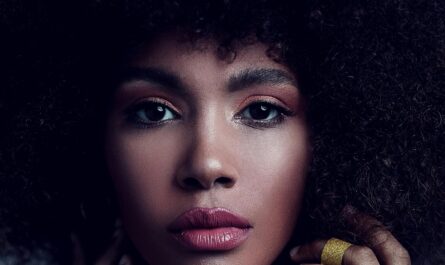
At its core, Real-Skin Photography is a style of photographic representation that intentionally showcases human skin in its natural state — unretouched, unfiltered, and true to life. Rather than relying on digital alteration to smooth textures, eliminate blemishes, or engineer symmetry, this form of photography embraces:
- Skin texture — including pores, freckles, wrinkles, and stretch marks
- Natural tones — capturing variations in pigmentation
- Imperfections — scars, acne marks, birthmarks, and other unique characteristics
- Body hair — in all its forms and lengths
- Diverse bodies — across size, age, ability, ethnicity, and gender identity
Real-Skin Photography challenges the historical dominance of airbrushed perfection and invites both creators and audiences to celebrate humanity as it truly appears.
The Historical Context: From Flawless Facades to Authentic Frames
To fully appreciate the rise of Real-Skin Photography, it’s essential to understand the visual landscape that preceded it.
The Age of Post-Production Perfection
For much of the 20th century and early 21st century, commercial photography — particularly in fashion and advertising — relied heavily on photo editing. Tools like airbrushing and, later, digital software like Photoshop enabled image creators to:
- Remove visible texture from skin
- Reshape bodies and faces to fit narrow beauty norms
- Erase signs of aging or variation
- Smooth away scars and blemishes
While this created aesthetically polished visuals, it also propagated unrealistic standards of beauty that were narrow, exclusionary, and often unattainable. Millions of viewers — especially young people — absorbed these visuals as benchmarks of desirability and worth.
A Turning Tide: Beyond Perfection
As digital image manipulation became more sophisticated and widespread, a counter-movement began to take shape:
- Online communities questioned the impact of edited images on self-esteem and body image
- Influencers and creators began sharing unedited photos, revealing their skin as it naturally appears
- Social movements like body positivity and body neutrality gained traction across social platforms
- Activists called for transparency in advertising and media
Slowly, the cultural script began to change. What was once hidden or suppressed in imagery — the raw texture and variances of real skin — started to be celebrated.
What Fuels the Popularity of Real-Skin Photography?
Several cultural, technological, and social forces intersect to drive the rise of Real-Skin Photography. These include:
1. A Growing Demand for Authenticity
Today’s audiences — particularly younger generations — increasingly crave authenticity. As social media brought more curated lives online, viewers became hyper-aware of the gap between polished visuals and everyday reality. Many now seek images that feel more genuine, relatable, and human.
Real-Skin Photography fills this demand by showcasing visual narratives that reflect real experiences rather than idealized fantasies.
2. The Body Positivity and Inclusivity Movement
The body positivity movement has helped dismantle harmful stereotypes about beauty and worth. By advocating that all bodies are worthy of respect, representation, and celebration, this movement directly supports the ethos of Real-Skin Photography.
Inclusion of diverse skin types, conditions, and textures helps broaden the narrative of what beauty can encompass.
3. Rise of Social Platforms Focused on Real Connection
Apps like TikTok and Instagram have shifted cultural expectations around polished perfection. Features like unfiltered video, daily stories, and candid snapshots invite natural representation over staged portrayals.
Creators who share deeply personal, unedited content often find stronger engagement — driven by emotional relatability.
4. Mental Health Awareness
There’s increasing recognition that relentless exposure to idealized bodies can impact mental health — contributing to low self-esteem, anxiety, disordered eating, and body dissatisfaction. Real-Skin Photography, by contrast, promotes acceptance and normalization of human variance.
This shift represents a more compassionate approach to imagery — one that supports wellbeing over comparison.
Real-Skin Photography in Practice: Examples and Approaches
Real-Skin Photography isn’t confined to a single genre; it appears across diverse creative fields:
Fashion and Editorial
Some fashion photographers and brands now opt for campaigns featuring:
- Models of all ages and body types
- Natural lighting that highlights real skin texture
- Minimal retouching
- Stories centered on individuality rather than perfection
These projects challenge traditional notions of glamour and open space for inclusive visual narratives.
Portraiture and Fine Art
Artists using Real-Skin Photography in portraiture often aim to capture:
- Emotional truth in subjects
- Aesthetic integrity rooted in reality
- Visual storytelling anchored in human complexity
Here, the focus isn’t on selling a product but conveying character, resilience, and lived experience.
Documentary and Social Commentary
Photographers working on documentary projects may use Real-Skin Photography to explore issues like:
- Identity and cultural heritage
- Aging and life transitions
- Disability and visibility
- Social stigma and liberation
In these contexts, skin becomes a visual language, revealing stories and truths that polished imagery can obscure.
Why Real Skin Matters: Beyond Aesthetics
The significance of Real-Skin Photography extends far beyond visual style. Its impact resonates across cultural, psychological, and social domains.
1. Challenging Arbitrary Beauty Standards
Beauty standards are socially constructed — shaped by media, advertising, and cultural narratives. Real-Skin Photography confronts these constructions by presenting alternative visuals that:
- Break away from homogenized ideals
- Celebrate diverse forms of beauty
- Normalize what was once deemed “imperfect”
When diverse bodies and skin types are visibly represented, the definition of beauty expands.
2. Empowering Personal Confidence
Seeing real skin in media can be empowering. When people encounter images that reflect their own physical reality — including skin conditions, scars, or age-related changes — it can:
- Reduce feelings of shame or inadequacy
- Inspire self-acceptance
- Foster healthier body image
This psychological impact is profound: representation matters.
3. Building Community and Solidarity
Real-Skin Photography creates spaces where people can connect over shared experiences. Whether it’s stretch marks, vitiligo, freckles, or scars, these features become points of affirmation rather than exclusion.
It humanizes what was once marginalized and unspoken.
4. Opening Dialogue Around Diversity and Inclusion
By elevating skin variations in visual narratives, Real-Skin Photography prompts broader conversations about:
- Race and pigmentation diversity
- Accessibility and visibility for people with skin conditions
- How society perceives aging
- The impacts of digital retouching in media
These dialogues help shift cultural norms toward inclusivity and empathy.
Critiques and Considerations
While Real-Skin Photography has transformative potential, it’s important to approach it with nuance.
1. Commodification Risks
Some critics argue that what starts as an authentic movement can be co-opted into a marketable aesthetic — where the “raw look” becomes another trend to sell products. True transformation requires commitment to values, not just visuals.
2. Balance Between Art and Exploitation
Photographers must navigate ethical considerations when depicting vulnerability. Consent, respect, and context matter deeply — especially when portraying individuals with sensitive experiences or histories.
Authenticity should never become exploitation.
3. Diversity Within Authenticity
Real skin exists in countless forms. True inclusivity requires representation across spectrums like:
- Ethnicity and race
- Gender identity and expression
- Body size and shape
- Age
- Ability and disability
A narrow representation of “natural” is still a limitation if it excludes major parts of the human experience.
How Real-Skin Photography Impacts Broader Cultural Narratives
The rise of Real-Skin Photography isn’t an isolated phenomenon; it intersects with broader shifts in culture and media:
Redefining Beauty as Relational, Not Idealized
Traditional media often portrays beauty as distant, perfect, and aspirational. Real-Skin Photography reframes beauty as relational — rooted in lived experience, connection, and truth. Instead of convincing viewers to strive for a distant ideal, it invites them to recognize beauty where they already exist.
Amplifying Marginalized Voices
Authentic representation opens space for voices historically excluded from mainstream imagery — such as people with disabilities, diverse skin conditions, nonbinary and trans individuals, and older adults. Visual representation is political; it shapes perception and belonging.
Shifting Consumer Expectations
As audiences demand more authentic representation, industries evolve. Brands authentically embracing Real-Skin Photography can:
- Build trust
- Reflect customer diversity
- Create deeper emotional resonance with audiences
This matters not only in fashion and beauty but also in advertising, film, and digital content.
Real-Skin Photography and the Future of Visual Culture
The rise of Real-Skin Photography suggests significant cultural and creative shifts ahead.
1. New Visual Language of Imperfection
Future visual culture may increasingly embrace imperfection as a core aesthetic, where skin variations become beautiful textures rather than flaws — much like how art movements once embraced visible brushstrokes instead of polished surfaces.
2. Evolving Technology That Prioritizes Truth
Advances in imaging technology — from smartphone cameras to AI — can either enhance Real-Skin Photography or hinder it. As editing tools become more powerful, ethical practices around transparency and representation will become even more essential.
3. Education and Media Literacy
Understanding how imagery influences perception will become a greater focus in education. Real-Skin Photography can serve as a tool to teach media literacy — helping people discern between constructed visuals and authentic representation.
Conclusion: Real Skin, Real Stories, Real Impact
The rise of Real-Skin Photography marks a pivotal shift in how we see ourselves and one another. It’s more than a trend — it’s a cultural reawakening that reclaims the narrative around beauty, worth, and human experience. In celebrating real skin — in all its textures, tones, and stories — we affirm that authenticity is not just beautiful but necessary.
Real-Skin Photography challenges us to look beyond perfection, appreciate diversity, and find connection in raw human expression. In a world that once idolized polish, this movement stands for truth. And in truth, we find not only beauty — but belonging.