 by
by For many people, makeup isn’t just about color, contour, or creativity—it’s about armor. A shield against judgment. A way to feel “presentable,” “acceptable,” or worthy of being seen. Society has long equated makeup with professionalism, beauty, and even self-respect, especially for women and marginalized genders. So when someone chooses—or needs—to go without it, the experience can feel deeply uncomfortable, even destabilizing.
But confidence without makeup isn’t about rejecting makeup entirely or claiming moral superiority for going bare-faced. It’s about untangling your sense of worth from external validation, learning to feel safe and secure in your natural appearance, and realizing that your value was never in the concealer to begin with.
This journey is not instant. It’s emotional, layered, and deeply personal. And it’s absolutely possible.
Why Confidence Often Feels Tied to Makeup
Before learning how to build confidence without makeup, it’s important to understand why makeup can feel so essential in the first place.
Beauty Standards Are Learned, Not Natural
From a young age, we’re surrounded by messages that tell us our natural faces aren’t enough. Clear skin, even tone, bright eyes, sculpted features—these ideals are everywhere. Advertising, social media filters, celebrity culture, and even casual comments from family reinforce the idea that flaws should be hidden.
Makeup becomes a solution to a problem that was socially manufactured.
Makeup Is Often Linked to Approval
Compliments like “You look tired without makeup” or “You look so much better with it” teach us—sometimes unconsciously—that our natural face is inferior. Over time, confidence becomes conditional: I feel good when I’m enhanced. I feel exposed when I’m not.
It Can Become a Safety Net
For many people, makeup provides emotional safety. It can help with:
- Social anxiety
- Fear of being judged
- Body image struggles
- Feeling invisible or overlooked
Removing makeup can feel like removing protection. That discomfort doesn’t mean you’re weak—it means you’re human.
Reframing What Confidence Really Is
One of the biggest myths about confidence is that it’s about loving how you look all the time. In reality, confidence is about trusting yourself, even on days you don’t feel beautiful.
Confidence without makeup doesn’t mean:
- You always feel attractive
- You never care what others think
- You never wear makeup again
It means:
- Your self-worth doesn’t disappear when makeup does
- You feel grounded in your identity beyond appearance
- You can show up as you are, without apology
Confidence is not the absence of insecurity—it’s the ability to exist with it.
Step 1: Examine Your Relationship With Makeup Honestly
Instead of asking, “How do I stop wearing makeup?” ask:
- Why do I feel I need it?
- What emotions come up when I don’t wear it?
- What am I afraid will happen if people see my bare face?
These answers are not meant to shame you. They are clues.
For some, makeup is creative expression. For others, it’s a coping mechanism. For many, it’s both. Understanding your personal reasons allows you to make choices from awareness, not pressure.
Step 2: Separate Grooming From Worth
There’s a difference between taking care of yourself and trying to earn acceptance.
Basic grooming—washing your face, moisturizing, brushing your hair—is about comfort and health. Makeup often gets framed as “self-care,” but when it feels compulsory, it stops being care and starts being obligation.
Try reframing:
- You are not “lazy” for skipping makeup
- You are not “unprofessional” for having a natural face
- Your face is not unfinished without cosmetics
Your bare face is not a draft. It’s the final version.
Step 3: Start With Low-Stakes, Makeup-Free Moments
You don’t need to go cold turkey.
Begin by going makeup-free in environments where the emotional risk is low:
- Quick errands
- Walks
- Visiting close friends
- Working from home
Notice what actually happens versus what you fear will happen. Often, the world reacts far less dramatically than our inner critic predicts.
Each neutral or positive experience without makeup slowly retrains your nervous system: I am safe like this.
Step 4: Practice Neutral Self-Talk, Not Forced Positivity
You don’t have to stand in the mirror and declare, “I love my bare face!” if that feels fake. Forced positivity can backfire.
Instead, aim for neutral acceptance:
- “This is my face today.”
- “I don’t need to judge this moment.”
- “My face does not determine my value.”
Neutrality creates emotional breathing room. Confidence grows in that space.
Step 5: Detach Confidence From External Feedback
One reason makeup feels confidence-boosting is because it often leads to more compliments. When those disappear, it can feel like confirmation of our worst fears.
But compliments are not proof of worth. They are reflections of cultural preferences.
Try asking yourself:
- Who do I feel confident for—myself or others?
- If no one commented on my appearance, how would I want to feel?
Real confidence is internal consistency, not constant affirmation.
Step 6: Redefine What It Means to Feel “Put Together”
Many people associate makeup with looking “polished.” But polish doesn’t have to mean painted.
Confidence without makeup can come from:
- Clothes that fit and feel good
- Good posture
- Intentional body language
- Eye contact and presence
- Speaking with clarity and self-respect
These signals often communicate confidence more powerfully than eyeliner ever could.
Step 7: Normalize Seeing Your Bare Face
If you only see yourself without makeup at night or when you’re exhausted, your brain associates your bare face with low energy or vulnerability.
Try spending intentional time with your natural face:
- Look at yourself in natural light
- Take makeup-free photos (not to post—just for you)
- Notice details without critique
Familiarity breeds comfort. Comfort breeds confidence.
Step 8: Question the “Professionalism” Myth
One of the most harmful narratives is that makeup equals professionalism. This expectation disproportionately affects women, femmes, and people in visible roles.
Ask yourself:
- Why is a natural face seen as unprofessional?
- Who benefits from this standard?
- Would the same expectation apply to everyone?
Your competence does not live in your lashes or lipstick. You don’t owe the workplace aesthetic compliance.
Step 9: Allow Yourself to Feel Awkward
Building confidence without makeup doesn’t mean you’ll feel instantly empowered. You might feel:
- Exposed
- Awkward
- Less expressive
- Emotionally raw
That discomfort is not failure—it’s adjustment.
Confidence isn’t the absence of awkwardness. It’s the willingness to exist through it without retreating.
Step 10: Let Confidence Come From What Your Body Does
Appearance-based confidence is fragile because it depends on perception. A more resilient form of confidence comes from function, not form.
Shift focus to:
- What your face allows you to express
- How your body supports you through the day
- The sensations of breathing, smiling, speaking
Your body is not decoration. It’s participation.
Step 11: Curate What You Consume
If your social media feed is full of filtered faces and flawless skin, confidence without makeup will always feel like swimming upstream.
Actively seek:
- Bare-faced representation
- Diverse skin textures
- Unfiltered creators
- Realistic portrayals of aging, acne, and expression lines
Representation matters not because it tells you how to look, but because it expands what feels acceptable.
Step 12: Release the “All or Nothing” Mentality
Confidence without makeup doesn’t require you to reject makeup forever.
You can:
- Wear makeup sometimes
- Enjoy it creatively
- Use it intentionally
The difference is choice versus compulsion.
Confidence exists when you know you can wear makeup—but you don’t need it to feel worthy.
Step 13: Address Deeper Insecurities With Compassion
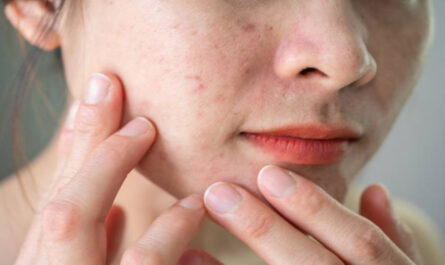
For some people, makeup covers more than skin—it covers pain. Acne, scars, dark circles, or discoloration can carry emotional weight tied to shame, bullying, or trauma.
If makeup feels necessary for emotional survival, that deserves compassion, not pressure to “just be confident.”
Confidence is not about forcing yourself to be okay—it’s about meeting yourself where you are and moving gently forward.
Step 14: Redefine Beauty on Your Own Terms
Ask yourself:
- What does beauty mean to me, outside of trends?
- When do I feel most myself?
- What moments make me forget how I look?
Often, the moments we feel most confident have nothing to do with mirrors.
Step 15: Understand That Confidence Is a Practice, Not a Trait
Confidence without makeup is not something you “achieve” once and keep forever. It’s a practice—one that shifts with:
- Hormones
- Aging
- Life changes
- Mental health
Some days will feel easy. Others won’t. Both are valid.
You Are Not Less Without Makeup
Choosing to build confidence without makeup is not about rejecting beauty—it’s about reclaiming it. It’s about recognizing that your face is not a problem to be solved, softened, or corrected.
You don’t need to earn your right to exist visibly.
Your bare face is not unprofessional.
It is not lazy.
It is not unfinished.
It is human.
And confidence—real confidence—comes from knowing that you are allowed to take up space exactly as you are.