 by
by Introduction: A Cultural Shift Woven Into Fabric
Fashion has always been more than clothing—it is a language, a social signal, and a reflection of the times we inhabit. Across centuries, garments have been used to define gender roles, reinforce hierarchies, and construct identities. Yet, in the 21st century, something fundamental is shifting. The lines that once strictly divided “menswear” and “womenswear” are blurring, and in their place, a more fluid, expressive, and inclusive approach to fashion is emerging.
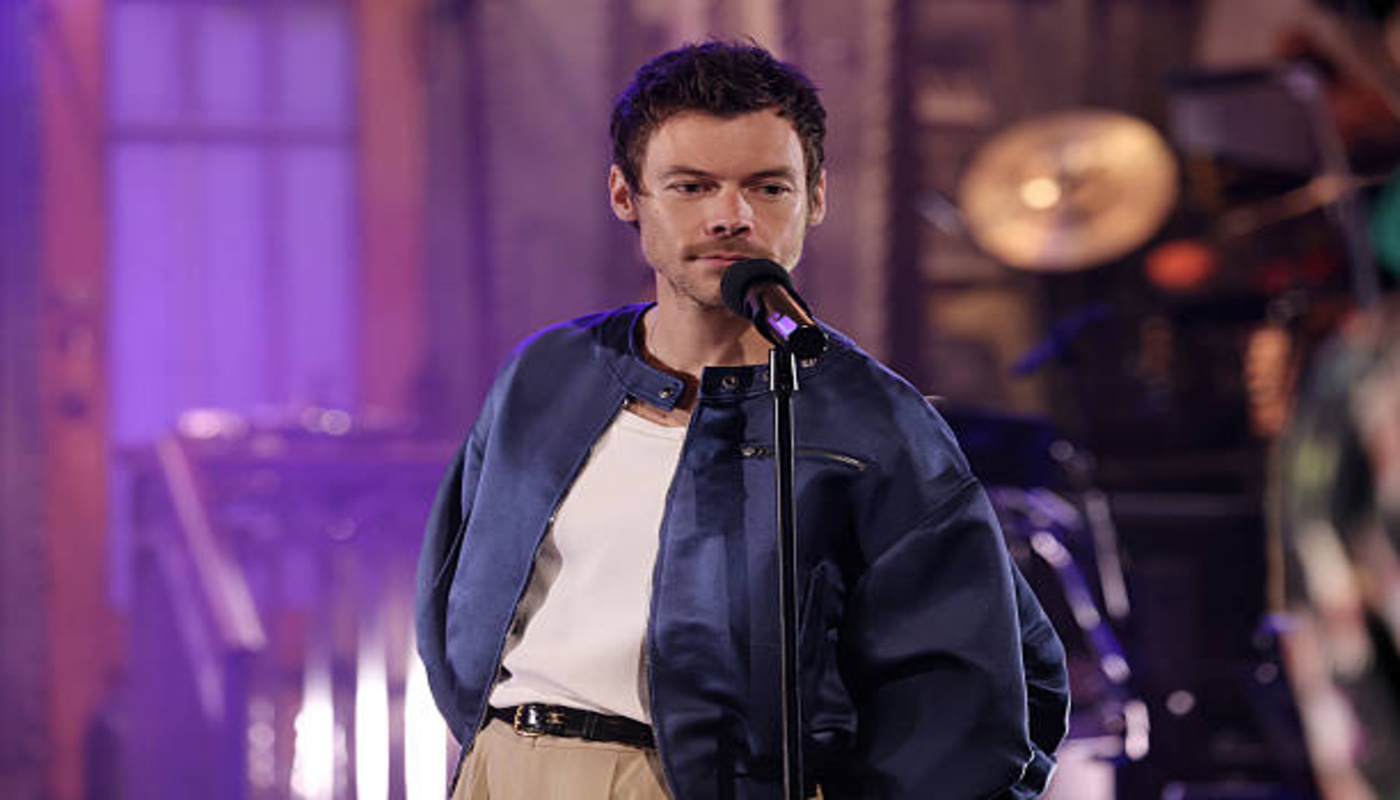
At the center of this transformation stands Harry Styles—not as the sole architect, but as a powerful cultural amplifier. His presence in feather boas, pearl necklaces, lace blouses, and tailored suits has not simply challenged expectations; it has helped normalize a broader reimagining of gender expression through clothing. Importantly, this shift is not about shock value or rebellion for its own sake. Instead, it reflects a deeper cultural movement toward authenticity, emotional freedom, and the dismantling of rigid binaries.
This article explores how gender-neutral fashion has evolved, how Harry Styles has influenced its mainstream visibility, and why this shift matters—not only within fashion but across psychological, cultural, and global contexts.
Fashion and Gender: A Historical Context
Before understanding the present, it is essential to recognize that gendered fashion is not a fixed concept—it is historically constructed and constantly evolving.
In earlier centuries, men’s fashion was often elaborate, colorful, and expressive. European aristocrats wore silk, embroidery, heels, and wigs—elements that today might be labeled as feminine. The shift toward muted, “masculine” clothing in Western societies largely took hold during the 18th and 19th centuries, often referred to as the “Great Masculine Renunciation.” Men’s fashion became subdued, prioritizing utility and authority, while women’s fashion absorbed ornamentation and aesthetic expression.
This historical pivot created a binary framework that linked clothing directly to gender identity. Over time, this framework became deeply ingrained, influencing everything from retail structures to social expectations.
The late 20th and early 21st centuries, however, began to challenge this rigidity. Designers, subcultures, and activists started to question why fabric, color, or silhouette should be inherently gendered. Gender-neutral fashion emerged not as a trend, but as a critique of the system itself.
The evolution of gender-neutral fashion also invites a deeper examination of how language shapes perception. Terms like “menswear” and “womenswear” are not just descriptors; they function as cultural boundaries that subtly guide consumer behavior and self-perception. When individuals shop within these predefined categories, they are often unconsciously aligning themselves with societal expectations. Harry Styles’ approach disrupts this linguistic framework by treating clothing as inherently ungendered. He does not rebrand garments with new labels; instead, he removes the need for labels altogether. This seemingly simple shift has profound implications. It challenges the idea that identity must be externally validated through conformity and instead encourages an internal dialogue about personal preference and comfort. As more public figures and consumers adopt this mindset, the industry may gradually move toward a vocabulary that prioritizes style, fit, and emotion over gender classification. This linguistic evolution is crucial because it operates at a subconscious level, reshaping how future generations understand not just fashion, but identity itself. In this way, gender-neutral fashion becomes not only a visual transformation but also a conceptual one, altering the very language through which we interpret self-expression.
Another critical dimension of this movement is its intersection with accessibility and class. While gender-neutral fashion is often celebrated for its inclusivity, it is important to acknowledge that not everyone has equal access to participate in it. High-fashion interpretations of gender fluidity, including many of Harry Styles’ most iconic looks, are often rooted in luxury brands and editorial spaces that remain financially inaccessible to a large portion of the global population. This raises important questions about who gets to experiment freely with identity and who must navigate stricter social and economic constraints. However, the influence of such high-profile moments often trickles down into more affordable fashion markets, where interpretations become more accessible. Fast fashion and independent designers alike have begun incorporating unisex designs, relaxed silhouettes, and versatile pieces that appeal to a broader audience. While this democratization is not without its ethical challenges—particularly regarding sustainability and labor—it does expand the reach of gender-neutral fashion beyond elite circles. The tension between exclusivity and accessibility remains unresolved, but it also highlights the need for a more equitable fashion ecosystem where self-expression is not limited by economic boundaries.
Finally, the rise of gender-neutral fashion through figures like Harry Styles signals a broader cultural readiness to embrace ambiguity. For much of modern history, ambiguity—whether in identity, expression, or meaning—has been treated as something to resolve or categorize. Today, there is a growing acceptance of ambiguity as a space of possibility rather than confusion. Fashion plays a unique role in this shift because it is both highly visible and deeply personal. When individuals see public figures confidently occupying this space of in-betweenness, it legitimizes their own experiences of not fitting neatly into predefined categories. This is particularly meaningful in a world that is increasingly interconnected yet still grappling with polarization and rigid ideologies. Gender-neutral fashion, in this sense, becomes a quiet form of cultural resistance—not through loud or confrontational statements, but through the steady normalization of fluidity. As this perspective continues to gain traction, it may influence not only how we dress, but how we approach identity in all its forms, fostering a society that values openness, nuance, and the freedom to exist beyond binaries.
Harry Styles as a Cultural Catalyst
Harry Styles’ influence lies not in inventing gender-fluid fashion, but in making it visible, accessible, and culturally resonant on a global scale.
His public appearances—whether on stage, in editorial spreads, or on red carpets—consistently defy traditional menswear norms. A pivotal cultural moment came with his appearance on the cover of Vogue in 2020, where he wore a dress. This was not the first time a male-presenting individual had worn a dress publicly, but the scale of visibility and mainstream reach made it a defining moment in contemporary fashion discourse.
In interviews, Styles has articulated his approach to fashion in simple yet impactful terms. He has spoken about rejecting arbitrary boundaries, emphasizing that clothing should be about joy, creativity, and self-expression rather than conformity. This framing is significant—it shifts the conversation from provocation to authenticity.
What makes his influence particularly powerful is his positioning within mainstream pop culture. Unlike niche designers or underground artists, Styles operates within a highly visible, global platform. His choices reach audiences who may not actively engage with fashion theory or gender discourse, thereby expanding the conversation beyond traditional boundaries.
Beyond Aesthetic: The Psychology of Clothing and Identity
Clothing is deeply tied to identity formation. Psychological research has long explored the concept of “enclothed cognition”—the idea that what we wear influences how we think, feel, and behave.
Gender-neutral fashion disrupts internalized norms that dictate how individuals should present themselves based on their gender. For many, especially younger generations, this creates space for exploration and self-definition. It allows individuals to engage with fashion as a tool for authenticity rather than compliance.
Harry Styles’ visibility plays a role in this psychological shift. When a widely recognized figure embraces non-binary fashion choices without apology or explanation, it reduces the perceived risk associated with similar expressions. It sends a subtle but powerful message: deviation from norms does not diminish identity—it can enrich it.
This is particularly significant in cultures where gender expectations are rigid. Representation at a global scale can influence personal confidence, even if indirectly. It helps individuals reframe their relationship with clothing—from something that must align with societal expectations to something that can reflect internal truth.
The Commercialization of Gender-Neutral Fashion
As with any cultural shift, the fashion industry has responded—sometimes thoughtfully, sometimes opportunistically.
Major brands and designers have increasingly introduced gender-neutral or unisex collections. Retail spaces are experimenting with non-gendered sections, and marketing campaigns are becoming more inclusive in their representation. This shift reflects both changing consumer values and the economic potential of a more inclusive approach.
However, commercialization raises important questions. When gender-neutral fashion becomes a market category, does it risk losing its radical edge? Is it being embraced as a genuine movement, or simply as a profitable trend?
Harry Styles’ collaborations and brand affiliations have navigated this space with varying degrees of authenticity. His involvement in fashion often aligns with his personal aesthetic rather than appearing purely strategic. This consistency helps maintain credibility, but it also highlights the broader tension within the industry.
True inclusivity requires more than aesthetic change—it demands structural shifts in sizing, accessibility, pricing, and representation. While progress is evident, the journey is far from complete.
Global Perspectives: Beyond Western Narratives
While much of the conversation around gender-neutral fashion is framed through Western lenses, fluidity in clothing is not a new concept globally.
In South Asia, garments like kurtas, shawls, and draped fabrics have historically been worn across genders, with variations in styling rather than strict divisions. In parts of Africa, traditional attire often emphasizes community identity over gender differentiation. Similarly, East Asian fashion has long embraced androgynous aesthetics, particularly in contemporary streetwear and pop culture.
Harry Styles’ influence intersects with these global traditions in complex ways. On one hand, his visibility helps normalize fluid fashion in Western contexts. On the other, it risks overshadowing cultures where such fluidity has always existed.
This raises an important point: gender-neutral fashion should not be seen as a Western innovation, but as a global continuum. Recognizing this helps avoid cultural erasure and fosters a more inclusive understanding of fashion history.
Media, Masculinity, and Emotional Expression
One of the most profound impacts of gender-neutral fashion lies in its relationship with masculinity.
Traditional masculinity has often been associated with restraint—emotionally, aesthetically, and behaviorally. Clothing has played a role in reinforcing this restraint, limiting the scope of acceptable self-expression for men.
Harry Styles challenges this paradigm not through confrontation, but through embodiment. His fashion choices are often paired with a broader emotional openness in his public persona—whether in interviews, performances, or interactions with fans.
This integration is crucial. It suggests that aesthetic fluidity and emotional vulnerability are interconnected. By expanding the boundaries of what masculinity can look like, gender-neutral fashion contributes to a broader cultural shift toward emotional inclusivity.
This does not mean that traditional expressions of masculinity are inherently problematic. Rather, it emphasizes the importance of choice—the ability to define oneself beyond prescribed norms.
Criticism and Cultural Resistance
Despite its growing acceptance, gender-neutral fashion continues to face criticism and resistance.
Some critiques stem from concerns about cultural authenticity, questioning whether mainstream figures are appropriating or diluting subcultural movements. Others are rooted in discomfort with changing norms, reflecting deeper societal anxieties about identity and tradition.
Harry Styles himself has been both celebrated and criticized. Some view his fashion as groundbreaking, while others argue that it is less radical than it appears, particularly given his position within a privileged, mainstream context.
These critiques are not without merit. They highlight the importance of nuance in cultural analysis. Influence does not exist in a vacuum—it is shaped by context, privilege, and perception.
However, it is also important to recognize the value of visibility. Even if a figure’s actions are not revolutionary in isolation, their impact can still be significant in shifting public discourse.
The Role of Social Media in Amplifying Change
Social media has played a pivotal role in the rise of gender-neutral fashion.
Platforms like Instagram, TikTok, and Pinterest have democratized fashion, allowing individuals to share their personal styles without gatekeeping. This has led to the emergence of micro-trends, diverse representations, and global cross-pollination of ideas.
Harry Styles’ fashion moments often go viral, sparking conversations that extend far beyond traditional media outlets. These digital interactions create a feedback loop—visibility leads to discussion, which leads to normalization, which in turn encourages further expression.
Importantly, social media also provides space for voices that challenge or expand upon mainstream narratives. Independent creators, activists, and designers contribute to a more nuanced and inclusive conversation around gender and fashion.
Youth Culture and the Future of Fashion
Younger generations are at the forefront of embracing gender-neutral fashion. Surveys and cultural observations consistently indicate that Gen Z, in particular, is more open to fluid identities and expressions than previous generations.
This openness is reflected in their approach to clothing. For many, the question is no longer whether an item is “for men” or “for women,” but whether it resonates with their personal style.
Harry Styles’ influence aligns with this generational shift. His audience includes a significant number of young people who see his fashion choices not as anomalies, but as affirmations of their own perspectives.
This generational alignment suggests that gender-neutral fashion is not a passing trend, but a lasting transformation. As these young consumers become the primary drivers of the fashion industry, their values will shape its future.
Reimagining Fashion Spaces and Structures
The rise of gender-neutral fashion also calls for a rethinking of how fashion is structured—both physically and conceptually.
Retail spaces traditionally divided by gender may become obsolete, replaced by more fluid, category-based layouts. Sizing systems, often rooted in gendered assumptions, may need to evolve to accommodate diverse body types and preferences.
Design processes may shift toward versatility, creating garments that can be styled in multiple ways rather than confined to a single identity.
These changes require more than aesthetic adjustments—they demand systemic transformation. While progress is underway, it is uneven and ongoing.
An often overlooked aspect of gender-neutral fashion is its potential to reshape interpersonal perception and social interaction. Clothing acts as one of the first signals through which people are read and categorized, influencing assumptions about personality, profession, and even morality. When individuals adopt styles that blur traditional gender markers, it interrupts these automatic judgments, creating a moment of cognitive pause. Harry Styles’ public appearances frequently generate this pause on a global scale, prompting audiences to reconsider how quickly and rigidly they assign meaning based on appearance. This disruption is subtle but powerful—it encourages a shift from assumption to curiosity. Over time, repeated exposure to such ambiguity can retrain social instincts, making people more open-minded and less reliant on visual stereotypes. This has implications beyond fashion, potentially influencing how societies approach diversity in areas such as workplace dynamics, education, and media representation. As gender-neutral fashion becomes more normalized, it may contribute to a broader cultural habit of withholding immediate judgment, allowing space for more nuanced understanding of identity. In this sense, the movement extends far beyond aesthetics, fostering a social environment where individuals are seen as complex and multifaceted rather than confined to predefined visual cues.
Conclusion: Toward a More Expansive Future
The rise of gender-neutral fashion represents more than a shift in style—it reflects a broader cultural movement toward inclusivity, authenticity, and self-expression.
Harry Styles’ influence has been instrumental in bringing this movement into mainstream consciousness. Through his visibility, he has helped normalize a more fluid approach to fashion, encouraging individuals to explore identity beyond traditional boundaries.
Yet, it is important to view this influence within a larger context. Gender-neutral fashion is not the creation of any single moment—it is the result of decades of cultural evolution, shaped by diverse voices and global perspectives.
As society continues to evolve, so too will fashion. The future is likely to be less about categories and more about possibilities—a space where clothing is not a constraint, but a canvas.
In this emerging landscape, the most significant change may not be what we wear, but how we think about what we wear. When fashion becomes a tool for self-definition rather than social compliance, it opens the door to a more inclusive and empathetic world.
And perhaps that is the true power of this movement—not just in transforming wardrobes, but in reshaping the way we understand identity itself.
Sources: Vogue, The Guardian, GQ, Business of Fashion, The New York Times, Dazed, i-D Magazine, BBC Culture