 by
by Introduction: The Quiet Rebellion on Our Screens
For decades, advertising operated on an unspoken agreement: skin should be flawless, poreless, and untouched by the realities of human biology. Billboards, magazine covers, and television campaigns projected a polished ideal that felt aspirational to some—but alienating to many. Acne, despite being one of the most common skin conditions globally, was treated as something to erase, conceal, or “fix,” rather than acknowledge.
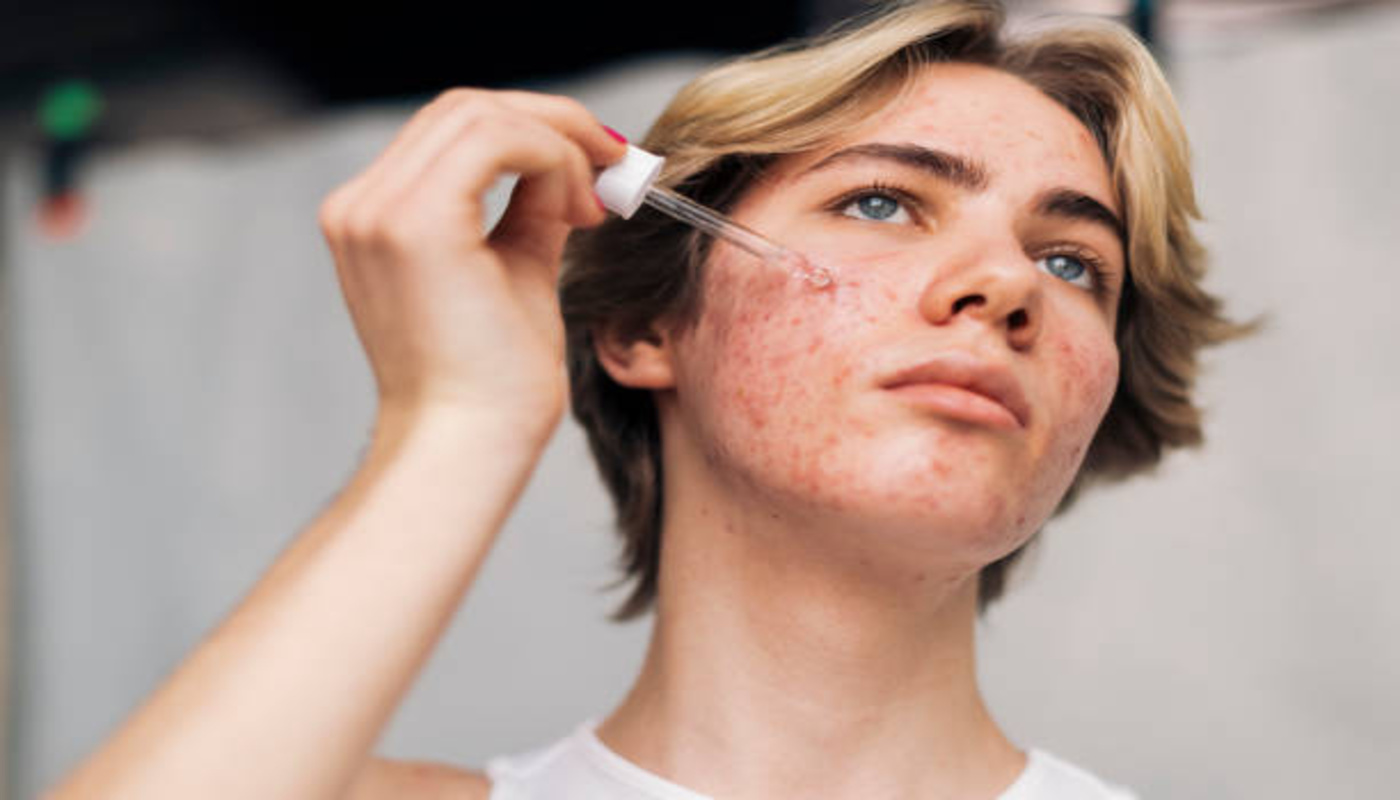
Yet in recent years, a noticeable shift has emerged. Across beauty campaigns, skincare brands, and even mainstream fashion advertising, acne is no longer always airbrushed away. Instead, it is sometimes left visible, even centered. Models with active breakouts appear in high-resolution imagery. Influencers post unfiltered selfies in paid partnerships. Campaigns speak directly to the emotional realities of living with acne rather than simply promising its disappearance.
This is not a random aesthetic trend. It is a cultural recalibration—one shaped by changing beauty standards, digital transparency, mental health discourse, and consumer demand for authenticity. Acne representation in advertising is growing because the meaning of “beauty” itself is being renegotiated.
This article explores why that shift is happening now, what it reveals about society, and how it is reshaping the emotional and cultural landscape of self-image.
From Airbrushed Ideals to Visible Skin: A Historical Context
To understand the rise of acne representation, it is essential to examine what came before it.
Traditional advertising—particularly from the late 20th century into the early 2000s—relied heavily on visual perfection. Advances in photo editing technologies enabled brands to remove blemishes, smooth texture, and create an almost plastic version of human skin. Acne, if referenced at all, was framed strictly as a problem requiring correction. “Before and after” narratives dominated skincare marketing, reinforcing the idea that clear skin was not just desirable, but necessary.
This approach did more than sell products—it shaped perception. Skin became a symbol of discipline, hygiene, and even moral worth. Acne, by contrast, was often implicitly associated with neglect or imbalance, despite being a natural and multifactorial condition influenced by hormones, genetics, and environment.
The absence of acne in advertising created a paradox: nearly everyone experienced it at some point, yet almost no one saw it reflected in aspirational media. This disconnect laid the groundwork for dissatisfaction—not only with products, but with the messaging itself.
The Digital Age and the Collapse of Illusion
The rise of social media played a pivotal role in disrupting traditional beauty narratives. Platforms like Instagram, TikTok, and YouTube blurred the boundaries between polished advertising and everyday life. Suddenly, audiences had access to unfiltered, real-time content from individuals around the world.
This shift had two major consequences:
1. Increased Visual Literacy
Audiences became more aware of editing, filters, and staged imagery. What once seemed aspirational began to feel artificial. The “perfect skin” seen in ads was no longer accepted at face value—it was questioned.
2. Democratization of Representation
People who had historically been excluded from mainstream advertising—including those with acne—began to represent themselves. Influencers openly discussed their skin journeys, posted makeup-free content, and shared both struggles and progress.
As this content gained traction, it revealed something crucial: audiences were not rejecting beauty—they were rejecting unreality.
Advertising, always sensitive to consumer sentiment, began to adapt.
Authenticity as a Market Force
One of the most significant drivers behind acne representation is the growing value placed on authenticity.
In contemporary marketing, authenticity is not just a moral stance—it is a strategic asset. Consumers, particularly younger demographics, are more likely to engage with brands that feel transparent, relatable, and honest. This extends beyond messaging into visuals.
Showing acne in advertising signals several things:
- Transparency: The brand is not hiding behind unrealistic imagery.
- Relatability: The audience can see themselves reflected in the campaign.
- Trustworthiness: The product is presented without exaggerated claims.
Importantly, this does not mean that brands have abandoned aspiration altogether. Instead, aspiration is being redefined—not as perfection, but as confidence, self-acceptance, and informed choice.
The Psychological Impact of Seeing Real Skin
The inclusion of acne in advertising has profound psychological implications.
Reducing Shame and Isolation
For many individuals, acne is not just a physical condition—it is an emotional experience. Feelings of embarrassment, self-consciousness, and social anxiety are common. When advertising consistently excludes acne, it reinforces the idea that such skin is abnormal or undesirable.
Representation challenges this narrative. Seeing acne in a positive or neutral context can reduce feelings of isolation and normalize the experience.
Reframing Self-Perception
Visual culture shapes how individuals see themselves. When the only visible standard is flawless skin, any deviation can feel like failure. By contrast, diverse skin representation expands the definition of what is acceptable and even beautiful.
Encouraging Healthier Relationships with Skincare
Traditional advertising often framed skincare as a battle—“fight,” “eliminate,” “defeat.” While these narratives persist, newer campaigns are more likely to emphasize care, balance, and understanding. This shift can encourage a more compassionate approach to one’s own skin.
The Role of Influencers and Personal Narratives
Influencers have been instrumental in accelerating acne representation.
Unlike traditional models, influencers often build their platforms around personal storytelling. Their audiences are invested not just in their appearance, but in their experiences. When influencers share their acne journeys—whether through daily updates, product reviews, or candid discussions—they create a narrative that feels authentic and ongoing.
Brands have recognized the power of this connection. Collaborations with influencers who have visible acne or who speak openly about their skin have become increasingly common. These partnerships blur the line between advertising and lived experience, making campaigns feel more credible.
However, this dynamic is not without complexity. Authenticity itself can become commodified. When “real skin” becomes a marketing trend, there is a risk that it is used selectively—celebrated when profitable, ignored when not.
Cross-Cultural Perspectives: Acne Beyond Western Beauty Norms
While much of the conversation around acne representation originates in Western media, the shift is global—though uneven.
South Asia
In countries like Pakistan and India, clear skin has long been associated with beauty, marriageability, and social status. Advertising historically reinforced these ideals, often intersecting with colorism and fairness standards. However, younger audiences—especially those active on digital platforms—are increasingly challenging these norms. Local influencers and emerging brands are beginning to incorporate more realistic skin imagery, though the transition remains gradual.
East Asia
Skincare culture in countries like South Korea and Japan has traditionally emphasized perfection and meticulous routines. While this has contributed to innovation in skincare products, it has also reinforced high standards for skin appearance. That said, newer campaigns—particularly those targeting global audiences—are beginning to include more natural textures and occasional acne visibility.
Western Markets
In the United States and Europe, the push for acne representation is more visible, driven by broader movements around diversity and inclusivity. Campaigns featuring models with acne have appeared in major retail and beauty spaces, signaling a shift from niche to mainstream.
Across cultures, the pace and extent of change vary, but the underlying trend is consistent: audiences are pushing for representation that reflects lived reality.
The Commercial Reality: Why Brands Are Adapting
It would be incomplete to view acne representation purely as a cultural or ethical shift. It is also a business decision.
Changing Consumer Expectations
Modern consumers are more informed and more vocal. They demand transparency, inclusivity, and ethical practices. Brands that fail to meet these expectations risk losing relevance.
Market Differentiation
In a saturated beauty market, standing out is essential. Embracing real skin can differentiate a brand from competitors still relying on heavily retouched imagery.
Long-Term Loyalty
Authentic representation can build deeper emotional connections with consumers, leading to increased loyalty and repeat engagement.
However, it is important to note that not all brands approach this shift with the same sincerity. For some, acne representation is part of a genuine commitment to inclusivity. For others, it may function as a temporary trend.
The Tension Between Acceptance and Aspiration
One of the most nuanced aspects of acne representation is the balance between acceptance and aspiration.
On one hand, representation promotes self-acceptance and reduces stigma. On the other hand, the skincare industry still fundamentally operates on the promise of improvement. Products are designed to address concerns, including acne.
This creates a tension:
- Can a brand both normalize acne and sell products to treat it?
- Does representation undermine the desire for change, or does it redefine it?
The answer lies in messaging. Campaigns that frame skincare as a form of care rather than correction are better positioned to navigate this tension. Instead of implying that acne must be eliminated to achieve worth, they suggest that individuals can choose how they engage with their skin.
Beyond Visibility: The Risk of Tokenism
While the increase in acne representation is significant, it is not immune to criticism.
Selective Representation
Not all acne is represented equally. Mild breakouts are more commonly shown than severe cases. Lighting, angles, and styling can still minimize visibility, creating a curated version of “real skin.”
Temporary Inclusion
Some campaigns feature acne as a one-time statement rather than a sustained commitment. When representation is not consistent, it risks being perceived as performative.
Commercial Framing
Even within inclusive campaigns, acne may still be framed as something to manage or improve. True normalization requires moving beyond problem-solution narratives.
These challenges highlight that representation is not just about visibility—it is about context, consistency, and intention.
Social Media Movements and Collective Voice
Grassroots movements have also played a crucial role in reshaping beauty standards.
Hashtags promoting skin positivity, unfiltered selfies, and candid storytelling have created communities where individuals can share experiences without judgment. These movements operate independently of brands, yet they influence them significantly.
When thousands of individuals post images of their acne without editing, they collectively redefine what is normal. Advertising, in turn, adapts to reflect this new normal.
This dynamic illustrates a broader shift in power: representation is no longer dictated solely by brands—it is co-created by audiences.
The Intersection with Mental Health Discourse
The rise of acne representation is closely linked to increasing awareness of mental health.
Discussions around self-esteem, anxiety, and body image have become more prominent in public discourse. Acne, as a visible condition, often intersects with these issues.
Advertising that acknowledges this connection—without exploiting it—can contribute to a more compassionate cultural narrative. Instead of presenting acne solely as a cosmetic concern, it can be framed within a broader context of well-being.
This shift aligns with a more holistic understanding of beauty—one that includes emotional and psychological dimensions.
The Future of Acne Representation in Advertising
Looking ahead, several trends are likely to shape the future of acne representation:
Greater Diversity in Skin Stories
Representation may expand to include a wider range of acne experiences, across ages, skin tones, and cultural backgrounds.
Integration into Mainstream Campaigns
Rather than being highlighted as a special feature, acne may become a normalized aspect of everyday advertising imagery.
Evolving Language
The language used in skincare marketing may continue to shift from correction-focused to care-focused, emphasizing balance and support.
Consumer Accountability
Audiences will likely continue to hold brands accountable, calling out inconsistencies and demanding authenticity.
The visibility of acne in advertising is also deeply tied to a generational shift in how vulnerability is perceived. Younger audiences, particularly Gen Z, are more inclined to value openness over perfection, and this extends to how they interpret visual media. Where previous generations may have viewed acne as something to conceal in pursuit of social acceptance, younger consumers are more likely to question why concealment was expected in the first place. This shift has been influenced by broader cultural conversations around identity, self-expression, and authenticity. Advertising that includes acne does not simply reflect this mindset—it participates in it. By presenting skin in its natural state, campaigns align themselves with a worldview that prioritizes honesty over illusion. This creates a feedback loop: audiences reward brands that reflect their values, and brands continue to evolve in response. Importantly, this does not suggest that insecurity has disappeared; rather, it indicates that the language around insecurity is changing. Acne is no longer positioned solely as a flaw, but as part of a broader human experience that does not negate beauty or worth.
Another critical dimension of acne representation lies in its relationship with visibility politics and the broader inclusivity movement. Over the past decade, advertising has increasingly responded to calls for diversity across race, body type, gender expression, and ability. Acne representation can be understood as part of this continuum—an expansion of what inclusivity looks like when applied to skin itself. However, unlike other forms of representation that are tied to identity categories, acne is a condition that can affect anyone, making its inclusion uniquely universal. This universality has the potential to create shared points of empathy across different audiences. At the same time, it complicates the narrative: because acne is often temporary, its representation can sometimes be framed as less urgent or less politically significant. Yet this perspective overlooks the emotional and psychological impact that acne can have. By incorporating acne into inclusive campaigns, brands acknowledge that representation is not only about identity, but also about experience. It signals that even common, everyday realities deserve visibility and respect within cultural narratives.
Finally, the growing presence of acne in advertising invites a reconsideration of what progress actually looks like in beauty culture. While increased visibility is a meaningful step, it does not automatically dismantle the systems that created exclusion in the first place. Advertising still operates within a commercial framework, where aesthetics are carefully curated and strategic decisions are driven by market appeal. This means that even “real skin” can be stylized, controlled, and selectively presented. The challenge moving forward is not simply to include acne, but to do so in ways that resist reduction to a trend. Sustainable change will require consistency, depth, and a willingness to move beyond surface-level representation. It will also depend on continued dialogue between brands and audiences, where feedback shapes not only imagery but also messaging and intent. Ultimately, the significance of acne representation lies not in its novelty, but in its potential to reshape expectations—encouraging a culture where authenticity is not exceptional, but ordinary.
Conclusion: Redefining Beauty Through Honesty
The growing presence of acne in advertising is more than a visual change—it is a cultural statement. It reflects a broader movement toward honesty, inclusivity, and emotional awareness.
This shift does not mean the end of aspiration. Instead, it signals a transformation in what aspiration looks like. Beauty is no longer defined solely by flawlessness, but by authenticity, confidence, and the freedom to exist without constant correction.
Acne representation challenges long-standing assumptions about worth and appearance. It invites individuals to see themselves not as problems to be solved, but as people whose experiences—including imperfect skin—are valid and visible.
The journey is far from complete. Representation remains uneven, and commercial interests continue to shape its boundaries. Yet the direction is clear: toward a more expansive, humane, and realistic understanding of beauty.
In that future, acne is not hidden or sensationalized—it simply exists. And in that quiet normalization lies its most powerful impact.
Sources: Vogue, Allure, The Guardian, BBC, Harvard Business Review, Journal of Consumer Research