 by
by Introduction: The Quiet Power of Less
In a world saturated with visual noise—filtered faces, high-gloss beauty campaigns, and algorithm-driven ideals—minimalism emerged as both a rebellion and a refuge. What began as an aesthetic choice in interior design and lifestyle philosophy gradually permeated the beauty industry, transforming not only how people present themselves but how they perceive their bodies.
Minimalism in beauty is not simply about fewer products or bare-faced looks. It is a cultural language that signals restraint, authenticity, and control. It reframes beauty as something quieter, more “intentional,” and—critically—more “natural.” Yet beneath its clean, pared-down surface lies a complex narrative about identity, accessibility, class, and evolving standards of body image.
This article explores how minimalism evolved into a powerful beauty and body narrative, why it resonates across cultures, and how it reflects deeper psychological and social dynamics shaping modern self-perception.
The Digital Filter Effect and the Myth of “Bare” Beauty
One of the most overlooked drivers behind the rise of minimalist beauty is the evolution of digital filters and editing tools. What appears as “bare skin” or “effortless beauty” is often the result of subtle enhancements—smoothing textures, evening tones, and softening features in ways that are nearly invisible to the untrained eye. This has redefined what minimalism actually looks like. Instead of obvious layers of makeup, we now encounter a digitally refined version of “natural,” one that often exists only through technological mediation. The paradox is striking: minimalism is marketed as a rejection of excess, yet it is frequently supported by invisible layers of digital enhancement. This creates a new kind of beauty standard—one that is harder to detect but equally, if not more, demanding. It also deepens the psychological gap between how individuals see themselves and how they believe they are supposed to look. When the “ideal” is filtered into invisibility, it becomes increasingly difficult to identify where authenticity ends and construction begins. As a result, minimalism becomes not a return to the real, but a redefinition of reality itself—one that is polished, curated, and algorithmically influenced.
Minimalism as a Language of Wellness and “Self-Care”
Minimalism in beauty is often framed within the broader language of wellness and self-care, which has become a dominant cultural framework in recent years. The idea of “doing less” is frequently linked to mental health benefits, such as reducing stress, simplifying routines, and fostering mindfulness. This connection has given minimalist beauty a kind of moral legitimacy—presented not just as an aesthetic choice, but as a lifestyle aligned with well-being. However, this narrative can also be reductive. It assumes that minimalism is universally calming, when in reality, the experience of “doing less” is deeply subjective. For some, a simplified routine brings relief and clarity. For others, especially those navigating acne, pigmentation, or other visible concerns, minimalism can feel like a loss of control rather than an act of care. Additionally, the commercialization of “self-care” has led to the packaging of minimalism as a product itself—clean routines, curated shelves, and aesthetic rituals that still require consumption. This complicates the idea that minimalism is inherently anti-consumerist. Instead, it reveals how the beauty industry adapts quickly, transforming even the concept of “less” into something that can be branded, sold, and aspirationally marketed. In this way, minimalism becomes both a practice of care and a carefully constructed cultural product.
Reimagining Inclusivity Beyond Aesthetic Simplicity
As the beauty industry continues to evolve, there is a growing recognition that true inclusivity cannot be defined by a single aesthetic—whether maximalist or minimalist. Minimalism, while influential, cannot fully encompass the diversity of human bodies, identities, and cultural expressions. For many individuals, beauty is deeply tied to heritage, ritual, and storytelling—elements that often resist simplification. From intricate bridal traditions in South Asia to bold artistic expressions in African and Caribbean cultures, beauty has long existed as a space of richness and multiplicity. A narrow focus on minimalism risks flattening these narratives into a universal standard that does not reflect lived realities. Moving forward, inclusivity in beauty must go beyond surface-level representation and instead embrace a spectrum of expression. This means allowing space for both bare-faced simplicity and elaborate adornment without assigning value judgments to either. It also means acknowledging that body narratives are shaped not just by personal preference, but by history, access, and social context. When beauty is decoupled from judgment and reimagined as a fluid, evolving practice, minimalism becomes just one voice among many—rather than the dominant language. In this expanded framework, inclusivity is not about choosing between extremes, but about honoring the full range of how people choose to exist in and express their bodies.
The Roots of Minimalism: A Cultural Response to Excess
Minimalism did not emerge in isolation within the beauty industry. Its philosophical roots trace back to broader cultural reactions against consumer excess, particularly in post-industrial societies. The rise of minimalism in design, fashion, and lifestyle was fueled by a collective fatigue with overconsumption and visual clutter.
In beauty, this translated into a shift away from heavily layered makeup looks toward more restrained aesthetics. Social media played a crucial role here—platforms that once glorified maximalist glam began amplifying “clean girl” aesthetics, dewy skin, and subtle enhancement over transformation.
This shift also coincided with increasing awareness of mental health. Many began associating heavy makeup routines with performance and fatigue, while minimalism was linked to self-acceptance and “letting skin breathe.” While not always scientifically grounded, these associations gained cultural traction.
Minimalism thus became more than a style—it became a statement about control in an overstimulated world.
The Rise of the “Clean Aesthetic”
One of the most defining expressions of beauty minimalism is the “clean aesthetic.” Characterized by glowing skin, neutral tones, soft definition, and an overall sense of effortlessness, this aesthetic emphasizes refinement rather than transformation.
Public figures and campaigns have reinforced this shift. In particular, global beauty brands began promoting skincare-first philosophies, positioning products as tools for enhancing rather than masking natural features. This narrative aligns with a broader cultural desire for authenticity.
However, the “clean” label is not without critique. It often carries implicit biases, subtly reinforcing narrow standards of what “clean” or “well-kept” looks like. The aesthetic may appear inclusive on the surface, but its underlying messaging can still center Eurocentric or class-based ideals.
Thus, while minimalism promises simplicity, it can also mask underlying exclusions.
Minimalism and the Illusion of Effortlessness
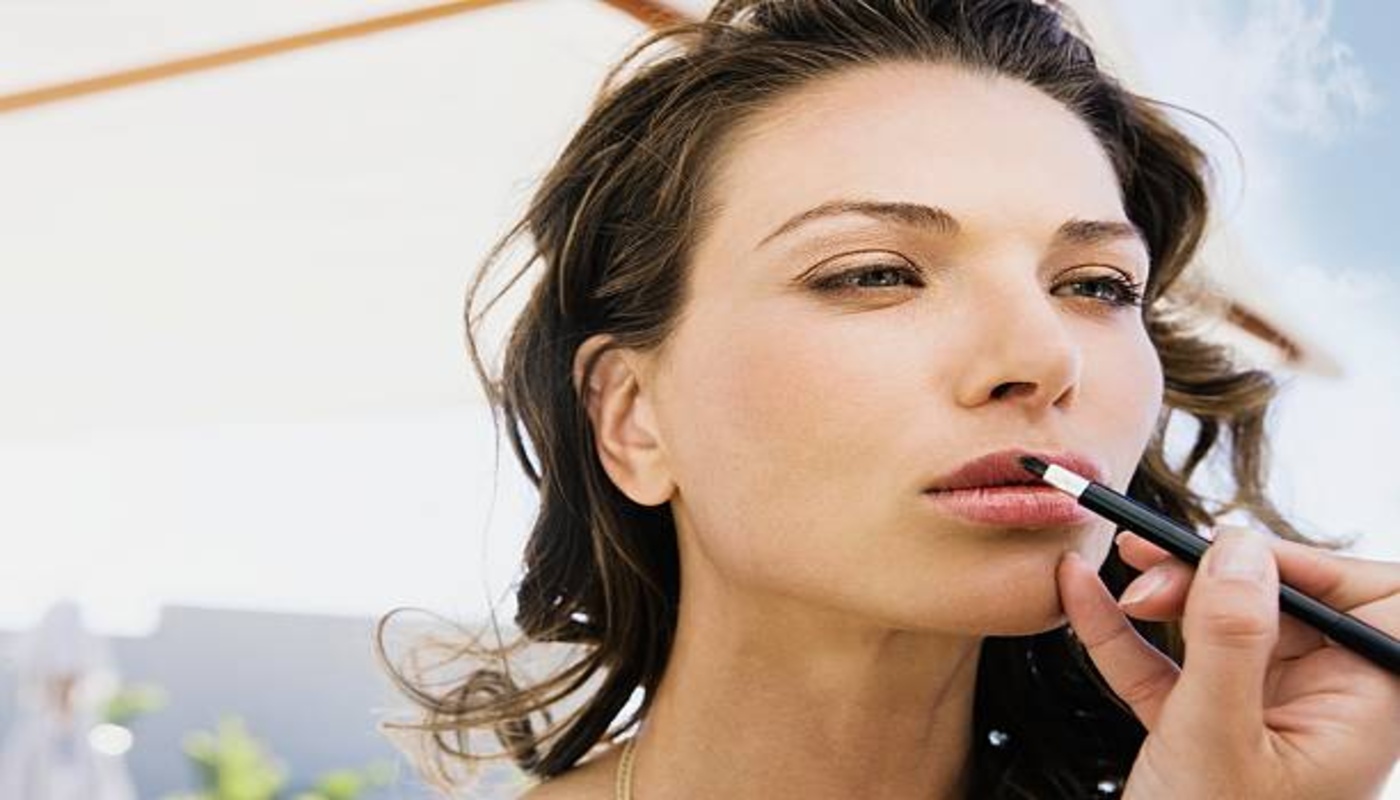
One of the most powerful—and sometimes misleading—aspects of minimalism in beauty is the illusion of effortlessness. The “no-makeup makeup” look, for instance, suggests that beauty can be achieved without visible labor.
Yet achieving this look often requires significant time, resources, and skill. High-quality skincare, makeup techniques that mimic natural skin, and even cosmetic procedures can all contribute to this “barely there” effect.
This paradox highlights a key tension: minimalism often hides effort rather than eliminating it.
From a body narrative perspective, this creates pressure to appear naturally perfect. The body is expected to look untouched, yet flawless—suggesting that beauty should appear effortless even when it is not.
This contradiction can intensify self-scrutiny. If beauty is supposed to look “natural,” then any visible imperfection becomes more noticeable and, paradoxically, more stigmatized.
Skincare as the New Makeup
Minimalism has significantly shifted focus from makeup to skincare. Instead of concealing skin, the emphasis is now on “fixing” or improving it.
This shift has been influenced by dermatological awareness, influencer culture, and the rise of ingredient-conscious consumers. Terms like “glass skin,” “skin barrier,” and “hydration” have entered everyday beauty vocabulary.
Skincare brands have capitalized on this trend by promoting minimal routines—fewer steps, carefully selected ingredients, and a focus on long-term health rather than immediate cosmetic effects.
While this approach can encourage healthier habits, it also introduces new pressures. The skin becomes the primary site of beauty, meaning that imperfections such as acne, texture, or pigmentation can feel more personal and visible.
In this way, minimalism shifts the focus of beauty without necessarily reducing pressure—it simply relocates it.
Minimalism and the Moralization of Beauty
One of the most subtle yet powerful aspects of beauty minimalism is its moral undertone. Minimalist beauty is often framed as “pure,” “honest,” or “authentic,” while heavy makeup is sometimes implicitly associated with insecurity or artificiality.
This moral framing can create a hierarchy of beauty practices, where minimalism is perceived as superior. People who adopt minimalist aesthetics may be seen as more confident or self-aware, while those who prefer bold or elaborate styles may be judged differently.
This binary overlooks the diversity of beauty expression. For many, makeup is not about concealment but creativity, identity, and cultural expression. In numerous global contexts, elaborate makeup is deeply rooted in tradition and celebration.
By framing minimalism as morally preferable, the beauty industry risks erasing these cultural nuances.
The Global Perspective: Minimalism Across Cultures
Minimalism in beauty is not experienced uniformly across the globe. In East Asian countries, particularly South Korea and Japan, minimalist beauty trends have long coexisted with skincare-centric routines.
The Korean beauty industry, in particular, has played a significant role in popularizing lightweight, dewy makeup and multi-step skincare routines. However, even within this context, minimalism does not always equate to simplicity—it often involves meticulous layering of products to achieve a seamless finish.
In Western contexts, minimalism often carries connotations of self-acceptance and authenticity. In contrast, in many Global South cultures, beauty norms are still deeply influenced by traditional practices, community expectations, and regional aesthetics.
For example, in South Asian beauty culture, minimalism is gaining traction among younger generations, but it coexists with long-standing preferences for bold eye makeup, defined features, and celebratory aesthetics.
Thus, minimalism is not a universal ideal—it is a culturally specific lens through which beauty is interpreted.
The Role of Social Media in Shaping Minimalist Ideals
Social media platforms have played a pivotal role in normalizing and amplifying minimalist beauty standards. Algorithms favor visually “clean” content—soft lighting, neutral tones, and uncluttered compositions—which align perfectly with minimalist aesthetics.
Influencers who embody minimalist beauty often gain traction due to their perceived relatability and authenticity. Their content frequently emphasizes “real skin,” morning routines, and simplified beauty regimens.
However, this visibility also creates a feedback loop. As minimalist content becomes more popular, creators adapt to meet audience expectations, reinforcing the trend further.
At the same time, social media exposes users to curated realities. Even minimalist content is often highly produced, edited, and filtered, blurring the line between authenticity and performance.
This dynamic complicates the narrative: minimalism may appear natural, but it is still constructed within a highly competitive visual economy.
Minimalism and Body Image: A Double-Edged Sword
Minimalism’s impact on body image is nuanced. On one hand, it encourages acceptance of natural features and reduces reliance on heavy makeup as a form of concealment.
For some individuals, this shift can be liberating. It reduces the pressure to conform to highly polished beauty standards and allows for a more relaxed relationship with appearance.
However, minimalism can also intensify body awareness. When makeup is reduced, the body becomes more visible, which can heighten sensitivity to perceived flaws.
This creates a paradox: minimalism promotes self-acceptance, yet also demands a level of confidence that may not come naturally to everyone.
Moreover, because minimalist beauty is often associated with “good skin,” individuals with acne, texture, or other visible conditions may feel excluded from the narrative of effortless beauty.
Thus, minimalism can both empower and exclude, depending on how it is framed and experienced.
Economic Dimensions: Accessibility and Class
Minimalist beauty is often presented as accessible and cost-effective—“less is more” suggests fewer products and lower expenses. However, this perception can be misleading.
Achieving the “perfect minimalist look” often requires investment in high-quality skincare, professional treatments, or specialized products. These can be costly and inaccessible to many.
In this sense, minimalism can function as a form of aesthetic privilege. The ability to look effortlessly polished may signal access to resources that are not universally available.
Additionally, the idea of “simple beauty” can overlook labor. Time, knowledge, and access to information all contribute to the ability to maintain a minimalist aesthetic.
Thus, while minimalism appears economical on the surface, it may reinforce existing social and economic disparities.
Psychological Implications: Control, Anxiety, and Identity
Minimalism in beauty can serve as a psychological coping mechanism. In a world filled with uncertainty, reducing complexity in one’s appearance can provide a sense of control.
For some, minimal routines are calming and grounding. They reduce decision fatigue and create a sense of order.
However, minimalism can also become restrictive. The pressure to maintain a “perfectly natural” look can create anxiety, particularly if individuals feel they are not meeting the standard.
This tension reflects a broader cultural trend: the desire for simplicity coexisting with increasing self-surveillance.
Identity also plays a role. Minimalism can signal alignment with certain values—authenticity, sustainability, or mindfulness. As such, beauty becomes a form of self-expression that communicates internal beliefs outwardly.
The Influence of Gender and Expectations
Minimalist beauty narratives are often deeply gendered. Women, in particular, are expected to embody both effortlessness and attractiveness—two qualities that are often at odds.
The expectation to “look natural” can mask the effort required to maintain that appearance. This creates a double burden: women must appear both effortless and polished.
In contrast, minimalism in male grooming has been more readily accepted as a sign of professionalism or simplicity. The gendered asymmetry highlights how beauty standards are unevenly applied.
This dynamic reinforces broader societal expectations about appearance, labor, and value.
Resistance and Reclamation: Breaking the Minimalist Mold
Despite its dominance, minimalist beauty is not uncontested. Many individuals and communities are actively resisting its constraints by embracing maximalist aesthetics, bold makeup, and culturally rooted beauty practices.
This resistance is not a rejection of minimalism itself, but a rejection of its dominance as the “ideal.”
Maximalism allows for expression, creativity, and cultural identity. It challenges the idea that beauty must be subdued or restrained to be valid.
In this sense, the beauty landscape is becoming more pluralistic. Minimalism exists alongside other aesthetics, creating a more diverse and inclusive visual culture.
Conclusion: The Future of Beauty Beyond Minimalism
Minimalism has reshaped beauty in profound ways, offering a framework that emphasizes simplicity, authenticity, and control. Yet, like all cultural narratives, it is not neutral. It carries with it assumptions about class, identity, and value that must be critically examined.
The future of beauty lies not in choosing between minimalism and maximalism, but in expanding the definition of beauty itself. A truly inclusive beauty culture recognizes that there is no single way to be beautiful—whether through simplicity, boldness, or anything in between.
As society continues to evolve, the most powerful beauty narrative may not be about how little or how much one uses, but about the freedom to choose without judgment.
Minimalism, in its most liberating form, should not dictate beauty—it should coexist with it.
Sources: Vogue, Allure, The New York Times, BBC, The Guardian, Elle, Harper’s Bazaar, The Cut, Refinery29, Dazed