 by
by Introduction: The Seduction of Freedom in a Filtered World
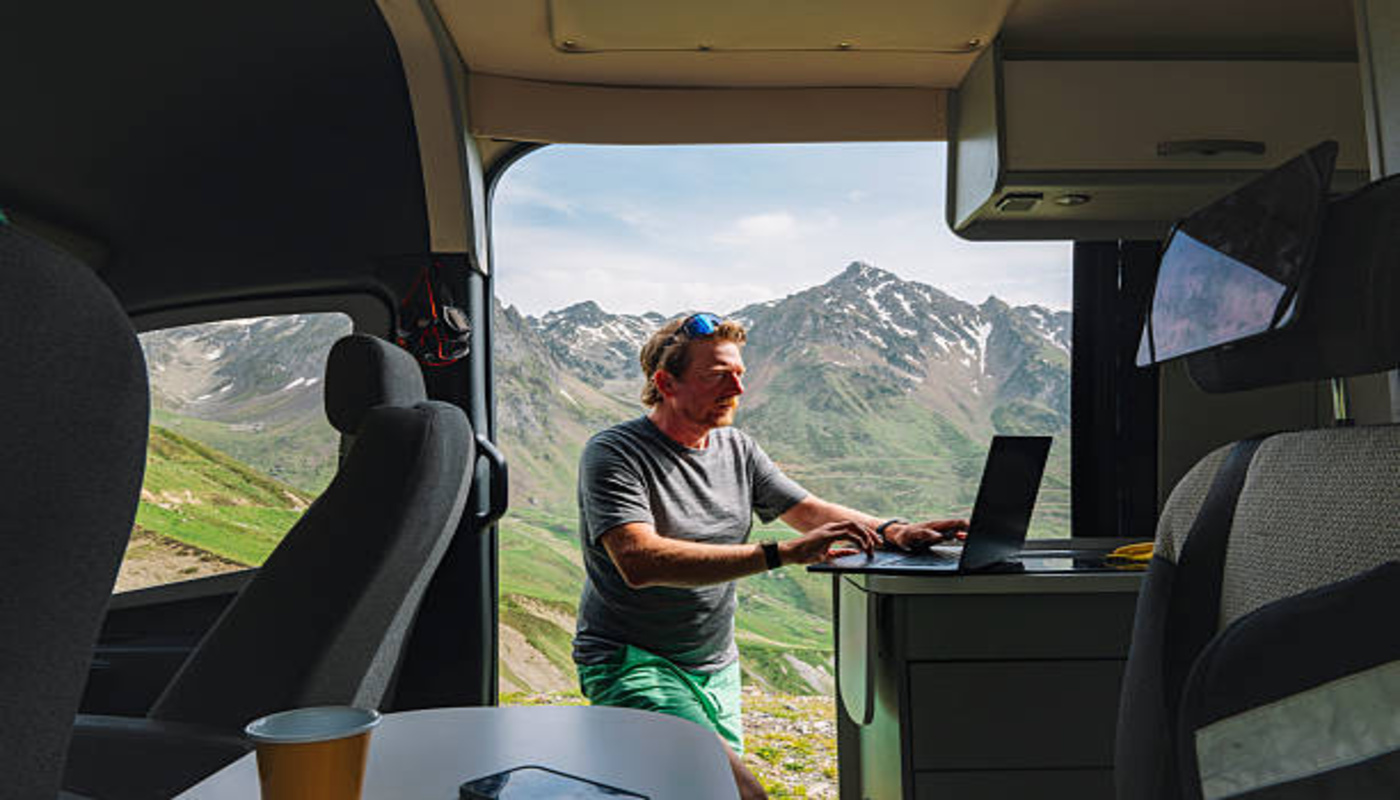
A laptop perched on a sunlit café table in Bali. A hammock swaying gently in a coastal Mexican town. A sunset backdrop in Lisbon as a creator types effortlessly, captioning their post with phrases like “work anywhere, live everywhere.” These images have become the visual shorthand of the digital nomad lifestyle—a modern dream that promises freedom, flexibility, and fulfillment beyond the constraints of traditional work.
Digital nomad influencers have transformed this lifestyle into a powerful cultural narrative. Through platforms like Instagram, TikTok, and YouTube, they offer curated glimpses into a life that appears boundless: income on their terms, travel without limits, and a seamless integration of work and leisure. For many viewers, these images are not just inspiring—they are aspirational.
However, beneath the allure lies a complex cultural phenomenon. The rise of digital nomad influencers has not only reshaped how we view work and travel but has also intensified lifestyle comparison in ways that are subtle yet deeply impactful. What is often presented as freedom can, paradoxically, create pressure, inadequacy, and a sense of falling behind.
This article explores how digital nomad influencers contribute to modern lifestyle comparison, examining the psychological, cultural, and economic dimensions of this trend while maintaining a nuanced perspective that acknowledges both its empowering and problematic aspects.
The Subtle Economics of “Soft Living” and Its Influence on Self-Worth
Within digital nomad content, a recurring aesthetic has emerged that can be described as “soft living”—a visual and emotional style characterized by slow mornings, minimal stress, curated routines, and an emphasis on balance and ease. While this framing can be deeply appealing and, in many ways, beneficial for encouraging healthier work-life integration, it also introduces a subtle economic dimension to lifestyle comparison. Soft living often requires a level of financial flexibility, geographic freedom, and time autonomy that is not universally accessible. When influencers consistently present this lifestyle as a normalized way of living, it can unintentionally position it as a benchmark for success.
This creates a quiet but persistent question for viewers: if a slower, more intentional life is ideal, why does mine not look like this? The answer, of course, lies in structural realities—employment type, financial obligations, caregiving responsibilities, and geographic constraints. However, these factors are rarely foregrounded in digital content. Instead, what is emphasized is the outcome: calm, aesthetically pleasing routines that appear universally attainable.
The impact of this framing is not always dramatic, but it is cumulative. Over time, repeated exposure to idealized “soft living” can shape expectations about what life should feel like, not just what it should look like. This can lead individuals to evaluate their own lives not only in terms of productivity or success, but in terms of emotional ease and visual harmony. While there is value in striving for balance, the danger lies in interpreting one specific expression of balance as the universal standard, thereby reinforcing a cycle of comparison that overlooks the diversity of lived experiences and responsibilities.
⸻
The Role of Digital Storytelling in Framing “Success” as Mobility
Digital nomad influencers often rely on storytelling to frame their journeys as narratives of transformation. These stories typically follow a recognizable arc: dissatisfaction with traditional work, a bold decision to pursue remote or location-independent work, and eventual fulfillment through travel and autonomy. While these narratives can be empowering and relatable, they also contribute to a particular framing of success—one that is closely tied to geographic mobility and the ability to disengage from conventional systems.
This storytelling structure is powerful because it resonates with deeply held desires for freedom and self-determination. However, it can also create a narrow definition of what success looks like. When success is consistently framed as the ability to work from anywhere, travel frequently, and live a location-independent life, individuals whose circumstances do not allow for this may feel as though they are falling short, even if they are achieving meaningful goals in other areas.
This effect is further amplified by the emotional tone of these narratives. Influencers often emphasize the sense of liberation and fulfillment they experience, which can make their stories feel aspirational but also slightly distant from everyday realities. The result is a form of narrative comparison, where viewers measure their own lives against a curated story rather than a complex, multifaceted reality.
It is important to recognize that these stories are not inherently misleading—they are authentic experiences for those sharing them. However, when they become the dominant narrative, they can unintentionally marginalize other forms of success. A more inclusive storytelling landscape would include diverse pathways, highlighting not only mobility-based achievements but also stability, community, creativity, and resilience in place-bound contexts. In doing so, the definition of success expands beyond movement and into meaning.
⸻
Reclaiming Digital Space: Toward Conscious Consumption and Inclusive Representation
As digital nomad content continues to shape perceptions of lifestyle and success, there is an increasing need for conscious consumption—an intentional way of engaging with media that acknowledges both its influence and its limitations. This does not require disengagement from digital platforms, but rather a shift in how content is interpreted and internalized. By recognizing that what is seen online represents a curated slice of reality, viewers can begin to separate aspiration from expectation, allowing space for appreciation without comparison.
Equally important is the role of creators in shaping a more inclusive digital environment. Some digital nomad influencers are already taking steps in this direction by sharing more transparent content, discussing challenges alongside highlights, and acknowledging the structural privileges that enable their lifestyles. This kind of content not only humanizes the digital nomad experience but also helps to bridge the gap between perception and reality.
At a broader cultural level, inclusivity means expanding the definition of what a fulfilling life can look like. Not every fulfilling life involves constant travel or remote work. For many, fulfillment may come from rootedness, community engagement, creative expression, or caregiving. By valuing these diverse experiences, we challenge the implicit hierarchy that places mobility at the top of the success ladder.
Ultimately, reclaiming digital space is about balance. It is about allowing inspiration without comparison, admiration without inadequacy, and aspiration without erasure of one’s current reality. In doing so, we create a digital culture that supports both individuality and collective well-being—one that recognizes that while we may be connected through screens, our lives are shaped by far more than what is displayed within them.
The Construction of the “Nomadic Dream” as a Visual Identity
Digital nomad influencers do more than share travel content—they construct a lifestyle identity. This identity is built through recurring visual elements: minimalist workspaces, exotic backdrops, morning routines with ocean views, and captions that emphasize independence and self-direction.
The consistency of this imagery creates what can be described as a “nomadic aesthetic,” where freedom itself becomes a brand. This aesthetic is not accidental; it is carefully curated to communicate a life that is both desirable and attainable. However, the repetition of similar visuals across multiple influencers creates a homogenized narrative—one where the digital nomad experience appears universally glamorous, regardless of geographic, financial, or personal differences.
This construction matters because it sets a benchmark. Viewers begin to associate the digital nomad lifestyle with specific visual cues: picturesque locations, uninterrupted productivity, and emotional ease. The more frequently these images are consumed, the more they shape expectations about what a “successful” life looks like.
Yet, this visual identity often excludes the less glamorous realities of remote work: unstable income, visa challenges, loneliness, time zone conflicts, and digital fatigue. These aspects are rarely foregrounded, not necessarily out of deception, but because they do not align with the aspirational tone that drives engagement. The result is a partial truth presented as a complete lifestyle.
Algorithmic Curation and the Illusion of Accessibility
Social media algorithms play a crucial role in amplifying digital nomad content. Platforms are designed to prioritize engagement, meaning posts that evoke aspiration, curiosity, or envy are more likely to be surfaced. Digital nomad influencers, with their visually appealing and emotionally evocative content, often benefit from this system.
This creates an illusion of accessibility. When users repeatedly encounter images of people working from tropical destinations or European cities, it can begin to feel as though this lifestyle is not only common but achievable. The algorithm effectively compresses distance—geographical, economic, and cultural—making distant lifestyles feel close and attainable.
However, this perceived accessibility can distort reality. Many digital nomad influencers operate within specific advantages: prior financial stability, sponsorships, partnerships, or audiences that support their content. These factors are often not visible to viewers, who may interpret the lifestyle as purely the result of personal choice or discipline.
This gap between perception and reality contributes to lifestyle comparison. Viewers may begin to question their own circumstances, wondering why their lives do not reflect the same level of flexibility or freedom. This comparison is not inherently negative—it can inspire ambition—but it becomes problematic when it leads to self-doubt or unrealistic expectations about what constitutes a “successful” life.
The Emotional Economy of Aspiration and Envy
Digital nomad influencers operate within what can be described as an “emotional economy.” Their content is designed not only to inform or entertain but to evoke emotional responses—admiration, aspiration, and sometimes envy.
These emotions are not incidental; they are integral to engagement. Content that makes viewers feel something is more likely to be shared, saved, and commented on. As a result, the emotional tone of digital nomad content often leans toward idealization.
However, repeated exposure to aspirational content can have unintended consequences. When viewers consistently see others living seemingly ideal lives, they may begin to feel that their own lives are lacking by comparison. This is particularly true when content emphasizes freedom and choice—two values deeply associated with personal fulfillment.
The emotional impact of this comparison is nuanced. For some, it may serve as motivation to pursue change, such as seeking remote work opportunities or reevaluating life priorities. For others, it may lead to feelings of inadequacy or stagnation, especially if their current circumstances do not allow for similar levels of mobility.
Importantly, the issue is not the existence of aspiration itself, but the imbalance in representation. When only the highlights of the lifestyle are visible, the emotional economy becomes skewed, favoring idealization over realism.
Cross-Cultural Implications: Global Mobility and Unequal Access
The digital nomad lifestyle is often framed as borderless, but in reality, it is deeply shaped by geopolitical and economic inequalities. Access to this lifestyle depends on factors such as passport strength, income level, and access to remote work opportunities—resources that are unevenly distributed across the globe.
For example, individuals from countries with stronger passports may have easier access to visas that allow for extended stays in multiple countries. In contrast, individuals from regions with more restrictive mobility may face significant barriers to pursuing a similar lifestyle, regardless of their skills or aspirations.
This creates a form of structural comparison. When viewers from different parts of the world consume the same content, they are not comparing themselves on equal footing. Yet, the imagery of digital nomad influencers often obscures these disparities, presenting the lifestyle as universally accessible.
In some cases, this can lead to aspirational frustration—a feeling of wanting to pursue a lifestyle that is admired but not fully attainable due to systemic limitations. This is particularly relevant in regions where economic opportunities are more constrained, and where digital nomadism may be viewed as a symbol of upward mobility.
At the same time, there are emerging narratives that challenge this imbalance. Creators from diverse backgrounds are sharing their own versions of the digital nomad experience, highlighting different pathways and realities. These perspectives are crucial in broadening the global understanding of mobility and success.
The Quiet Pressure of “Productivity Performance”
One of the most influential aspects of digital nomad content is the emphasis on productivity. Influencers often showcase themselves working in visually appealing environments—typing on laptops with ocean views, attending virtual meetings from scenic locations, or completing tasks in aesthetically pleasing cafés.
While this imagery reinforces the idea that work can be integrated into a flexible lifestyle, it also introduces a subtle form of pressure: the need to perform productivity visually.
This phenomenon, sometimes referred to as “productivity performance,” shifts the focus from actual output to the appearance of productivity. Viewers may begin to associate success with visible signs of busyness and efficiency, even if those signs are curated or staged.
For individuals who work in more traditional or less flexible environments, this can create a sense of comparison. They may feel that their work is less valuable or less desirable because it does not align with the visual standards presented online.
However, it is important to recognize that productivity is not inherently visual. Many forms of meaningful work occur behind the scenes, without the need for aesthetic validation. The challenge lies in reconciling these invisible efforts with a culture that increasingly equates visibility with value.
The Impact on Identity and Life Satisfaction
Lifestyle comparison extends beyond momentary feelings—it can influence how individuals perceive their own identity and life trajectory. When exposed to digital nomad influencers, viewers may begin to question their current choices, aspirations, and definitions of success.
This questioning can be both constructive and destabilizing. On one hand, it can encourage self-reflection and motivate individuals to explore new possibilities, such as remote work, travel, or entrepreneurship. On the other hand, it can create a sense of dissatisfaction with one’s current life, especially if there is a perceived gap between aspiration and reality.
This dynamic is particularly relevant in the context of identity formation. In a digital age where personal branding is increasingly common, individuals may feel pressure to align their identities with aspirational lifestyles. This can lead to internal conflict, where personal values and external expectations do not fully align.
Importantly, not all viewers experience this in the same way. Factors such as personality, socioeconomic background, and media literacy all play a role in how individuals interpret and respond to digital nomad content. Some may feel inspired, others indifferent, and some may feel pressure to conform.
This variability highlights the importance of avoiding one-size-fits-all conclusions. The influence of digital nomad influencers is not inherently negative or positive—it exists within a spectrum of impact that varies across individuals and contexts.
Emerging Counter-Narratives: Redefining Freedom and Success
In response to the dominance of idealized digital nomad content, a growing number of creators are sharing alternative narratives. These counter-narratives challenge the notion that freedom must look a certain way, emphasizing that success can take many forms beyond constant travel and aesthetic perfection.
Some creators focus on “slow travel,” highlighting the value of staying in one place for longer periods and building deeper connections with local communities. Others emphasize financial transparency, sharing the realities of income fluctuations, expenses, and the work required to sustain a nomadic lifestyle.
There are also creators who intentionally reject the pressure to maintain a polished image, choosing instead to share unfiltered moments and honest reflections. These voices play a crucial role in expanding the narrative, offering viewers a more balanced perspective.
These counter-narratives are not anti-nomad—they are pro-complexity. They acknowledge that while the digital nomad lifestyle can offer freedom and fulfillment, it also comes with challenges that deserve recognition.
By broadening the range of stories being told, these creators help to reduce the intensity of lifestyle comparison, replacing it with a more nuanced understanding of what it means to live well.
Conclusion: Toward a More Grounded Digital Imagination
Digital nomad influencers have fundamentally reshaped how we imagine work, travel, and freedom. Their content offers a glimpse into a life that is flexible, visually appealing, and emotionally resonant. For many, this is a source of inspiration and possibility.
However, their influence also contributes to a growing culture of lifestyle comparison—one that can subtly influence how individuals perceive their own lives, choices, and achievements. This comparison is not inherently harmful, but it becomes problematic when it is based on incomplete or idealized representations.
Moving forward, the challenge is not to reject digital nomad content, but to engage with it more critically and consciously. This includes recognizing the curated nature of what is presented, seeking out diverse perspectives, and redefining success in ways that align with individual values rather than external expectations.
Ultimately, the goal is to cultivate a more grounded digital imagination—one that embraces aspiration without sacrificing self-worth. In doing so, we can appreciate the beauty of global mobility while remaining connected to the richness of our own lived experiences.
Sources: Pew Research Center, Forbes, Harvard Business Review, The Guardian, BBC, Wired, New Media & Society, Journal of Consumer Culture