 by
by When Personal Stories Become Public Health Conversations
For generations, many women grew up believing that irregular menstrual cycles, unexplained acne, excessive facial hair, thinning hair, chronic fatigue, or unexpected weight changes were simply personal struggles to endure in silence. These experiences often remained hidden behind beauty standards, family expectations, and limited public conversations about reproductive health. Conditions affecting millions of women worldwide rarely entered mainstream media unless framed through fertility or pregnancy, leaving countless people feeling isolated and misunderstood.
The digital age has quietly transformed this reality. Social media has become more than a place for beauty tutorials or lifestyle inspiration—it has evolved into an unexpected classroom where people exchange health experiences, challenge long-standing stigmas, and advocate for earlier diagnosis. Among the conditions receiving unprecedented visibility is Polycystic Ovary Syndrome (PCOS), one of the most common hormonal disorders affecting women of reproductive age.
Influencers have played a significant role in this transformation. Their impact does not simply lie in posting educational graphics or discussing symptoms. Instead, their greatest contribution has been humanizing an often invisible condition. Through videos documenting doctor’s appointments, emotional reflections on delayed diagnoses, discussions about fertility concerns, realistic portrayals of hormonal acne, and conversations about mental health, influencers have shifted PCOS from a private medical issue into a broader cultural conversation.
This movement reflects something larger than social media trends. It represents a shift in who gets to shape public understanding of health. Traditionally, medical professionals, researchers, and journalists controlled health narratives. Today, lived experience has become an influential form of knowledge alongside scientific expertise. While this democratization offers tremendous opportunities, it also introduces challenges regarding misinformation, oversimplification, and commercialization.
Understanding the impact of PCOS awareness through influencers therefore requires more than measuring likes or follower counts. It demands examining how digital storytelling reshapes body image, healthcare access, emotional wellbeing, cultural expectations, and collective identity across different societies.
Understanding PCOS Beyond Simplified Definitions
Polycystic Ovary Syndrome is frequently misunderstood despite affecting millions globally. Contrary to its name, the condition is not solely defined by ovarian cysts. Instead, PCOS involves complex hormonal and metabolic interactions that can influence menstruation, ovulation, androgen levels, insulin sensitivity, skin health, mood, and long-term metabolic risks.
The diversity of symptoms means no two individuals experience PCOS identically. One person may struggle primarily with irregular cycles, while another experiences infertility concerns. Someone else may face persistent acne or unwanted facial hair, whereas another notices few outward symptoms but deals with insulin resistance or emotional distress.
This variation has historically complicated public understanding. Media representations often reduced PCOS to fertility issues or body weight, overlooking its psychological and metabolic dimensions.
Influencers have helped challenge these narrow portrayals by showcasing diverse experiences. Instead of presenting PCOS as a single narrative, many creators reveal its many faces, making room for individuals whose symptoms differ dramatically from stereotypical expectations.
The result is a broader public appreciation that hormonal disorders exist along spectrums rather than fitting neatly into one recognizable image.
Why PCOS Remained Invisible for So Long
Before social media, conversations about menstrual health often occurred privately, if they occurred at all. Cultural taboos surrounding reproductive health discouraged open discussion in many communities.
In numerous societies, discussing menstruation publicly was considered inappropriate. Excess facial hair carried stigma. Fertility challenges invited unsolicited judgment. Acne in adulthood was frequently dismissed as poor skincare rather than potential hormonal imbalance.
Medical gaslighting further complicated matters. Many individuals report years of symptoms before receiving a diagnosis. Their concerns were sometimes minimized as stress, lifestyle issues, or ordinary hormonal fluctuations.
This silence produced isolation.
Without seeing others experiencing similar challenges, individuals often blamed themselves for symptoms they could not control.
Influencers disrupted this cycle by making invisible experiences visible. A short video discussing irregular periods could reach millions. A candid photograph showing hormonal acne without filters challenged unrealistic beauty ideals. A personal story about waiting years for diagnosis validated thousands of similar experiences shared in comment sections.
Visibility became validation.
The Rise of Influencer Health Storytelling
The influencer economy emerged initially around fashion, beauty, travel, and lifestyle. Over time, authenticity became increasingly valuable to audiences fatigued by highly curated perfection.
Creators who discussed personal health struggles often developed unusually loyal communities because vulnerability fostered trust.
PCOS awareness fits naturally within this shift toward authentic storytelling.
Rather than presenting flawless routines, creators began documenting real experiences:
- Visiting endocrinologists
- Managing hormonal acne
- Learning about insulin resistance
- Navigating fertility discussions
- Experimenting with nutrition under medical guidance
- Coping with emotional burnout
- Celebrating small health improvements
These narratives transformed followers from passive audiences into active participants sharing advice, encouragement, and personal experiences.
Digital platforms became spaces where lived experience complemented—not replaced—medical expertise.
The Emotional Power of Representation
One of the greatest cultural contributions influencers have made is representation.
Health conditions often create emotional isolation because symptoms can appear deeply personal.
Seeing someone confidently discuss facial hair resulting from hormonal imbalance can instantly reduce shame for viewers experiencing the same challenge.
Watching an influencer explain that irregular periods deserved medical attention rather than embarrassment may encourage someone to schedule their first appointment.
Representation reduces uncertainty by replacing isolation with recognition.
This process carries profound psychological significance.
Humans naturally evaluate themselves through comparison. Historically, social comparison on digital platforms often reinforced unrealistic beauty ideals.
PCOS advocacy has gradually altered this dynamic.
Instead of comparing oneself to unattainable perfection, audiences increasingly encounter honest conversations about fluctuating skin, changing bodies, difficult diagnoses, and emotional resilience.
Imperfection becomes normalized rather than hidden.
Redefining Beauty Beyond Hormonal Symptoms
Beauty standards have long emphasized characteristics that hormonal disorders sometimes affect directly.
Smooth skin.
Thick scalp hair.
Minimal body hair.
Consistent body shape.
Clear complexions.
These expectations leave many individuals with PCOS feeling disconnected from conventional femininity.
Influencers discussing hormonal acne without filters or openly addressing hirsutism challenge these restrictive ideals.
Importantly, the goal is not convincing audiences that symptoms are glamorous.
Rather, it is separating appearance from worth.
This subtle distinction matters enormously.
Instead of suggesting people must love every symptom, influencers increasingly advocate for self-respect regardless of symptoms.
That shift reflects a healthier psychological framework grounded in body neutrality and self-compassion.
Mental Health Conversations Have Expanded Alongside PCOS Awareness
For years, PCOS discussions focused primarily on reproductive health.
Today, mental health occupies a more central role.
Influencers frequently describe anxiety surrounding unpredictable menstrual cycles.
Others discuss depression associated with delayed diagnosis.
Many reflect on body image struggles, chronic stress, and emotional exhaustion after years of searching for answers.
These conversations encourage more holistic understanding.
Hormonal disorders affect emotional wellbeing not merely because of biological changes but because of social experiences.
Repeated medical dismissal.
Appearance-related judgment.
Fertility anxiety.
Diet culture.
Family expectations.
Each contributes to cumulative psychological burden.
Recognizing these factors helps move public conversations beyond simplistic narratives of willpower or personal responsibility.
Verified Public Figures Who Helped Increase Awareness
Several public figures have openly discussed living with PCOS through verified interviews, documentaries, or public advocacy, contributing to broader awareness.
Victoria Ekanoye has spoken publicly about her diagnosis and the importance of recognizing symptoms early, encouraging greater understanding of reproductive health.
Daisy Ridley revealed in a documented interview that she was diagnosed with PCOS after struggling with health concerns, highlighting how hormonal conditions can influence overall wellbeing rather than appearance alone.
Sasha Pieterse has openly discussed her experience with PCOS during interviews and television appearances, explaining how finally receiving a diagnosis provided clarity after years of unexplained changes.
These public disclosures matter because they expand cultural visibility while emphasizing the importance of medical evaluation rather than self-diagnosis.
Their stories also remind audiences that PCOS affects individuals across professions, cultures, and lifestyles.
Social Media Communities as Informal Support Networks
Digital communities surrounding PCOS often function similarly to peer support groups.
Members exchange emotional encouragement.
They celebrate diagnoses after years of uncertainty.
They recommend questions to ask healthcare providers.
They share practical coping strategies approved by their medical teams.
Most importantly, they reassure newcomers that they are not alone.
This sense of belonging carries measurable psychological benefits.
Feeling understood reduces isolation even when symptoms remain challenging.
Although online communities cannot replace professional healthcare, they often complement it by providing empathy that clinical environments sometimes lack.
The Risks of Oversimplification
Despite its many benefits, influencer-driven awareness also presents challenges.
Social media rewards certainty.
Health science rarely offers certainty.
Algorithms often favor dramatic claims such as miracle diets, universal supplements, or guaranteed symptom reversal.
Yet PCOS varies significantly among individuals.
An approach helping one person may prove ineffective—or even harmful—for someone else.
Responsible creators increasingly emphasize individualized medical care, evidence-based information, and realistic expectations.
The most valuable influencers acknowledge uncertainty instead of promising universal solutions.
This distinction strengthens public trust while encouraging informed decision-making.
Commercialization and Ethical Questions
Growing awareness inevitably attracts commercial interest.
Supplements, wellness products, meal plans, hormone-balancing programs, and coaching services increasingly market themselves toward individuals with PCOS.
Some products align with evidence-informed wellness practices.
Others rely heavily on anecdotal testimonials without robust scientific support.
Influencers therefore occupy an ethically significant position.
Transparency regarding sponsorships, financial relationships, and evidence quality becomes essential for maintaining audience trust.
The healthiest awareness campaigns encourage consultation with qualified healthcare professionals before making significant treatment decisions.
Cross-Cultural Differences in PCOS Conversations
The global spread of social media has revealed striking cultural differences in how PCOS is discussed.
In some Western countries, public conversations increasingly focus on body acceptance, mental health, and workplace wellbeing.
In parts of South Asia, fertility concerns often dominate discussions because marriage and motherhood remain closely connected to social expectations.
In Middle Eastern communities, conversations may intersect with religious practices surrounding menstruation and reproductive health.
Across many African societies, access to specialized reproductive healthcare varies considerably, making digital education particularly valuable.
Despite these differences, influencers often create shared international communities where experiences transcend national borders.
A woman in Pakistan may recognize herself in the story of someone in Canada.
Someone in Nigeria may find comfort in advice shared by an Australian creator.
Digital storytelling builds emotional bridges across cultural boundaries while respecting local realities.
The Role of Healthcare Professionals in the Influencer Era
Medical professionals increasingly recognize that patients often arrive informed by social media.
Rather than dismissing this reality, many healthcare providers now collaborate with digital creators to improve public education.
Gynecologists, endocrinologists, dietitians, psychologists, and dermatologists produce accessible content explaining scientific concepts without jargon.
These partnerships represent a promising model.
Lived experience provides emotional relatability.
Professional expertise provides scientific accuracy.
Together, they create more balanced public understanding than either perspective could achieve alone.
Why Younger Generations Are Benefiting Earlier
Teenagers and young adults today encounter information about menstrual health far earlier than previous generations.
Someone experiencing irregular cycles may discover educational content within minutes of searching online.
While internet information requires careful evaluation, earlier awareness can encourage earlier conversations with healthcare providers.
This potentially reduces years of confusion and delayed diagnosis.
It also teaches young people that discussing reproductive health is not shameful.
Instead, it becomes a normal component of overall wellbeing.
Moving Toward Inclusive Health Narratives
Perhaps the most meaningful impact of influencer-led PCOS awareness lies not in increasing diagnosis rates alone but in transforming cultural narratives.
Health conditions are increasingly understood through intersectional lenses acknowledging race, ethnicity, disability, socioeconomic status, geography, gender expectations, and healthcare access.
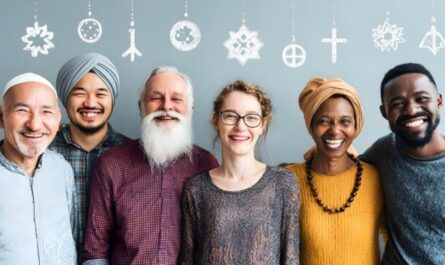
Influencers from diverse backgrounds demonstrate that PCOS cannot be reduced to one body type, one ethnicity, or one life path.
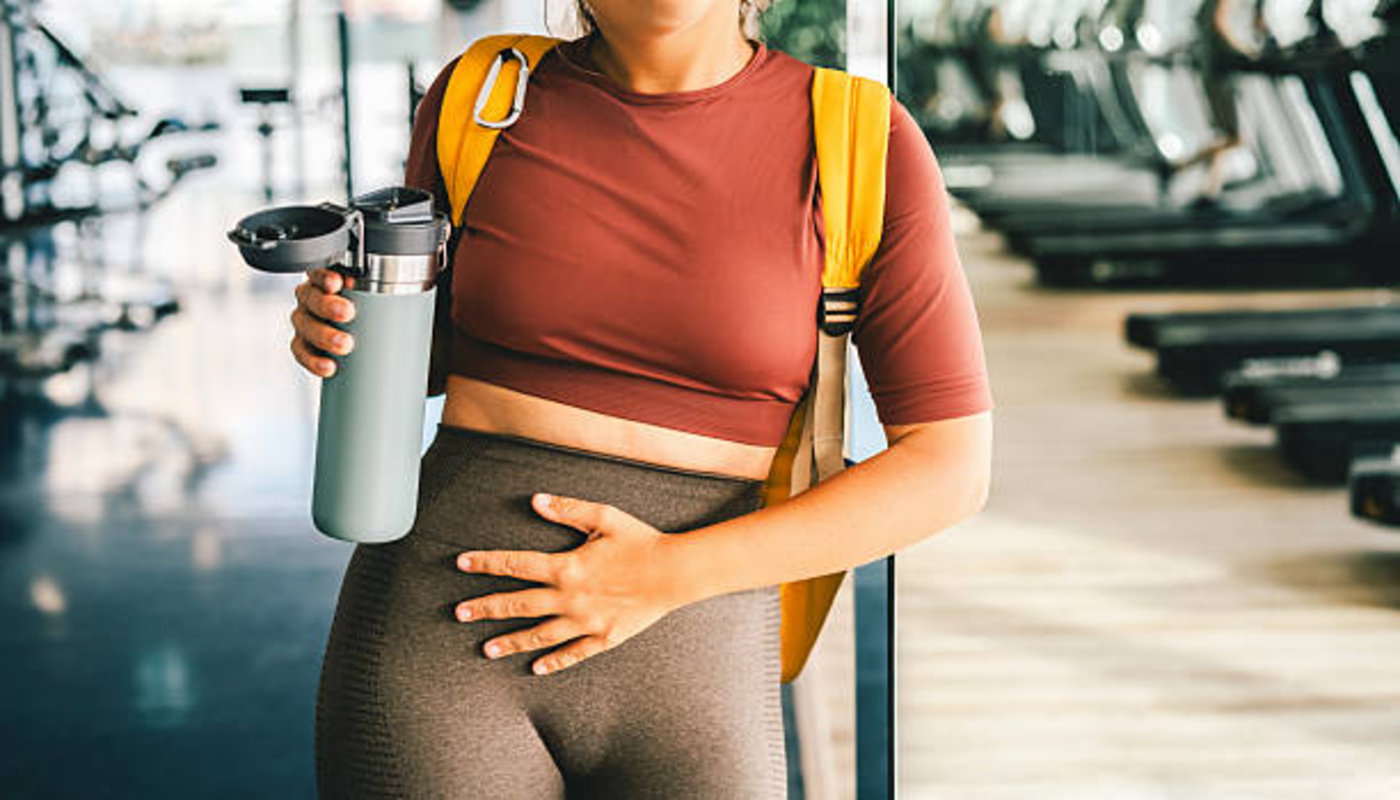
Some prioritize discussions about athletic performance.
Others focus on fertility.
Some emphasize career challenges.
Others discuss emotional resilience.
Together, these perspectives create a richer and more inclusive understanding of hormonal health.
Instead of seeking a single “correct” PCOS story, audiences learn to appreciate diversity within shared experience.
The Future of Digital Health Advocacy Beyond Awareness
As conversations around PCOS continue to evolve, the next phase of influencer advocacy is likely to move beyond simply raising awareness toward promoting health literacy and systemic change. Increasingly, creators are partnering with healthcare professionals, researchers, nonprofit organizations, and patient advocacy groups to develop content that is both relatable and evidence-informed. This collaboration reflects a growing understanding that personal stories are most powerful when paired with credible medical information. Future campaigns may place greater emphasis on helping audiences understand the importance of individualized treatment plans, regular health screenings, and long-term management rather than seeking quick fixes. Emerging technologies such as telemedicine, multilingual educational content, and AI-powered health resources could further expand access to reliable information, particularly for people living in rural or underserved communities. At the same time, digital creators are becoming more conscious of representing a wider range of experiences, ensuring that discussions include different ethnicities, body types, ages, and cultural backgrounds. Such inclusivity helps dismantle the misconception that PCOS has a single appearance or affects only one demographic. As digital advocacy matures, its greatest contribution may not simply be increasing visibility, but fostering a generation that approaches reproductive health with curiosity, confidence, and a willingness to seek professional care without stigma or shame.
Building Compassionate Communities Through Shared Experience
Perhaps the most enduring legacy of influencer-led PCOS awareness is the sense of community it has cultivated among people who once believed they were facing their struggles alone. Social media has enabled individuals from different countries, languages, and cultures to discover common ground despite differences in healthcare systems, traditions, or social expectations. Someone navigating a recent diagnosis can find encouragement from another person thousands of miles away who has already learned to manage similar challenges. These exchanges create spaces where empathy often takes precedence over judgment, replacing isolation with understanding and hope. Importantly, these communities are not built solely around symptoms or medical advice; they also celebrate resilience, self-acceptance, career achievements, relationships, creativity, and everyday victories that remind people they are far more than a diagnosis. This broader perspective helps counter narratives that define individuals exclusively through their health conditions. As awareness continues to grow, the success of digital advocacy will depend not only on expanding knowledge but also on nurturing respectful, compassionate conversations that recognize the complexity of living with PCOS. In doing so, influencers and their audiences together contribute to a culture where openness, dignity, and informed support become lasting foundations for reproductive health advocacy worldwide.
Conclusion: From Visibility to Lasting Change
The growing visibility of PCOS through influencers represents far more than another social media trend. It reflects a broader cultural transformation in how societies discuss women’s health, body diversity, and lived experience. By speaking openly about diagnosis journeys, hormonal symptoms, emotional wellbeing, and the realities of managing a chronic condition, creators have challenged decades of silence and stigma that left many individuals feeling isolated.
Their influence extends beyond awareness alone. They have helped normalize conversations that once felt taboo, encouraged earlier medical consultations, fostered supportive online communities, and broadened public understanding of what health can look like across different bodies and cultures. At the same time, the movement reminds us that visibility carries responsibility. Accurate information, evidence-based guidance, transparency, and collaboration with healthcare professionals remain essential to ensuring that awareness translates into meaningful health outcomes rather than confusion or misinformation.
The future of PCOS advocacy is likely to be increasingly collaborative. Researchers, clinicians, public health organizations, and digital creators each bring distinct strengths to the conversation. Scientific expertise provides credibility, while lived experience offers empathy and relatability. Together, they can build a more informed public that understands PCOS not as a defining identity or a source of shame, but as one aspect of a person’s health journey.
Ultimately, the greatest achievement of influencer-driven PCOS awareness may be its contribution to a culture where people no longer suffer in silence, where reproductive health conversations are treated with dignity, and where every individual feels empowered to seek answers without fear, judgment, or embarrassment. In transforming personal stories into collective understanding, influencers have demonstrated that digital platforms can do more than entertain—they can help reshape public health conversations for generations to come.
Sources: World Health Organization, NHS, Office on Women’s Health, Johns Hopkins Medicine, Cleveland Clinic, Mayo Clinic, BBC, Glamour, Women’s Health, Healthline, Medical News Today, Endocrine Society