 by
by How Motherhood Influencers Navigate Body Expectations
Introduction: When Motherhood Becomes Public Culture
Motherhood has always carried social expectations, but social media has transformed those expectations into a constantly evolving public conversation. For centuries, women navigated pregnancy, childbirth, and parenting primarily within families and local communities. Today, millions experience these milestones under the gaze of digital audiences, where photographs, short videos, and personal reflections can reach people across continents within minutes.
The emergence of motherhood influencers reflects one of the most significant cultural shifts of the digital age. These creators are far more than lifestyle personalities documenting family life. They shape conversations around parenting, emotional wellbeing, work-life balance, identity, consumer culture, and increasingly, body image. Every pregnancy announcement, postpartum update, family holiday, or everyday parenting moment contributes to broader narratives about what modern motherhood should look like.
Unlike celebrities whose carefully managed public images were once filtered through magazines or television interviews, today’s motherhood influencers often control their own storytelling. They invite audiences into nursery preparations, hospital bags, sleepless nights, breastfeeding journeys, career transitions, and family routines. This intimacy creates powerful communities built on relatability and trust.
However, it also creates new pressures.
The body becomes part of an unfolding story rather than a private experience. Pregnancy changes become content. Postpartum recovery becomes content. Returning to exercise becomes content. Even choosing not to discuss physical changes can become a conversation among followers who have grown accustomed to witnessing every chapter.
This visibility reveals an important cultural paradox. Society increasingly celebrates authenticity and body acceptance, yet digital platforms continue rewarding visual perfection, aspirational aesthetics, and highly curated lifestyles. Motherhood influencers therefore navigate two competing expectations at once: they are encouraged to be honest while simultaneously presenting content that captures attention in highly competitive online spaces.
Understanding this balancing act offers insight into much larger questions about identity, femininity, caregiving, and self-worth. The discussion is no longer simply about postpartum bodies. It is about how digital culture influences the way motherhood itself is imagined across different societies.
The Evolution of the “Ideal Mother”
Every generation inherits cultural ideas about what makes a “good mother.” These ideals rarely remain fixed. Instead, they evolve alongside economic conditions, media landscapes, and changing gender roles.
Earlier generations often emphasized sacrifice, domestic responsibility, and selflessness. Mothers were expected to place their own needs behind those of their families, with little public recognition for the emotional complexity of caregiving.
Later, particularly during the late twentieth century, another image emerged: the “supermom.” She balanced career ambitions, household management, parenting, friendships, fitness, and personal style with remarkable efficiency. Although celebrated as empowering, this ideal often placed extraordinary expectations on women by suggesting they should excel in every aspect of life simultaneously.
Social media has not replaced these older ideals.
Instead, it has layered them together.
Today’s motherhood influencer is frequently expected to be emotionally available, professionally successful, physically active, aesthetically stylish, financially responsible, mentally resilient, environmentally conscious, and consistently positive—all while documenting these achievements for public audiences.
The result is an impossible standard disguised as inspiration.
Many creators acknowledge that the pressure rarely comes from one source alone. Brands, platform algorithms, audience engagement, and broader cultural conversations all shape what becomes visible and rewarded online. Posts that feature polished family photographs often receive significant engagement, while quieter moments of emotional reflection may not attract the same attention.
Consequently, motherhood influencers continuously negotiate between authenticity and visibility. They seek meaningful storytelling while working within digital systems that often prioritize visual appeal.
When Pregnancy Becomes Public Narrative
Pregnancy has always been socially significant, but social media has transformed it into an unfolding digital narrative.
Followers frequently witness every stage:
- Announcement photographs
- Ultrasound celebrations
- Nursery preparation
- Baby showers
- Maternity fashion
- Hospital packing
- Birth reflections
- Early parenting updates
These milestones often foster genuine community. Followers celebrate alongside creators, exchange advice, and share encouragement from diverse cultural backgrounds.
Yet increased visibility also changes audience expectations.
People begin following not only the pregnancy but the body itself.
Comments often shift from excitement about the baby’s arrival to observations about appearance. Compliments regarding how someone “looks amazing” during pregnancy or “looks exactly the same” after childbirth may seem harmless, yet they reveal broader cultural assumptions that physical appearance deserves constant evaluation.
The issue is not kindness.
The issue is emphasis.
When appearance consistently receives more public attention than emotional adjustment, family relationships, or personal growth, cultural priorities become subtly distorted.
Motherhood influencers increasingly recognize this imbalance and actively redirect conversations toward experiences rather than appearances.
The Postpartum Body as a Cultural Symbol
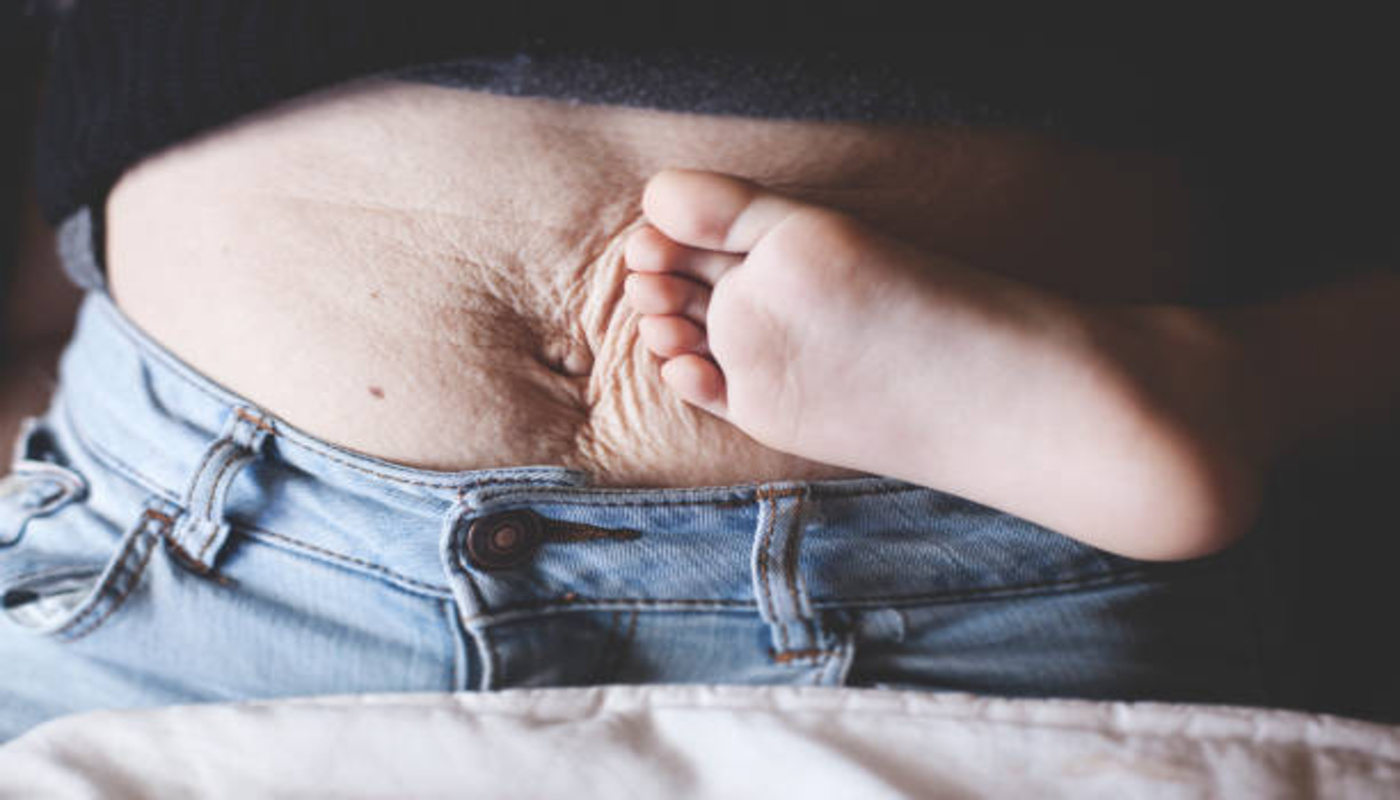
Perhaps no stage illustrates public expectations more clearly than postpartum recovery.
For decades, entertainment media often framed postpartum experiences through rapid transformation stories. Headlines praised women who appeared to return quickly to previous styles or routines, unintentionally reinforcing the idea that recovery could be measured visually.
Many motherhood influencers have challenged this narrative.
Instead of presenting postpartum life as a race toward a previous identity, they describe it as a period of adaptation.
Recovery includes interrupted sleep.
Changing routines.
New responsibilities.
Emotional adjustment.
Learning entirely new rhythms of daily life.
The body becomes only one part of a much larger transition.
This perspective represents a meaningful cultural shift. Rather than describing motherhood as something women eventually “recover from,” many creators describe it as an experience that permanently reshapes identity in valuable ways.
The language itself has begun to change.
Instead of discussing “getting your body back,” conversations increasingly focus on understanding and appreciating the body’s evolving role throughout pregnancy, birth, and parenting.
Although these changes in language may appear small, they influence how audiences interpret motherhood itself.
Words shape expectations.
Expectations shape culture.
Authenticity in the Age of Algorithms
Authenticity has become one of social media’s most celebrated values.
Ironically, authenticity can also become performative.
Followers frequently request “real life.”
They ask creators to show messy homes, difficult mornings, emotional moments, and imperfect parenting experiences.
However, digital platforms reward engagement, and engagement often favors visually appealing content. Bright lighting, thoughtful composition, and aesthetically pleasing environments remain more discoverable than ordinary moments that accurately reflect everyday life.
Motherhood influencers therefore face a unique contradiction.
If they share only polished photographs, audiences may accuse them of creating unrealistic standards.
If they share constant vulnerability, emotional openness itself can become expected content.
This expectation raises important ethical questions.
How much should parents reveal about deeply personal experiences?
Where should family privacy begin?
Can vulnerability remain authentic once it becomes part of a creator’s professional identity?
Increasingly, many motherhood influencers establish clear boundaries. Some choose not to share certain parenting milestones. Others avoid discussing topics that involve their children’s privacy. Many openly explain that authenticity does not require documenting every challenge or inviting public commentary on every aspect of family life.
This evolving approach reflects growing digital maturity rather than reduced openness.
Authenticity, after all, includes the freedom to choose what remains private.
Body Expectations Extend Beyond Appearance
Discussions about body image often focus exclusively on physical appearance.
For motherhood influencers, expectations frequently extend much further.
Their bodies are expected to symbolize energy.
Resilience.
Productivity.
Balance.
Confidence.
Even when followers do not comment directly on appearance, they may assume that a mother’s visible wellbeing reflects perfect organization or emotional stability.
Reality is naturally more complex.
Modern parenting involves continuous adaptation, changing responsibilities, and evolving identities. Many creators speak publicly about learning to redefine success rather than pursuing impossible ideals of perfection.
Instead of portraying motherhood as effortless, they emphasize flexibility, self-compassion, and realistic expectations.
This approach resonates because it acknowledges something audiences increasingly recognize: confidence is not the absence of change.
Confidence often grows through adapting to change.
That distinction fundamentally reshapes conversations about body image.
Rather than asking whether motherhood changes women, the conversation becomes how society responds to those changes.
The answer increasingly depends on whose stories receive visibility—and how those stories are told.
Cross-Cultural Perspectives: Motherhood Is Universal, Body Expectations Are Not
Although social media has connected mothers across borders, expectations surrounding motherhood remain deeply influenced by culture, history, religion, family structures, and beauty ideals. What is considered admirable in one society may not hold the same meaning elsewhere, making motherhood influencing a fascinating intersection of local traditions and global digital culture.
In many Western countries, conversations increasingly emphasize body neutrality, postpartum recovery, and mental wellbeing. Campaigns encouraging realistic representations of motherhood have gained visibility, and many creators openly discuss the importance of allowing recovery to happen without arbitrary timelines.
In contrast, other societies continue placing strong emphasis on appearance after childbirth, often viewing a mother’s presentation as a reflection of family values, discipline, or social respectability. Mothers may experience subtle expectations to quickly resume household responsibilities while also maintaining polished appearances during family gatherings and celebrations.
Across South Asia, the Middle East, East Asia, Africa, Europe, and Latin America, traditions surrounding pregnancy and postpartum recovery vary enormously. Some cultures prioritize extended family support and dedicated recovery periods, while others expect mothers to return to routine responsibilities relatively quickly. These differences inevitably influence how creators discuss their experiences online.
Interestingly, social media often brings these cultural approaches into direct conversation with one another. A creator in London may inspire discussions among mothers in Karachi, while parenting practices shared in Seoul or São Paulo may resonate with audiences thousands of miles away.
Rather than creating one universal standard, digital platforms expose audiences to multiple interpretations of motherhood. This diversity can reduce feelings of isolation by reminding mothers that there is no single “correct” way to experience pregnancy, recovery, or parenting.
Celebrity Mothers Are Changing the Conversation
Public figures have historically influenced beauty ideals, but several celebrity mothers have helped shift conversations toward greater honesty by speaking openly in interviews, documentaries, campaigns, and social media about the realities of motherhood.
Model and cookbook author Chrissy Teigen has publicly discussed postpartum recovery and the emotional adjustments of becoming a mother, encouraging more open conversations about experiences that had long remained private.
Actor Ashley Graham has consistently used interviews and social media to discuss pregnancy, motherhood, and body confidence, often emphasizing gratitude for what the body accomplishes rather than focusing solely on appearance. Her willingness to share aspects of postpartum life contributed to wider discussions about realistic representations of motherhood.
Former tennis champion Serena Williams has spoken publicly about balancing elite athletic performance with motherhood, highlighting the complexity of returning to professional competition after giving birth while rejecting simplistic narratives around “bouncing back.”
Similarly, Blake Lively has discussed the unrealistic expectations created by heavily produced media images, reminding audiences that magazine covers and carefully styled photographs involve extensive professional teams rather than everyday reality.
These conversations matter because they shift public attention away from transformation stories and toward lived experience. Importantly, they rely on verified public interviews and documented statements rather than speculation, reinforcing that meaningful discussions about body image do not require invading personal privacy.
Brands Are Learning That Authenticity Builds Trust
The relationship between motherhood influencers and commercial partnerships has also evolved significantly.
For many years, parenting advertisements largely featured idealized imagery: spotless homes, smiling babies, perfectly dressed parents, and effortless routines. While visually appealing, these campaigns often overlooked the complexity of everyday caregiving.
Consumer expectations have gradually changed.
Many audiences now respond more positively to campaigns that acknowledge realistic parenting experiences while maintaining dignity and optimism. Brands increasingly collaborate with creators whose content reflects genuine family life rather than unattainable perfection.
This does not mean every campaign should focus on struggle.
Rather, it suggests that honesty and aspiration can coexist.
A beautiful family photograph can exist alongside conversations about sleepless nights.
Stylish maternity fashion can coexist with discussions about changing identities.
Celebrating motherhood does not require pretending that every moment feels effortless.
This evolution reflects broader changes in marketing itself. Consumers increasingly value transparency, and motherhood influencers often become trusted voices precisely because they present multidimensional experiences rather than one-dimensional perfection.
The Psychology of Constant Comparison
One of the most significant psychological challenges facing both creators and audiences is comparison.
Social comparison is a natural human tendency. People often evaluate themselves by observing others, particularly those they perceive as similar.
Motherhood influencers naturally occupy this space.
Followers may compare:
- Pregnancy experiences
- Parenting styles
- Home environments
- Career balance
- Children’s milestones
- Daily routines
- Confidence levels
- Physical appearance
Yet these comparisons frequently overlook important realities.
Social media represents carefully selected moments.
Even creators committed to authenticity cannot document every hour of every day.
Algorithms further complicate matters by repeatedly showing content that performs well, creating the illusion that exceptional moments are ordinary experiences.
Many psychologists describe this as a “highlight reel effect,” where audiences compare their everyday lives with another person’s curated collection of memorable moments.
Recognizing this distinction helps reduce unrealistic expectations.
The healthiest relationship with social media often involves viewing creators as storytellers rather than standards against which one’s own life should be measured.
Redefining Strength Beyond Appearance
An important cultural shift occurring within motherhood influencing is the growing emphasis on capability rather than aesthetics.
Instead of asking whether mothers look a certain way, conversations increasingly celebrate what motherhood requires:
Patience.
Adaptability.
Emotional intelligence.
Problem-solving.
Leadership.
Resilience.
Compassion.
These qualities rarely appear in photographs, yet they define much of parenting.
Many creators intentionally redirect attention toward these less visible forms of strength. They discuss learning new skills, building confidence through experience, and recognizing that identity continues evolving long after pregnancy ends.
This broader definition of wellbeing benefits audiences of every age.
Young women who have not yet become mothers encounter more balanced narratives.
Parents feel less pressure to measure success through appearance alone.
Children grow up seeing caregiving portrayed as meaningful work rather than effortless perfection.
In this way, conversations about body image ultimately become conversations about human value.
The Future of Motherhood Influencing
The future of motherhood content will likely depend less on flawless imagery and more on meaningful storytelling.
Several emerging trends suggest this direction.
Audiences increasingly reward creators who establish healthy boundaries around family privacy.
Brands are recognizing that authenticity generates long-term trust.
Researchers continue examining the relationship between social media use, parental wellbeing, and body image.
Digital literacy education encourages audiences to interpret online content more critically rather than accepting every image as reality.
Perhaps most importantly, motherhood itself is becoming more inclusive within digital storytelling.
Different family structures.
Different cultural traditions.
Different parenting philosophies.
Different recovery experiences.
Different career paths.
Different personal identities.
These perspectives collectively challenge the notion that there is only one successful way to experience motherhood.
Rather than replacing one ideal with another, the most constructive conversations create space for diversity.
Conclusion: Beyond the “Perfect Mother”
Motherhood influencers occupy one of the most complex spaces on social media. They share deeply personal experiences while navigating public expectations that often extend far beyond parenting itself. Their bodies become symbols onto which audiences project ideas about discipline, beauty, success, resilience, and femininity.
Yet the most influential creators are increasingly redefining those expectations.
Instead of presenting motherhood as a journey toward reclaiming a previous version of themselves, they describe it as the beginning of an evolving identity.
Instead of treating physical changes as problems requiring immediate solutions, they acknowledge them as natural chapters within larger life stories.
Instead of encouraging comparison, they often invite compassion—for themselves, for their audiences, and for mothers whose experiences look entirely different.
This cultural shift remains incomplete. Social media continues rewarding highly visual content, and appearance-based commentary has not disappeared. However, each honest conversation, thoughtful campaign, and nuanced story expands public understanding of what motherhood can look like.
Body inclusivity within motherhood is not about rejecting beauty or discouraging self-care. It is about recognizing that bodies are neither timelines nor trophies. They are living records of experiences, relationships, resilience, and change.
As motherhood influencers continue shaping digital culture, their greatest contribution may not be inspiring audiences to achieve a particular appearance. Instead, it may be encouraging society to value mothers for the richness of their experiences, the diversity of their journeys, and the humanity they bring to stories that have too often been reduced to appearances.
When body expectations become less about returning to an imagined ideal and more about respecting individual experiences, everyone benefits—not only mothers, but families, future generations, and the cultures they help shape.
Sources: UNICEF, World Health Organization, American Psychological Association, Harvard Health Publishing, BBC, The New York Times, The Guardian, Vogue, Elle, Forbes, Parents, Today, Self, Glamour, Time, Psychology Today