 by
by Introduction: From Sculpted Faces to Soft Realism
For nearly a decade, full-contour makeup—sharp cheekbones, chiseled jawlines, hyper-defined noses, and meticulously carved facial structures—dominated beauty culture. It was the aesthetic of precision, heavily popularized by early YouTube beauty influencers and mainstream celebrities who turned makeup into a transformative art form. The face became a canvas for reshaping, refining, and “perfecting” perceived imperfections.
Yet, a noticeable cultural shift is underway.
Across platforms like TikTok, Instagram, and YouTube Shorts, a new generation—Gen Z—is quietly dismantling the dominance of full-contour makeup. Instead, they are embracing skin texture, natural face shapes, minimal coverage, and softer, more fluid aesthetics. The era of heavy sculpting is giving way to a beauty philosophy that prioritizes authenticity over alteration.
This shift is not merely a change in makeup technique—it reflects deeper cultural, psychological, and generational values. Gen Z’s rejection of full-contour makeup is rooted in identity politics, digital authenticity, body inclusivity, and a growing resistance to rigid beauty standards that once defined aspirational beauty.
Understanding this transformation requires more than a glance at beauty trends—it requires unpacking the social pressures, technological influences, and evolving definitions of self-expression that are reshaping the modern face.
The Algorithmic Mirror: How Platforms Shape Aesthetic Preferences
The rise of Gen Z’s rejection of full-contour makeup cannot be understood without examining the role of digital platforms as “algorithmic mirrors.” Social media doesn’t just reflect beauty trends—it actively shapes them. Algorithms on platforms like TikTok and Instagram prioritize content that is engaging, relatable, and visually “authentic,” which often translates to unfiltered skin, natural lighting, and minimal editing. In this environment, highly sculpted, heavily contoured makeup can sometimes feel out of place—too polished, too distant, or even performative.
This algorithmic preference has subtly influenced what users perceive as “desirable” or “aspirational.” Instead of showcasing a perfectly carved face, viral content often features creators discussing skincare routines, showing bare-faced mornings, or demonstrating light, skin-focused makeup looks. This visibility reinforces the idea that natural beauty is not only acceptable but also celebrated and rewarded.
At the same time, this shift raises important questions. Is Gen Z truly rejecting contour, or are they responding to what performs best online? The answer lies somewhere in between. While algorithms amplify certain aesthetics, Gen Z is actively choosing to align with these trends because they resonate with their values of authenticity, ease, and inclusivity. In this sense, the rejection of full contour is both organic and algorithmically reinforced—a co-evolution of technology and cultural identity.
⸻
Redefining Effort: From “Trying Hard” to “Looking Effortless”
In previous generations, full-contour makeup was often associated with effort, skill, and dedication. Mastering contour techniques required time, practice, and a deep understanding of facial structure. It was seen as a form of artistry, where the ability to “sculpt” the face was a marker of expertise and beauty knowledge.
However, Gen Z is redefining what effort in beauty looks like.
Instead of equating effort with complexity, Gen Z often associates effort with intention and sustainability. A beauty routine that feels balanced, time-efficient, and aligned with one’s lifestyle is now considered more “effortful” in a meaningful way than one that is simply elaborate.
This has led to the rise of the “effortless aesthetic”—a look that appears natural but is still thoughtfully curated. Ironically, achieving this “effortless” look often requires its own level of skill. The difference lies in the intention: rather than hiding or reshaping features, the goal is to subtly enhance them.
This shift also reflects a deeper cultural redefinition of value. For Gen Z, beauty is no longer about how much effort is visible to others—it’s about how a routine makes the individual feel. If full contour feels restrictive, time-consuming, or emotionally draining, it loses its appeal, regardless of how visually striking it may be. In contrast, a minimalist routine that fosters confidence, comfort, and self-expression is seen as far more valuable.
⸻
Toward a More Fluid Beauty Future
Looking ahead, the future of beauty appears increasingly fluid, decentralized, and individualized. The rejection of full contour makeup by Gen Z is not the end of structured beauty techniques—it is the beginning of a more adaptable and inclusive framework where no single aesthetic dominates.
In this emerging landscape, beauty will likely continue to shift between extremes: from bold glam to bare-faced minimalism, from digital filters to unfiltered realism. However, what sets this generation apart is their willingness to move fluidly between these expressions without assigning moral weight to either.
This flexibility marks a significant departure from previous generations, where beauty standards often carried implicit hierarchies—certain looks were deemed more “acceptable,” “professional,” or “desirable” than others. Gen Z challenges this hierarchy by refusing to place rigid value on any single aesthetic.
Instead, they approach beauty as a spectrum—a space where contour can exist, but so can its absence. Where glam can coexist with minimalism. Where identity is not confined to a single visual expression.
This cultural fluidity is perhaps the most significant legacy of Gen Z’s beauty philosophy. It signals a future where beauty is not about conforming to trends, but about navigating them with autonomy. In this future, the question is no longer “How should I look?” but rather “How do I want to express myself today?”
And in that shift lies a powerful reimagining of beauty itself—one that is less about sculpting the face, and more about honoring the person behind it.
Ultimately, Gen Z’s quiet departure from full-contour makeup signals more than a trend—it reflects a generational mindset rooted in self-awareness and intentional living. In choosing softer, more natural aesthetics, they are redefining beauty as something that coexists with identity rather than overrides it. This shift challenges the long-standing idea that transformation is necessary for beauty, replacing it with a philosophy of acceptance and enhancement. As beauty continues to evolve, Gen Z’s influence ensures that individuality, comfort, and authenticity remain central—reminding the world that the most powerful kind of beauty is the one that allows people to simply be themselves.
The Rise and Fall of the Contour Era
To understand Gen Z’s rejection of full contour, it’s essential to revisit its origins.
The full-contour trend gained mainstream popularity in the early 2010s, largely through the rise of beauty influencers on YouTube. Techniques that once belonged to professional makeup artists became democratized through tutorials, enabling anyone to dramatically reshape their facial appearance using makeup.
This era was defined by:
- Heavy foundation and full coverage bases
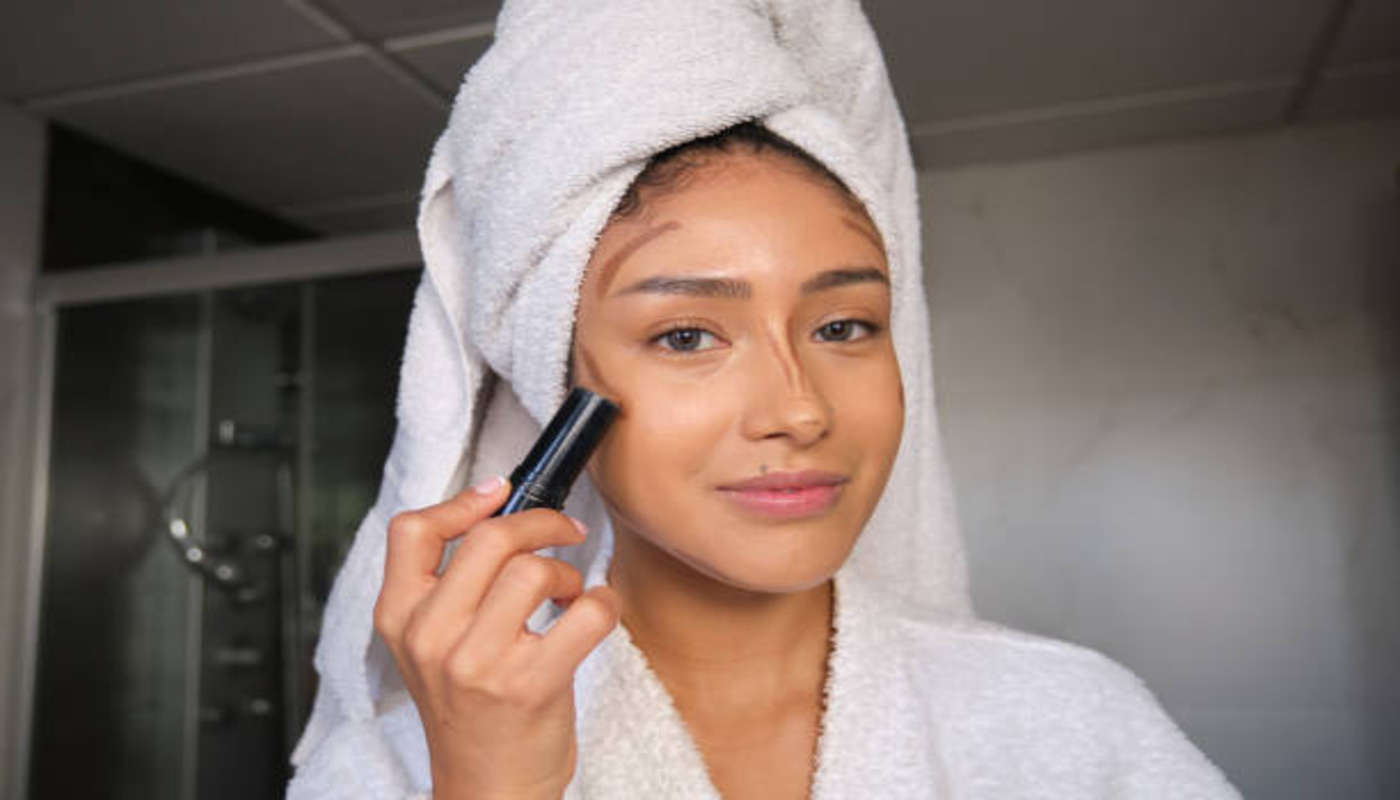
- Sharp contour lines using cream or powder products
- Baking techniques to lock in structure
- High-contrast highlighting and shadowing
- Airbrushed, filter-like perfection
Makeup became less about enhancing features and more about reconstructing them.
Celebrities and public figures further amplified this aesthetic through red carpets and social media appearances, reinforcing a singular ideal: symmetry, sharpness, and sculpted perfection.
However, while the contour era emphasized control over appearance, it also coincided with rising criticism of unrealistic beauty standards. As social media matured, so did its users—and with that came growing awareness of how filters, lighting, and editing distorted reality.
Gen Z and the Politics of Authenticity
Gen Z is often described as the most socially conscious and digitally native generation. Having grown up with constant exposure to curated online identities, they are uniquely aware of how digital images can manipulate perception.
This awareness has fostered a strong desire for authenticity.
Full contour makeup, with its heavily constructed aesthetic, can feel at odds with this value system. Rather than presenting a version of “enhanced reality,” Gen Z often gravitates toward looks that feel:
- Unfiltered
- Relatable
- Imperfect
- Human
In many ways, rejecting full contour is a rejection of the idea that beauty must be constructed, controlled, or corrected.
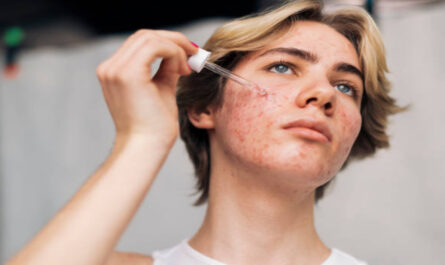
Instead, Gen Z embraces what could be described as “aesthetic honesty”—a visual language that allows freckles to show, pores to exist, and facial structures to remain untouched by aggressive sculpting.
This shift aligns with broader cultural movements advocating for body inclusivity and self-acceptance. It reflects a desire to move away from beauty as performance and toward beauty as expression.
The Influence of TikTok and the Rise of “Skin-First” Beauty
Platforms like TikTok have played a pivotal role in redefining beauty standards.
Unlike earlier platforms that emphasized polished, edited content, TikTok’s algorithm favors raw, relatable, and often imperfect content. This has created a space where users can showcase real skin texture, minimal makeup, and authentic routines.
A new aesthetic emerged: “skin-first beauty.”
This approach prioritizes:
- Skin health over heavy coverage
- Lightweight, breathable products
- Dewy, natural finishes
- Minimal contouring or no contour at all
- Strategic enhancement rather than structural alteration
Rather than layering on multiple products to reshape the face, Gen Z creators focus on enhancing their natural features.
This trend is not about rejecting makeup—it’s about redefining its purpose.
Makeup becomes a tool for expression, not correction.
Psychological Fatigue: The Weight of Perfection
There is also a psychological dimension to Gen Z’s rejection of full contour makeup.
The contour-heavy aesthetic often demands:
- Time
- Skill
- Precision
- Maintenance
For many, it can feel labor-intensive and mentally exhausting. The pressure to maintain a perfectly sculpted appearance can create a sense of performance rather than self-expression.
Gen Z, however, is increasingly prioritizing mental well-being.
Minimalist beauty routines reduce:
- Decision fatigue
- Time pressure
- Financial burden
- Emotional stress tied to appearance
This aligns with a broader movement toward self-care and mental health awareness. For a generation that openly discusses anxiety, burnout, and emotional wellness, full contour can feel incompatible with a lifestyle centered on ease and balance.
Instead of spending time perfecting contour lines, Gen Z often prefers routines that feel effortless and sustainable.
Body Inclusivity and the Shift Away from Facial Reshaping
The rejection of full contour also intersects with the body inclusivity movement.
Contouring, at its core, is about reshaping the face—creating illusions of higher cheekbones, slimmer noses, and sharper jawlines. While it can be a form of artistic expression, it also reinforces the idea that natural facial structures need to be modified to meet beauty standards.
Gen Z is increasingly challenging this notion.
The movement toward inclusivity emphasizes:
- Acceptance of diverse facial structures
- Celebration of individual features
- Recognition that beauty is not uniform
- Resistance to one-size-fits-all aesthetics
Instead of conforming to a singular sculpted ideal, Gen Z embraces a wide spectrum of beauty expressions.
This shift represents a broader cultural redefinition: beauty is no longer about transformation—it is about recognition and representation.
The Influence of Celebrity Aesthetics: Soft Glam Over Heavy Sculpt
Celebrities have also adapted to this cultural shift.
Public figures across global industries have moved toward softer, more natural looks—especially in everyday appearances and digital content. These looks often include:
- Light foundation or skin tints
- Minimal contouring
- Soft blush placement
- Natural brows and lips
- Glowing, rather than sculpted, skin
These styles are often categorized as “soft glam” or “clean girl aesthetic.”
Importantly, this shift is not about abandoning makeup—it is about rebalancing it.
Celebrities now often present a dual aesthetic:
- Full glam for red carpets
- Minimal or soft glam for personal content
This duality allows them to maintain artistry while also embracing authenticity.
For Gen Z, this reinforces the idea that beauty does not need to be constant, controlled, or uniform. It can evolve based on context, mood, and intention.
The Global Perspective: Cultural Beauty Norms and Resistance
The rejection of full contour makeup is not limited to Western beauty culture—it reflects global shifts.
In many parts of the world, beauty standards have historically emphasized:
- Skin clarity
- Natural features
- Subtle enhancement rather than heavy alteration
As global beauty trends circulate through social media, Gen Z audiences across regions are selectively adopting elements that align with their values.
For example:
- In parts of South Asia, lighter makeup looks are often preferred for everyday wear, with emphasis on skin health and glow
- In East Asian beauty culture, trends often prioritize natural finishes, gradient lips, and minimal contouring
- In Western markets, the shift toward minimalism reflects a response to earlier high-definition glam trends
Across these cultures, Gen Z is not simply rejecting contour—they are reinterpreting beauty in ways that resonate with their local identities and global awareness.
Financial Accessibility: Makeup as a Lifestyle Choice
Another important factor influencing this shift is economic.
Full contour makeup often requires:
- Multiple products (foundation, contour, concealer, powders, tools)
- High-end or specialized brands
- Advanced techniques and tools
For Gen Z, many of whom are navigating early careers, education, and financial independence, investing in such a complex routine may not feel practical.
Minimalist routines are:
- More affordable
- More efficient
- Easier to maintain
- Less product-dependent
This makes beauty more accessible and inclusive, allowing individuals to participate without financial strain.
Thus, rejecting full contour is not just an aesthetic choice—it is also a financial and lifestyle decision.
The Role of Filters and Digital Realities
Ironically, as makeup becomes more natural, digital filters are becoming more advanced.
However, Gen Z is increasingly critical of filtered perfection.
There is growing awareness that:
- Filters distort facial proportions
- They create unrealistic beauty expectations
- They contribute to comparison culture
As a result, many Gen Z users prefer to present themselves with minimal editing, even in digital spaces.
This has led to a cultural paradox:
- In earlier eras, makeup was used to replicate a filtered look
- Now, users are rejecting both filters and heavy makeup in favor of authenticity
This reflects a deeper cultural shift: a move away from perfection toward presence.
Nuanced Reality: Contour Is Not Dead—It Is Evolving
While it may seem like Gen Z has entirely rejected full contour, the reality is more nuanced.
Contour has not disappeared—it has evolved.
Instead of sharp, heavy sculpting, many now use:
- Soft contouring techniques
- Cream-based, blendable products
- Light shading for dimension rather than transformation
Contour is still used—but with restraint and intention.
This reflects a broader cultural principle: moderation over excess.
Gen Z is not rejecting artistry—they are rejecting rigidity.
Emotional Expression Through Minimalism
Minimal makeup does not mean minimal expression.
In fact, for many Gen Z individuals, minimalism allows for greater emotional expression.
Without heavy contour:
- The face appears more dynamic
- Expressions feel more genuine
- Emotions are more visible
This creates a sense of emotional transparency that aligns with Gen Z’s values.
Beauty becomes less about masking and more about revealing.
Conclusion: A Cultural Reset, Not a Rebellion
Gen Z’s rejection of full contour makeup is not a rejection of beauty—it is a redefinition of it.
This shift represents:
- A move toward authenticity over performance
- Inclusivity over uniformity
- Emotional honesty over aesthetic perfection
- Simplicity over complexity
In many ways, it is not a rebellion—it is a reset.
A reset that acknowledges the limitations of past beauty standards while embracing a more flexible, human-centered approach to self-expression.
As beauty continues to evolve, one thing becomes clear: the future is not about sculpting faces to fit trends—it is about allowing faces to exist as they are, with all their uniqueness, softness, and individuality.
Gen Z is not erasing beauty norms.
They are rewriting them.
Sources: Vogue, Allure, BBC Culture, The New York Times, Business of Fashion, Harper’s Bazaar, Refinery29, Dazed, Teen Vogue