 by
by Introduction: When Advertising Stopped Asking Women to “Fix” Themselves
For decades, global beauty advertising operated on a single, quietly powerful assumption: women were in a constant state of becoming “better.” Better skin. Better body. Better symmetry. Better youth. Better version of self. The promise of beauty marketing was not celebration—it was correction.
Then, in the early 2000s, a shift began to form inside that system. It did not arrive as a loud revolution at first, but as a carefully designed counter-narrative that questioned what beauty advertising itself had been teaching audiences for generations.
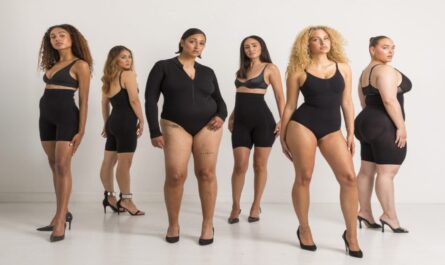
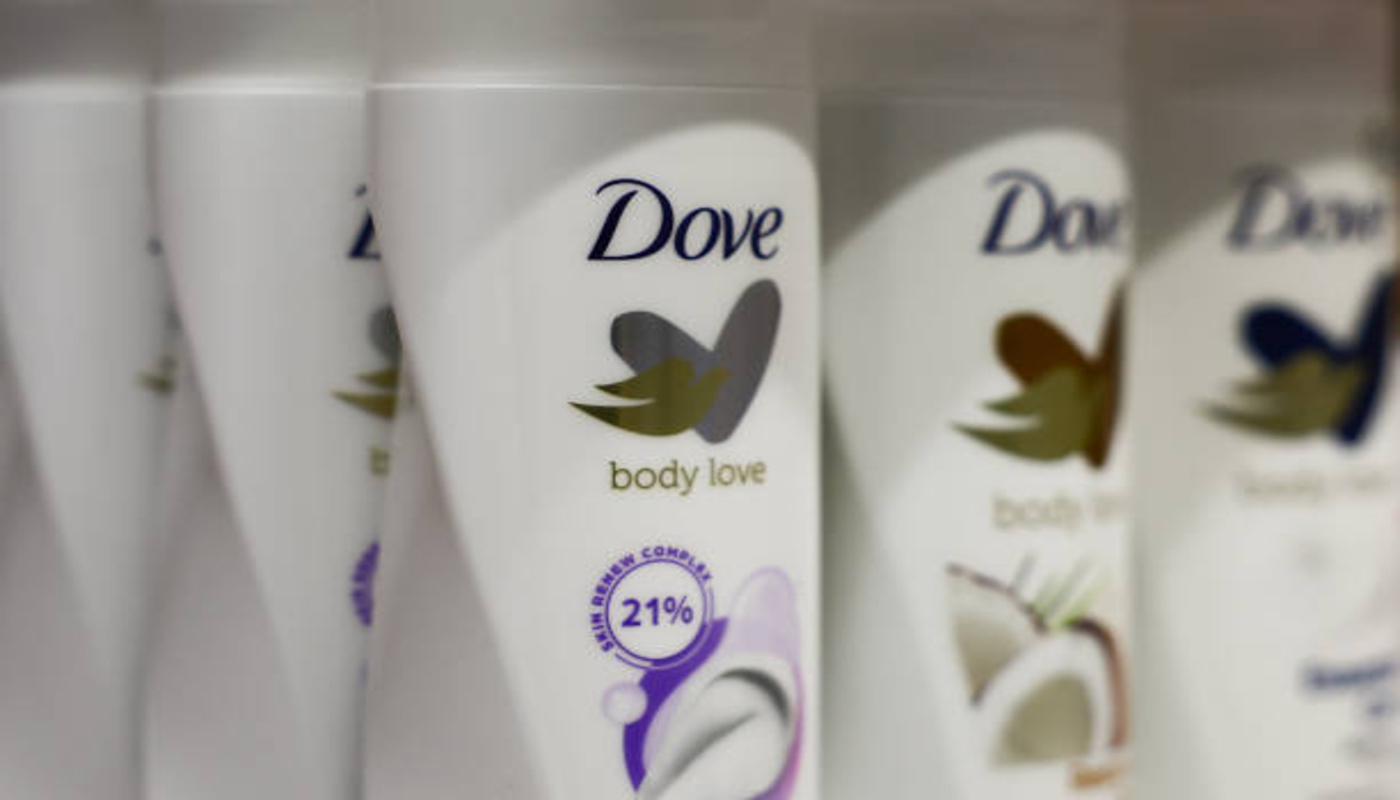
When the Dove “Real Beauty” campaign launched in 2004, it did something deceptively simple: it expanded who was allowed to be seen as beautiful in mainstream advertising. Instead of idealized, retouched, narrowly defined beauty standards, it introduced real bodies, diverse ages, and unfiltered representations into a space historically defined by exclusion.
What followed was not just a successful marketing campaign—it became a global cultural case study in how advertising can reshape perception, influence psychological self-image, and gradually alter industry standards.
The impact of Dove’s approach extends far beyond skincare shelves. It influenced advertising language, forced competitors to rethink representation, and sparked ongoing debates about authenticity, commercialization, and the limits of “inclusive beauty” in capitalist branding systems.
To understand its influence, we must examine not only what Dove did—but what global marketing became after Dove.
The Advertising Landscape Before “Real Beauty”
Before Dove’s campaign, beauty marketing was dominated by a visual language that left little room for variation. Most global beauty ads—whether in skincare, cosmetics, or fashion—followed a consistent aesthetic formula:
- Extremely narrow body representation
- Youth-centric visuals
- Heavy photo retouching
- Eurocentric beauty ideals in global markets
- Emphasis on transformation (“before vs after”)
- Silent reinforcement of insecurity-driven consumption
This model was effective in commercial terms because it created aspiration through dissatisfaction. The implicit message was not “you are beautiful,” but “you could become beautiful if you buy this.”
In psychological terms, this approach relied on what researchers often describe as appearance-based social comparison. Audiences were encouraged to measure themselves against idealized images that were, in many cases, digitally constructed or highly curated.
The result was a global advertising culture where perfection was not only normalized but expected.
It was into this environment that Dove introduced a radically different visual and emotional tone.
The Birth of Dove’s “Real Beauty” Philosophy
The Dove “Real Beauty” campaign emerged under the broader branding strategy of emphasizing self-esteem and body confidence rather than transformation.
Instead of positioning products as solutions to flaws, Dove began reframing beauty as something already present in everyday people.
Early campaign visuals and messaging included:
- Women of different body types
- Diverse age groups
- Visible skin textures and natural features
- Non-professional models in some campaign executions
- Documentary-style photography rather than heavily staged imagery
The campaign’s most iconic early activation, “Real Beauty Sketches” (2013), further expanded this narrative by exploring perception gaps between how women see themselves and how others see them.
This shift marked a significant departure from traditional beauty advertising logic. Dove was no longer simply selling soap or skincare—it was selling a redefined emotional relationship with self-image.
The Psychological Disruption: From Aspiration to Recognition
One of the most significant impacts of the campaign was psychological rather than visual.
Traditional beauty advertising operates on aspiration: the viewer is encouraged to aspire to an idealized version of beauty.
Dove’s campaign introduced a different mechanism: recognition.
Instead of asking “Who could you become?”, it asked, “What if you already belong in the definition of beauty?”
This subtle shift has been widely discussed in marketing psychology because it alters the emotional pathway of consumer engagement.
Aspiration-based marketing often relies on insecurity as a motivator. Recognition-based marketing, in contrast, aims to build trust, comfort, and identification.
However, this shift is not without complexity. Critics have pointed out that even recognition-based messaging exists within a commercial framework where products are still being sold.
This duality—empowerment alongside consumption—remains one of the most debated aspects of Dove’s legacy.
Redefining Representation in Global Advertising
One of Dove’s most visible contributions was normalizing diversity in beauty representation across mainstream advertising platforms.
Before its influence became widespread, diversity in beauty ads was often limited or symbolic rather than structural. After Dove’s campaign gained global traction, other brands began integrating more varied representation into their marketing strategies.
This included:
- Broader body diversity in skincare and lingerie advertising
- Increased visibility of older women in beauty campaigns
- More regional diversity in global campaigns
- Reduction (though not elimination) of excessive digital retouching in some markets
Importantly, Dove did not operate in isolation. It became part of a wider cultural shift influenced by:
- Feminist media critique
- Body positivity movements
- Social media democratization of beauty
- Increasing consumer demand for authenticity
However, Dove played a catalytic role by bringing these conversations into mainstream commercial advertising at scale.
The Global Ripple Effect: How Markets Responded Differently
The influence of Dove’s campaign did not unfold uniformly across regions. Instead, it adapted and evolved based on cultural context.
North America: The Rise of “Authenticity Marketing”
In the United States and Canada, Dove’s success contributed to a broader marketing trend often described as “authenticity branding.” Companies began emphasizing:
- Real people instead of models
- Behind-the-scenes storytelling
- Unfiltered imagery
- Emotional narratives over product specifications
Brands across skincare, fashion, and wellness industries adopted similar visual language, even when their core products remained unchanged.
Europe: Regulatory and Ethical Conversations
In parts of Europe, Dove’s campaign coincided with growing regulatory discussions about advertising ethics and digital retouching.
Countries like the UK introduced stricter guidelines around misleading image manipulation in beauty advertising, reinforcing transparency standards that aligned with the cultural direction Dove had popularized.
Asia: Selective Adoption and Cultural Filtering
In Asian markets, the reception was more complex. Beauty standards in many countries remained heavily influenced by:
- Whitening product marketing traditions
- Youth-centered beauty ideals
- High emphasis on smooth skin aesthetics
While Dove’s campaign introduced diversity messaging, its adoption varied significantly. In some regions, it was embraced as progressive; in others, it was adapted cautiously to align with existing cultural expectations.
This highlights an important reality: global marketing influence is never uniform—it is filtered through local beauty ideologies.
Middle East and South Asia: Emerging Conversations on Representation
In regions such as South Asia and the Middle East, Dove’s campaigns contributed to early mainstream discussions about representation in beauty advertising.
While traditional beauty standards remained strong, the presence of more diverse visuals in global advertising helped slowly open space for broader conversations about identity, skin tone diversity, and body representation.
Criticism and the Complexity of “Real Beauty”
Despite its cultural impact, Dove’s campaign has also faced critical scrutiny.
One of the central critiques is the tension between messaging and corporate structure. Critics argue that while the campaign promotes body confidence and self-acceptance, it still operates within a commercial system that profits from beauty insecurities overall.
This creates a paradox:
- The campaign challenges beauty norms
- Yet it still exists within a beauty product ecosystem
Another critique focuses on the scope of representation. While Dove expanded visual diversity, some argue that inclusivity in advertising often remains selective rather than fully representative of global body diversity.
Additionally, some scholars have pointed out that “authenticity marketing” itself has become a trend, meaning even “realness” can become a packaged aesthetic.
These critiques do not necessarily negate Dove’s impact, but they complicate its legacy. It is not a simple story of success or failure—it is a case study in how corporate branding interacts with cultural change.
Influence on Competitors and Industry Standards
Perhaps the clearest measure of Dove’s influence is how competitors responded.
After the campaign gained global recognition, many beauty and personal care brands began adjusting their marketing strategies to include:
- More diverse casting choices
- Less aggressive image retouching
- Emotion-driven storytelling
- Campaigns focused on confidence and self-expression
- Messaging centered on “natural beauty”
Even luxury beauty brands, traditionally associated with highly curated perfection, began incorporating elements of authenticity into their storytelling.
This shift did not erase traditional beauty ideals, but it expanded the visual and emotional vocabulary of advertising.
In marketing terms, Dove effectively widened the acceptable “aesthetic range” of global beauty advertising.
Social Media Acceleration: A New Era of Beauty Dialogue
The rise of social media amplified Dove’s influence in unexpected ways.
Platforms like Instagram, YouTube, and TikTok transformed consumers into content creators, allowing individuals to challenge beauty norms directly.
This created a feedback loop:
- Dove promoted body diversity in advertising
- Social media amplified diverse representation
- Consumers demanded more authenticity
- Brands adjusted marketing strategies accordingly
However, social media also introduced new pressures, including filters, curated aesthetics, and algorithm-driven beauty trends.
In this environment, Dove’s message of real beauty exists alongside a digital culture that often encourages hyper-visual perfection.
This contradiction reflects the complexity of modern beauty discourse: progress and pressure evolve simultaneously.
Psychological Legacy: How People Talk About Their Bodies
One of the most lasting impacts of Dove’s campaign lies in everyday language.
Terms like:
- “real beauty”
- “natural looks”
- “body confidence”
- “representation matters”
have become part of mainstream vocabulary.
While it is difficult to directly measure psychological change at scale, cultural researchers often note that increased visibility of diverse bodies in media contributes to reduced feelings of exclusion among certain audience groups.
At the same time, the persistence of beauty pressure in digital culture shows that representation alone cannot fully resolve deep-rooted self-image concerns.
Still, Dove’s campaign helped shift the conversation from silence to awareness.
The influence of Dove’s Real Beauty campaign also extends into how brands now approach storytelling as a strategic emotional framework rather than a purely product-driven message. Before this shift, beauty advertisements typically relied on product-centric claims—hydration levels, whitening effects, anti-aging benefits—delivered through highly polished visuals. After Dove’s approach gained traction, storytelling began to take center stage. Brands started building narratives around lived experiences, emotional vulnerability, and self-perception. This did not eliminate product messaging, but it reframed it within human stories. The model of “this product changes you” gradually evolved into “this product understands you.” This shift is subtle but significant in marketing psychology because it changes the relationship between consumer and brand from transactional to relational. Instead of positioning beauty as a problem to solve, campaigns increasingly framed beauty as an ongoing conversation with identity, confidence, and self-expression. Dove’s influence here is not about imitation but about structural change in advertising tone. Even brands that do not explicitly follow Dove’s visual diversity model often still adopt its emotional architecture, proving that the campaign reshaped not just aesthetics but narrative logic in global marketing systems.
Another important dimension of Dove’s legacy is its influence on advertising education and industry training. In marketing schools and communication programs, Dove’s Real Beauty campaign is frequently analyzed as a landmark case study in ethical branding and emotional positioning. It is discussed not only for its commercial success but also for its role in challenging industry norms around representation and consumer psychology. Students studying advertising strategy are encouraged to examine how Dove balanced commercial objectives with social messaging, and whether such balance is sustainable or inherently contradictory. This academic attention has helped institutionalize the idea that marketing is not just about selling products but also about shaping cultural narratives. As a result, new generations of marketers are entering the industry with greater awareness of representation ethics, visual responsibility, and audience psychology. Even when they work for unrelated sectors like technology, finance, or healthcare, the principles derived from campaigns like Dove’s influence how they think about inclusivity and authenticity in communication. In this sense, Dove’s impact is not limited to beauty marketing alone—it has become part of the foundational language of modern advertising education and strategic thinking.
The campaign also contributed to a broader shift in how brands understand trust in the digital age. In earlier advertising eras, trust was often built through authority, celebrity endorsement, or aspirational imagery. However, as consumers became more media-literate and skeptical of heavily edited visuals, trust began to depend on perceived authenticity. Dove’s Real Beauty campaign arrived at a moment when this transition was already underway, but it accelerated the process by making “realness” a visible brand asset. The use of non-traditional models, minimal retouching, and emotionally grounded messaging created a sense of transparency that resonated with audiences. This did not mean consumers stopped questioning brand motives, but it did establish a new expectation: that brands should appear relatable and human. In response, many companies began adopting transparency-focused strategies, including behind-the-scenes content, unfiltered imagery, and employee-led storytelling. However, this also introduced a paradox where authenticity itself became a marketing technique. Dove’s influence therefore exists within a tension: it made advertising feel more honest while simultaneously contributing to the commercialization of honesty as a brand identity. This contradiction remains central to understanding modern consumer-brand relationships.
Culturally, Dove’s campaign also played a role in reshaping intergenerational conversations about beauty. For older generations, beauty advertising was largely defined by aspirational distance—images that were admired but not expected to be relatable. Younger audiences, however, began encountering advertising that reflected a broader spectrum of real bodies and identities. This created new dialogue within families and communities about self-image, media influence, and self-worth. In many cases, younger consumers became more critical of edited imagery and more vocal about representation gaps in media they consumed. This shift influenced not only purchasing behavior but also communication norms around beauty standards. It became more socially acceptable to question unrealistic imagery and discuss its psychological effects openly. Dove’s campaign did not create these conversations alone, but it helped legitimize them in mainstream discourse. Over time, this contributed to a cultural environment where beauty standards are no longer silently accepted but actively debated across age groups, platforms, and communities. This intergenerational dialogue continues to evolve, especially in the age of social media, where beauty ideals are constantly redefined in real time.
Finally, the long-term impact of Dove’s Real Beauty campaign can be seen in the ongoing redefinition of what “global beauty standards” even mean. Historically, beauty standards were heavily centralized, often dictated by a few dominant media industries and exported globally through film, fashion, and advertising. Today, the concept is far more fragmented. Digital platforms have decentralized influence, allowing multiple beauty narratives to coexist simultaneously. Dove’s campaign contributed to this fragmentation by challenging the idea that there is a single correct way to represent beauty. Instead, it supported the idea that beauty can be plural, contextual, and culturally specific. However, this pluralism also introduces complexity: while representation has expanded, pressure to conform to new digital aesthetics has also emerged. Filters, trends, and algorithm-driven visibility now shape beauty ideals in different ways than traditional advertising once did. In this evolving landscape, Dove’s influence remains significant not because it solved the problem of beauty standards, but because it permanently changed the framework through which those standards are questioned. Its legacy is embedded in the ongoing negotiation between authenticity and aspiration that defines modern visual culture.
Conclusion: A Campaign That Redefined the Questions, Not Just the Answers
Dove’s Real Beauty campaign did not end unrealistic beauty standards. It did something more subtle and arguably more influential—it changed the questions that global advertising began to ask.
Instead of asking only “How can beauty be improved?”, campaigns increasingly began to ask:
- Who gets to be seen as beautiful?
- What does representation look like across cultures?
- Can advertising reflect real people without losing commercial appeal?
The answers to these questions remain evolving and unresolved.
What Dove achieved was not perfection, but interruption. It disrupted a long-standing visual and emotional system and introduced a new possibility: that beauty advertising could include rather than exclude, reflect rather than reshape.
Its legacy continues to exist in every campaign that chooses diversity over uniformity, authenticity over idealization, and representation over restriction.
Yet its most important influence may be the ongoing debate it sparked—because it is within that debate that global marketing continues to evolve.
Sources: The Guardian, BBC, CNN, Advertising Age, Harvard Business Review, Forbes