 by
by When “Perfect Skin” Stops Looking Human
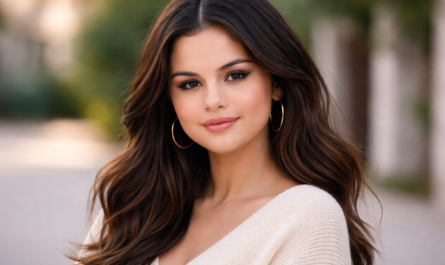
There was a time when scrolling through beauty content felt like entering an alternate universe. Faces appeared impossibly smooth, pores seemed nonexistent, under-eyes reflected no signs of sleepless nights, and every complexion glowed with an almost digital perfection. Social media transformed beauty into a performance where flawless skin became less of an aspiration and more of an expectation. Millions of people grew accustomed to seeing polished faces edited through filters, carefully controlled lighting, skin-blurring applications, and professional retouching that erased every visible sign of humanity. As these images became normalized, real skin increasingly appeared unusual.
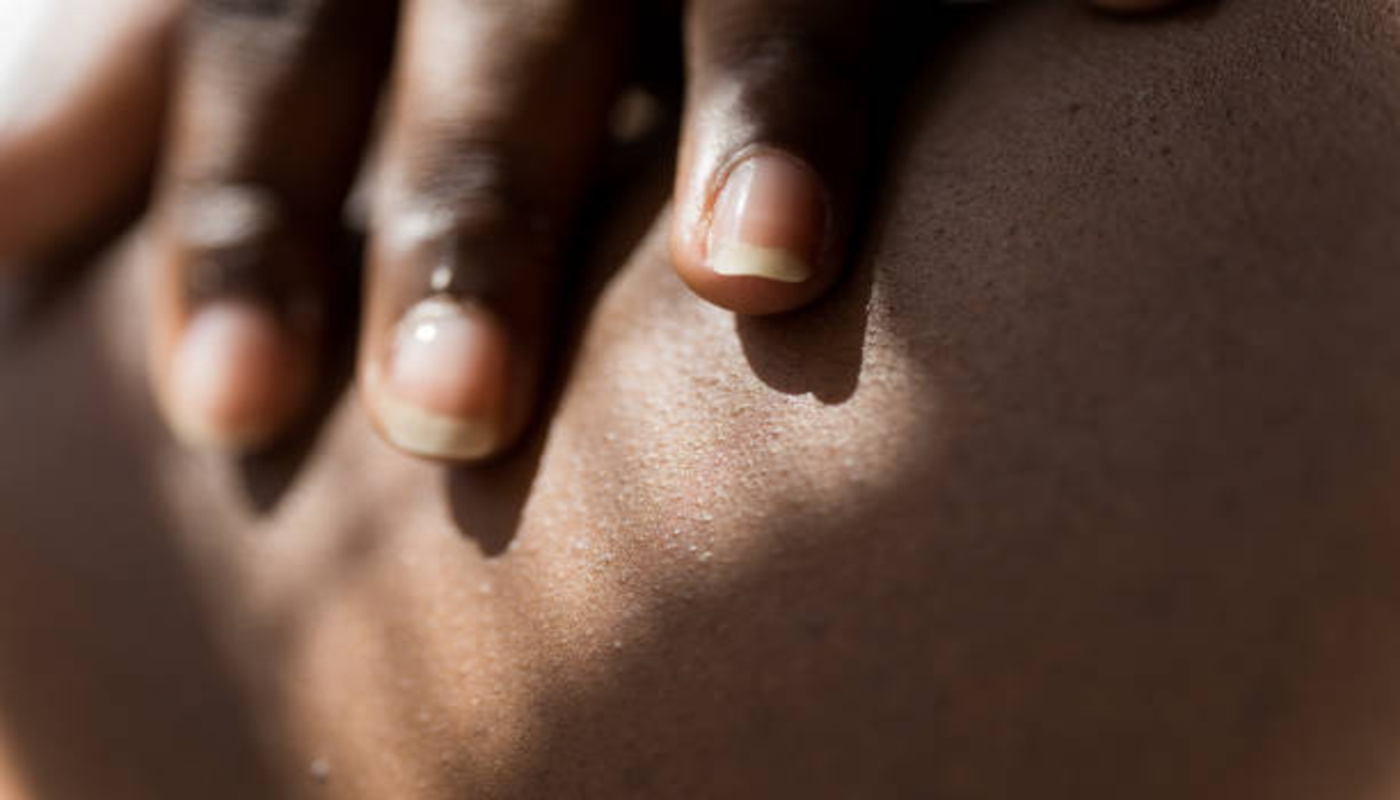
Yet a subtle cultural shift has emerged over the past several years. A growing number of beauty influencers have begun posting close-up videos that intentionally reveal pores, acne scars, fine lines, peach fuzz, pigmentation, rosacea, freckles, texture from active breakouts, and the natural variations that exist on healthy skin. Instead of apologizing for these features, they present them as ordinary aspects of human appearance.
This movement represents far more than a visual trend. It reflects changing attitudes toward authenticity, digital literacy, self-image, and body inclusivity. While the beauty industry has traditionally relied on idealized imagery to market products, today’s audiences increasingly value transparency alongside aspiration. The influencer economy has become an arena where consumers negotiate not only what beauty looks like but also what honesty should look like.
Showing skin texture does not reject skincare, cosmetics, or beauty itself. Rather, it challenges the assumption that beauty requires invisibility of human skin. In doing so, these creators are reshaping conversations about confidence, representation, and emotional well-being across cultures. Their influence reaches beyond makeup tutorials, affecting how people evaluate themselves in mirrors, photographs, workplaces, schools, and everyday social interactions.
Understanding this shift requires examining the cultural history that made “perfect skin” so desirable—and why visible texture now carries unexpected social significance.
The Long History of Flawless Skin as Social Currency
Long before smartphones existed, smooth skin carried symbolic meaning across civilizations. Throughout history, clear complexions were often associated with youth, privilege, health, fertility, or social status. Ancient beauty rituals frequently emphasized brightening, softening, or evening the complexion. Although beauty ideals differed across regions, many cultures connected flawless-looking skin with discipline, prosperity, or desirability.
Photography and cinema intensified these expectations. Studio lighting, airbrushing, and magazine retouching created celebrities whose skin appeared almost sculptural. Audiences understood that professional editing existed, yet repeated exposure gradually established these edited appearances as visual standards.
The arrival of digital photography accelerated this phenomenon dramatically. Photoshop became commonplace. Advertising campaigns erased pores entirely. Cosmetic brands relied on highly retouched campaign imagery that presented products as capable of creating impossibly smooth complexions.
Social media introduced another transformation.
Unlike magazine covers that appeared monthly, platforms delivered hundreds of idealized faces every day. Filters became available to anyone with a smartphone. Beauty apps automatically blurred skin, enlarged eyes, slimmed facial features, brightened complexions, and softened shadows. Editing evolved from professional production to everyday habit.
Eventually, many users stopped recognizing edited skin as edited. The artificial became familiar.
Ironically, as technology improved, audiences became less accustomed to seeing genuine human faces. Natural skin texture—which dermatologists recognize as completely normal—began appearing imperfect simply because it was rarely visible online.
This cultural conditioning influenced not only beauty standards but also emotional expectations. Many people started believing that confidence required flawless skin rather than accepting that all skin contains texture. Beauty became less about enhancement and more about concealment.
The recent movement toward visible skin texture represents a response to decades of visual conditioning. It is not merely aesthetic resistance but cultural correction.
Social Media Filters Changed More Than Faces
Discussions about beauty filters often focus on technology, but their deeper impact lies in psychology.
When filters erase pores in real time, they alter more than appearance. They subtly reshape expectations about what faces should look like during everyday interactions.
Someone who spends hours each day viewing filtered faces may unconsciously internalize those images as realistic. Over time, ordinary skin begins to seem unusually flawed, despite being biologically normal.
Psychologists describe this process through concepts such as social comparison and perceptual adaptation. Repeated exposure changes perceptions of what is considered average or desirable.
Beauty influencers occupy a particularly influential position within this environment because followers frequently view them as relatable rather than unattainable celebrities. Unlike actors appearing in films, influencers speak directly into phone cameras from bedrooms, bathrooms, and kitchens. Their perceived accessibility makes their appearance especially persuasive.
When influencers consistently use skin-smoothing filters without disclosure, followers may compare themselves against digitally altered realities while believing those appearances are authentic.
The emotional consequences can include:
- Increased dissatisfaction with normal skin.
- Obsessive mirror checking.
- Heightened anxiety before photographs.
- Greater dependence on editing apps.
- Unrealistic expectations from skincare products.
- Pressure to conceal perceived imperfections.
Importantly, these effects are not limited to teenagers. Adults navigating professional networking, dating applications, video meetings, and social media also experience pressure to present digitally perfected versions of themselves.
Beauty influencers who intentionally disable filters interrupt this cycle. By demonstrating how skin behaves under natural lighting, movement, and high-definition cameras, they encourage audiences to recalibrate their understanding of what human faces genuinely look like.
The result is not lower beauty standards but more realistic ones.
Why Showing Texture Feels Surprisingly Radical
At first glance, posting an unfiltered selfie may appear insignificant.
Yet within today’s influencer economy, visible pores can become acts of cultural resistance.
Influencers often rely on aesthetics to maintain engagement. Algorithms reward visually striking content. Sponsorships frequently prioritize polished branding. Professional photography, controlled lighting, and curated feeds remain economically valuable.
Choosing to display skin texture therefore involves navigating commercial expectations alongside personal authenticity.
Many creators describe wanting followers to understand that makeup behaves differently in real life than in advertisements. Foundation settles into pores. Concealer creases. Highlighter emphasizes texture. Sunscreen can leave shine. Even expensive skincare products cannot eliminate the biological architecture of skin.
These demonstrations help dismantle unrealistic expectations surrounding cosmetic performance.
Rather than promising perfection, influencers increasingly explain:
- why products enhance instead of transform,
- how lighting changes appearances,
- why pores cannot disappear,
- why skin changes throughout hormonal cycles,
- how hydration affects makeup,
- why camera angles matter,
- and why healthy skin still contains texture.
Such transparency transforms beauty education.
Instead of teaching audiences how to chase impossible perfection, creators begin teaching visual literacy—helping followers distinguish between marketing imagery and lived reality.
This educational role has become increasingly valuable in an era saturated with edited content.
Authenticity Has Become Its Own Form of Influence
Interestingly, authenticity itself has become culturally desirable.
Consumers increasingly evaluate influencers not solely by appearance but by perceived honesty.
This reflects broader changes extending beyond beauty. Across industries, audiences now seek transparency regarding advertising partnerships, editing practices, sustainability claims, and personal storytelling.
Within beauty spaces, authenticity often appears through seemingly small decisions:
- filming under natural daylight;
- zooming into finished makeup;
- showing products after several hours of wear;
- comparing filtered versus unfiltered footage;
- revealing acne healing instead of only clear-skin days;
- discussing realistic skincare timelines;
- acknowledging that good skin changes daily.
These practices foster trust because they reduce the emotional distance between creator and audience.
Ironically, showing imperfections can strengthen credibility.
Followers often interpret visible texture as evidence that recommendations are genuine rather than manufactured for commercial appeal.
Brands have begun recognizing this shift as well. Increasingly, skincare campaigns feature close-up photography that preserves freckles, fine lines, and pores instead of eliminating them entirely. While not universal, this represents a meaningful departure from earlier advertising conventions.
Authenticity therefore functions both as an ethical practice and as a new form of cultural influence.
Rather than diminishing beauty, it broadens its definition.
The Psychological Relief of Seeing Real Skin
Perhaps the greatest impact of visible skin texture is emotional rather than aesthetic.
Many individuals describe experiencing immediate relief upon realizing that influencers also have pores, uneven pigmentation, occasional breakouts, or textured makeup.
This reaction illustrates an important psychological principle.
Humans evaluate themselves through comparison. When comparison targets become more realistic, self-evaluations often become less harsh.
Seeing natural skin can normalize experiences that previously felt isolating.
Someone struggling with acne scars may realize they are not uniquely flawed.
Someone with visible pores may discover that every close-up face contains pores.
Someone embarrassed by fine lines may recognize that facial movement naturally creates expression.
Normalization reduces shame not by denying insecurity but by challenging distorted assumptions about what is typical.
Importantly, this does not mean beauty influencers eliminate appearance-related pressures altogether.
Followers may still compare themselves.
Commercial incentives remain.
Algorithms continue rewarding visual appeal.
However, creators who consistently show real skin expand the range of appearances considered socially acceptable.
Instead of offering impossible reassurance that everyone is beautiful all the time, they contribute something perhaps even more valuable: permission to exist without constant concealment.
That subtle shift can transform how people engage with skincare, makeup, photography, and even their own reflections.
Global Beauty Cultures and the Growing Acceptance of Visible Skin
Although social media has connected beauty communities across continents, ideals surrounding skin remain deeply influenced by local histories, traditions, and industries. The movement toward showing skin texture has therefore developed differently around the world, reflecting distinct cultural conversations rather than a single global trend.
In many East Asian beauty markets, skincare has long been associated with the pursuit of luminous, even-toned complexions. The concept of “glass skin,” popularized through Korean beauty trends, was often misunderstood internationally as meaning perfectly poreless skin. However, many Korean skincare professionals and content creators have clarified that healthy skin is not the same as flawless skin. Increasingly, Korean influencers demonstrate products in natural lighting, explain realistic treatment timelines, and acknowledge that even well-maintained skin experiences breakouts, dehydration, and seasonal texture changes. This shift encourages audiences to distinguish between skin health and digitally perfected imagery.
Across Europe, discussions about authenticity have gained momentum alongside broader conversations about media literacy and advertising transparency. Several beauty creators have become known for posting side-by-side comparisons of filtered and unfiltered videos, explaining how lighting, camera lenses, and editing can dramatically change the appearance of a complexion. Rather than discouraging makeup, these demonstrations encourage viewers to approach beauty content with greater critical awareness.
In North America, conversations around skin texture increasingly intersect with body positivity, mental health advocacy, and digital wellness. Influencers often discuss the emotional effects of unrealistic beauty standards, emphasizing that skincare routines should support personal well-being rather than become endless quests for perfection. Visible acne scars, freckles, fine lines, and textured makeup are presented not as failures but as ordinary features of living skin.
Meanwhile, creators across South Asia, Africa, Latin America, and the Middle East continue expanding representation by sharing beauty experiences shaped by diverse climates, skin tones, cultural expectations, and local beauty traditions. Many address challenges such as hyperpigmentation, humidity, melanin-rich skin concerns, or colorism while also rejecting unrealistic digital perfection. Their work reminds audiences that inclusivity is not achieved simply by adding more faces to beauty campaigns; it also requires showing those faces honestly.
The growing visibility of textured skin across cultures demonstrates that authenticity is not replacing beauty—it is making beauty more representative of real human experiences.
Beauty Influencers Who Changed the Conversation Through Transparency
While thousands of creators contribute to this cultural movement, several well-known beauty influencers have played especially significant roles by openly discussing realistic skin expectations and demonstrating makeup or skincare on unfiltered complexions.
British makeup artist Wayne Goss has consistently emphasized technique over illusion. Through close-up tutorials, he has shown how makeup naturally settles into pores and fine lines, encouraging viewers to focus on enhancing rather than masking their features. His educational approach challenges the expectation that cosmetics should create digitally flawless results.
American beauty creator RawBeautyKristi has become widely recognized for discussing the pressures of perfection within online beauty culture. Throughout her public content, she has shared makeup demonstrations that include visible texture and emphasized the importance of accepting natural skin alongside enjoying cosmetics as a creative form of self-expression. Her openness resonated with audiences seeking honesty in an industry often associated with polished imagery.
Skincare educator Hyram Yarbro has helped popularize evidence-based skincare conversations while regularly reminding audiences that no routine eliminates pores or permanently creates flawless skin. His content frequently stresses realistic expectations, encouraging viewers to understand how skin functions biologically rather than relying on exaggerated marketing claims.
Dermatologists active on social media, including creators who combine medical education with digital outreach, have further reinforced these messages. By explaining the science behind sebaceous glands, pores, acne healing, pigmentation, and skin barriers, they help audiences recognize that many perceived “imperfections” are actually signs of completely normal skin physiology.
Importantly, these creators differ in style, audience, and aesthetic preferences. Some wear full-glam makeup, while others favor minimalist routines. Some focus on skincare education, others on cosmetics or product reviews. What unites them is not a rejection of beauty but a commitment to presenting beauty without pretending that human skin behaves like an edited photograph.
Their influence extends beyond tutorials. They contribute to changing expectations about honesty within digital beauty culture itself.
The Rise of “Skin Positivity” as a Companion to Body Inclusivity
The body positivity movement transformed conversations about weight, disability, scars, stretch marks, aging, and representation by questioning who deserved visibility. The growing acceptance of skin texture builds upon similar principles while focusing specifically on the face—the part of ourselves most frequently seen and scrutinized.
Unlike traditional beauty campaigns that often separated “good skin” from “problem skin,” the emerging concept of skin positivity emphasizes that everyone experiences fluctuations. Hormonal cycles, stress, weather, genetics, aging, and environmental conditions all influence how skin looks from day to day.
This perspective reduces the moral language often attached to appearance. Instead of describing skin as “bad” because of acne or “good” because it appears smooth, skin positivity encourages people to view these changes as normal biological experiences rather than personal failures.
The distinction is subtle but meaningful.
When people stop interpreting every breakout as evidence of inadequacy, they may approach skincare with greater patience and self-compassion. Products become tools for care rather than instruments of correction. Makeup becomes creative expression rather than compulsory camouflage.
Inclusivity is not only about expanding which bodies appear in media but also about expanding which faces are considered worthy of visibility. Showing skin texture challenges narrow ideals that have historically excluded many individuals from feeling represented.
True inclusivity acknowledges that healthy skin can include scars, freckles, enlarged pores, fine lines, redness, pigmentation, and countless other natural variations.
Brands Are Beginning to Rethink Beauty Advertising
Consumer expectations have influenced not only influencers but also major beauty brands.
Over the past several years, numerous companies have introduced campaigns featuring less retouched imagery, visible freckles, realistic pores, and models with diverse complexions. Some campaigns explicitly state that images have not been digitally altered, responding to growing consumer demand for transparency.
This evolution reflects changing market dynamics. Younger consumers, particularly members of Generation Z, often evaluate brands according to authenticity as much as product performance. They increasingly expect companies to acknowledge the realities of skin rather than relying on impossible visual promises.
However, this shift remains incomplete.
Many advertisements continue using professional lighting, carefully selected models, and subtle editing that may still create unrealistic expectations. The absence of obvious filters does not necessarily mean an image accurately represents everyday appearances.
Consequently, audiences have become more visually sophisticated. Consumers increasingly ask whether campaigns disclose editing practices, whether influencers genuinely use promoted products, and whether marketing language overpromises results.
Brands that embrace transparency may strengthen long-term trust, but authenticity cannot function merely as another advertising strategy. If companies celebrate natural skin while simultaneously promoting unrealistic perfection elsewhere, audiences quickly recognize the contradiction.
The future of beauty marketing may therefore depend less on abandoning aspiration altogether and more on balancing inspiration with honesty.
Can Authenticity Become a Performance?
While the movement toward visible skin texture has generated positive cultural change, it is also important to recognize its complexities.
Authenticity itself can become curated.
An influencer may post one unfiltered photograph while maintaining highly polished content the rest of the time. Others may strategically reveal “imperfections” that remain socially acceptable while avoiding more vulnerable aspects of their appearance. Some creators present authenticity in ways that still align with conventional beauty ideals.
This does not necessarily invalidate their efforts, but it reminds us that social media remains a performance space.
Even honesty can be selectively framed.
Similarly, audiences sometimes place unrealistic expectations on influencers to reveal every insecurity or document every fluctuation in their appearance. Demanding constant vulnerability can become another form of pressure.
Influencers deserve boundaries. Sharing natural skin should be a personal choice rather than an obligation.
Recognizing these nuances helps avoid replacing one rigid standard with another. The goal is not to shame polished beauty content or glorify imperfection for its own sake. Rather, it is to expand the range of images considered acceptable and truthful.
Healthy digital culture allows space for glamorous editorial makeup, artistic creativity, minimalist routines, and completely bare skin without insisting that any single presentation represents the only authentic form of beauty.
Looking Ahead: A More Human Beauty Industry
Artificial intelligence, augmented reality filters, virtual try-on technology, and increasingly sophisticated image editing tools will continue reshaping beauty culture. The challenge for the coming decade is unlikely to be technological capability but ethical responsibility.
As synthetic images become harder to distinguish from reality, digital literacy will become an essential beauty skill. Consumers may increasingly seek creators who explain lighting, disclose editing, and educate audiences about realistic expectations.
Beauty education itself may evolve. Instead of teaching only how to achieve particular looks, influencers could increasingly teach viewers how to interpret beauty media critically. Understanding camera lenses, compression, professional lighting, and post-production editing may become as valuable as learning makeup techniques.
Brands, educators, dermatologists, photographers, and influencers all have roles to play in building a healthier relationship with appearance. Their collective influence can encourage consumers to appreciate skincare as self-care rather than self-correction.
Most importantly, the movement toward showing skin texture suggests that audiences are not abandoning beauty—they are redefining it. Beauty no longer needs to erase humanity in order to be admired.
Conclusion: When Real Skin Becomes Revolutionary
The growing visibility of skin texture marks one of the most meaningful cultural shifts within contemporary beauty media. What initially appears to be a simple aesthetic choice carries profound implications for self-image, representation, consumer trust, and emotional well-being.
Beauty influencers who reveal pores, acne scars, freckles, fine lines, and textured makeup challenge decades of visual conditioning that taught audiences to equate perfection with worthiness. By presenting skin as it genuinely exists, they help dismantle unrealistic comparisons that have quietly shaped how millions of people evaluate themselves.
Yet this movement is not about rejecting cosmetics, skincare, or ambition. It is about restoring proportion. Makeup remains an art form. Skincare remains valuable. Creative self-expression remains meaningful. The difference lies in refusing to pretend that human skin should resemble digitally manufactured surfaces.
For the body inclusivity movement, this evolution carries lasting significance. Inclusive representation is incomplete if every visible face is still expected to appear poreless, flawless, and untouched by ordinary biology. Genuine inclusivity embraces diversity not only in body shape, size, age, ability, and skin tone but also in the everyday textures that make each face uniquely human.
As beauty culture continues evolving alongside rapidly advancing technology, authenticity will remain both a challenge and an opportunity. The creators who leave their pores visible are ultimately offering something far more influential than another skincare recommendation. They are reminding audiences that confidence grows not from eliminating every perceived imperfection but from recognizing that humanity has never been something needing to be edited away.
Sources: Allure, Vogue, Harper’s Bazaar, Teen Vogue, The New York Times, The Guardian, BBC, Refinery29, Dazed, Cosmopolitan, Byrdie, Healthline, American Academy of Dermatology, Psychology Today, Journal of Consumer Research