 by
Introduction: When Looking for Love Becomes an Exercise in Self-Evaluation
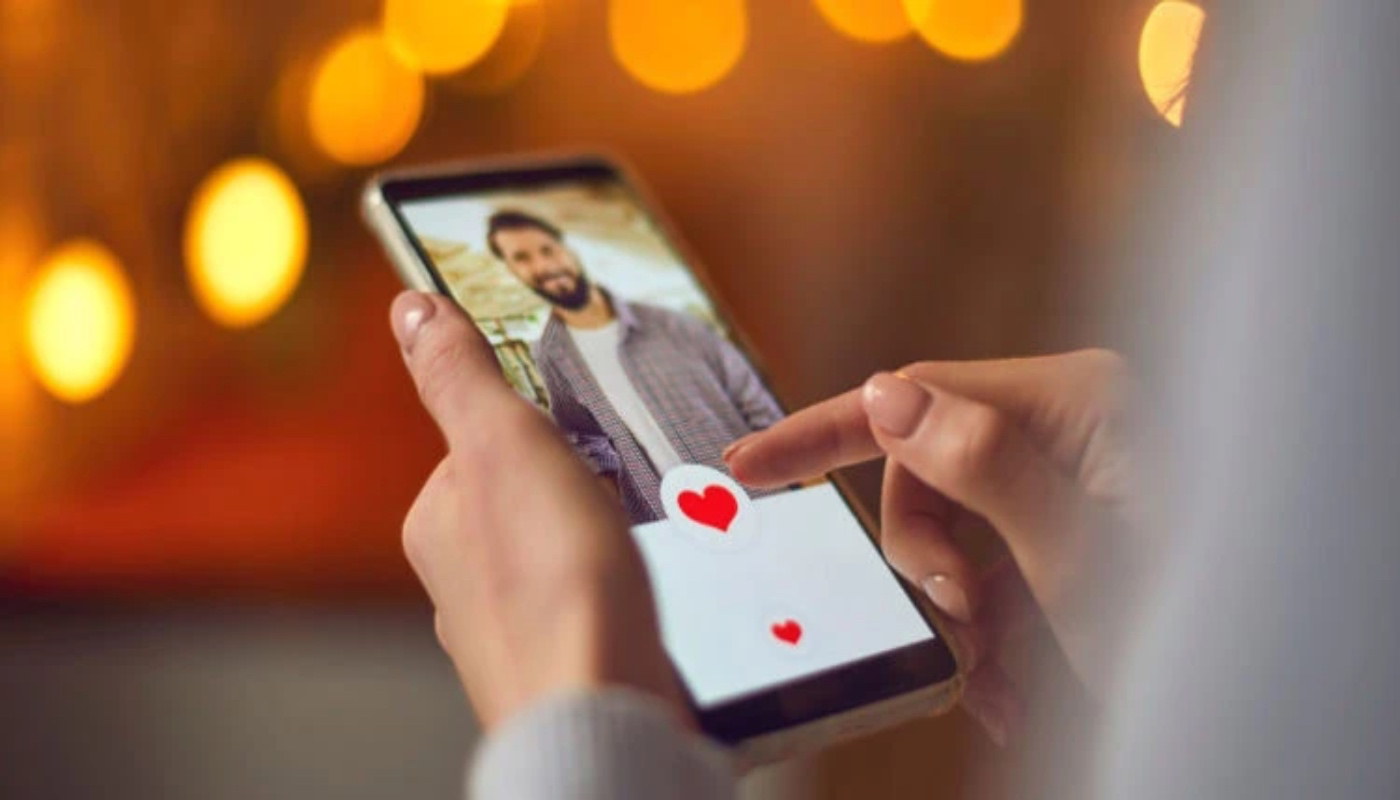
Dating apps promise the possibility of connection with a simple gesture. A photograph appears, a thumb moves, and a potential romantic interest is accepted or dismissed in a fraction of a second. Behind this seemingly effortless process, however, lies a complicated emotional experience: the knowledge that users are participating in a system where appearance often determines whether a conversation begins at all.
For many people, dating apps have transformed how romantic relationships develop. They can introduce users to people outside their immediate social circles, provide opportunities to explore different kinds of relationships, and make dating more accessible to individuals who struggle to meet potential partners offline. Yet their image-driven design also creates an environment in which bodies become unusually visible, comparable, and open to evaluation.
A person searching for a compatible partner may gradually find themselves asking a different set of questions. Is my face attractive enough? Should I hide my stomach in photographs? Am I too short, too tall, too muscular, too thin, or too large? Would I receive more attention if my skin looked clearer or my clothes appeared more expensive? Why does someone else seem to attract dozens of matches while my own profile receives very little attention?
These questions reveal a significant cultural tension. Dating apps are designed to facilitate romantic discovery, but the visual conventions through which discovery occurs can encourage users to assess themselves as if they were competing products.
The issue is not simply that people compare their appearances. Human beings have always evaluated their attractiveness in relation to cultural expectations, social groups, and romantic ideals. What distinguishes contemporary dating platforms is the speed, frequency, and apparent measurability of these comparisons. A seemingly endless stream of profiles places different bodies, faces, lifestyles, and expressions of desirability beside one another, while matches, messages, and silence can acquire meanings far beyond their actual significance.
Research increasingly supports concerns about the relationship between dating app use and body image. A 2025 systematic review published in Computers in Human Behavior, examining 45 studies, found that more than 85 percent of the studies investigating body image reported significant negative associations between dating app use and body image outcomes. These findings do not establish that every user will experience distress, or that dating apps independently cause every reported difficulty. They nevertheless suggest that appearance-focused digital dating deserves serious attention.
Understanding this relationship requires looking beyond individual insecurity. Dating app anxiety develops within a wider culture shaped by beauty industries, gender expectations, racial hierarchies, digital self-presentation, and deeply ingrained beliefs about which bodies deserve romantic attention.
For BodyInclusivity.com, the central question is therefore not whether people should stop caring about appearance. It is why the pursuit of intimacy can become entangled with the fear that one’s body makes one less worthy of being loved.
1. The Swipe Turns Attraction Into a Rapid Visual Judgment
Traditional dating does not eliminate appearance-based judgments, but face-to-face encounters offer information that photographs cannot fully communicate. People notice a person’s voice, humor, warmth, mannerisms, conversational ability, and responses to others. Attraction can develop through familiarity, shared experiences, and unexpected moments of connection.
Dating apps rearrange this sequence.
On many platforms, users encounter photographs and short profile descriptions before having any meaningful interaction. They may need to decide whether someone is interesting enough to contact without hearing their voice or observing how they behave in an ordinary social setting.
This design gives visual information considerable influence at the beginning of romantic discovery.
The result is not necessarily that every user becomes superficial. Rather, the interface encourages decisions that can be made quickly, repeatedly, and with limited context. A person might dismiss a potentially compatible partner because their photographs do not communicate an immediately appealing image. Another might assume that their own lack of matches reflects a fundamental deficiency in their appearance.
The emotional consequences can be particularly complicated because the process appears personal even when it is highly constrained.
A photograph may receive little attention for countless reasons. It might be poorly lit, displayed at an inconvenient time, or shown to people with different preferences. The profile might also be incomplete or poorly positioned within a platform’s recommendation system. Yet users cannot always distinguish these factors from a judgment about their bodies.
When a swipe becomes a perceived verdict on attractiveness, ordinary digital interactions acquire disproportionate emotional significance.
The body is no longer simply something a person inhabits. It becomes a visual presentation that must compete for attention.
For individuals already uncomfortable with their appearance, this can intensify self-consciousness. Instead of approaching dating as an opportunity to discover mutual compatibility, they may begin monitoring their faces, proportions, clothing, and photographs for evidence of inadequacy.
The important distinction is between experiencing attraction as one component of human relationships and treating immediate visual appeal as a reliable measure of personal worth.
Dating apps can encourage the second interpretation without explicitly stating it.
2. The Endless Profile Feed Creates an Unusually Powerful Comparison Environment
Social comparison occurs when people evaluate themselves by observing others. Such comparisons can provide useful information, but they can also become damaging when individuals repeatedly measure themselves against standards that are unrealistic, irrelevant, or difficult to achieve.
Dating apps provide an especially distinctive setting for this process because the people being compared are not merely strangers with attractive photographs. They are potential romantic competitors, imagined partners, and representations of the kinds of bodies users believe other people desire.
Consider someone who opens a dating app after a difficult day. They encounter people with professionally styled photographs, carefully selected outfits, seemingly effortless confidence, and images taken in attractive locations. Some appear athletic, others conventionally glamorous, and many communicate an idealized lifestyle through travel, fashion, or carefully composed portraits.
The user begins comparing their own everyday appearance with these selected representations.
They might notice another person’s smooth skin, defined physique, expensive clothing, or apparently effortless attractiveness. Gradually, their attention shifts from the possibility of meeting someone compatible to identifying what they believe they lack.
The comparison becomes particularly difficult when the person interprets every attractive profile as evidence of a standard they must meet.
A 2017 study published in Body Image compared Tinder users and non-users and found that Tinder users reported lower satisfaction with their faces and bodies, alongside higher levels of appearance comparison, body shame, and body surveillance. The researchers also reported lower self-esteem among male Tinder users relative to the comparison groups examined. Because the research was observational, these findings cannot establish that Tinder use alone produced those outcomes. However, they illustrate the relationship between image-centered dating environments and negative body perceptions.
The distinctive pressure comes from repetition.
One photograph might produce a fleeting moment of envy. Hundreds of profiles can create a continuing stream of opportunities to identify perceived shortcomings.
Users may begin comparing themselves according to increasingly specific criteria: waist size, shoulder width, height, hair texture, facial symmetry, skin tone, muscle definition, or the apparent proportions of different body parts.
The list of possible deficiencies expands because the comparison environment continually introduces new examples.
Importantly, these comparisons do not always involve believing that another person is universally more attractive. Someone might recognize that beauty is subjective while still worrying that their own appearance will be less desirable to the particular people they hope to attract.
That distinction matters. Body comparison anxiety is not necessarily rooted in believing that only one kind of body can be beautiful. It can emerge from the fear that a preferred audience will reward other appearances more consistently.
Dating apps can make this fear feel immediate because potential rejection appears to be only a swipe away.
3. Matches Become an Unreliable Measure of Romantic Worth
One of the most psychologically significant features of digital dating is the visibility of feedback.
Depending on the platform, users may receive matches, likes, messages, compliments, or other indicators of attention. These interactions can be enjoyable and affirming. However, they can also encourage users to interpret romantic attention as a measurable reflection of their attractiveness.
The problem begins when a person moves from observing a result to assigning it a meaning.
A user receives several matches and feels attractive. Another receives very few and begins questioning their face, body, or desirability. Someone whose conversations repeatedly disappear may assume that potential partners have rejected them because of their weight or appearance, even when no such explanation has been provided.
Digital feedback is ambiguous, but insecurity can make it feel definitive.
A match does not establish that two people are compatible. A lack of matches does not establish that someone is unattractive. Neither outcome offers a comprehensive assessment of a person’s capacity for intimacy, kindness, humor, emotional maturity, or long-term partnership.
Nevertheless, the simplicity of the interface can encourage people to collapse these distinctions.
A recent study published in Društvena istraživanja examined dating app feedback, self-conscious appearance comparison, and body dissatisfaction among 538 users. Its findings indicated a negative association between dating app feedback and self-conscious appearance comparison, while greater self-conscious appearance comparison was associated with higher body dissatisfaction. The study highlights the importance of how people interpret their experiences, rather than treating every interaction as having the same psychological effect.
This offers a useful way to understand the relationship between attention and self-esteem.
Positive feedback can temporarily reassure users, while limited feedback may trigger negative interpretations. If confidence increasingly depends on receiving external validation, however, reassurance may become difficult to sustain.
Someone who feels attractive only when receiving matches may begin checking the app repeatedly to confirm that the feeling remains justified. A quiet day might then produce disappointment, even if nothing meaningful has changed about their appearance or their prospects for a relationship.
The danger is not enjoying a compliment or feeling excited about a promising match. Those responses are ordinary parts of dating.
The danger is allowing a platform’s uncertain signals to become an authority over one’s sense of bodily worth.
Romantic attention is meaningful, but it is not a scientific instrument for measuring beauty.
4. Dating Profiles Turn Ordinary Bodies Into Curated Projects
Dating apps require users to make decisions about self-presentation. Which photographs communicate personality? Should a full-length image be included? Is a candid picture more appealing than a carefully posed portrait? Does a particular outfit communicate confidence?
These questions can be practical and enjoyable. Choosing photographs is a normal part of presenting oneself to potential partners.
However, self-presentation can become exhausting when users believe every visible detail must be optimized to secure romantic attention.
A person may take dozens of photographs before selecting one. They might adjust lighting, change clothing, experiment with camera angles, apply filters, or crop an image to conceal features they dislike.
Over time, these decisions can transform an ordinary photograph into a project of bodily correction.
The individual begins treating their appearance as something that must be edited into acceptability.
This process is not limited to photographs. Users may also change their grooming routines, exercise habits, clothing choices, or cosmetic practices in response to perceived expectations on dating platforms.
None of these activities is automatically harmful. People can enjoy fashion, photography, exercise, and personal styling without experiencing body dissatisfaction. The concern arises when self-presentation becomes driven by the belief that one’s unedited body is insufficient for romantic consideration.
A distinction emerges between choosing how to present oneself and feeling compelled to disguise oneself.
The first can support agency. The second can deepen shame.
The pressure can also affect how users understand authenticity. They may want to present an accurate picture of their appearance while worrying that honesty will disadvantage them in a competitive environment.
Someone who prefers candid photographs might feel pressured to use more flattering images because they believe other users are doing the same. They may then feel anxious about meeting a match in person, fearing that their real-life appearance will not correspond to the version displayed on their profile.
In this way, appearance management can produce a cycle of anticipation and anxiety: the photograph must attract attention, but attracting attention through an idealized image may create concern about being seen without it.
A body-inclusive approach does not require people to abandon flattering photographs or personal style. It requires recognizing that nobody should have to regard their ordinary appearance as a problem that must be solved before they can pursue intimacy.
5. The Beauty Standard Is Not Neutral
Dating apps do not create beauty standards from nothing. They operate within societies where attractiveness has already been shaped by advertising, cinema, fashion, television, family expectations, and social media.
These influences determine which physical features are repeatedly associated with desirability, success, youth, health, femininity, masculinity, and social status.
Dating platforms can reproduce these preferences because their users bring existing cultural assumptions into the process of selecting potential partners.
The result is that some appearances may receive more attention than others, although preferences differ between individuals, communities, and contexts.
For women, dominant beauty expectations can involve thinness, clear skin, youthful features, carefully styled hair, and a particular relationship between clothing and femininity. In some environments, curvier bodies may be celebrated, while in others, thinness remains a powerful ideal.
Men can encounter different but equally restrictive expectations. Muscularity, height, broad shoulders, facial hair, and the appearance of physical strength may be associated with masculine desirability. Men who do not identify with these ideals can feel pressure to change their bodies or conceal perceived shortcomings.
These expectations are neither universal nor immutable. They are cultural preferences influenced by historical circumstances, media representation, economic conditions, and social norms.
Nevertheless, dating apps can make them feel more authoritative by placing large numbers of profiles within a shared visual environment.
When users repeatedly encounter similar representations of desirable bodies, they may begin confusing cultural familiarity with universal attractiveness.
A preference becomes an apparent rule. A frequently represented body type begins to seem like the standard everyone must meet.
This can also affect people who consciously reject conventional beauty ideals. They may support body diversity in principle while feeling disappointed when their own profiles receive limited attention.
Such contradictions should not be dismissed as hypocrisy. People can intellectually question a beauty standard while remaining emotionally affected by the social rewards associated with it.
Body image is shaped by both conscious beliefs and accumulated experiences.
Changing the culture therefore requires more than telling individuals to become confident. It also requires examining the systems of representation through which some bodies are repeatedly presented as desirable and others are treated as exceptions.
6. Race, Skin Tone, and the Unequal Distribution of Desirability
Body comparison anxiety cannot be understood fully without examining race and skin tone.
Beauty standards have been shaped by colonial histories, racial hierarchies, colorism, and media industries that have often privileged particular facial features, hair textures, and complexions.
These influences vary across societies, but their effects can extend into dating culture.
In some communities, lighter skin has historically been associated with social status or conventional beauty, while darker complexions have faced discriminatory judgments. Eurocentric features may receive disproportionate representation in certain advertising and entertainment environments, affecting perceptions of what constitutes an attractive face.
Dating apps can bring these broader assumptions into intimate decision-making.
A user who repeatedly encounters racialized preferences or sees particular groups underrepresented in the images they consider desirable may begin questioning whether their own features are the problem.
For someone experiencing colorism, the concern may not be limited to skin tone. It may extend to hair texture, facial features, body proportions, or whether their appearance conforms to an ideal associated with social acceptance.
The emotional burden becomes especially complicated when discriminatory preferences are presented as nothing more than individual taste.
Attraction is personal, and nobody is obligated to pursue a romantic relationship with a particular person. However, the language of personal preference does not make wider patterns of racial stereotyping or colorism immune to criticism.
Preferences develop within cultural environments. They can be influenced by media representation, social familiarity, historical power, and repeated exposure to particular ideals.
Recognizing these influences does not mean accusing every individual of prejudice. It means acknowledging that romantic choices do not occur entirely outside society.
For body inclusivity, the distinction is essential.
A person should not have to interpret a discriminatory social pattern as proof that their skin tone, hair, or facial features are inherently less beautiful.
Dating platforms can help broaden social connections across communities, but their benefits depend partly on how users behave and how platforms address harassment, discrimination, and the visibility of diverse populations.
Representation alone will not eliminate colorism. Yet environments that normalize a broader range of appearances can challenge the assumption that desirability belongs naturally to one racial or ethnic group.
7. Fatphobia and the Fear of Being Seen
For people in larger bodies, dating app experiences may involve concerns that extend beyond ordinary appearance comparison.
Fatphobia—the social stigma and discrimination directed toward fat people—can influence how individuals are treated in public, in healthcare settings, at work, and in romantic environments.
Dating apps can reproduce this stigma when thinness is treated as a prerequisite for desirability or when larger bodies are discussed through stereotypes about discipline, attractiveness, lifestyle, or personal responsibility.
The effects may become visible in profile decisions.
Someone might select photographs that conceal their body shape, avoid full-length pictures, or feel anxious about meeting a match because they fear being judged differently in person.
Others may hesitate to disclose their appearance accurately, not because they intend to mislead anyone, but because previous experiences have taught them that visibility can invite ridicule or rejection.
These concerns reveal an important distinction between personal preference and structural stigma.
Individuals can have different physical preferences in romantic relationships. However, the cultural assumption that fat bodies are inherently unattractive, unhealthy, undisciplined, or unworthy of affection goes far beyond individual attraction.
It reduces a diverse group of people to a stereotype.
Fat people can experience desire, establish fulfilling relationships, enjoy sexual intimacy, and build loving partnerships without first changing their bodies. Their romantic lives do not require justification through weight loss, exceptional confidence, or the approval of people who previously dismissed them.
Yet body positivity cannot erase the material consequences of discrimination simply by encouraging individuals to love themselves.
A person may feel comfortable in their body and still encounter disrespectful messages, exclusionary preferences, or humiliating interactions. The responsibility for those experiences should not automatically be placed on the person receiving them.
A body-inclusive dating culture must therefore address both personal self-perception and the social conditions that influence how different bodies are treated.
Confidence can help individuals navigate rejection, but it cannot substitute for respectful behavior from others.
8. Disability, Scarring, and Features That Rarely Appear in Idealized Profiles
Another dimension of dating app anxiety concerns bodies and physical characteristics that receive limited or stereotyped representation in mainstream beauty culture.
People with disabilities, visible differences, scars, mobility aids, chronic physical limitations, or other features that do not fit conventional appearance ideals may face additional questions about self-presentation.
Should a wheelchair be visible in the first photograph? Is it better to include an image showing a scar or birthmark? Will someone respond differently after learning about a visible difference? Should a profile explain a physical characteristic, or does doing so create the impression that the person owes strangers an explanation?
There is no single correct answer to these questions.
Some people prefer to disclose particular details early because transparency helps them identify compatible partners. Others may want to share personal information gradually, once trust has developed.
Both approaches can be reasonable.
The problem emerges when users feel they must present their bodies as acceptable before they can expect ordinary romantic interest.
Disability is frequently represented through two limiting narratives: the person as an object of pity or the person as an extraordinary inspiration. Neither captures the full complexity of everyday romantic life.
Disabled people are not defined solely by their physical circumstances. They have varied preferences, personalities, relationships, sexualities, ambitions, and experiences of attraction.
Likewise, a scar does not necessarily represent something that needs to be hidden, and a visible difference does not determine a person’s capacity to build an intimate relationship.
Dating platforms can make a difference by supporting profile formats that allow individuals to describe themselves in their own terms and by responding meaningfully to harassment and discriminatory behavior.
However, users should not be required to become advocates or educators to justify their presence in romantic spaces.
Inclusion means that people with different bodies can participate without having to prove that they deserve to be considered potential partners.
9. Men Experience Body Comparison Anxiety, Too
Public conversations about appearance anxiety often focus on women, partly because beauty standards directed at women have been extensively examined in media, fashion, and popular culture.
Women’s experiences remain important, but a complete analysis must also recognize the body image pressures affecting men.
Men using dating apps may compare their height, muscularity, body fat, facial hair, hairline, skin, and overall physical build with those of other users.
They may believe that appearing muscular communicates discipline, confidence, masculinity, or romantic desirability. Men who are shorter than the height they perceive as socially preferred may worry that this feature will disqualify them before their personalities are considered.
Some may begin exercising primarily to change how they appear in photographs. Others might avoid particular pictures because they believe their bodies do not communicate sufficient masculinity.
These pressures can be difficult to discuss because men are often encouraged to treat appearance concerns as trivial or embarrassing.
The cultural expectation that men should be confident and emotionally unaffected can discourage them from acknowledging insecurity. As a result, some may express dissatisfaction indirectly through excessive self-criticism, withdrawal, or a persistent sense that their bodies are inadequate.
Research suggests that the relationship between dating app use and body image is not confined to women.
A 2026 cross-country study published in the British Journal of Health Psychology surveyed 5,933 young adults across Australia, Belgium, Canada, China, Italy, Japan, Spain, and the United States. Greater time spent on dating apps was associated with lower body appreciation and greater drive for muscularity. The associations between app use and muscularity concerns were stronger among men than women in the study. These results are correlational and do not mean that all men experience the same pressures. They nevertheless challenge the assumption that dating-related body image concerns primarily affect women.
The findings also illustrate why muscularity deserves attention as a distinct aspect of body image.
A man can be dissatisfied with his body even when he does not want to become thinner. His concern may instead involve gaining muscle, increasing shoulder width, developing visible abdominal definition, or appearing physically larger.
Consequently, body inclusivity must not equate body acceptance exclusively with rejecting thinness.
It should also challenge the assumption that every man must pursue muscularity or that masculinity depends on a particular physical build.
Men deserve opportunities to discuss body dissatisfaction without being told that their concerns are unimportant or incompatible with confidence.
10. Sexual Orientation Can Shape the Experience of Comparison
Dating apps are not used within a single, universal dating culture.
Heterosexual, gay, bisexual, lesbian, and other queer users may encounter different expectations concerning physical appearance, gender presentation, sexual desirability, and relationship roles.
Some LGBTQ+ dating environments place considerable emphasis on muscularity, youth, specific body types, or recognizable forms of gender expression. Others contain a wider range of communities and preferences.
It would be inaccurate to suggest that every queer dating space shares the same ideals or that heterosexual dating is uniformly less appearance-focused. Experiences vary significantly according to geography, age, community, platform, and individual circumstances.
Nevertheless, some users navigate overlapping pressures: body comparison anxiety, the desire for social acceptance, and expectations about how they should present their gender or sexuality.
For example, a gay man may feel pressure to appear muscular or lean because those body types seem especially visible within the particular dating environment he encounters. A queer woman may feel that her appearance is being evaluated according to conflicting expectations about femininity, masculinity, and conventional attractiveness.
Transgender and nonbinary users may face additional concerns about how their bodies and gender presentation will be interpreted by potential partners. They may also have to consider personal safety, disclosure, and the possibility of harassment.
These experiences cannot be reduced to a single psychological pattern. Nor should queer people be portrayed as inherently more insecure about their bodies.
The relevant point is that romantic environments can intensify comparison when users believe their bodies must conform to specific expectations to be recognized as desirable within a community.
A more inclusive dating culture would create space for different expressions of gender, varied body types, and diverse preferences without treating conformity as the price of belonging.
It would also distinguish between genuine compatibility and the pressure to reproduce a narrow ideal of what a desirable partner should look like.
11. Cultural Differences Matter, but Beauty Pressure Travels
Dating apps operate across national borders, yet their users do not enter them with identical cultural experiences.
Ideas about beauty, body size, complexion, masculinity, femininity, and romantic desirability are shaped by local traditions and social expectations.
In some communities, thinness is strongly associated with beauty and status. In others, particular forms of curviness may receive greater approval. Preferences concerning height, complexion, facial hair, modesty, clothing, or muscularity can also differ.
Family expectations and marriage customs may further influence how people approach romantic relationships.
For example, in communities where dating is closely connected to marriage prospects, a user’s concerns about appearance may overlap with anxieties about social respectability, family approval, and long-term partnership. In more individualistic dating environments, the emphasis may instead fall on personal compatibility, sexual attraction, and individual choice.
These are broad tendencies, not descriptions of every person within a culture. Individuals routinely question, reinterpret, or reject the expectations around them.
In Pakistan and other South Asian societies, for example, users may navigate several overlapping influences: local complexion preferences, imported beauty trends, family expectations, celebrity imagery, religious or cultural norms, and increasingly globalized digital dating practices.
Someone may encounter a beauty ideal on an international platform that differs from the expectations they experience at home. Rather than replacing one standard with another, this can create competing pressures.
The individual may wonder whether to conform to the appearance favored by their immediate community, the aesthetic popularized by international media, or the preferences they believe are common among potential partners on the platform.
Comparable tensions can arise elsewhere.
Young adults in East Asian societies may encounter pressures surrounding skin, facial features, or slenderness, while users in Western settings may navigate competing ideals involving thinness, athleticism, curves, and muscularity. These examples are not exclusive to particular regions, and none should be treated as universal cultural characteristics.
Importantly, research is beginning to examine these issues beyond single-country samples.
The 2026 study in the British Journal of Health Psychology included participants from eight countries and found relatively few variations across countries in the relationships examined. This suggests that some associations between digital platform use and body image may extend across different cultural settings, although the study’s results do not establish that cultural differences are irrelevant.
The wider implication is that digital dating may circulate appearance pressures internationally while interacting with local standards in different ways.
Cultural sensitivity therefore requires more than translating an application into different languages. It requires recognizing that people interpret attraction through different histories, social expectations, and lived experiences.
12. The Emotional Cost of Repeated Rejection and Ambiguous Silence
Rejection is a normal part of dating. People have different preferences, goals, communication styles, and expectations. Even promising connections may end because two people are incompatible.
Dating apps, however, can make rejection difficult to interpret.
A conversation may stop without explanation. Someone may match with a user and never send a message. A promising interaction may disappear after a few exchanges.
These experiences can leave users searching for reasons.
When body image concerns are already present, appearance can become the easiest explanation.
A person may conclude that a match disappeared because they were not thin enough, muscular enough, attractive enough, or young-looking enough. They may revisit their profile photographs, examine their features, and search for evidence supporting this interpretation.
Yet silence rarely provides enough information to establish why another person stopped communicating.
The individual might have changed their mind, become busy, pursued another connection, lost interest for reasons unrelated to appearance, or stopped using the app altogether.
Uncertainty is uncomfortable, and people sometimes fill informational gaps with their existing fears.
This process can create a damaging feedback loop. A disappointing interaction triggers self-criticism. Self-criticism increases attention to perceived physical flaws. Those perceived flaws then become the lens through which subsequent interactions are interpreted.
Over time, the person may enter dating situations expecting rejection.
This expectation can make profile creation more stressful and encourage increasingly restrictive choices about photographs, clothing, or self-presentation.
It is important to distinguish the emotional reality of rejection from the interpretation attached to it.
Feeling disappointed after a promising connection ends is understandable. Feeling hurt after repeated rejection is also understandable.
But neither experience establishes that the person’s body is defective.
A healthier dating culture would recognize that rejection is part of relational incompatibility, not an objective ranking of human value.
13. When Self-Monitoring Becomes Difficult to Switch Off
Body comparison anxiety can extend beyond the time a person spends using a dating app.
After repeatedly examining their appearance in photographs, users may begin monitoring themselves in everyday situations.
They might become unusually conscious of how their stomach looks when sitting, how their face appears under particular lighting, or whether their clothing emphasizes features they dislike.
A photograph taken by a friend may trigger concerns that were previously less prominent. A mirror may become a place for checking perceived flaws rather than simply getting ready for the day.
This kind of self-monitoring can be exhausting because it divides attention between living an experience and evaluating how the body appears to an imagined observer.
Instead of enjoying a meal, the person may think about whether they will look different in photographs. Instead of concentrating on a conversation, they may wonder how their posture or facial expressions appear to someone else.
The body becomes an object of continuous observation.
Research on body image has examined related processes, including body surveillance, in which individuals habitually monitor their appearance from an imagined external perspective. Dating app environments may provide additional opportunities for this monitoring because profiles require users to select and evaluate images of themselves.
The 2017 Tinder study discussed earlier found higher body surveillance among the users examined compared with non-users. Although the research does not establish a universal causal pathway, it provides a useful framework for understanding how appearance-focused digital interactions may relate to everyday self-consciousness.
The goal should not be to prevent people from caring about their appearance. Grooming, fashion, and self-expression can be meaningful sources of enjoyment.
The more important question is whether attention to appearance has become so demanding that it interferes with a person’s ability to participate comfortably in ordinary life.
When a person cannot enjoy an event without assessing their body, or feels compelled to repeatedly inspect photographs for perceived defects, the experience deserves compassion rather than ridicule.
Body acceptance can begin with allowing the body to exist without requiring constant evaluation.
14. The Connection Between Dating Apps, Mood, and Body Dissatisfaction
Appearance anxiety rarely exists in isolation.
For some people, dissatisfaction with their bodies can interact with loneliness, social anxiety, low mood, or uncertainty about romantic prospects. Disappointing dating experiences may then reinforce negative beliefs that were already present.
A person who feels undesirable may withdraw from social opportunities. Reduced opportunities for connection can increase loneliness, which may make dating apps seem even more important as a source of potential validation.
If the platform subsequently produces little positive feedback, the user may feel increasingly discouraged.
This does not mean that everyone who experiences body dissatisfaction will develop a mental health condition. Nor does it mean that dating apps are inherently harmful.
The relationship between digital dating and emotional wellbeing is complex.
A 2022 study published in Body Image followed 296 women through a baseline assessment and a seven-day smartphone-based investigation of everyday experiences. The researchers found that women with a history of dating app use experienced greater daily urges related to binge eating or purging, as well as more negative mood, than women without such a history. The study was limited in scope and does not establish that dating apps caused these outcomes. Its findings nevertheless suggest that dating app experiences may be relevant to understanding body dissatisfaction and emotional distress in everyday life.
The broader lesson is that digital dating should not be assessed solely by the number of matches or relationships it produces.
Its emotional effects also depend on how people experience the process, the expectations they bring to it, and the role it plays in their lives.
Someone who uses an app occasionally to meet compatible people may have a very different experience from someone who checks it compulsively while seeking reassurance about their attractiveness.
Similarly, a user with supportive relationships and a stable sense of self-worth may interpret a disappointing interaction differently from someone already struggling with rejection sensitivity.
Recognizing these differences prevents the conversation from becoming simplistic.
The solution is not to label every dating app user vulnerable or to assume that deleting an app will resolve every body image concern.
Instead, it is to identify when a digital activity begins undermining wellbeing and to make room for healthier ways of pursuing connection.
15. Dating Apps Can Also Create Opportunities for Belonging
A balanced discussion must acknowledge that dating apps can offer genuine benefits to people whose experiences are often marginalized in conventional dating environments.
They may help users meet people beyond restrictive social circles, explore different relationship preferences, and connect with communities in which they feel understood.
For LGBTQ+ individuals living in places where openly expressing their identity is difficult, digital platforms can sometimes provide access to potential partners and communities that are not readily available offline. Such use must still be considered in relation to local safety, privacy, and social conditions.
People with disabilities or those living in geographically isolated areas may also find online dating useful for expanding their social opportunities.
Likewise, people who feel overlooked in their immediate surroundings may discover that their appearance, personality, or interests are appreciated by others outside their usual environment.
These positive possibilities matter because they challenge the idea that dating apps are inherently damaging.
The same digital environment that encourages comparison can facilitate connection. The same photograph that invites judgment can introduce someone to a person who finds them attractive. The same profile that feels inadequate to one viewer may communicate warmth, humor, or beauty to another.
Dating apps can also allow people to communicate preferences and intentions before meeting in person, potentially helping them identify compatible partners more efficiently.
The key issue is not the existence of visual attraction. Physical attraction is a legitimate part of many romantic relationships.
The issue is whether the search for attraction becomes so narrowly organized around appearance that users lose sight of the diversity of human desire.
A person who has been repeatedly rejected may eventually encounter someone who appreciates the very feature they had learned to hide. A user who assumed their body excluded them from romantic possibility may discover a community in which their appearance is not treated as a barrier.
These experiences do not erase discrimination or guarantee that everyone will find a partner. They do demonstrate that romantic desirability is not a universal ranking in which every person occupies a fixed position.
Attraction is relational, contextual, and diverse.
Recognizing that diversity is central to a more inclusive understanding of digital dating.
16. What Dating Platforms Can Do to Reduce Appearance-Based Pressure
Although individuals can develop healthier dating habits, responsibility should not rest entirely on users.
Platform design influences how people interact, what information receives attention, and which forms of feedback become prominent.
Dating companies can therefore consider changes that encourage more respectful, less appearance-dominated experiences.
First, platforms can provide profile formats that give users meaningful opportunities to communicate interests, values, humor, and relationship intentions alongside photographs.
This does not mean removing images or pretending physical attraction is irrelevant. It means avoiding a design philosophy that treats visual appeal as the only information worth noticing.
Second, platforms can strengthen protections against harassment, body-shaming, racist comments, ableism, and other forms of discriminatory behavior. Reporting systems should be accessible, and moderation should respond meaningfully to abusive conduct.
Third, companies can examine how engagement-focused features influence user behavior. Notifications and repeated prompts may encourage some users to check their profiles more frequently than they otherwise would. Thoughtful design can help people maintain control over their attention rather than treating constant engagement as the primary objective.
Fourth, platforms can make profile tools more inclusive. Users should have reasonable freedom to describe themselves, choose their photographs, and communicate personal boundaries without being pushed toward a narrow aesthetic.
Fifth, companies can evaluate the potential effects of their interfaces on different groups rather than assuming that one design works equally well for everyone.
Research is particularly important here. The 2025 systematic review in Computers in Human Behavior concluded that there was considerable scope to improve dating app design to reduce potential harms to body image, mental health, and wellbeing.
Such changes cannot eliminate rejection or make every interaction emotionally comfortable.
They can, however, help create an environment in which appearance is one dimension of romantic discovery rather than an ever-present measure of personal value.
17. How Users Can Protect Their Relationship With Their Bodies
Individual strategies can also help people maintain perspective while using dating apps.
The first step is recognizing emotional patterns.
If opening an app consistently leads to comparing body parts, feeling ashamed of photographs, or questioning one’s attractiveness, it may be useful to identify which features of the experience trigger those reactions.
For some people, the problem may be prolonged scrolling. For others, it may involve repeatedly checking matches, revisiting disappointing conversations, or comparing themselves with a particular type of profile.
Recognizing these patterns makes it easier to decide which changes might help.
Setting limits on app use can reduce the amount of time spent in environments that encourage comparison. Some users may benefit from checking their profiles at specific times rather than repeatedly throughout the day.
Others may find it useful to pause notifications or take a break when dating begins to feel emotionally exhausting.
These measures should not be treated as tests of discipline. They are ways of establishing boundaries around an activity that is supposed to support connection.
A second strategy is to question assumptions about feedback.
When a match disappears or a conversation ends, it is worth acknowledging the disappointment without automatically attributing it to appearance.
There may be no way to know why another person lost interest. Accepting that uncertainty can be more helpful than inventing an explanation that reinforces existing insecurities.
A third strategy is to choose photographs that feel representative rather than attempting to produce an entirely flawless image.
People are entitled to flattering photographs and personal styling. However, selecting images that feel recognizably like oneself may reduce the anxiety associated with maintaining an idealized presentation.
It can also help to remember that photographs cannot capture the entirety of a person.
A profile does not show every expression, every quality, or every way someone makes another person feel.
A fourth strategy is to maintain sources of self-worth outside dating.
Friendships, creative interests, professional accomplishments, hobbies, family connections, and ordinary pleasures can remind people that their identities extend far beyond romantic attention.
Finally, persistent body distress deserves appropriate support.
If appearance concerns begin interfering with eating, exercise, relationships, or everyday activities, speaking with a qualified mental health professional may be helpful. Support should be sensitive to body diversity and should not assume that changing a person’s weight or appearance is the necessary solution.
The objective is not to become indifferent to attraction. It is to pursue relationships without allowing the pursuit to become a continuous argument against one’s own body.
18. Beyond Individual Confidence: Building a More Body-Inclusive Dating Culture
Body positivity and body inclusivity are sometimes reduced to the idea that individuals should learn to love themselves.
Self-acceptance can be valuable, but this message becomes incomplete when it ignores the environments in which people experience judgment.
A person cannot always overcome discrimination by becoming more confident. Nor should someone be expected to respond cheerfully to body-shaming simply because body positivity encourages acceptance.
A genuinely inclusive dating culture must address the social conditions that make some people feel less entitled to romantic attention.
This includes questioning the routine presentation of thinness, youth, muscularity, particular complexions, and conventional attractiveness as prerequisites for desirability.
It also means recognizing that diversity is not a special category of dating reserved for people who fall outside an imagined norm.
People with different body sizes, skin tones, disabilities, facial features, gender expressions, and physical characteristics are not exceptions to romantic life. They are part of its ordinary diversity.
Media representation can contribute to this shift by depicting relationships involving a wider range of people without making their bodies the entire point of the story.
Dating platforms can support it by offering more thoughtful profile formats and responding seriously to discriminatory behavior.
Users can contribute by reflecting on their own assumptions, treating others respectfully, and resisting the temptation to interpret personal preferences as universal truths about beauty.
These changes do not require anyone to pretend that attraction is identical for all people.
A body-inclusive culture allows individuals to have preferences while recognizing that no single appearance defines universal romantic worth.
It also recognizes the difference between deciding that someone is not a compatible partner and treating that person as inherently inferior because of their body.
The distinction may seem subtle, but its implications are substantial.
One respects individual choice. The other reinforces a hierarchy of human value.
Conclusion: Romantic Connection Should Not Require a Perfect Body
Dating apps have expanded the possibilities of modern romance, connecting people who might never otherwise have met. They have also introduced new ways for individuals to experience appearance-based judgment, compare themselves with strangers, and interpret romantic attention as evidence of their physical worth.
Their influence is not entirely negative, nor is it inevitable that every user will experience body dissatisfaction. The effects depend on individual circumstances, cultural expectations, platform design, and the ways people interpret their interactions.
Nevertheless, the relationship between visual dating environments and body image deserves sustained attention.
When profiles become carefully curated advertisements, matches become measures of attractiveness, and silence becomes an imagined verdict on the body, the pursuit of connection can turn into a process of self-surveillance.
People begin asking whether their bodies are good enough to be loved before allowing themselves to consider whether a potential partner is kind, compatible, respectful, or emotionally available.
That reversal deserves to be challenged.
Romantic relationships are not built from photographs alone. They develop through communication, shared experiences, trust, humor, attraction, emotional safety, and the gradual discovery of another person’s complexity.
Physical appearance may influence the beginning of a relationship, but it cannot independently determine the quality of what follows.
Nor should a person’s access to romance be treated as a reward for achieving a particular body shape, skin tone, height, age, or degree of conventional attractiveness.
The future of digital dating should therefore involve more than improving photographs or teaching individuals to become better at marketing themselves. It should involve reconsidering the cultural assumptions and technological choices that make appearance feel like a continuous examination.
For individuals, progress may begin with recognizing that a disappointing interaction is not proof of bodily inadequacy. For platforms, it may mean creating experiences that give users more meaningful ways to communicate and reducing opportunities for harassment and discrimination. For society, it requires challenging the belief that desirability belongs naturally to a narrow category of people.
Most importantly, body inclusivity must leave room for the complicated reality of human attraction. People can have preferences, experience insecurity, and enjoy presenting themselves attractively without accepting that their bodies must meet a universal standard.
The goal is not to remove appearance from dating. It is to stop treating appearance as a measure of human worth.
A dating profile is a small representation of a person, not the sum of their identity. A match is an opportunity for connection, not a certificate of beauty. Rejection is an experience, not a verdict on the body.
As digital platforms continue to shape how people meet and form relationships, the most meaningful measure of progress will not simply be how efficiently they create matches. It will be whether people can use them without feeling that their bodies must earn permission to be desired.
A more inclusive dating culture begins when the search for love no longer requires people to regard themselves as unfinished projects—and when the possibility of connection remains open to the extraordinary diversity of bodies that make up human life.
Sources: Computers in Human Behavior, Body Image, British Journal of Health Psychology, Društvena istraživanja, Journal of Social and Personal Relationships