 by
Introduction: When Motherhood Becomes a Public Fitness Challenge
Few life experiences transform the relationship between a person and their body as profoundly as pregnancy and childbirth. The postpartum period represents a transition involving physical recovery, emotional adjustment, changing responsibilities, disrupted routines, and the gradual development of a new family dynamic. Yet, in contemporary digital culture, this deeply personal experience has increasingly become a public spectacle, particularly when mothers have substantial social media followings.
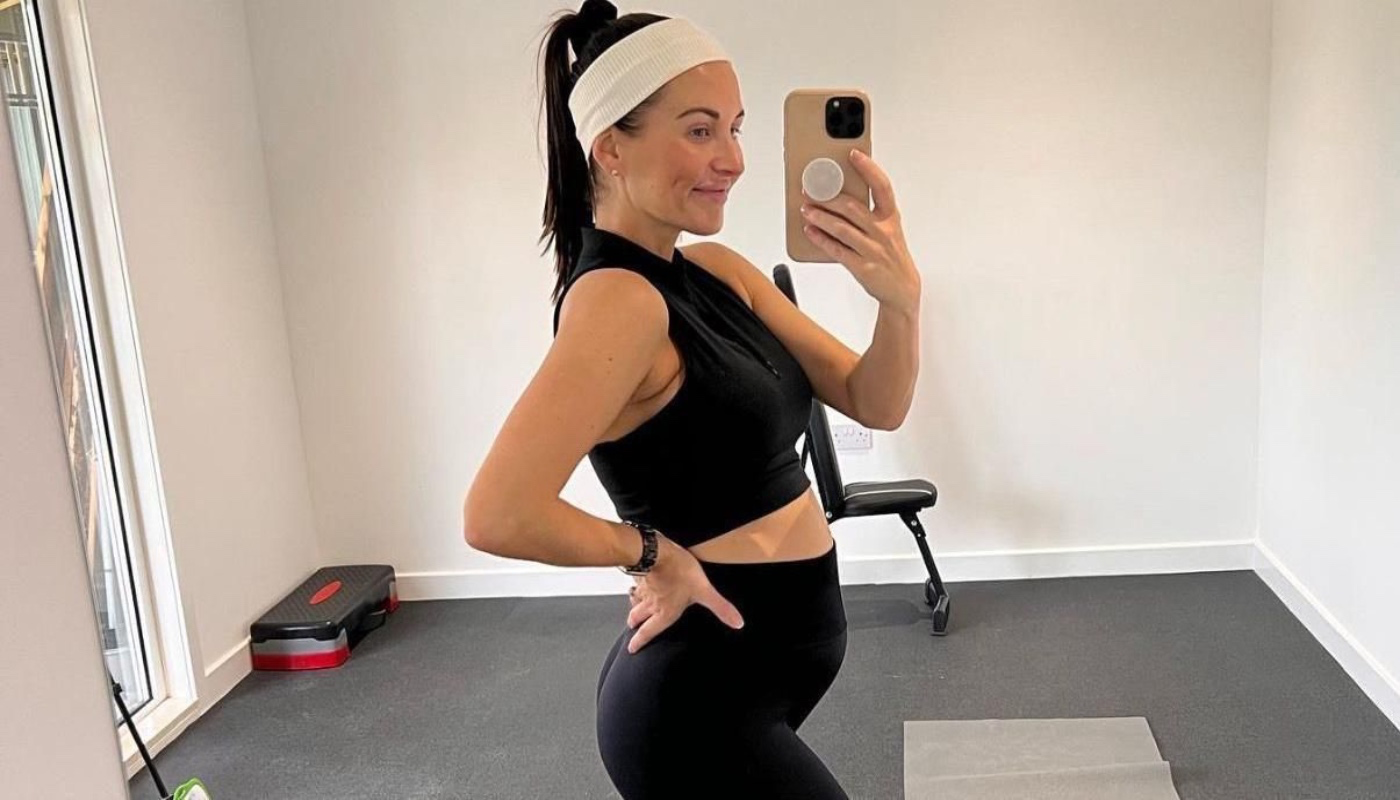
Postpartum fitness influencers occupy an unusually complicated position within this landscape. Their content can provide encouragement, practical exercise guidance, community support, and reassurance to people navigating unfamiliar bodily changes. At the same time, their physical appearances, workout routines, recovery timelines, eating habits, and representations of motherhood are frequently examined through an unforgiving cultural lens.
A fitness influencer who shares a workout after childbirth may receive admiration for her discipline, criticism for returning to exercise too quickly, questions about the authenticity of her transformation, and accusations of promoting unrealistic expectations. Someone who openly celebrates weight loss may be accused of reinforcing diet culture, while another who prioritizes body acceptance may face criticism for supposedly abandoning fitness goals.
This contradiction reveals something important about contemporary attitudes toward motherhood: society increasingly celebrates maternal empowerment while continuing to impose expectations about how mothers should look, behave, recover, and present themselves.
The scrutiny surrounding postpartum fitness influencers is therefore about considerably more than exercise. It reflects longstanding assumptions about femininity, motherhood, attractiveness, productivity, body ownership, and the commercialization of wellness.
Social media has amplified these tensions by turning private experiences into highly visible narratives. The postpartum body becomes content, recovery becomes a timeline, and exercise becomes an apparent measure of personal discipline.
Understanding why these influencers face unique scrutiny requires examining the intersection of body inclusivity, digital celebrity, maternal expectations, fitness culture, and the psychological consequences of constant comparison.
1. The Cultural Expectation to Bounce Back
One of the strongest influences shaping postpartum fitness content is the cultural expectation that women should return to their pre-pregnancy appearance as quickly as possible.
Commonly described as the “bounce-back” phenomenon, this expectation suggests that pregnancy should leave minimal visible consequences and that mothers should actively work toward restoring their previous bodies.
Although contemporary conversations increasingly challenge this standard, it remains deeply embedded in celebrity coverage, fitness marketing, entertainment culture, and social media imagery.
Historically, motherhood has been associated with sacrifice, responsibility, and domestic expectations. However, contemporary popular culture has added another dimension: the expectation that mothers should maintain their previous appearance while successfully managing their new responsibilities.
The ideal contemporary mother is frequently portrayed as someone who can raise children, maintain a career, exercise regularly, prepare nutritious meals, preserve romantic relationships, and remain physically attractive.
This creates an exhausting cultural contradiction.
Pregnancy and childbirth are celebrated as extraordinary experiences, yet their visible physical consequences are often treated as problems requiring correction.
Postpartum fitness influencers become central figures in this conversation because their platforms make physical transformation particularly visible. A photograph showing a mother exercising shortly after childbirth can quickly become a reference point against which other women evaluate their own experiences.
The problem is not that someone chooses to regain strength, develop an exercise routine, or pursue personal fitness goals after giving birth. Those choices can be empowering.
The problem emerges when an individual achievement becomes an implied universal expectation.
A woman’s personal recovery timeline cannot establish what another woman’s recovery should look like. Differences in childbirth experiences, physical circumstances, available support, resources, and personal priorities make standardized expectations inappropriate.
The bounce-back narrative transforms these differences into apparent failures of discipline, overlooking the complexity of postpartum life.
2. Why Postpartum Fitness Influencers Receive More Attention Than Traditional Fitness Creators
Fitness influencers have always faced scrutiny over their bodies, workout claims, nutrition advice, and promotional partnerships. However, postpartum fitness creators operate within an additional layer of cultural expectations.
Their content is not interpreted exclusively through the language of exercise. It is also interpreted through assumptions about motherhood.
A traditional fitness influencer demonstrating a strength-training routine may be evaluated according to technique, physical performance, and results.
When a postpartum fitness influencer publishes similar content, audiences may additionally question whether she is exercising too soon, whether her routine is appropriate after childbirth, whether she is prioritizing appearance over recovery, and whether her content creates unrealistic expectations for new mothers.
The presence of motherhood changes the perceived meaning of the same physical activity.
This is partly because pregnancy and childbirth are socially understood as experiences involving vulnerability and significant physical change. Consequently, audiences often feel unusually entitled to comment on what mothers should or should not do.
Postpartum fitness influencers also occupy a position of perceived authority. Followers may approach them not simply as entertainers but as relatable examples of what recovery can look like.
That perceived authority creates additional responsibility.
An influencer sharing personal experiences may unintentionally be interpreted as offering professional medical guidance, particularly when followers are seeking answers about exercise, abdominal recovery, pelvic floor health, or nutrition.
The distinction between documenting an individual journey and prescribing a universal routine is therefore especially important.
A creator can explain what helped her personally without suggesting that the same approach is appropriate for everyone.
3. The Double Standard: Celebrated for Transformation, Criticized for Promoting It
One of the most interesting contradictions in postpartum fitness culture is that influencers can be criticized regardless of the direction their content takes.
When a mother shares a visibly athletic transformation, audiences may celebrate her determination while accusing her of promoting unrealistic beauty standards.
When she shares a less appearance-focused recovery journey, some viewers may question her commitment to fitness.
When she openly discusses weight-related goals, she may be accused of reinforcing diet culture.
When she refuses to discuss weight, others may interpret her silence as avoidance.
This creates a situation in which postpartum fitness influencers are expected to satisfy incompatible cultural demands.
They must demonstrate personal agency without appearing overly focused on appearance. They must celebrate their achievements without making other mothers feel inadequate. They must acknowledge physical changes without suggesting that those changes need correcting.
The contradiction reflects a wider problem within contemporary body-image culture.
Society increasingly encourages women to embrace themselves, but it has not entirely abandoned the standards that made self-acceptance difficult in the first place.
For influencers, the challenge becomes particularly visible because their personal decisions are constantly evaluated by audiences who may hold very different beliefs about fitness, motherhood, and body acceptance.
A more constructive approach recognizes that pursuing fitness and accepting one’s body are not mutually exclusive.
Someone can appreciate her postpartum body while wanting to improve cardiovascular endurance, rebuild strength, develop flexibility, or return to a favorite sport.
Similarly, someone can decide not to pursue a particular physical transformation without being less disciplined or less committed to personal well-being.
The important distinction is between voluntary self-improvement and culturally imposed correction.
4. Social Media Turns Recovery Into a Competitive Timeline
The structure of social media encourages people to communicate through short, visually compelling updates.
Progress photographs, workout videos, transformation reels, daily routines, and before-and-after comparisons are particularly effective formats because they communicate change quickly.
For postpartum fitness influencers, however, these formats can create an unintended impression that recovery follows a predictable schedule.
A creator might share a pregnancy photograph followed by an exercise video several weeks after childbirth. Another might document gradual strength improvements over several months.
Although both may simply be recording their experiences, audiences can interpret these posts as competing recovery timelines.
The issue becomes more complicated when content is presented without sufficient context.
A photograph cannot explain the complete circumstances behind someone’s recovery. It cannot communicate the support available to that person, the professional guidance she received, the adjustments she made, or the many experiences that never appeared on camera.
In 2024, research published in the Australian and New Zealand Journal of Obstetrics and Gynaecology examined pregnancy and postpartum content from health- and exercise-focused Instagram accounts.
The researchers analyzed 317 posts from 43 accounts and identified six recurring themes, including exercise motivations, weight management, eating habits, fitting fitness into everyday life, and body-image comparisons.
Importantly, the researchers observed that the accounts were not representative of the wider population and raised concerns about how such content could contribute to weight stigma.
This finding highlights an important distinction between visibility and representation.
The most visible postpartum fitness creators do not necessarily represent the full diversity of mothers navigating childbirth and recovery.
When particular body types and lifestyles dominate digital spaces, audiences can begin interpreting those experiences as normal or universally achievable.
The resulting pressure may be subtle, but it can influence how mothers evaluate their own progress.
5. The Psychological Consequences of Constant Body Comparison
The psychological implications of postpartum fitness content deserve particular attention because the period following childbirth can involve significant changes in identity, relationships, routines, and emotional well-being.
For some mothers, social media provides reassurance and community. For others, repeated exposure to appearance-focused content can intensify dissatisfaction.
A particularly relevant study published in 2025 in Health Communication, titled “#Bopo or Bounce Back?: Investigating the Impact of Social Media Videos on Postpartum Mothers,” examined how different types of social media content affected postpartum mothers.
The online experiment involved 193 postpartum mothers who were assigned to view either fitness-focused content, body-positive content, or control material.
The findings indicated that participants exposed to fitness-focused videos reported greater upward social comparison, increased state anxiety, and lower body satisfaction.
Meanwhile, participants who viewed body-positive videos reported increased body satisfaction and more downward social comparisons.
These findings offer an important contribution to discussions about digital motherhood.
They suggest that the emotional effects of postpartum content depend not only on whether someone is physically active but also on the way exercise and appearance are represented.
A video encouraging movement for strength, enjoyment, and general well-being communicates a different message from one suggesting that mothers should urgently eliminate pregnancy-related physical changes.
Another experimental study published in BMC Pregnancy and Childbirth in 2022 examined the effects of body-focused social media posts among postpartum mothers.
The research involved 132 mothers with infants aged zero to six months. Participants exposed to body-focused posts reported higher body dissatisfaction and poorer body image than those who viewed control content.
The researchers also identified differences in eating attitudes and restrained eating behaviours.
Interestingly, the participants exposed to body-focused material also reported greater inspiration to become physically active.
This is an important nuance: content can simultaneously motivate exercise and negatively influence body image.
Consequently, the solution is not necessarily to remove fitness content from postpartum digital spaces. Instead, it involves examining the values, assumptions, and expectations embedded within that content.
When exercise is framed as punishment for a changing body, it can contribute to harmful comparisons.
When it is presented as a personal choice that supports strength, mobility, confidence, and enjoyment, it can offer a more inclusive form of encouragement.
6. The Commercialization of Postpartum Transformation
Another reason postpartum fitness influencers face unique scrutiny is the commercial environment surrounding their content.
Social media has transformed personal experiences into potential business opportunities. Influencers can generate income through workout subscriptions, fitness applications, nutritional products, clothing partnerships, supplements, coaching services, and sponsored campaigns.
Motherhood provides a particularly attractive marketing narrative because it combines relatability with an emotionally meaningful life transition.
Brands understand that new mothers may be looking for products and services that help them navigate changing routines and physical needs.
However, commercial interests can complicate the authenticity of postpartum fitness narratives.
A creator sharing a personal transformation may also be promoting a workout programme, meal plan, or wellness product.
This does not automatically make the content dishonest. Influencers have the right to build businesses around their expertise and experiences.
Nevertheless, audiences deserve transparency about commercial relationships and the limitations of individual recommendations.
A particularly concerning development occurs when insecurity becomes part of the marketing strategy.
Advertising that presents pregnancy-related body changes as defects can encourage consumers to purchase products in pursuit of an idealized appearance.
The language of empowerment can also become commercialized.
A campaign may describe a product as helping mothers reclaim confidence while visually communicating that confidence is associated with a particular waistline, body shape, or clothing size.
This creates an important contradiction: a message can use the language of self-love while continuing to sell appearance-based dissatisfaction.
Responsible postpartum fitness creators should distinguish between promoting physical well-being and exploiting anxieties about appearance.
Their commercial influence carries an additional ethical responsibility because followers may interpret their recommendations as personally informed guidance.
7. The Medicalization of Online Fitness Advice
Postpartum fitness is not simply an extension of conventional exercise culture.
Pregnancy and childbirth involve physical changes that can affect how someone approaches movement, strength training, and recovery.
For this reason, advice about postpartum exercise requires greater context than a standard fitness demonstration.
The American College of Obstetricians and Gynecologists emphasizes that physical activity can be beneficial after childbirth and that exercise routines can be resumed gradually when medically appropriate.
Its guidance recognizes that the timing and nature of returning to exercise depend on individual circumstances, including the mode of delivery and the presence of complications.
The organization also identifies benefits associated with postpartum physical activity, including improved cardiovascular fitness, stress relief, and better sleep.
The World Health Organization similarly recommends regular physical activity throughout the postpartum period for people without contraindications, identifying at least 150 minutes of moderate-intensity activity per week as a target for substantial health benefits.
These recommendations should not be confused with an instruction to immediately begin intensive exercise.
They provide broader public-health guidance, not a universal recovery timetable.
This distinction is especially important when fitness influencers share routines online.
An exercise that works for one person may not be suitable for another at the same stage following childbirth.
Pelvic floor function, abdominal recovery, surgical healing, individual symptoms, and professional recommendations can all influence exercise decisions.
The problem is not that influencers share educational content. In fact, responsible creators can help make important information more accessible.
The concern arises when personal routines are presented as universally safe or when complex recovery questions are reduced to short social media demonstrations.
Influencers who are not qualified healthcare professionals should make their limitations clear.
Those with relevant professional qualifications should also recognize that individual assessment cannot be replaced by generalized online content.
8. The Hidden Labour Behind the Influencer Lifestyle
A major reason postpartum fitness influencers are scrutinized differently is that their online presence often creates an impression of effortless productivity.
A workout video may show a perfectly arranged exercise space, coordinated clothing, attractive lighting, and a seemingly uninterrupted routine.
However, the realities behind content production are considerably more complicated.
Creating fitness content involves planning, filming, editing, responding to followers, maintaining brand relationships, and producing material consistently.
For mothers, these responsibilities exist alongside childcare and other household or professional commitments.
The digital image of a mother effortlessly managing everything can reinforce unrealistic expectations about maternal productivity.
It also overlooks the role of support systems.
A creator may have access to childcare, a partner who shares parenting responsibilities, flexible working arrangements, professional assistance, or financial resources that make regular exercise more manageable.
There is nothing inherently wrong with having those advantages.
The problem is when the conditions supporting a particular lifestyle disappear from the conversation.
A mother watching a fitness influencer complete an uninterrupted workout might assume that she lacks motivation because she cannot reproduce the same routine.
In reality, the two women may have entirely different circumstances.
This is where postpartum fitness culture intersects with conversations about unpaid care work.
Women have historically been expected to manage domestic responsibilities while maintaining personal and professional ambitions.
Social media can modernize that expectation without necessarily challenging it.
The contemporary ideal is no longer simply the devoted mother. It is the devoted mother who also remains productive, fashionable, physically active, socially engaged, and commercially presentable.
Postpartum fitness influencers can unintentionally become symbols of this expanded expectation.
A more realistic conversation would acknowledge that rest, childcare, financial circumstances, and shared domestic responsibilities influence access to fitness.
9. Race, Class, and the Politics of Visibility
The scrutiny surrounding postpartum fitness influencers cannot be fully understood without examining whose experiences receive attention.
Digital platforms are global, but visibility is not distributed equally.
Certain creators have greater access to professional photography, fashionable fitness clothing, private exercise facilities, nutrition services, and the resources necessary to maintain a consistent online presence.
These advantages influence which postpartum experiences become culturally prominent.
The result can be a narrow representation of motherhood.
A mother with limited financial resources may not have access to a gym, specialist fitness instruction, or childcare.
Another may live in an environment where safe outdoor exercise is difficult.
Others may have demanding work schedules, limited family support, or cultural responsibilities that shape how they approach physical activity.
These experiences rarely fit neatly into the polished transformation narrative.
Race and cultural representation also matter.
Beauty standards differ across societies, and the expectations placed on mothers are influenced by local histories, family structures, religious traditions, class hierarchies, and media environments.
In some communities, thinness is strongly associated with attractiveness and social status. In others, fuller body types may carry different cultural meanings.
Neither perspective is universal, and neither should be used to define how every individual experiences motherhood.
For example, conversations about postpartum bodies in South Asia can involve family commentary, clothing expectations, traditional recovery practices, and competing ideas about physical appearance.
A new mother may receive advice about rest, nutrition, breastfeeding, household responsibilities, and body changes from several generations of family members.
At the same time, social media exposes her to international fitness trends that may promote a very different image of postpartum life.
This creates an interesting cultural intersection.
A woman can experience pressure to prioritize family responsibilities while simultaneously being encouraged to maintain a highly individualized fitness routine.
She may also encounter conflicting expectations about what constitutes an attractive maternal body.
In Western digital spaces, celebrity-driven transformation narratives have helped popularize the language of bouncing back.
In other regions, the conversation may be shaped more directly by family expectations, community standards, and access to maternal healthcare.
These differences should not obscure a shared issue: mothers deserve the freedom to experience postpartum recovery without having their bodies treated as public property.
10. The Celebrity Effect and the Normalization of Exceptional Experiences
Celebrity culture has historically influenced beauty standards, including expectations surrounding pregnancy and motherhood.
Public figures who share their postpartum fitness journeys can bring visibility to exercise, maternal health, and body-image conversations.
However, celebrity visibility can also make exceptional circumstances appear ordinary.
A well-known personality may have access to professional trainers, nutrition specialists, childcare, private facilities, and flexible schedules.
These resources can significantly influence the way someone approaches fitness.
Yet, audiences often encounter the final photograph or video without understanding the broader context.
The result is a distorted comparison between individuals living under different circumstances.
Celebrity postpartum transformations can also attract disproportionate media attention because physical change is visually marketable.
Headlines emphasizing how quickly someone appears to regain a previous silhouette can overshadow more meaningful discussions about recovery, strength, or maternal well-being.
This reinforces the idea that postpartum achievement should be measured through appearance.
A more constructive celebrity fitness narrative would focus on the diversity of recovery experiences and the personal meaning of movement.
Public figures do not need to abandon fitness-related content or avoid celebrating their achievements.
However, they can help challenge unrealistic expectations by explaining that their experiences are individual rather than universal.
11. The Difference Between Accountability and Body Policing
The scrutiny directed toward postpartum fitness influencers raises an important question: when is criticism justified?
Not every criticism of an influencer is an example of body shaming.
Creators who sell fitness programmes, provide nutritional recommendations, or present themselves as health authorities should be accountable for the accuracy and safety of their claims.
Followers have legitimate reasons to question misleading advertising, unsupported promises, inadequate disclosures, and potentially harmful exercise recommendations.
Likewise, influencers should be open to discussing the limitations of their content.
However, accountability becomes body policing when criticism focuses on someone’s physical appearance rather than the quality of their information or professional conduct.
Comments suggesting that a mother looks insufficiently fit, has not recovered quickly enough, or should change her appearance are not meaningful contributions to health discussions.
Similarly, criticizing someone simply for looking physically fit after childbirth reflects another form of appearance-based judgment.
Body inclusivity requires recognizing that different bodies can represent different experiences without being ranked according to social preferences.
The distinction is particularly important for postpartum creators because their bodies are often treated as evidence of their parenting choices, discipline, or personal values.
A person’s appearance cannot establish whether she is a responsible mother, whether she prioritizes her child, or whether she has made appropriate decisions about recovery.
The focus should remain on informed choices, transparency, and respect.
12. Body Positivity Is Not the Same as Rejecting Fitness
One misconception surrounding postpartum fitness discussions is that body acceptance requires abandoning physical transformation or exercise goals.
This interpretation creates an unnecessary divide between fitness culture and body inclusivity.
Body positivity does not mean that someone must remain physically inactive or avoid discussing personal fitness achievements.
Equally, enjoying exercise does not mean someone has rejected body acceptance.
The distinction lies in the motivation and messaging.
A mother may want to develop stronger muscles because she enjoys resistance training.
Another may return to swimming because it provides relaxation and personal time.
Someone else may prefer walking, dancing, yoga, or other forms of movement.
These decisions can coexist with appreciation for a body that has experienced pregnancy and childbirth.
The problem develops when exercise is framed as a moral obligation or when particular physical characteristics are presented as proof of successful motherhood.
Postpartum fitness influencers can help establish a healthier relationship between movement and body image by communicating that exercise does not have to function as punishment.
Their content can emphasize strength, mobility, enjoyment, confidence, and long-term well-being without making appearance the central measure of success.
This approach also creates room for people who do not want to pursue conventional fitness transformations.
Body inclusivity means allowing individuals to define their own priorities rather than replacing one rigid expectation with another.
13. A More Responsible Form of Postpartum Fitness Influence
The growing influence of postpartum fitness creators creates an opportunity to improve the quality of online maternal-health conversations.
Instead of treating every transformation as an achievement or every physical change as a problem, creators can present more complete and realistic accounts of their experiences.
Several principles can help make postpartum fitness content more responsible.
First, personal experiences should be clearly distinguished from professional advice.
Influencers can share routines that have worked for them while acknowledging that individual recovery circumstances differ.
Second, recovery should not be presented as a race.
There is no universal deadline by which someone must regain strength, resume particular activities, or achieve a specific appearance.
Third, physical diversity should be represented.
Postpartum fitness content should include mothers with different body sizes, abilities, ages, cultural backgrounds, and levels of physical experience.
Representation matters because audiences are more likely to recognize the diversity of motherhood when they encounter a broader range of experiences.
Fourth, commercial relationships should remain transparent.
Sponsored programmes, supplements, products, and services should be clearly identified, particularly when they involve health-related claims.
Fifth, fitness should be discussed beyond weight management.
Strength, cardiovascular health, mobility, enjoyment, mental well-being, and functional movement deserve attention.
Finally, creators should be willing to challenge the language of bouncing back.
A mother does not need to return to a previous version of herself to demonstrate that she is healthy, confident, attractive, or successful.
The future of postpartum fitness influence depends partly on whether creators can make these principles central to their platforms.
14. What the Research Says About the Future of Maternal Social Media
Research into postpartum social media is gradually moving beyond the assumption that all fitness-oriented content produces the same effects.
A particularly interesting development appeared in a 2025 study published in the Journal of Health Psychology examining the influence of social media mumfluencers on postpartum body image.
The study explored the experiences of 208 women up to four years postpartum through open-ended survey responses.
Researchers identified three central themes:
- Protecting body image and mental health through authentic discourse.
- The influence of conflicts of interest and appearance ideals on body image.
- The agency postpartum women exercise when choosing what content to consume.
The findings suggest that postpartum audiences are not simply passive recipients of influencer messaging.
Many women actively manage their social media environments, limit exposure to content they find harmful, and seek creators whose communication supports their well-being.
This is an important development because it recognizes the agency of audiences while also acknowledging the influence of digital environments.
Another relevant contribution comes from a 2024 qualitative analysis of TikTok postpartum bounce-back videos published in Medical Humanities.
The researchers examined 175 videos and identified recurring themes involving food and dieting, contemporary wellness trends, and fitness motivation.
Their analysis demonstrated how modern social media content can reproduce older cultural ideas about desirable and undesirable bodies.
Even when creators use contemporary language about empowerment and wellness, their content may continue to reinforce traditional expectations about femininity, discipline, and appearance.
These studies collectively suggest that the future of postpartum fitness influence will depend on more than the popularity of individual creators.
It will also depend on the cultural assumptions that platforms reward, the commercial systems supporting wellness content, and the ability of audiences to access diverse and responsible representations.
Social media companies, fitness brands, healthcare professionals, and creators all have a role in shaping these environments.
15. Beyond the Perfect Postpartum Body: Reimagining What Fitness Means
The most significant opportunity within postpartum fitness culture is the possibility of changing the definition of physical success.
For decades, mainstream fitness marketing has frequently emphasized visible transformation.
Before-and-after photographs, weight-loss milestones, smaller measurements, and idealized physiques have dominated promotional narratives.
However, postpartum experiences demonstrate why this approach is insufficient.
A person’s relationship with movement can change substantially after childbirth.
Some mothers may discover a renewed interest in strength training. Others may prioritize gentle movement or recreational activity. Some may temporarily place exercise lower on their list of priorities.
These choices should not be interpreted as evidence of greater or lesser discipline.
A more inclusive fitness culture would recognize that health is not visually uniform.
It would celebrate a mother returning to a favorite activity without requiring her to demonstrate a particular physical appearance.
It would recognize the value of walking, stretching, rehabilitation, strength development, and other forms of movement.
It would also acknowledge that access to exercise is shaped by circumstances beyond individual motivation.
Importantly, this broader understanding does not diminish the achievements of postpartum fitness influencers who genuinely enjoy training or celebrate their physical progress.
Instead, it allows their experiences to exist without becoming expectations imposed on everyone else.
The goal should not be to replace the pressure to bounce back with pressure to reject all appearance-related goals.
It should be to create an environment in which people can make decisions about their bodies without having to defend their worth.
Conclusion: From Public Judgment to Personal Agency
Postpartum fitness influencers face unique scrutiny because their bodies exist at the intersection of two highly demanding cultural expectations: the ideal of physical attractiveness and the ideal of successful motherhood.
Their content is interpreted through assumptions about discipline, recovery, femininity, parenting, health, and social responsibility. As a result, an ordinary workout can become a larger cultural debate about what mothers should look like and how quickly they should resume their previous routines.
Yet, the growing body of research on postpartum social media suggests that these conversations have meaningful psychological consequences.
Appearance-focused content can encourage comparison and body dissatisfaction, while more inclusive representations can help mothers develop healthier relationships with their changing bodies.
The challenge is not to discourage postpartum fitness or prevent mothers from celebrating their achievements. Physical activity can play an important role in supporting well-being, and influencers can provide valuable motivation and community.
The challenge is to separate personal choice from public expectation.
A postpartum fitness journey should not become a standardized performance against which other mothers measure their recovery. Nor should a creator’s appearance become a substitute for evaluating the quality, safety, and integrity of her advice.
As digital culture continues to influence how motherhood is represented, the responsibility extends beyond individual influencers. Brands must reconsider the transformation narratives they promote, platforms should support a wider range of maternal experiences, and audiences should become more conscious of the assumptions behind the content they consume.
Ultimately, the postpartum body does not need to prove anything.
It does not have to reproduce a previous silhouette, meet an online deadline, or satisfy the expectations of strangers.
The most meaningful evolution in postpartum fitness culture will occur when strength is no longer confused with thinness, recovery is no longer treated as a competition, and motherhood is no longer presented as another opportunity for society to evaluate women’s appearances.
A healthier digital future will make room for mothers who run marathons, mothers who enjoy strength training, mothers who prefer gentle movement, and mothers whose priorities temporarily lie elsewhere.
Their experiences can be different without being ranked.
That is where postpartum fitness influence can move beyond scrutiny and toward something considerably more valuable: a culture of informed movement, body autonomy, representation, and respect.
Sources: American College of Obstetricians and Gynecologists, World Health Organization, Australian and New Zealand Journal of Obstetrics and Gynaecology, Health Communication, BMC Pregnancy and Childbirth, Medical Humanities, Journal of Health Psychology, British Journal of Sports Medicine