 by
by Unlearning Skin Perfection, Reclaiming Self-Worth, and Redefining Beauty on Your Own Terms
For generations, people have been taught — directly and indirectly — that beautiful skin is flawless skin. Smooth. Even-toned. Clear. Poreless. Free from acne, scars, texture, pigmentation, wrinkles, or visible signs of life. This idea of “perfect skin” has become so normalized that many people do not even question it; they simply assume it is a prerequisite for beauty, confidence, and social acceptance.
But perfection has always been a myth — especially when it comes to skin.
In a culture saturated with filters, cosmetic marketing, and edited imagery, it is easy to internalize the belief that something is wrong with you if your skin does not look a certain way. This belief fuels insecurity, shame, and endless attempts to “fix” what was never broken.
This article explores why the idea of perfect skin is both unrealistic and harmful, how it intersects with body inclusivity, and how you can reclaim beauty without tying it to flawlessness. Because beauty is not something you earn through clear skin — it is something you already possess.
The Myth of “Perfect Skin”
Perfect skin does not exist in real life — it exists in advertising, filters, and selective representation.
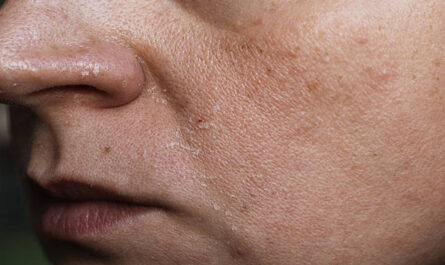
Human skin is a living organ. It reacts to hormones, stress, environment, genetics, illness, aging, climate, and emotion. Texture, pores, scars, acne, stretch marks, lines, and discoloration are not abnormalities — they are signs of being human.
Yet the beauty industry has spent decades promoting the idea that:
- Smoothness equals health
- Clarity equals cleanliness
- Youth equals beauty
- Imperfection equals failure
These messages are rarely spoken outright, but they are implied everywhere — in commercials, skincare packaging, influencer culture, and even casual conversation.
When skin is framed as something that must be controlled, corrected, and constantly improved, people learn to view their own faces as problems to be solved rather than parts of themselves to be respected.
How Skin Perfection Became a Beauty Standard
Commercial Interests
The global skincare and beauty industry thrives on dissatisfaction. New concerns must be identified and marketed — pores, dark circles, fine lines, texture, oiliness, dryness — often framed as urgent flaws rather than normal variations.
Perfection becomes profitable when insecurity is normalized.
Digital Editing and Filters
Modern beauty standards are heavily shaped by edited images. Filters smooth skin, erase texture, adjust tone, and blur reality. Over time, filtered faces become the reference point, making real skin feel “wrong” by comparison.
Gendered Expectations
Skin perfection standards disproportionately affect women and gender-diverse people. They are often expected to appear polished, youthful, and blemish-free as a form of social currency — in personal, professional, and public spaces.
Cultural and Racial Bias
Eurocentric beauty standards have long favored lighter, even-toned skin, reinforcing colorism and racial hierarchies. People with darker skin tones often face added pressure to correct pigmentation or texture to meet these biased ideals.
These systems reinforce the idea that beauty is conditional — something you achieve by erasing signs of reality.
The Emotional Cost of Chasing Perfect Skin
The pursuit of flawless skin is rarely just about appearance. It affects how people feel, behave, and relate to themselves.
Chronic Self-Surveillance
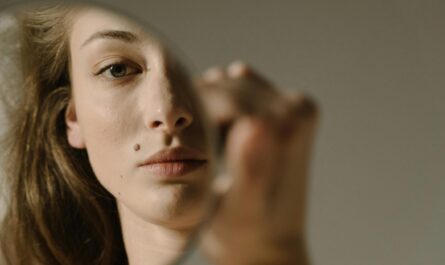
People begin monitoring their skin constantly — checking mirrors, lighting, photos, and reflections. This hyper-awareness can create anxiety and self-criticism.
Shame and Self-Blame
Breakouts, flare-ups, or skin changes are often framed as personal failures. Instead of curiosity or care, people respond with guilt and harsh judgment.
Avoidance and Withdrawal
Many people avoid social events, cameras, intimacy, or even eye contact during periods of skin changes, believing they are less worthy of being seen.
Delayed Self-Acceptance
Some people postpone confidence, joy, or self-love until their skin “improves,” placing life on hold for a version of themselves that may never arrive.
This is not a skincare issue — it is a self-worth issue shaped by culture.
Why Body Inclusivity Includes Skin
Body inclusivity is about recognizing the inherent worth of all bodies — not just in size or shape, but in texture, tone, ability, age, and appearance.
Skin is part of the body. That means:
- Acne is not a moral failing
- Scars are not defects
- Wrinkles are not problems
- Texture is not ugliness
Body inclusivity challenges the idea that bodies must be optimized to be acceptable. It affirms that bodies deserve respect and care regardless of how closely they align with aesthetic ideals.
When skin is included in body liberation conversations, the narrative shifts from correction to compassion.
Beauty Is Not a Reward for Flawlessness
One of the most damaging myths in beauty culture is the belief that beauty must be earned.
Earned by:
- Clear skin
- Youthful appearance
- Symmetry
- Effort
- Consumption
But beauty is not a reward system. It is not withheld until you fix yourself.
Beauty exists in expression, presence, individuality, and humanity. It shows up in laughter lines, freckles, scars, softness, and strength. It exists in faces that tell stories — not just those that meet trends.
When beauty is detached from perfection, it becomes accessible to everyone.
Reframing How You See Your Skin
Healing your relationship with your skin does not mean you must love it all the time. It means you stop making it the measure of your worth.
Shift From Control to Care
Instead of asking, “How do I fix my skin?” try asking:
- “How can I support my skin today?”
- “What does my body need right now?”
Care acknowledges humanity. Control implies failure.
Separate Skin From Identity
Your skin condition is not your character. Acne does not mean you are lazy, unhealthy, or unattractive. Scars do not mean you are broken.
Skin changes, but your value does not.
Notice Where the Pressure Comes From
Many insecurities are learned. Ask yourself:
- Who benefits from me feeling insecure about my skin?
- Where did I learn this standard?
- Does this belief actually serve me?
Questioning the origin of the pressure weakens its hold.
The Power of Seeing Real Skin
Representation matters — not just in bodies, but in faces.
When people see real skin:
- With texture
- With acne
- With wrinkles
- With scars
- With pigmentation
It normalizes diversity and reduces isolation. It reminds us that beauty is not rare or fragile — it is expansive.
Activists, creators, and everyday people who show their real skin are not lowering standards; they are dismantling unrealistic ones.
You Are Allowed to Care About Your Skin Without Hating It
Body inclusivity does not mean rejecting skincare or personal preferences. It means decoupling care from shame.
You can:
- Enjoy skincare routines
- Seek medical treatment
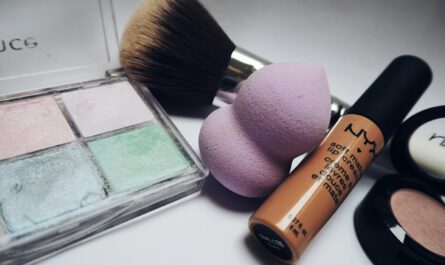
- Use makeup if you want
- Want improvement
Without believing that your worth depends on the outcome.
Care becomes empowering when it is rooted in choice, not obligation.
Redefining Beauty on Your Own Terms
Beauty becomes sustainable when it aligns with your values instead of external approval.
Ask yourself:
- What makes me feel alive in my body?
- When do I feel most myself?
- What do I admire in others that has nothing to do with perfection?
Often, the answers include authenticity, warmth, creativity, kindness, resilience, and confidence — qualities that have nothing to do with skin clarity.
What Happens When You Release the Need for Perfect Skin
When the pressure eases, space opens up for:
- Presence instead of performance
- Connection instead of comparison
- Confidence rooted in self-trust
- Joy without prerequisites
Life becomes larger than your reflection.
You begin to show up — not when your skin is “good,” but because you are human and deserving of visibility.
A Cultural Shift Is Already Happening
The idea that perfect skin equals beauty is being challenged — slowly but meaningfully.
People are:
- Posting unfiltered images
- Speaking openly about skin conditions
- Calling out unrealistic standards
- Demanding inclusive representation
These shifts matter. They create room for future generations to grow up without believing their skin is a problem.
You Are More Than a Surface
Your skin does not define your kindness.
It does not measure your intelligence.
It does not determine your worthiness of love, pleasure, success, or respect.
Your face is not a project.
Your body is not an apology.
Your skin is not a prerequisite for beauty.
Conclusion: Beauty Without Conditions
You do not need perfect skin to feel beautiful — because beauty was never meant to be conditional.
When you stop chasing perfection, you gain something far more valuable: freedom. Freedom to exist as you are. Freedom to be seen without editing yourself. Freedom to define beauty from the inside out.
In a world that profits from telling you that you are not enough, choosing to see yourself as whole is a radical act.
Your skin is allowed to change.
Your beauty is allowed to remain.