 by
by In a world dominated by perfectly filtered pictures, airbrushed models, and algorithmically enhanced beauty standards, it’s easy to forget one simple truth: real skin isn’t perfect — and that’s perfectly normal. Pores, texture, and acne are not defects to be erased; they are fundamental aspects of how healthy skin functions. This article explores the science, psychology, and culture behind common skin features often mislabeled as “imperfections,” reframing them as natural and human.
Introduction: The Myth of Perfect Skin
Scroll through social media for five minutes, and you’ll quickly see the prevailing message: smooth, poreless skin is the ultimate beauty standard. Marketing campaigns push products that claim to “minimize pores,” “erase texture,” and “clear acne completely.” But the reality is that skin with visible pores, subtle texture, and occasional blemishes is not only normal — it’s the norm.
This misconception fuels insecurity, creates unrealistic expectations, and fosters a culture of self-criticism. To understand why these features exist and why they shouldn’t be viewed as flaws, we need to look at what skin actually is — and what it actually does.
Skin 101: What Is Healthy Skin Really Like?
Human skin is a living, breathing organ — in fact, the largest one in the body. It’s made up of multiple layers with various functions:
- Protection: Shields internal organs from environmental harm.
- Regulation: Helps control body temperature.
- Sensation: Contains nerves that detect touch, pressure, pain, and temperature.
- Excretion: Removes waste through sweat.
- Immunity: Acts as a defense barrier against pathogens.
Given all these roles, it’s no wonder skin can’t, and shouldn’t, be perfectly smooth or static.
Pores Are Essential Openings — Not Flaws
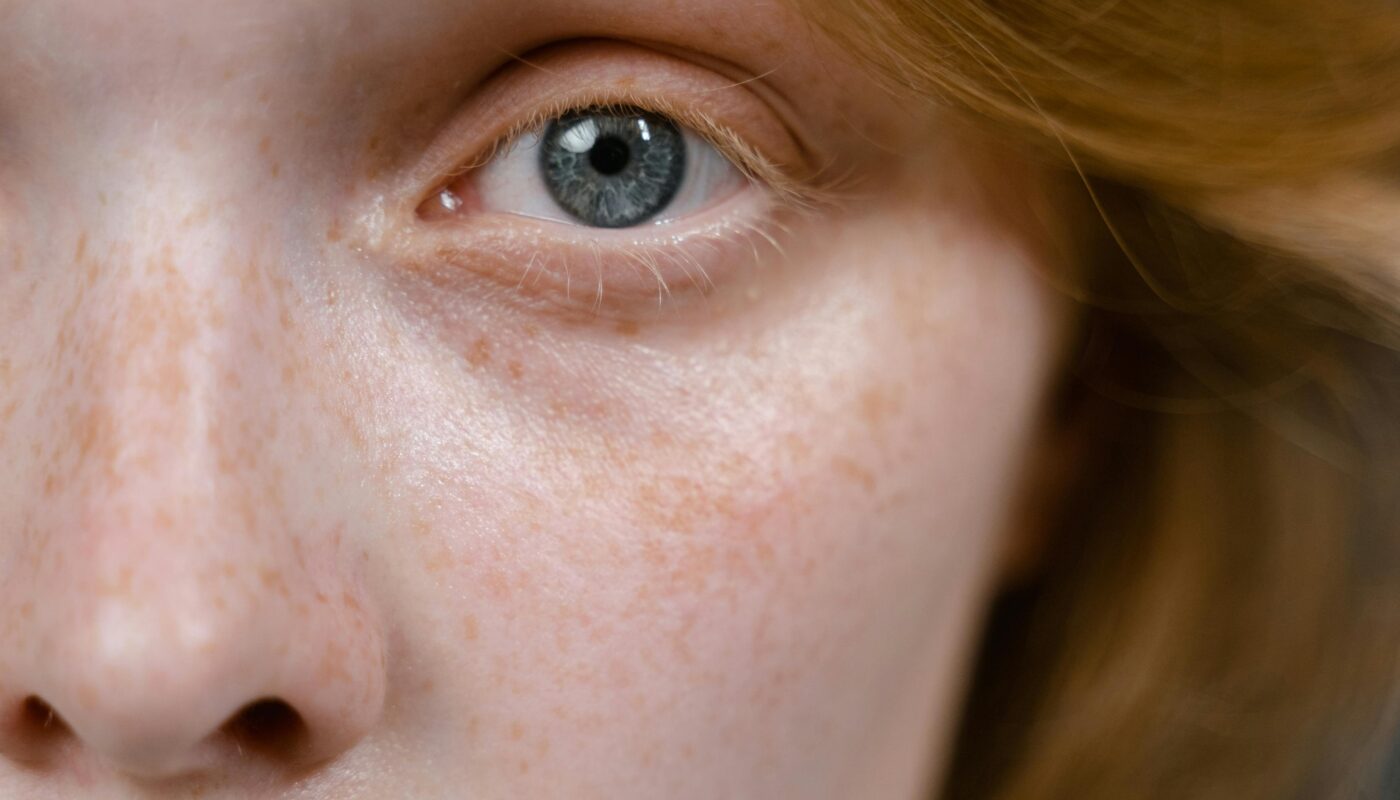
Pores are tiny openings in the skin that serve an important purpose: they allow hair follicles and oil glands to release sebum (natural oil) to keep the skin moisturized and protected. Without pores, our skin would be dry, cracked, and more vulnerable to irritation and infection.
Common myths about pores:
- “Big pores are a flaw.” Not true. Pore size is largely genetic, influenced by skin type and oil production.
- “Pores should disappear.” They can’t. They will always be visible to some degree — and they should be.
Pores become more noticeable when:
- Oil production increases (common in adolescence and adulthood)
- Dead skin cells accumulate
- Sun damage reduces skin elasticity
But having visible pores doesn’t mean your skin is damaged or inferior — it just means your skin is doing its job.
Texture: The Natural Landscape of Skin
When we think of skin texture, words like “smooth,” “bumpy,” “uneven,” or “rough” often come to mind. But skin texture is simply the result of:
- How skin cells renew
- The distribution of hair follicles
- Levels of hydration and oil
- Collagen and elastin integrity
Texture varies from person to person and even from one area of the face to another. It changes with age, environment, hormones, and lifestyle. Most importantly, texture is not synonymous with flaw — it’s part of your unique skin signature.
Why Smooth Skin in Media Isn’t Realistic
Many images we see online have been:
- Filtered
- Airbrushed
- Lighting-enhanced
- Retouched by professionals
Even models and celebrities have pores, texture, and sometimes acne. The only difference is that media often hides these features to sell a fantasy — not to reflect real life.
Acne: A Normal Skin Response, Not a Moral Failing
Acne — whether occasional pimples, blackheads, or cystic blemishes — affects millions of people around the world. Yet despite how common it is, it carries a heavy stigma like it’s a personal defect or result of poor hygiene.
Let’s break that stigma apart.
What Causes Acne?
Acne happens when hair follicles become clogged with:
- Excess oil (sebum)
- Dead skin cells
- Bacteria
Several factors influence acne:
- Hormones: Especially during puberty, menstrual cycles, pregnancy, and stress.
- Genetics: Family history plays a role.
- Environment: Pollution and humidity can exacerbate breakouts.
- Diet & Lifestyle: Certain foods and habits may trigger flare-ups in some individuals.
- Inflammation: A biological response your skin uses to combat bacteria or irritation.
None of these causes should be interpreted or internalized as a personal failure.
Acne Doesn’t Indicate Poor Hygiene
This myth persists despite evidence to the contrary. Over-washing or scrubbing aggressively can actually:
- Irritate the skin
- Strip natural oils
- Worsen inflammation
Healthy habits like gentle cleansing, balanced nutrition, and regular hydration support skin health — but acne still can occur even with excellent hygiene.
Skin Diversity: There Is No “One Size Fits All” Standard
Understanding skin as normal in all its forms means celebrating diversity. Skin differs by:
- Tone
- Texture
- Oiliness
- Sensitivity
- Pore size
- Aging patterns
- Response to climate and lifestyle
Diversity isn’t a flaw — it’s reality. And normalizing that reality fosters healthier self-images and better self-care.
How Society Shapes Skin Perceptions
Why do so many of us feel bad about pores, texture, and acne? The answer lies in decades of societal conditioning:
1. Media and Advertising
Beauty ads sell solutions to problems you may not have had until they told you to worry about them. Phrases like “Get rid of ugly pores!” or “Flawless skin in 10 days!” imply that natural skin features are unacceptable.
2. Social Media Filters
Apps now smooth skin, blur imperfections, and standardize appearances. These tools warp our self-expectations and make unfiltered skin feel abnormal.
3. Cultural Standards
Different cultures have different beauty ideals — and none of them universally include textured skin or visible pores. These ideals are learned, not inherent truths.
The Psychological Impact of Beauty Standards
When skin is treated as a flaw, it affects mental well-being. Some common impacts include:
- Lower self-esteem
- Heightened self-consciousness
- Social anxiety
- Depression
- Distorted body image
This is especially true for teenagers and young adults who are still forming self-identity and face immense social pressures.
Why Normalizing Skin Matters for Mental Health
Accepting skin as it naturally appears:
- Reduces comparison traps
- Builds self-confidence
- Encourages healthier self-care
- Fosters resilience against unrealistic standards
It also allows people to focus on function and well-being rather than appearance.
Positive Perspectives: Skin as a Living Organ
Let’s reframe how we think about skin with a mindset shift:
- Pores: tiny openings essential for oil balance.
- Texture: a natural surface pattern unique to each person.
- Acne: a common skin response, not a moral sentence.
Skin is alive. It changes. It responds to hormones, weather, attitude, and nutrition. It’s not static — and it doesn’t need to be.
Science Speaks — Imperfections Are Normal
Dermatologists emphasize that:
- All skin has pores.
- Texture is a natural result of cellular structure.
- Acne is not indicative of poor self-care or weakness.
Even the healthiest skin can break out, have oily areas, dry patches, or visible pores — these are all part of normal physiology.
Experts Agree: Healthy Skin ≠ Perfect Skin
Skin health is measured by:
- Hydration levels
- Barrier function
- Lack of irritation or infection
- Comfort
Not by how invisible pores are.
How to Care for Skin — Without Shaming It
Here are science-backed habits that support healthy skin without promoting insecurity:
1. Gentle Cleansing
Twice a day with a mild cleanser to remove excess oil, dirt, and makeup.
2. Hydration
Use moisturizers that strengthen the skin barrier. Well-hydrated skin often looks smoother and healthier.
3. Sun Protection
SPF protects collagen and prevents accelerated aging — a truly meaningful skincare practice.
4. Balanced Diet
Antioxidants, healthy fats, and omega-3s can support overall skin health.
5. Listening to Your Skin
If irritation, breakouts, or sensitivity persist, see a dermatologist. That’s smart self-care — not vanity.
Shifting From “Flaw Fixing” to “Skin Respecting”
Rather than thinking:
“I need to eliminate these pores.”
Try reframing:
“These pores are a normal part of how my skin works.”
Instead of:
“Acne is unacceptable.”
Adopt:
“Acne is common and manageable — and it doesn’t define me.”
This subtle shift in language transforms how we feel about ourselves.
Real People, Real Skin: Embracing Authenticity
Across the globe, people are beginning to:
- Share unfiltered photos
- Celebrate skin diversity
- Reject unrealistic beauty pressures
- Demand honesty from beauty advertising
Movements like #NoFilter, #RealSkin, and inclusive campaigns are pushing culture toward authenticity. This evolution helps people feel seen and accepted — not judged for what skin naturally does.
Why This Matters Beyond Appearance
Understanding that pores, texture, and acne are normal affects more than looks — it reshapes relationship with self:
- Empathy: Recognizing that everyone experiences skin variations.
- Confidence: Feeling comfortable without needing perfection.
- Self-care: Prioritizing health over unrealistic aesthetics.
- Authenticity: Living in a way that feels real, not filtered.
Beauty shouldn’t be a rigid standard — it should be a reflection of health, diversity, and humanity.
Conclusion: Your Skin Is Normal, Not Flawed
The belief that pores, texture, and acne are flaws is a cultural myth — not a biological reality.
Skin is:
- Functional, not ornamental
- Unique, not uniform
- Expressive, not defective
When we embrace the normalcy of these features, we move toward healthier self-image, greater self-acceptance, and a more compassionate society.
So the next time you look in the mirror and notice your pores, texture, or even a blemish, remember this:
Your skin isn’t flawed. It’s alive, it’s functioning — and it’s beautiful because it’s real.