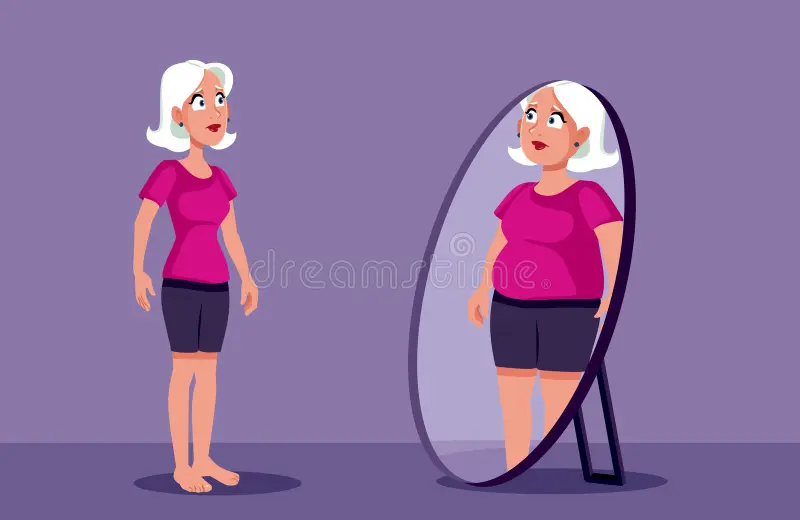
What Is Body Dysmorphic Disorder? Body dysmorphic disorder is classified in the Diagnostic and Statistical Manual of Mental Disorders, Fifth Edition (DSM-5) as an obsessive-compulsive–related …
Therapy plays a pivotal role in transforming how we relate to our bodies, offering evidence‐based tools to dismantle negative self-perceptions and cultivate a resilient, compassionate …
Social media’s visual emphasis and algorithmic reinforcement of curated content drive pervasive social comparison, leading many users—especially adolescents and young adults—to experience heightened body dissatisfaction …
Introduction Body image encompasses three interrelated components: perceptual (how accurately one sees body size/shape), cognitive–affective (thoughts and feelings about appearance), and behavioral (actions like checking …
Introduction Modern diet culture frequently equates willpower with extreme restriction: slash carbs, ban fats, skip meals, or subsist on “detox” cleanses. Yet science tells a …
Intuitive eating is a self‑care framework created by registered dietitians Evelyn Tribole and Elyse Resch in 1995, grounded in nurturing a healthy relationship with food by …
Understanding Gym Anxiety What Is Gym Anxiety? Gym anxiety—often referred to as “gymtimidation”—describes the uneasy feelings of being judged, making mistakes, or not belonging in …
Why Bodyweight Workouts? Bodyweight training harnesses your own mass as resistance, engaging multiple muscle groups and joints simultaneously. This “functional” approach mimics real‑life movements—improving balance, …
In a society that bombards us with unrealistic beauty standards and relentless self-criticism, nurturing a healthy self-esteem can feel like an uphill battle. Many people …
In our modern world, the term “exercise” often conjures images of structured gym routines, high-intensity interval training sessions, or regimented workout classes. While these forms …
 by