 by
by When Clothes Stopped Demanding Perfection
For generations, fashion has quietly communicated a powerful message: beauty often requires discipline. Whether through tightly cinched corsets in Victorian Europe, restrictive shapewear in the twentieth century, impossibly high heels, or modern compression garments promising smoother silhouettes, clothing has long reflected an expectation that bodies should adapt to fashion rather than the other way around. The ideal outfit was often one that reshaped, concealed, compressed, or disciplined the body into culturally accepted standards.
Then the world paused.
The COVID-19 pandemic did far more than change work routines and social interactions. It transformed everyday relationships with homes, personal space, mental wellbeing, and perhaps surprisingly, clothing. As millions spent months working remotely, living in sweatpants, oversized shirts, knitted co-ords, soft lounge sets, and breathable fabrics, a profound cultural realization emerged. Comfort was not simply laziness. It was dignity. It was accessibility. It was emotional regulation. It was freedom.
When societies reopened, many expected fashion to swing dramatically back toward glamour and highly structured dressing. While elements of celebration certainly returned, another movement had quietly established itself beneath the surface. Consumers around the world had begun questioning why discomfort had ever been considered fashionable in the first place.
This shift extends far beyond leggings replacing skinny jeans. It reflects changing attitudes toward productivity, femininity, masculinity, body image, disability inclusion, workplace expectations, and emotional wellbeing. Across cultures, fashion increasingly recognizes that clothing influences not only how people appear but how they move, breathe, work, socialize, and experience themselves throughout the day.
The post-pandemic embrace of comfort is therefore not simply a trend. It represents one of the most meaningful cultural conversations fashion has experienced in decades—a conversation that asks whether clothing should celebrate bodies as they exist rather than constantly encouraging them to become something else.
Fashion’s Long History of Compression
To understand why comfort has become culturally significant, it is important to recognize that compression has historically symbolized much more than style.
Throughout history, restrictive clothing often represented status, discipline, morality, or gender expectations.
European aristocratic fashion embraced corsets not only because they created fashionable silhouettes but because they communicated refinement and self-control. The ability to wear restrictive garments signaled that one belonged to social classes less dependent on physical labour.
Similarly, structured tailoring in men’s fashion projected authority, discipline, and professionalism. Even today, sharply cut suits continue to symbolize leadership across many industries.
As fashion evolved during the twentieth century, compression became increasingly commercialized rather than purely cultural.
Shapewear brands promised smoother figures.
Slim-fit clothing suggested youthfulness.
High heels altered posture while becoming symbols of elegance.
Waist trainers periodically resurfaced alongside celebrity influence.
Compression leggings entered fitness culture as both performance wear and aesthetic enhancement.
Although these garments served practical purposes for some individuals, marketing frequently framed them as necessary corrections for supposedly imperfect bodies.
The underlying message remained remarkably consistent across decades:
Your natural body requires improvement before it deserves visibility.
That narrative became deeply normalized across advertising, cinema, magazines, and eventually social media.
Before the Pandemic: The Performance of Dressing
In many cultures, clothing had increasingly become part of personal branding.
Social media rewarded polished appearances.
Corporate workplaces valued tailored professionalism.
Influencer culture encouraged meticulously styled daily outfits.
Even casual clothing often appeared carefully curated for photographs rather than lived experiences.
People frequently described “getting dressed” as preparing for performance.
Outfits communicated ambition.
Productivity.
Success.
Fitness.
Wealth.
Taste.
Fashion rarely functioned as a private relationship between a person and their own comfort.
Instead, clothing often became public communication.
Who are you?
How successful are you?
How attractive are you?
How disciplined are you?
These questions quietly shaped wardrobes around the world.
Compression garments fit naturally within this environment because they aligned with ideals of constant self-optimization.
Lockdowns Changed the Meaning of Clothing
When lockdowns began, millions experienced an unprecedented shift.
The audience disappeared.
Video meetings replaced conference rooms.
Bedrooms became offices.
Dining tables became workstations.
Many wardrobes suddenly lost their social function.
Without daily public observation, people began asking surprisingly simple questions.
Why am I wearing uncomfortable trousers for twelve hours?
Why am I choosing shoes that hurt inside my own home?
Why do these clothes make breathing, sitting, or relaxing more difficult?
For perhaps the first time in decades, comfort became an everyday experiment rather than an occasional luxury.
People discovered oversized knitwear.
Matching lounge sets.
Soft cotton fabrics.
Elastic waistbands.
Wireless bras.
Supportive trainers.
Relaxed tailoring.
Loose dresses.
Natural fibres.
These choices were initially practical responses to staying indoors.
Yet over months, they evolved into something psychological.
Many individuals realized they actually preferred clothing that accommodated their bodies instead of constantly reshaping them.
The experience fundamentally challenged long-held assumptions about what “presentable” meant.
Comfort Became Emotional Rather Than Merely Physical
One of the most fascinating aspects of post-pandemic fashion is that comfort increasingly came to represent emotional wellbeing.
Psychologists have long recognized that clothing affects mood, confidence, and behaviour.
However, the pandemic amplified this relationship dramatically.
Soft fabrics became associated with safety.
Relaxed silhouettes reflected reduced social pressure.
Stretch fabrics accommodated changing routines without demanding physical perfection.
People were no longer dressing exclusively for external approval.
They were dressing to support themselves during uncertainty.
Fashion researchers increasingly described clothing as emotional infrastructure rather than decorative appearance.
The garments people reached for every morning often reflected their emotional needs more than current trends.
Some sought warmth.
Others preferred familiar hoodies.
Many gravitated toward clothing that reduced decision fatigue.
Instead of asking, “How impressive do I look?”
Many began asking,
“How do I want to feel today?”
This subtle shift represented a remarkable psychological transformation.
Why Compression Began Losing Cultural Power
Compression itself did not disappear.
Athletes continue wearing compression garments for specific performance purposes.
Medical compression remains essential for many health conditions.
Some people genuinely enjoy structured tailoring or shapewear as personal style choices.
The significant cultural change lies elsewhere.
Compression gradually stopped being viewed as the unquestioned default.
Instead of assuming every body should appear sculpted, consumers increasingly accepted multiple relationships with clothing.
One person may love corsetry for artistic self-expression.
Another may reject restrictive garments entirely.
Neither choice automatically reflects confidence or insecurity.
This growing flexibility aligns closely with broader conversations surrounding autonomy, consent, and body neutrality.
Fashion increasingly recognizes that comfort is not the opposite of style.
Rather, comfort can itself become an expression of identity.
The Rise of Adaptive Luxury
Interestingly, luxury fashion also began responding to changing consumer priorities.
Rather than abandoning craftsmanship, many designers redirected attention toward experience.
Premium cashmere.
Relaxed tailoring.
Fluid silhouettes.
Soft leather.
Flexible footwear.
Minimal construction.
Luxury increasingly became associated with how clothing feels rather than solely how expensive it appears.
Quiet luxury—a movement emphasizing understated quality over obvious logos—also intersected with this broader cultural preference for ease.
Consumers increasingly valued garments that supported everyday living instead of demanding constant maintenance.
The shift reflected changing definitions of aspiration.
Instead of aspiring to appear uncomfortable for the sake of status, many consumers began aspiring to look effortlessly confident.
A Global Conversation Rather Than a Western Trend
Although much media coverage focused on North America and Europe, the movement toward comfort has unfolded differently across cultures.
In Japan, where craftsmanship and practicality have long influenced clothing design, relaxed silhouettes already occupied an important place in everyday fashion. Post-pandemic consumers increasingly embraced garments that balanced elegance with ease, reinforcing existing cultural appreciation for functionality.
Across South Korea, fashion maintained its polished aesthetic while incorporating softer tailoring, oversized blazers, wider trousers, and comfortable layering. Rather than abandoning sophistication, designers demonstrated that structure could coexist with physical ease.
In South Asia, comfort also gained renewed visibility through contemporary interpretations of traditional clothing. Loose kurtas, flowing co-ord sets, breathable cotton fabrics, handwoven textiles, and relaxed silhouettes resonated with consumers seeking clothing suited to both climate and lifestyle. Designers explored ways of modernizing traditional garments without sacrificing comfort or cultural identity.
Meanwhile, Scandinavian fashion continued emphasizing minimalist design, natural materials, and practical dressing, reinforcing global appreciation for wardrobes built around longevity rather than restriction.
These examples reveal that comfort is not replacing cultural identity.
Instead, different societies are redefining comfort through their own histories, climates, values, and aesthetic traditions.
The global conversation is therefore remarkably diverse.
Comfort does not look identical everywhere.
Its meaning changes according to culture.
Yet the shared principle remains surprisingly universal:
Fashion increasingly serves people rather than asking people to serve fashion.
Comfort, Identity, and the Rise of Body Inclusivity
Perhaps the most meaningful outcome of the comfort-first movement is its relationship with body inclusivity. For decades, mainstream fashion often implied that certain bodies deserved visibility more than others. Clothing was frequently marketed as a tool to “fix,” “flatten,” “shape,” or “control” the body before it could be considered fashionable. Compression garments became symbols of this expectation, suggesting that confidence was something earned only after the body had been altered to fit a narrow aesthetic ideal.
The post-pandemic period has not erased these messages entirely, but it has introduced a powerful counter-narrative. Increasingly, consumers are asking why clothing should demand physical discomfort in exchange for social acceptance. This shift is particularly significant because it reframes comfort as a form of respect rather than a sign of carelessness.
Many brands have responded by expanding size ranges, introducing adaptive collections, prioritizing softer fabrics, and designing silhouettes that accommodate movement rather than restrict it. While progress remains uneven across the industry, the conversation itself has changed. Fashion is slowly moving away from presenting one “ideal” body toward recognizing that bodies naturally vary in shape, age, ability, and lived experience.
This evolution also aligns with the principles of body neutrality. Instead of expecting people to love every aspect of their appearance every day, body neutrality encourages individuals to appreciate what their bodies allow them to do. Clothing designed for ease supports this philosophy by reducing the constant reminder that the body must be corrected before it is worthy of beautiful fashion.
Redefining Professionalism in the Workplace
One of the most visible cultural transformations has occurred in professional dress. Before 2020, many workplaces maintained rigid expectations regarding formal attire. Structured blazers, fitted dresses, high heels, ties, and tailored suits were often viewed as visual proof of competence and professionalism.
Remote work disrupted these assumptions almost overnight. Employees continued leading meetings, managing teams, solving complex problems, and building successful businesses while dressed in knitwear, relaxed shirts, or simple sweaters viewed through a webcam. Productivity became increasingly disconnected from traditional office uniforms.
As hybrid work models emerged, many organizations reconsidered dress codes. Relaxed tailoring, premium knitwear, elegant sneakers, and wide-leg trousers gradually entered professional wardrobes without necessarily diminishing perceptions of competence. Designers responded by creating garments that balanced polish with flexibility, proving that structure and comfort need not be opposing ideas.
This transformation represents more than changing office fashion. It challenges long-standing beliefs that authority must be visually communicated through physical restriction. The modern professional increasingly values clothing that supports long working hours, commuting, caregiving responsibilities, and overall wellbeing.
Celebrity Influence Without the Performance of Perfection
Celebrities have also contributed to this cultural conversation, though not always through dramatic statements. Instead, documented public appearances, interviews, and campaigns have illustrated evolving attitudes toward clothing and comfort.
Actor and entrepreneur Gwyneth Paltrow’s long-standing preference for minimalist, wearable luxury has influenced discussions about investment dressing rooted in quality rather than spectacle. Meanwhile, brands associated with Oprah Winfrey have consistently highlighted comfortable, practical wardrobe essentials during her widely followed “Favorite Things” selections, helping normalize the idea that luxurious clothing can also be comfortable.
Designer Stella McCartney has repeatedly spoken in public interviews about creating fashion that respects both people and the planet, emphasizing craftsmanship, wearability, and responsible production rather than restrictive beauty ideals. Her collections often demonstrate that elegant silhouettes can prioritize movement and ease without sacrificing sophistication.
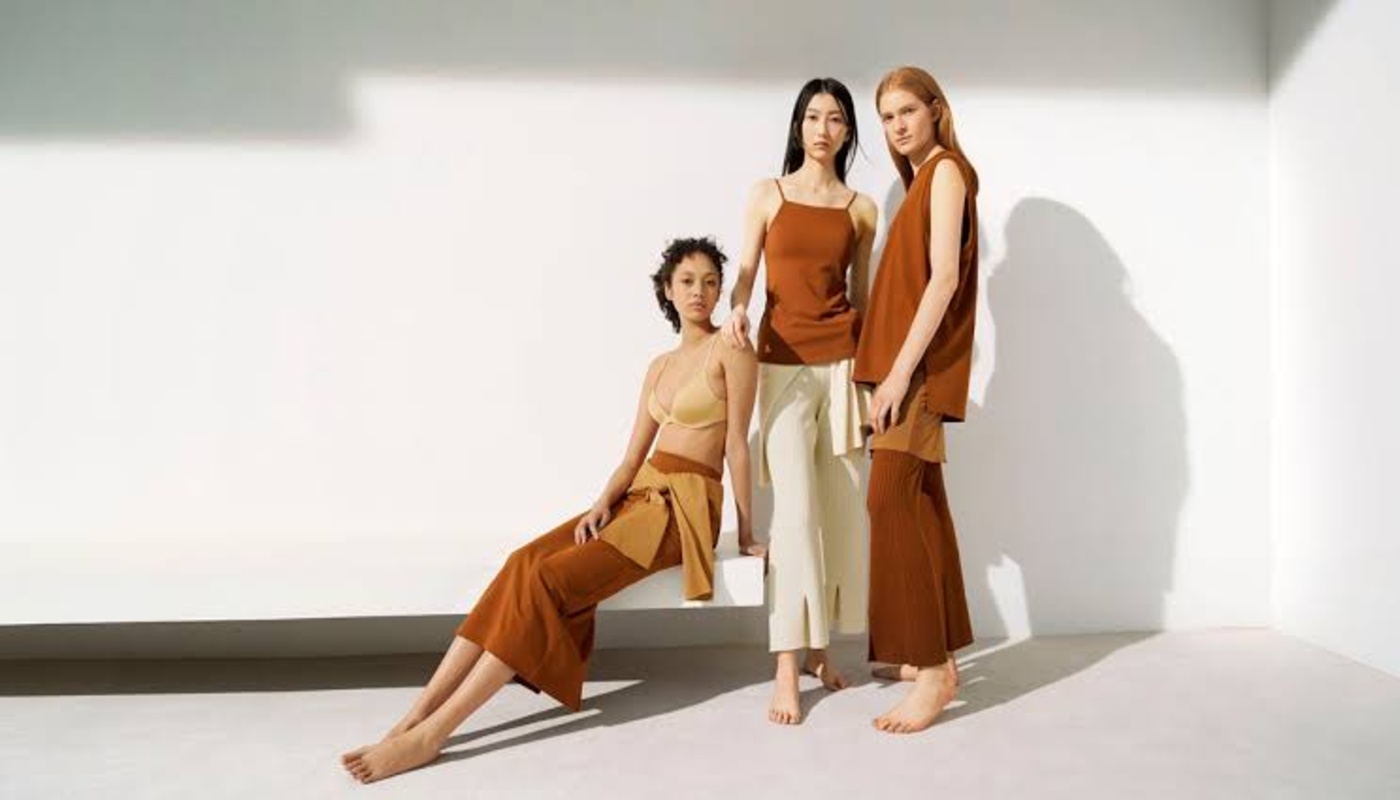
Similarly, campaigns from brands such as Uniqlo have focused on LifeWear—a philosophy centered on functional, comfortable clothing designed for everyday life. Rather than encouraging consumers to transform themselves, these campaigns emphasize garments that adapt to diverse lifestyles and climates.
Importantly, these cultural moments are not about abandoning style. They illustrate that influence can emerge through authenticity, practicality, and thoughtful design instead of constant visual perfection.
The Sustainability Connection
The movement toward comfort also intersects with sustainability in meaningful ways.
Consumers who invest in comfortable clothing often wear those garments more frequently than highly restrictive pieces reserved for occasional use. Comfortable clothing tends to become integrated into everyday routines, increasing its longevity and reducing the pressure to purchase replacements solely because trends change.
Natural fibres, timeless silhouettes, durable construction, and versatile basics have gained renewed appreciation alongside the comfort movement. Rather than purchasing clothing designed primarily for photographs, many shoppers increasingly seek garments capable of lasting through changing seasons and daily responsibilities.
This does not mean comfortable fashion is automatically sustainable. Fast-fashion brands continue producing inexpensive loungewear at enormous scale. However, the broader cultural emphasis on wearability has encouraged discussions about quality over quantity, reinforcing the idea that clothing should serve real lives rather than fleeting online aesthetics.
Cross-Cultural Perspectives on Comfort
Although the comfort movement has become globally recognizable, its expression varies considerably across cultures.
In Scandinavian countries, minimalist wardrobes emphasizing practicality, layering, and high-quality natural materials have long reflected values of functionality and longevity. The post-pandemic conversation strengthened rather than transformed these traditions.
Across South Asia, breathable cotton, linen, khadi, and handwoven textiles continue offering examples of climate-responsive fashion that values comfort alongside cultural identity. Contemporary designers increasingly reinterpret traditional garments through modern tailoring while preserving ease of movement.
In many Middle Eastern countries, flowing silhouettes, modest dressing traditions, and luxurious fabrics demonstrate that comfort and elegance have coexisted for generations. Modern designers continue exploring innovative ways to merge heritage with contemporary lifestyles.
East Asian fashion similarly illustrates diverse interpretations of comfort. Japanese design often emphasizes simplicity, functionality, and craftsmanship, while South Korean fashion frequently combines oversized silhouettes with polished styling. These approaches reveal that comfort does not erase individuality. Instead, each culture adapts it according to its own history, environment, and aesthetic values.
Such diversity reminds us that there is no universal definition of comfortable fashion. Rather, comfort becomes meaningful when interpreted through local traditions and everyday realities.
Looking Ahead: Will Comfort Continue to Shape Fashion?
Fashion has always evolved alongside society, and the comfort movement is unlikely to disappear simply because lockdowns have ended. Instead, it appears to be influencing broader conversations about wellbeing, accessibility, inclusion, and personal autonomy.
Future innovations may focus on adaptive textiles, temperature-regulating fabrics, customizable fits, digital sizing technologies, and garments designed for increasingly flexible lifestyles. Designers may continue exploring how clothing can support physical and emotional wellbeing without sacrificing creativity or craftsmanship.
At the same time, structured fashion will not vanish. Tailored garments, corsetry-inspired designs, and sculptural silhouettes will continue appealing to individuals who enjoy them as forms of artistic expression. The significant cultural change lies in expanding choice rather than replacing one aesthetic with another.
The future of fashion is therefore unlikely to be defined by comfort alone. Instead, it will be shaped by balance—the freedom to choose clothing that aligns with personal identity, cultural values, professional needs, and emotional wellbeing without feeling pressured by outdated ideals.
Conclusion
The post-pandemic shift toward comfort over compression represents far more than a change in fabric preferences or seasonal trends. It reflects a deeper cultural reconsideration of what clothing should accomplish in people’s lives. Rather than demanding that bodies adapt to restrictive standards, fashion is increasingly exploring how garments can support movement, confidence, individuality, and everyday living.
This transformation does not reject glamour, craftsmanship, or self-expression. Instead, it broadens their meaning. Elegance no longer depends exclusively on rigid silhouettes or physical discomfort. Confidence is increasingly associated with authenticity rather than perfection, and style is becoming more inclusive of diverse bodies, lifestyles, and cultural experiences.
As designers, brands, and consumers continue redefining the relationship between fashion and wellbeing, comfort may ultimately become remembered not as a temporary post-pandemic trend but as a lasting cultural value. In choosing clothing that respects both body and mind, society is quietly redefining beauty itself—not as something achieved through constant correction, but as something that flourishes when people are free to move, breathe, and simply be themselves.
Sources: Vogue, The Business of Fashion, Harper’s Bazaar, The New York Times, The Guardian, WWD, McKinsey & Company, Vogue Business, Elle, Forbes