 by
by Introduction: When Wellness Begins with the Soul
Across much of the modern world, wellness has become synonymous with expensive gym memberships, green smoothies, meditation apps, wearable fitness trackers, and perfectly curated social media routines. It is frequently marketed as an individual pursuit—one that depends on discipline, appearance, and personal optimization. Yet in many Middle Eastern communities, wellness has historically been understood through an entirely different lens.
Here, wellness has long been inseparable from faith, family, hospitality, and community. It is woven into the rhythm of daily prayers, the discipline of fasting, the generosity of shared meals, the importance of gratitude, and the understanding that caring for one’s body is connected to caring for one’s soul. Rather than treating physical, emotional, and spiritual health as separate categories, many traditions across the region have viewed them as interconnected dimensions of a meaningful life.
Today, however, Middle Eastern societies stand at a fascinating crossroads. Rapid urbanization, globalization, digital media, economic transformation, and changing gender roles are reshaping how younger generations understand health. Western wellness trends increasingly coexist with centuries-old Islamic teachings, Christian traditions, indigenous healing practices, and regional cultural customs.
The result is not simply a replacement of old ideas with new ones. Instead, many communities are creating uniquely Middle Eastern versions of wellness—where yoga classes may begin after Fajr prayer, nutrition advice is discussed alongside Quranic principles of moderation, mental health conversations include spiritual resilience, and fitness is embraced not merely for aesthetics but for stewardship of the body entrusted by God.
This evolving intersection between faith and wellness reveals something much larger than changing exercise habits. It reflects changing identities, evolving gender expectations, renewed interest in spirituality, and growing conversations about body inclusivity across one of the world’s most culturally diverse regions.
Understanding Wellness Beyond Physical Health
In Western commercial culture, wellness often focuses heavily on measurable outcomes: body fat percentage, calories burned, muscle definition, or productivity.
Middle Eastern perspectives, however, frequently begin with different questions:
- Is a person spiritually fulfilled?
- Are family relationships healthy?
- Is there gratitude despite hardship?
- Is the body being respected?
- Is emotional balance being maintained?
- Does health allow someone to fulfill their responsibilities toward God and society?
This holistic perspective has deep historical roots.
Islamic scholarship, Christian monastic traditions in the Middle East, Jewish communities throughout the region, and various indigenous healing traditions have all emphasized balance rather than excess.
Rather than promoting perfection, many religious teachings encourage moderation.
This concept is especially important because modern wellness culture sometimes unintentionally encourages obsession—counting every calorie, pursuing unattainable physiques, or equating appearance with moral discipline.
Faith traditions often challenge this mindset by reminding believers that intention matters as much as action.
The Body as a Trust Rather Than a Project
One of the most influential concepts in Islamic discussions of wellness is the understanding that the human body is an amanah—a trust from God.
This perspective changes the purpose of self-care.
Instead of asking,
“How can I make my body look perfect?”
many believers are encouraged to ask,
“How can I honor and care for the body entrusted to me?”
This subtle shift has significant psychological implications.
When health becomes stewardship instead of self-optimization:
- Exercise becomes gratitude.
- Nutrition becomes responsibility.
- Sleep becomes worship through self-preservation.
- Rest is no longer laziness.
- Recovery is not failure.
Many contemporary Muslim scholars and health educators increasingly emphasize this perspective to reduce guilt surrounding rest while discouraging harmful extremes in dieting or exercise.
Fasting as Spiritual and Physical Reflection
Perhaps no practice better illustrates the connection between faith and wellness than Ramadan.
Outside observers often describe Ramadan simply as a month without food or water during daylight hours.
Its deeper purpose is far richer.
Fasting encourages believers to examine:
- patience
- empathy
- gratitude
- discipline
- generosity
- emotional regulation
- spiritual reflection
Interestingly, many wellness experts worldwide have become interested in intermittent fasting for metabolic health.
However, Ramadan differs fundamentally.
Its purpose is not weight loss.
In fact, many people gain weight during Ramadan because communal celebrations and festive meals are central parts of the month.
The emphasis remains spiritual transformation rather than physical appearance.
This distinction highlights an important cultural lesson.
The same physical behavior—fasting—can carry completely different meanings depending on the values behind it.
Food as Community Rather Than Restriction
Modern diet culture frequently divides foods into rigid categories:
- clean
- bad
- cheat meals
- guilt foods
Traditional Middle Eastern food culture generally emphasizes something different.
Meals represent:
- hospitality
- celebration
- remembrance
- generosity
- family identity
- religious tradition
Breaking bread together is often considered an act of love.
Large communal meals during Ramadan, Eid, Christmas celebrations among Middle Eastern Christians, weddings, and family gatherings strengthen social bonds that contribute significantly to emotional wellbeing.
This presents an interesting tension.
Health professionals increasingly encourage balanced eating.
Yet reducing culturally meaningful meals to calorie counts risks ignoring their psychological importance.
Nutrition, after all, nourishes more than the body.
It also nourishes belonging.
Hospitality and Emotional Wellness
Hospitality occupies a sacred position throughout much of the Middle East.
Inviting strangers into one’s home, sharing tea, preparing elaborate meals, or offering dates and coffee often reflects deeply rooted religious and cultural values.
Psychologists increasingly recognize that strong social relationships are among the greatest predictors of wellbeing.
Interestingly, traditional hospitality naturally creates these support systems.
Shared meals reduce isolation.
Frequent visits encourage emotional connection.
Neighborhood relationships strengthen resilience during hardship.
In this sense, hospitality itself functions as a wellness practice.
Prayer as Psychological Grounding
For practicing Muslims, the five daily prayers create structured pauses throughout the day.
Beyond their religious significance, they also introduce moments of reflection amid busy schedules.
Many psychologists note that structured routines can reduce stress and improve emotional regulation.
Prayer naturally introduces several psychologically beneficial practices:
- intentional pauses
- controlled breathing
- mindfulness
- gratitude
- reflection
- community participation
- emotional release
This does not mean prayer replaces professional mental healthcare.
Rather, many clinicians working with Muslim clients increasingly recognize that spiritual practices can complement evidence-based therapy rather than compete with it.
The same is true within Christian communities throughout the Middle East, where prayer, liturgy, contemplation, and communal worship often provide emotional resilience during periods of uncertainty.
Mental Health Is Slowly Leaving the Shadows
Mental health conversations have historically carried stigma across many societies—not only in the Middle East.
However, change is becoming increasingly visible.
Religious scholars, psychologists, universities, public health organizations, and wellness advocates are encouraging nuanced conversations about anxiety, depression, trauma, grief, and emotional wellbeing.
Importantly, many contemporary discussions reject the false choice between faith and therapy.
Instead, they emphasize that:
faith offers meaning,
while therapy offers tools.
Prayer provides spiritual support.
Counseling provides psychological intervention.
Community provides belonging.
Medicine provides treatment.
Increasingly, these approaches are viewed as complementary rather than contradictory.
Women Are Reclaiming Wellness on Their Own Terms
Perhaps one of the most fascinating developments across the Middle East is how women are redefining wellness while remaining connected to faith.
For decades, global media often portrayed Middle Eastern women through simplistic stereotypes.
Reality is considerably more complex.
Across countries including the UAE, Saudi Arabia, Jordan, Qatar, Kuwait, Egypt, and elsewhere, women are participating in:
- running clubs
- cycling groups
- women-only fitness studios
- hiking communities
- martial arts
- swimming programs
- wellness retreats
- entrepreneurship within the health industry
Many explain their motivation not through beauty ideals but through strength, confidence, energy, longevity, and religious responsibility toward caring for their bodies.
The rise of women-only fitness environments has also expanded participation by providing culturally comfortable spaces aligned with local values.
Modesty and Movement Can Coexist
Global conversations often mistakenly assume modest clothing limits athletic participation.
Yet the sports world increasingly demonstrates otherwise.
Athletes wearing modest sportswear compete internationally across numerous disciplines.
Sportswear companies have also developed performance-focused modest athletic clothing after recognizing growing demand from Muslim consumers worldwide.
These innovations demonstrate that inclusivity is not about asking people to abandon cultural identity.
Instead, it involves expanding design so more people can participate comfortably.
Wellness becomes more accessible when clothing adapts to diverse communities rather than expecting communities to adapt to clothing.
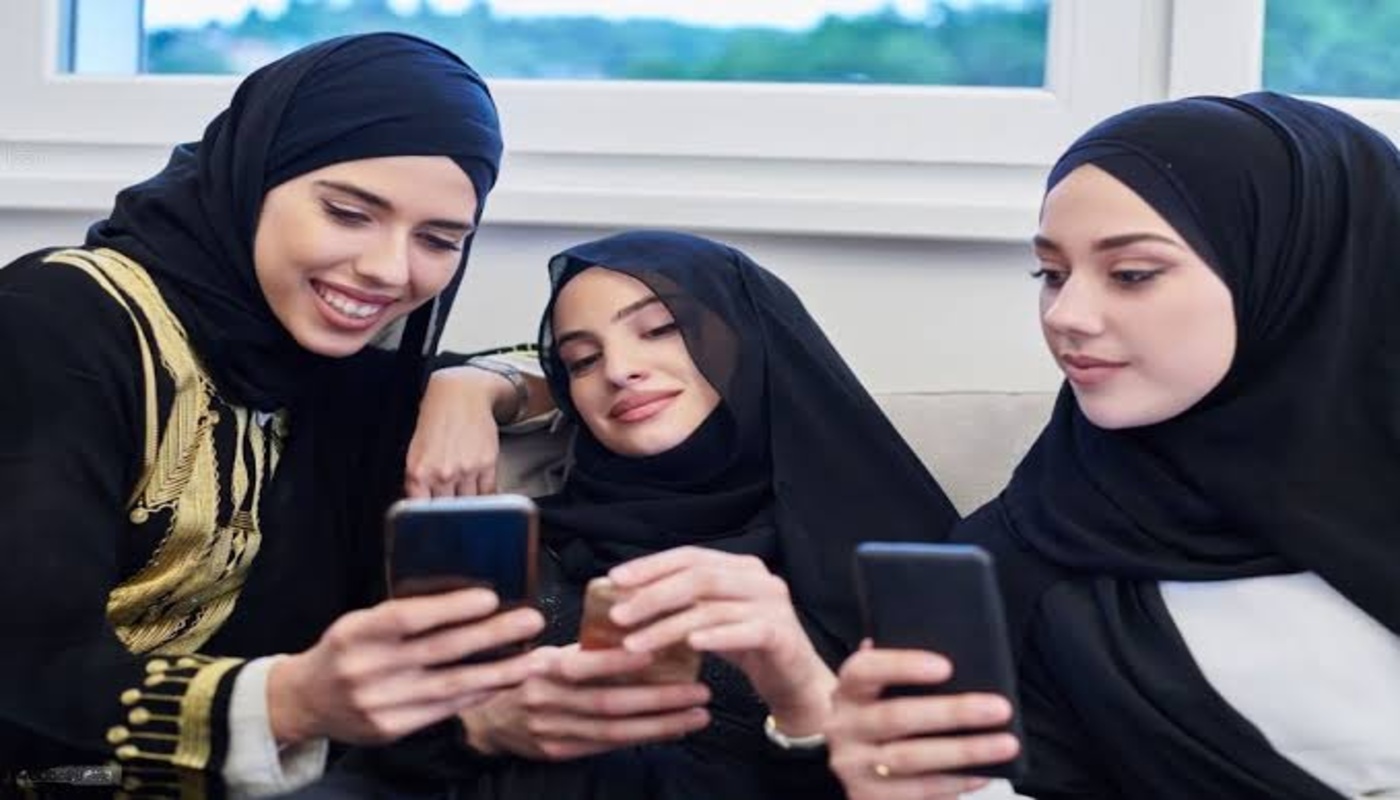
Social Media’s Double Influence
Digital platforms have dramatically transformed wellness conversations throughout the Middle East.
On one hand, creators share:
- nutritious traditional recipes
- faith-based wellness reminders
- home workouts
- hiking adventures
- mental health education
- spiritual reflections
- balanced lifestyle advice
These resources have expanded access to information.
However, the same platforms also expose audiences to unrealistic beauty standards imported from around the world.
Young people increasingly navigate conflicting messages:
Traditional teachings emphasize modesty.
Influencer culture often rewards appearance.
Faith encourages gratitude.
Algorithms reward comparison.
Wellness encourages balance.
Digital culture frequently celebrates extremes.
Learning to distinguish inspiration from comparison has become an essential modern wellness skill.
Body Inclusivity Through a Faith-Based Lens
Body inclusivity discussions often originate in Western activism.
Yet similar values can emerge through different philosophical foundations.
Many religious teachings emphasize that human dignity is inherent rather than earned through appearance.
While faith traditions may encourage caring for health, they generally reject reducing human worth to physical attractiveness alone.
This distinction matters.
Body inclusivity is not necessarily about rejecting health.
Nor is faith necessarily about rejecting self-improvement.
Instead, both can converge around a shared principle:
Every human being deserves dignity regardless of appearance.
When wellness initiatives recognize this principle, they become more compassionate and more culturally inclusive.
Traditional Healing and Modern Medicine
Across generations, Middle Eastern families have passed down numerous wellness practices involving herbs, honey, black seed, olive oil, dates, herbal teas, and aromatic plants.
Many of these remedies carry religious, historical, or cultural significance.
At the same time, healthcare professionals increasingly encourage distinguishing between cultural traditions and scientifically validated medical treatments.
An emerging approach respects both.
Traditional practices can provide comfort, cultural continuity, and supportive care when appropriate.
Evidence-based medicine remains essential for diagnosing and treating illness.
Rather than framing the relationship as either-or, many practitioners advocate thoughtful integration guided by scientific evidence and cultural sensitivity.
Youth Identity in an Era of Global Wellness Trends
Generation Z across the Middle East consumes wellness content from Los Angeles, Seoul, Dubai, London, Cairo, Istanbul, and Jakarta—often within the same day.
This creates hybrid identities.
A young woman in Riyadh may attend Pilates while observing Ramadan.
A university student in Amman may combine mindfulness techniques with Quranic reflection.
A family in Dubai may prepare protein-rich meals inspired by international nutrition trends while preserving traditional recipes passed through generations.
Rather than abandoning tradition, many young people are selectively integrating global knowledge into local values.
This process reflects cultural adaptation rather than cultural loss.
The Role of Mosques and Community Organizations
Mosques have historically served purposes extending far beyond worship.
They have functioned as:
- educational centers
- charitable institutions
- social gathering places
- community support networks
Increasingly, some communities are also incorporating health awareness initiatives.
Educational talks may address nutrition, diabetes prevention, family wellbeing, emotional resilience, or healthy aging.
Charitable programs often include food security, healthcare assistance, and support for vulnerable populations.
These initiatives demonstrate that wellness can emerge through community infrastructure rather than individual consumption.
Wellness During Conflict and Displacement
Any discussion of Middle Eastern wellness would be incomplete without acknowledging that millions across the region have experienced war, displacement, political instability, or humanitarian crises.
Under such circumstances, wellness cannot be reduced to fitness routines.
It becomes about preserving dignity.
Maintaining faith traditions, communal prayer, family rituals, storytelling, shared meals, and cultural practices often helps communities preserve identity amid uncertainty.
Researchers studying displaced populations frequently observe that religious practice and community support can strengthen resilience, although they do not eliminate the need for humanitarian assistance or professional healthcare.
This broader understanding reminds us that wellness is deeply contextual.
For some communities, surviving itself becomes an act of hope.
Cross-Cultural Lessons for the Global Wellness Industry
The global wellness industry is valued in the trillions of dollars, yet many consumers increasingly express fatigue with perfection-driven messaging. Endless productivity hacks, restrictive eating plans, and idealized bodies can leave people feeling that wellness is another competition they are expected to win.
Middle Eastern faith-centered approaches offer a contrasting philosophy that deserves greater international attention. Instead of asking people to become endlessly optimized versions of themselves, these traditions often encourage becoming more balanced, compassionate, and spiritually grounded. Health is not separated from ethics, relationships, or gratitude.
This perspective also broadens the conversation around body inclusivity. If wellness is measured solely by external appearance, countless people feel excluded because of age, disability, chronic illness, genetics, or socioeconomic circumstances. If wellness is understood as a combination of physical care, emotional resilience, meaningful relationships, and spiritual purpose, many more people can see themselves reflected in the conversation.
Cross-cultural exchange should not mean copying traditions without understanding them. Rather, it involves learning from different philosophies while respecting their cultural and religious contexts. The Middle East demonstrates that wellness does not have to be individualistic to be effective. Communities, families, rituals, and faith can all become protective factors that support healthier lives.
As multicultural societies continue to grow around the world, these lessons may become increasingly valuable for healthcare providers, fitness professionals, educators, and policymakers seeking more inclusive approaches to wellbeing.
Looking Ahead: A New Generation Is Redefining Wellness
The future of wellness in Middle Eastern communities is unlikely to resemble either a complete return to tradition or an unquestioning embrace of global wellness culture. Instead, it is being shaped by thoughtful negotiation between heritage and innovation.
Young professionals are building careers as dietitians, psychologists, physicians, fitness coaches, and public health advocates while remaining deeply connected to their cultural identities. Religious scholars are increasingly engaging with contemporary conversations around mental health, stress, and healthy lifestyles. Families are discovering ways to preserve meaningful traditions while adapting to changing work schedules, urban living, and digital technology.
Most importantly, many people are challenging the assumption that faith and modern wellness exist in opposition. They are demonstrating that spiritual devotion can coexist with scientific healthcare, that modesty can coexist with athletic achievement, that traditional foods can coexist with balanced nutrition, and that self-care can be motivated by gratitude rather than appearance.
These evolving conversations also have broader implications for body inclusivity. They encourage societies to ask not only what healthy bodies look like, but also what healthy relationships with our bodies feel like. They remind us that wellness is most sustainable when it honors culture instead of erasing it, respects diversity instead of demanding conformity, and recognizes that every person’s journey is shaped by a unique combination of faith, family, history, and lived experience.
In an increasingly interconnected world, the intersection of faith and wellness in Middle Eastern communities offers more than a regional story. It provides a compelling reminder that true wellbeing is rarely found through perfection. Instead, it emerges through balance, compassion, purpose, and the enduring belief that caring for the body is inseparable from caring for the whole human being.
Sources: World Health Organization, UNICEF, The Lancet, Harvard T.H. Chan School of Public Health, Pew Research Center, British Medical Journal, Journal of Religion and Health, Frontiers in Psychology, American Psychological Association, Islamic Relief, Mayo Clinic, Cleveland Clinic, World Economic Forum