 by
by When Beauty Marketing Meets Public Accountability
For decades, the beauty industry controlled the conversation. Glossy magazine advertisements, carefully curated television commercials, celebrity endorsements, and fashion editorials dictated what was considered beautiful. Consumers had opinions, but they rarely had platforms powerful enough to influence billion-dollar corporations. If a foundation lacked darker shades, if an advertisement excluded people with disabilities, or if a campaign promoted unrealistic ideals, criticism often remained scattered across letters to editors or isolated consumer complaints.
TikTok has fundamentally changed that equation.
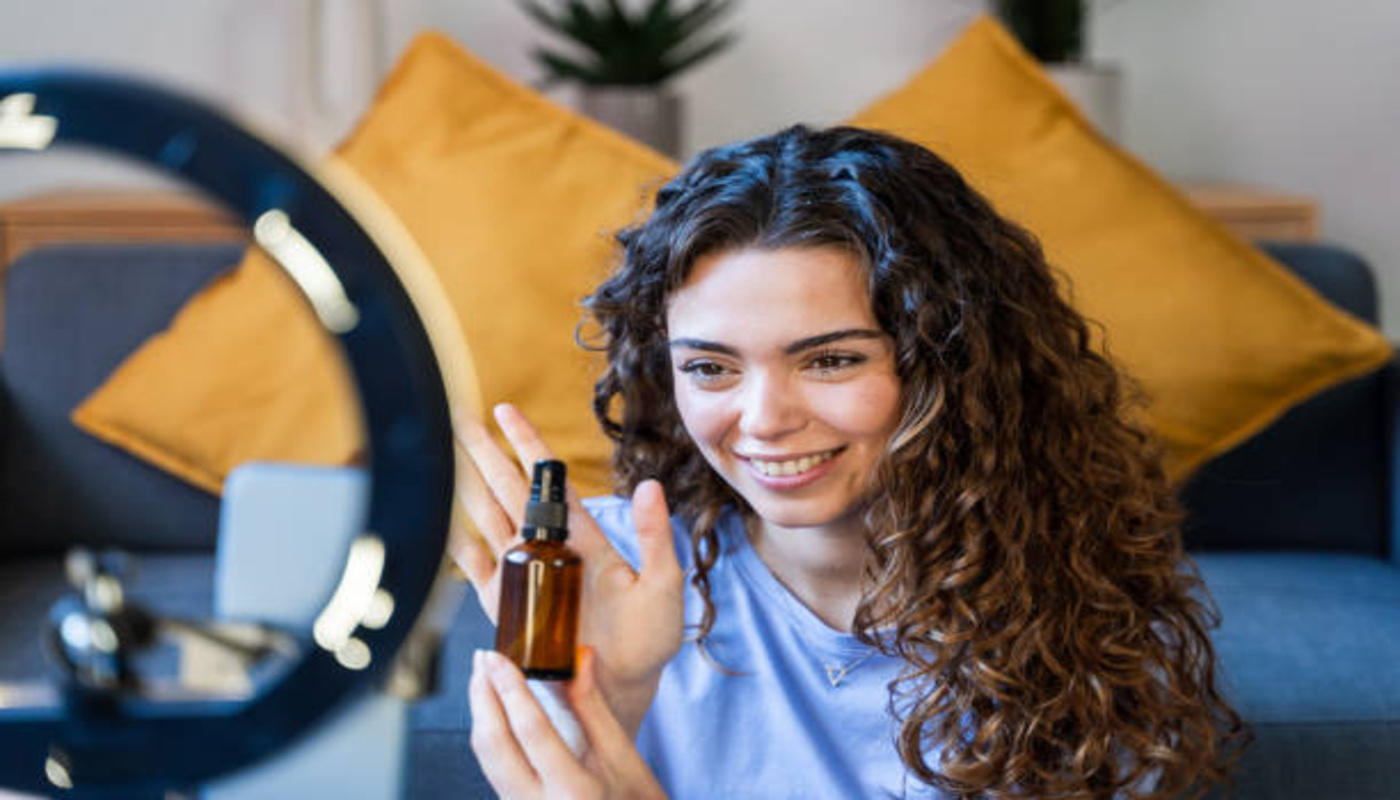
Today, a single 60-second video filmed in a bedroom can generate millions of views, spark international conversations, encourage journalists to investigate corporate practices, and compel global beauty brands to issue public statements. Beauty consumers are no longer simply shoppers—they have become investigators, educators, advocates, and cultural critics.
This shift represents something larger than social media influence. It signals a redistribution of cultural power. Beauty standards are no longer created exclusively by corporations and celebrities. Increasingly, they are negotiated publicly through communities that question marketing claims, challenge exclusionary practices, celebrate diverse identities, and demand transparency.
TikTok activism is not perfect. Viral outrage can oversimplify complex issues, algorithms reward emotional intensity, and misinformation occasionally spreads alongside legitimate criticism. Yet despite these challenges, the platform has undeniably become one of the most influential spaces where beauty companies are held accountable—not only for the products they sell, but also for the values they represent.
The story is not merely about cosmetics. It is about trust, identity, representation, ethics, and the evolving relationship between consumers and corporations in the digital age.
Beauty Consumers Are Becoming Beauty Watchdogs
Traditionally, accountability flowed slowly.
Companies launched products.
Consumers purchased them.
Market research eventually revealed satisfaction—or disappointment.
Months or years later, brands adjusted their strategies.
TikTok compresses that entire cycle into hours.
Consumers now document experiences in real time.
Foundation oxidation tests happen live.
Ingredient analyses reach millions overnight.
Accessibility concerns become visible through demonstrations.
Shade inclusivity is compared side by side.
Advertising promises are tested under everyday lighting rather than professional studio conditions.
This immediacy changes corporate incentives.
Instead of worrying only about quarterly sales reports, beauty companies must also anticipate how informed communities might evaluate every campaign, collaboration, and product launch.
Importantly, these creators are rarely presenting themselves as traditional activists. Many begin simply by reviewing products or sharing personal experiences. Yet collectively, they perform an activist function by encouraging critical thinking rather than passive consumption.
Their influence stems from credibility.
Audiences increasingly trust individuals who openly acknowledge product limitations over advertisements promising perfection.
Accountability Beyond Product Quality
TikTok activism has expanded the very definition of what beauty brands should be responsible for.
Consumers no longer ask only:
“Does this lipstick last?”
Instead, they ask:
- Who appears in your campaign?
- Who was excluded?
- Who formulated this product?
- Which communities were consulted?
- Are your sustainability claims accurate?
- Is your diversity commitment ongoing or seasonal?
- Does your accessibility extend beyond marketing?
- Are your influencer partnerships ethically managed?
Beauty accountability has evolved from product performance to corporate behavior.
This broader lens reflects changing cultural expectations.
Brands increasingly operate as public institutions that influence self-image, social values, and cultural narratives—not merely manufacturers of makeup and skincare.
The Rise of Educational Beauty Creators
One of TikTok’s most significant developments has been the popularity of educational creators.
Rather than encouraging impulsive purchases, many explain:
- ingredient science
- cosmetic chemistry
- dermatological research
- sunscreen regulations
- fragrance sensitivities
- formulation differences
- packaging sustainability
- marketing psychology
This educational ecosystem makes consumers more difficult to mislead.
Marketing phrases such as “clean,” “natural,” “medical-grade,” or “chemical-free” increasingly face scrutiny because knowledgeable creators explain their limitations and inconsistencies.
Education itself becomes activism.
Instead of demanding blind trust, creators encourage informed decision-making.
This represents a cultural shift from beauty aspiration toward beauty literacy.
Viral Videos Can Reshape Corporate Decisions
Unlike traditional consumer complaints, TikTok criticism often unfolds publicly.
Millions witness:
- product demonstrations
- consumer frustrations
- comparative testing
- campaign critiques
- accessibility barriers
The visibility changes corporate risk.
Brands understand that silence can sometimes amplify criticism.
Many now respond directly through:
- public statements
- reformulations
- expanded shade ranges
- updated advertising
- revised accessibility commitments
- influencer collaborations reflecting broader diversity
While not every response reflects genuine transformation, public visibility creates measurable incentives for change.
Companies increasingly recognize that reputation depends not only on image creation but also on responsive listening.
The Cultural Importance of Shade Inclusivity
Foundation shade ranges have become one of TikTok’s most discussed accountability topics.
Consumers across racial and ethnic backgrounds increasingly compare products publicly.
Rather than relying on promotional photography, creators test shades under natural lighting, compare undertones, and identify gaps affecting different communities.
These discussions extend beyond makeup.
They raise deeper questions.
Who is imagined as the “default” consumer?
Which skin tones receive product innovation first?
Whose purchasing power is prioritized?
Shade inclusivity therefore becomes a conversation about cultural belonging.
When consumers repeatedly demonstrate missing shades, companies encounter evidence that exclusion carries both ethical and commercial consequences.
Representation Is Becoming More Complex
Earlier beauty diversity conversations often focused primarily on race.
TikTok has broadened representation discussions considerably.
Creators advocate for greater visibility regarding:
- disability
- vitiligo
- albinism
- mature skin
- acne
- rosacea
- textured skin
- facial differences
- gender diversity
- religious identity
- cultural dress
- body diversity
Rather than asking brands to feature “perfect diversity,” creators increasingly call for authentic representation that extends beyond symbolic inclusion.
One campaign featuring a wheelchair user is no longer sufficient if accessibility remains absent elsewhere.
Representation is evaluated across product development, hiring, collaborations, retail experiences, and long-term partnerships.
Beauty Activism Is Challenging Perfection Culture
Many creators deliberately reject flawless aesthetics.
Visible pores.
Acne.
Hyperpigmentation.
Fine lines.
Stretch marks.
Freckles.
Uneven texture.
Instead of treating these features as imperfections requiring correction, creators normalize them.
This cultural shift matters psychologically.
When audiences repeatedly encounter ordinary human skin rather than digitally perfected imagery, unrealistic appearance expectations may gradually weaken.
Beauty becomes less about achieving impossible standards and more about expressing individuality.
TikTok therefore functions not only as a beauty marketplace but also as a cultural space where appearance norms are renegotiated.
When Marketing Language Faces Public Scrutiny
Beauty marketing increasingly relies on emotionally appealing language.
Terms such as:
- clean beauty
- toxin-free
- non-toxic
- natural
- dermatologist loved
- clinically proven
- revolutionary
receive careful examination from creators with scientific knowledge.
Many explain that marketing terminology often lacks standardized definitions.
Rather than dismissing entire brands, educational creators frequently encourage nuance.
A product may perform well while certain marketing claims remain exaggerated.
This balanced criticism improves public understanding without encouraging unnecessary fear.
The Global Nature of TikTok Accountability
Beauty activism no longer remains confined to individual countries.
A campaign launched in Paris can be analyzed within hours by creators in Lagos, Karachi, São Paulo, Seoul, London, Toronto, Jakarta, Dubai, and New York.
This global conversation introduces perspectives that traditional Western beauty marketing often overlooked.
Consumers compare:
- regional shade availability
- pricing disparities
- ingredient differences
- cultural representation
- advertising strategies
- accessibility across markets
Brands increasingly discover that global audiences notice inconsistencies.
A commitment presented in one country may be questioned elsewhere if practices differ significantly.
Digital globalization therefore expands corporate accountability beyond national boundaries.
Cross-Cultural Conversations Around Beauty
Different cultures define beauty differently.
TikTok allows these definitions to coexist rather than compete.
Creators discuss:
South Asian bridal traditions.
Middle Eastern skincare rituals.
African hair care knowledge.
Korean beauty innovation.
Japanese minimalist routines.
Latin American makeup aesthetics.
Indigenous beauty practices.
Instead of presenting one universal ideal, these conversations celebrate plurality.
This diversity challenges historical assumptions that beauty innovation flows primarily from Western industries.
Knowledge increasingly moves multidirectionally.
Consumers become curious about traditions beyond their own cultural experiences.
Influencers Are Also Being Held Accountable
TikTok activism extends beyond corporations.
Beauty influencers themselves increasingly face questions regarding:
- sponsorship transparency
- undisclosed advertisements
- excessive product promotion
- editing practices
- unrealistic demonstrations
- inconsistent reviews
Audiences increasingly distinguish between genuine recommendations and commercial partnerships.
Trust has become a valuable currency.
Creators who openly disclose sponsorships often build stronger long-term credibility than those presenting advertisements as personal opinions.
This shift benefits audiences seeking authenticity rather than persuasion.
Celebrity Beauty Brands Face New Expectations
Celebrity-founded beauty brands receive particularly close examination.
Consumers increasingly evaluate whether celebrity involvement reflects genuine long-term commitment or primarily marketing value.
Public interviews, documented campaigns, and educational content often influence these discussions.
For example, celebrities such as Selena Gomez have publicly spoken about self-acceptance while building inclusive branding around Rare Beauty, connecting product marketing with broader conversations about emotional well-being rather than unattainable perfection. Likewise, Rihanna’s launch of Fenty Beauty became a widely documented cultural milestone because its extensive foundation range challenged long-standing industry assumptions about who deserved comprehensive shade representation from day one.
These examples illustrate that celebrity influence alone is no longer enough.
Consumers increasingly expect meaningful consistency between public messaging and brand practices.
Accessibility Is Finally Entering the Conversation
Another emerging area of TikTok activism concerns accessibility.
Creators with disabilities demonstrate challenges including:
- difficult packaging
- unreadable labels
- inaccessible applicators
- website barriers
- limited visual descriptions
These videos reveal obstacles often overlooked during product development.
Rather than framing accessibility as charity, creators emphasize universal design.
Products designed for broader accessibility frequently improve experiences for everyone.
This perspective encourages companies to integrate accessibility into innovation rather than treating it as an afterthought.
Sustainability Claims Under Investigation
Environmental marketing has become another major accountability theme.
Consumers increasingly question:
- refill systems
- recyclable packaging
- excessive plastic
- ingredient sourcing
- greenwashing
- supply chain transparency
TikTok creators often compare marketing promises with actual packaging practices.
Rather than accepting sustainability claims at face value, audiences increasingly request evidence.
This pressure encourages more transparent environmental communication.
The Psychology of Collective Consumer Action
One reason TikTok activism feels powerful lies in collective validation.
Individuals who once believed their concerns were isolated discover thousands of people sharing similar experiences.
Psychologically, this reduces feelings of exclusion.
Someone unable to find foundation shades, frustrated by inaccessible packaging, or disappointed by misleading advertising no longer feels alone.
Shared experiences transform personal frustration into collective advocacy.
Community becomes a source of empowerment.
Rather than accepting exclusion as inevitable, consumers increasingly recognize their capacity to influence institutions.
The Risks of Viral Accountability
Despite its strengths, TikTok activism also presents important challenges.
Algorithms reward emotionally charged content.
Complex corporate decisions sometimes become simplified into heroes versus villains.
Context may disappear.
Constructive dialogue can occasionally be replaced by outrage.
Small mistakes may receive disproportionate attention, while meaningful long-term improvements attract comparatively little engagement.
Additionally, misinformation can spread quickly when users interpret scientific information without sufficient expertise.
Responsible creators increasingly acknowledge uncertainty, cite credible research, and correct previous errors publicly.
This willingness to revise positions strengthens credibility while encouraging healthier public discourse.
Accountability functions best when paired with fairness.
Why Beauty Brands Are Listening More Carefully
Many companies now actively monitor TikTok conversations because they recognize an important reality.
Consumers no longer distinguish sharply between marketing and corporate ethics.
A successful beauty brand increasingly depends upon:
- transparency
- representation
- responsiveness
- accessibility
- educational honesty
- cultural sensitivity
- consistent values
This does not mean brands should react impulsively to every viral controversy.
Rather, sustainable success increasingly depends upon cultivating genuine dialogue with communities.
Listening has become a strategic necessity.
From Consumers to Cultural Participants
Perhaps the most remarkable transformation is philosophical.
Beauty consumers once occupied the final stage of production.
Today they participate throughout the process.
They review prototypes.
Question campaigns.
Suggest improvements.
Share accessibility feedback.
Compare international launches.
Analyze advertising language.
Celebrate meaningful progress.
Critique inconsistency.
The relationship between companies and audiences has become more collaborative, even when disagreements occur.
Consumers increasingly expect to be heard—not simply marketed to.
The Future of Beauty Accountability May Be Collaborative Rather Than Confrontational
Looking ahead, the relationship between TikTok activists and beauty brands is likely to become more collaborative than purely adversarial. Many companies have begun recognizing that consumer criticism is not always an attack on their reputation but an opportunity to understand changing cultural expectations. Some brands now invite creators from diverse backgrounds to participate in product testing, accessibility consultations, or community feedback sessions before major launches. While these initiatives should not be viewed as complete solutions, they reflect an important shift away from one-directional marketing toward shared dialogue. Consumers increasingly expect to see transparency throughout a product’s journey—from formulation and packaging to advertising and customer support. This collaborative approach also benefits brands by helping them identify blind spots that internal teams may overlook. Rather than waiting for public backlash, companies that actively engage with community feedback often build stronger trust over time. Importantly, collaboration should never replace accountability; consumers still play a vital role in questioning inconsistencies and asking difficult questions. However, when brands genuinely demonstrate a willingness to learn, adapt, and communicate openly, activism can evolve from confrontation into constructive partnership. Such a model recognizes that meaningful cultural progress is rarely achieved through conflict alone but through ongoing conversations that respect both consumer experiences and the realities of creating products for diverse global audiences.
Digital Activism Is Redefining What Responsible Beauty Leadership Looks Like
The influence of TikTok activism extends far beyond the beauty aisle because it reflects a broader transformation in how people expect businesses to behave in the digital age. Younger generations, in particular, increasingly evaluate brands not only by product quality but also by their willingness to engage honestly with criticism, acknowledge mistakes, and demonstrate continuous improvement. This expectation has encouraged beauty companies to think beyond seasonal campaigns and consider the long-term cultural messages they communicate. Responsible leadership now involves listening to communities that have historically been overlooked, investing in inclusive innovation, and ensuring that commitments to diversity, accessibility, and sustainability remain consistent rather than temporary marketing strategies. At the same time, consumers are also becoming more discerning, recognizing that meaningful progress requires patience, evidence, and ongoing dialogue instead of instant perfection. This balanced perspective helps prevent accountability from becoming performative while encouraging lasting structural change. Ultimately, TikTok has shown that beauty is no longer defined solely by appearance or aspiration—it is increasingly shaped by transparency, trust, empathy, and shared responsibility. In this evolving environment, the brands most likely to succeed will be those that understand accountability not as a threat to their image but as an essential foundation for building authentic and enduring relationships with the communities they hope to serve.
Conclusion: Accountability Is Becoming Part of Beauty Culture
TikTok has not solved the beauty industry’s longstanding challenges. Unrealistic standards, commercial pressures, and unequal representation continue to shape many aspects of global beauty culture. Viral criticism alone cannot replace thoughtful policymaking, ethical leadership, or sustained institutional change.
Yet the platform has undeniably altered who gets to participate in conversations about beauty.
Instead of relying exclusively on executives, advertisers, fashion editors, or celebrities to define standards, ordinary people now contribute meaningfully to cultural debates about inclusion, transparency, accessibility, sustainability, and authenticity. A teenager reviewing foundation shades, a creator explaining ingredient science, a disability advocate demonstrating inaccessible packaging, or a consumer questioning a marketing claim can influence discussions that once unfolded only behind corporate doors.
The most significant outcome may not be that brands occasionally reformulate products or revise campaigns. It is that beauty itself is gradually being redefined as a social relationship rather than a one-way commercial message. Accountability encourages dialogue, dialogue builds trust, and trust ultimately creates stronger brands alongside more informed consumers.
As beauty becomes increasingly global, digitally connected, and culturally diverse, companies that embrace genuine listening rather than performative responsiveness are likely to remain relevant. Likewise, consumers who combine curiosity with critical thinking will continue shaping an industry that reflects a wider range of experiences, identities, and definitions of beauty.
In that evolving landscape, TikTok activism is less about cancelling brands than about encouraging them to grow alongside the communities they serve.
Sources: Harvard Business Review, The New York Times, BBC, Vogue Business, Business of Fashion, Allure, Teen Vogue, Glossy, Cosmetics Business, WWD, Forbes, Fast Company, The Guardian, Reuters, Psychology Today, American Psychological Association, McKinsey & Company