 by
by For decades, the word polished carried a remarkably narrow visual script. It meant wrinkle-free clothing, immaculate hair, flawless skin, carefully coordinated makeup, manicured nails, and an appearance that suggested complete control over every visible detail. Looking polished was often synonymous with looking expensive, disciplined, and socially acceptable. It rewarded conformity far more than individuality.
Then Gen Z arrived—and rather than rejecting polish altogether, they quietly rewrote its definition.
Today’s twenty-somethings still value intentionality, self-expression, and professionalism, but they increasingly separate these qualities from rigid beauty standards. They question whether expensive fashion automatically looks sophisticated, whether natural skin needs to be hidden beneath heavy foundation, whether luxury labels equal confidence, and whether professionalism should require suppressing visible aspects of personal identity.
This shift is larger than aesthetics. It reflects changing ideas about mental wellbeing, digital authenticity, workplace culture, sustainability, gender expression, disability inclusion, and cultural representation. The conversation has moved beyond asking, “How do I look perfect?” toward asking, “Does my appearance genuinely represent who I am?”
In many ways, Gen Z is not making polish disappear.
They are making it more human.
The Traditional Idea of “Looking Polished”
For much of the twentieth century, appearance functioned almost like a social résumé.
A polished individual was expected to display visible signs of discipline:
- Perfectly styled hair
- Clear, uniform skin
- Tailored clothing
- Neutral makeup
- Minimal individuality
- Hidden imperfections
- Quiet luxury aesthetics long before the term became fashionable
Corporate workplaces reinforced these expectations. Fashion magazines celebrated them. Beauty advertising amplified them. School dress codes often mirrored them.
Being polished was less about comfort than about demonstrating respectability.
Historically, these standards also reflected economic privilege. Maintaining flawless hair, fresh manicures, frequent dry cleaning, luxury cosmetics, and trend-conscious wardrobes required significant financial investment and leisure time.
Polish became something many people were expected to achieve but not everyone could realistically afford.
Gen Z Grew Up Watching Perfection Online
Unlike previous generations, Gen Z spent adolescence surrounded by high-definition digital beauty.
Instagram filters.
YouTube beauty tutorials.
Perfect Pinterest aesthetics.
Face-editing apps.
Influencer culture.
For years, social media rewarded visual perfection through algorithms.
Yet something unexpected happened.
Growing up immersed in impossible beauty standards also made Gen Z unusually skilled at recognizing them.
Many openly discuss:
- edited photos
- unrealistic influencer lifestyles
- cosmetic filters
- algorithmic beauty bias
- digital comparison
- appearance anxiety
Instead of aspiring to perfect images indefinitely, many began questioning why perfection felt exhausting in the first place.
The backlash wasn’t necessarily against beauty.
It was against performative perfection.
The Rise of Intentional Imperfection
One of Gen Z’s most interesting cultural contributions is the normalization of intentional imperfection.
Hair doesn’t always have to be perfectly curled.
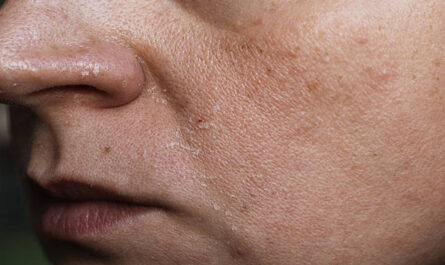
Skin texture doesn’t need complete erasure.
Eyebrows don’t need identical symmetry.
Outfits don’t have to appear untouched.
Instead, polished increasingly means:
“I made conscious choices.”
rather than
“I erased every flaw.”
That subtle distinction changes everything.
Intentionality has replaced perfection as the primary signal of care.
Skin Texture Became More Acceptable
Beauty advertising historically sold flawless skin as the baseline.
Pores disappeared.
Freckles vanished.
Acne scars were removed.
Lines were softened.
Gen Z entered adulthood during the rise of conversations about retouching, digital editing, and unrealistic beauty marketing.
Many creators now intentionally leave:
- pores visible
- freckles untouched
- smile lines
- skin texture
- hyperpigmentation
- healed acne marks
This does not mean skincare has become unimportant.
Ironically, skincare has become more important than ever.
The difference is that healthy skin is increasingly valued over artificially perfect skin.
There is growing appreciation for maintenance rather than concealment.
“Clean Girl” Was Never the Final Destination
The Clean Girl aesthetic exploded across TikTok.
Minimal makeup.
Slick buns.
Gold hoops.
Neutral tones.
Hydrated skin.
Many observers initially interpreted this as a return to traditional beauty standards.
Yet the trend soon received criticism.
People pointed out that “effortless” often required expensive products, naturally cooperative hair textures, cosmetic treatments, and considerable time.
Eventually, Gen Z itself began questioning the aesthetic.
The conversation shifted from:
“This is the only polished look.”
to
“This is one option among many.”
That distinction matters because it expands—not restricts—the definition of beauty.
Personal Style Is Becoming More Valuable Than Trend Compliance
Previous generations often followed seasonal trends more closely.
Gen Z frequently mixes:
- vintage clothing
- luxury handbags
- thrifted jackets
- handmade jewelry
- sneakers
- cultural garments
- independent designers
Consistency of identity matters more than consistency with trend cycles.
Someone may wear oversized suits every day.
Another may embrace maximalist color.
Another chooses monochrome minimalism.
Another builds an entire wardrobe around traditional textiles.
Each can still appear polished because the look feels authentic rather than copied.
The Workplace Is Quietly Changing Too
Professional appearance standards are evolving alongside younger employees entering the workforce.
Many companies now accept:
- visible tattoos
- textured natural hair
- colorful clothing
- modest fashion
- gender-neutral styling
- natural curls
- protective hairstyles
While many industries still maintain formal expectations, there is increasing recognition that professionalism cannot be reduced to one specific aesthetic.
Remote work accelerated this shift.
Video calls exposed the reality that people live in homes—not perfectly curated office environments.
Professionalism increasingly became associated with:
- preparedness
- communication
- competence
- reliability
rather than identical appearance.
The Luxury Symbol Is No Longer the Loudest One
Previous generations often associated polished appearances with obvious displays of wealth.
Luxury handbags.
Designer logos.
High-end labels.
Statement jewelry.
Gen Z certainly enjoys luxury fashion, but ownership alone no longer defines sophistication.
Instead, polish increasingly comes from:
- fit
- styling
- confidence
- sustainability
- personal storytelling
Vintage clothing, repaired garments, and second-hand fashion now frequently carry cultural value.
The narrative behind clothing sometimes matters more than the price tag.
Sustainability Changed Fashion Psychology
Environmental awareness has transformed appearance culture.
Buying fewer, better items often feels more intentional than chasing every seasonal trend.
Many Gen Z consumers proudly wear:
- repaired denim
- visible mending
- thrifted coats
- inherited jewelry
- vintage leather
- rental fashion
Rather than hiding the history of clothing, they celebrate it.
The polished wardrobe increasingly includes garments with stories.
Hair Is Becoming More Personal Than Performative
Hair has always communicated identity.
Today, younger generations increasingly resist the expectation that every texture should resemble one ideal.
Natural curls.
Protective hairstyles.
Grey hair at younger ages.
Buzz cuts.
Long layered styles.
Hijabs styled creatively.
Head coverings from multiple cultures.
Rather than suggesting one polished hairstyle, Gen Z often emphasizes healthy hair that reflects individual preference.
The conversation has shifted from correction toward expression.
Makeup Is Becoming More Flexible
The beauty industry once divided makeup into two extremes:
Full glam or completely natural.
Gen Z largely rejects this binary.
Some wear graphic eyeliner with bare skin.
Others wear bold blush but skip foundation.
Many alternate between elaborate artistry one day and no makeup the next.
Makeup increasingly functions as creative expression instead of mandatory correction.
That flexibility represents a profound cultural shift.
Men Are Expanding the Definition of Grooming
Another important transformation involves masculinity.
Young men increasingly discuss:
- skincare
- sunscreen
- fragrance
- haircare
- nail care
- fashion experimentation
Without automatically framing these interests as feminine.
Public figures including musicians, athletes, and actors have helped normalize broader conversations around male grooming and personal style through campaigns, interviews, and fashion collaborations.
Looking polished is becoming less about performing traditional masculinity and more about presenting oneself intentionally.
Beauty Is Becoming More Culturally Diverse
Global social media has exposed audiences to beauty traditions from every continent.
Instead of one dominant Western ideal, Gen Z regularly encounters:
- Korean skincare philosophies
- Japanese minimalist beauty
- South Asian jewelry traditions
- African protective hairstyles
- Middle Eastern fragrance culture
- Indigenous textile craftsmanship
- Latin American beauty rituals
Rather than replacing one standard with another, many young people appreciate multiple definitions of elegance simultaneously.
Cross-cultural inspiration has expanded—not erased—local identity.
Modest Fashion Is Redefining Elegance
One significant cultural development has been the mainstream recognition of modest fashion.
Influencers, designers, and creators from Muslim communities have demonstrated that sophistication does not require revealing silhouettes.
Flowing tailoring.
Structured abayas.
Contemporary hijab styling.
Layered fashion.
Elegant monochrome palettes.
These approaches challenge older assumptions that modesty and fashion creativity cannot coexist.
Instead, they reveal that polish is fundamentally about intention, craftsmanship, and confidence—not skin exposure.
Disability Visibility Is Changing Beauty Conversations
Traditional beauty standards often assumed ideal bodies moved, functioned, and appeared in very specific ways.
Gen Z has increasingly embraced creators with disabilities whose content centers fashion, makeup, accessibility, and daily life without reducing identity to disability alone.
Mobility aids appear in fashion photography.
Adaptive clothing receives greater attention.
Visible medical devices are increasingly represented in campaigns.
These developments redefine polish by recognizing that elegance includes diverse lived experiences rather than excluding them.
Emotional Authenticity Became Part of Appearance
Perhaps the biggest shift is psychological rather than visual.
Older beauty ideals often suggested that appearing composed meant concealing emotional reality.
Gen Z frequently rejects that expectation.
Many creators openly discuss:
- burnout
- anxiety
- confidence
- boundaries
- therapy
- self-image
This emotional transparency influences appearance culture.
Looking polished no longer necessarily means appearing emotionally untouched.
It can also mean appearing emotionally honest.
Celebrity Influence Has Changed Too
The celebrities resonating with younger audiences often embrace greater visual authenticity than previous generations were encouraged to display.
Singer-songwriter Billie Eilish has repeatedly spoken in interviews about resisting expectations placed on young women’s bodies and clothing, using fashion as a form of personal autonomy rather than public approval. Her evolving style has sparked wider discussions about self-expression and the pressures of being constantly observed.
Actor Florence Pugh has publicly challenged criticism of her clothing choices, encouraging conversations about body autonomy and the right to dress without being reduced to appearance alone.
Model and entrepreneur Paloma Elsesser has worked with major luxury fashion houses while advocating for broader representation in fashion, demonstrating that high fashion can expand beyond historically narrow body ideals.
These examples are significant not because they eliminate beauty standards but because they diversify the public image of confidence and sophistication.
Social Media Is Rewarding Personality More Than Perfection
Algorithms still favour visually appealing content.
However, audiences increasingly reward relatability.
Creators who share:
- realistic routines
- honest product reviews
- outfit repeats
- personal stories
- creative experimentation
often develop stronger long-term communities than those presenting unattainable perfection alone.
Authenticity itself has become aesthetically valuable.
The Psychology Behind the Shift
Psychologists have long noted that identity formation accelerates during adolescence and early adulthood.
Gen Z experienced these developmental years alongside unprecedented digital exposure.
As a result, many became highly aware of social comparison.
Rather than accepting appearance rules passively, they frequently interrogate them.
Questions like:
“Who benefits from this beauty standard?”
“Does this trend actually make me feel confident?”
“Am I dressing for myself or for an algorithm?”
have entered mainstream cultural conversation.
These questions signal a broader movement toward reflective rather than automatic participation in beauty culture.
The Risks of Turning Authenticity Into Another Performance
Still, this cultural shift is not without contradictions.
Even authenticity can become performative.
The pressure to look “effortlessly natural” may require expensive skincare, curated wardrobes, carefully styled messy hair, and highly selective social media posting.
Similarly, sustainability aesthetics can become status symbols.
Minimalism can become competitive.
Thrifting can become trend-driven.
Rejecting perfection does not automatically eliminate appearance pressure.
Instead, the standards often evolve into subtler forms.
Recognizing these contradictions allows for a more balanced understanding of Gen Z culture rather than romanticizing it.
A New Definition of Polish
Perhaps Gen Z’s greatest contribution is expanding rather than replacing the meaning of polish.
Polished no longer belongs exclusively to luxury fashion.
Or flawless skin.
Or expensive beauty routines.
Or rigid professionalism.
Instead, polish increasingly reflects alignment.
An appearance that aligns with personal identity.
With cultural heritage.
With values.
With comfort.
With creativity.
With confidence.
Someone wearing vintage denim and visible freckles can appear polished.
Someone wearing a sharply tailored suit can appear polished.
Someone wearing an embroidered abaya can appear polished.
Someone wearing natural curls, protective styles, or silver hair can appear polished.
Someone wearing bold artistic makeup—or none at all—can appear polished.
The definition has become more democratic.
The Global South Is Shaping the Future of Polish Too
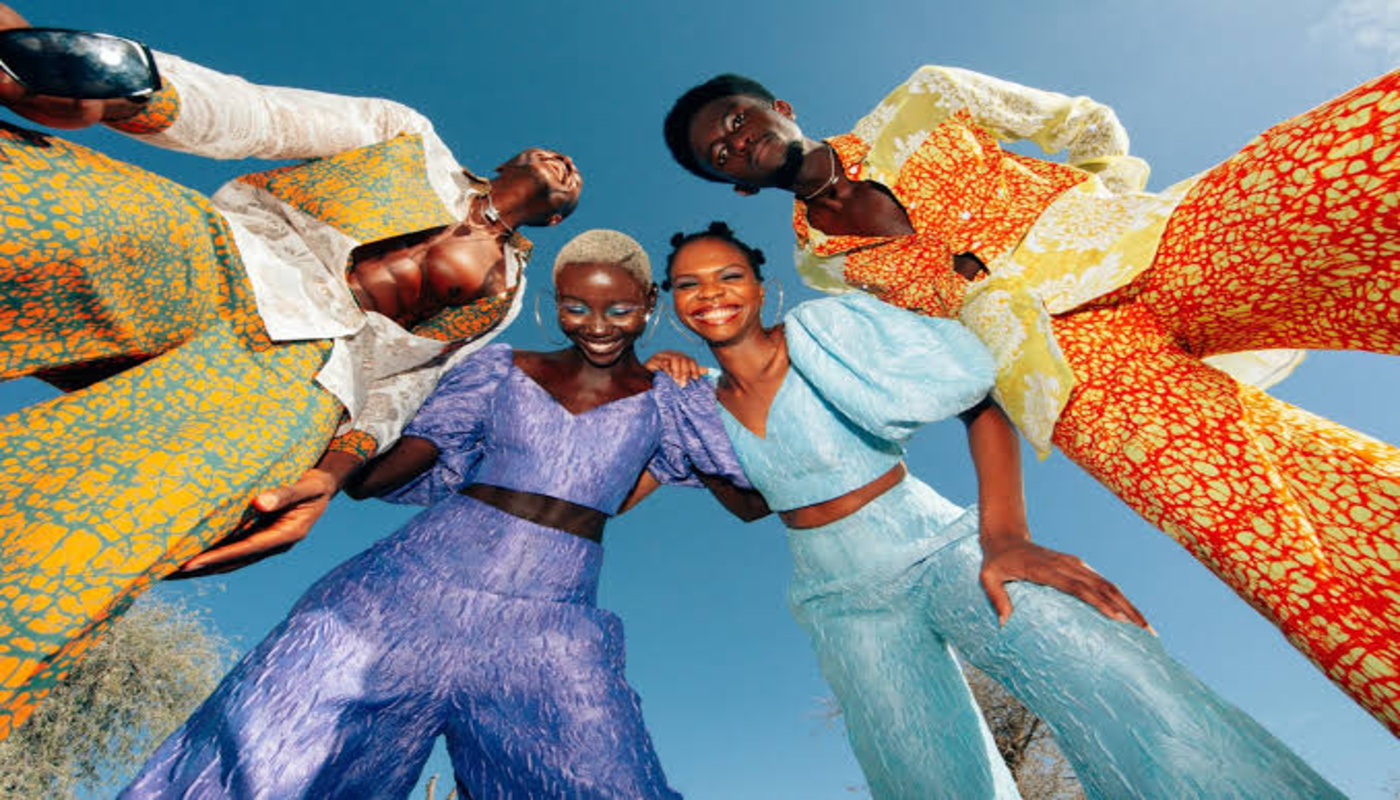
An equally important dimension of this cultural shift is emerging beyond North America and Western Europe. Across the Global South, Gen Z is redefining polished by blending contemporary aesthetics with local traditions instead of treating them as opposites. In Pakistan, India, Nigeria, Indonesia, South Africa, Mexico, and many other countries, younger generations increasingly wear handcrafted textiles, regional embroidery, indigenous jewelry, and traditional silhouettes alongside sneakers, tailored blazers, or minimalist accessories. Social media has made these hybrid styles highly visible, allowing creators to celebrate cultural heritage without presenting it as outdated or incompatible with modern life. Rather than viewing Western fashion as the ultimate benchmark of sophistication, many young people proudly incorporate garments that carry family history, artisanal craftsmanship, or religious significance. This evolution also supports local designers and small businesses that preserve centuries-old techniques while adapting them for contemporary wardrobes. The result is a broader understanding of elegance that values cultural continuity as much as innovation. Looking polished no longer requires appearing culturally neutral or globally interchangeable. Instead, Gen Z increasingly demonstrates that confidence can be rooted in authenticity to one’s own community while remaining open to global influences. This balance between heritage and experimentation reflects a generation that sees identity as layered rather than singular, and fashion as a conversation rather than a competition.
Brands Are Learning That Polish Cannot Be One-Size-Fits-All
Businesses have also been forced to rethink how they define polished, particularly as Gen Z becomes an increasingly influential consumer group and workforce. Fashion houses, beauty companies, and lifestyle brands are discovering that campaigns built around a single ideal of sophistication often fail to resonate with audiences seeking representation and authenticity. Consumers now pay closer attention to casting choices, inclusive shade ranges, adaptive clothing options, modest fashion collections, and marketing that reflects diverse cultures, ages, body types, and gender expressions. Increasingly, brands are rewarded not simply for displaying diversity, but for integrating it meaningfully into product design, leadership, storytelling, and long-term commitments. At the same time, younger audiences remain highly critical of performative inclusion, quickly identifying campaigns that appear disconnected from genuine organizational values. This scrutiny has encouraged many companies to collaborate directly with creators, designers, and communities whose lived experiences shape more authentic narratives. In this environment, polish has become less about projecting an untouchable image and more about building trust through transparency, consistency, and respect. The brands most likely to thrive in the coming years will be those that understand sophistication is no longer defined by exclusivity alone, but by their ability to make more people feel seen, valued, and genuinely represented.
Conclusion: From Looking Perfect to Looking Present
Every generation inherits beauty rules, but not every generation rewrites them.
Gen Z has approached appearance with curiosity rather than unquestioning acceptance. Instead of abandoning beauty, they have challenged the assumption that beauty must always be uniform, expensive, flawless, or emotionally distant. Their version of being polished is less about proving worth through perfection and more about communicating intention through authenticity.
This cultural transformation reaches beyond wardrobes and makeup bags. It influences hiring practices, advertising campaigns, fashion design, product development, education, and public conversations about identity. Brands are increasingly expected to represent diverse communities not as exceptions but as integral parts of modern life. Workplaces are reconsidering dress codes that disproportionately affect cultural and personal expression. Consumers are rewarding transparency, craftsmanship, and individuality alongside aesthetics.
The future of polish is unlikely to settle into a single new ideal. Instead, it will continue expanding as societies become more interconnected and as younger generations question inherited assumptions. Artificial intelligence, virtual fashion, digital identities, and evolving workplace norms will undoubtedly introduce new definitions of presentation. Yet the central lesson Gen Z has already established may endure: appearance is most compelling when it reflects genuine self-understanding rather than rigid conformity.
In redefining what it means to look polished, Gen Z is ultimately redefining what it means to be seen. Instead of asking people to erase the details that make them distinctive, this generation increasingly celebrates polish as the art of showing up thoughtfully, confidently, and authentically—proof that elegance is no longer measured by perfection, but by presence.
Sources: Vogue, Harper’s Bazaar, The New York Times, The Washington Post, BBC, The Guardian, Business of Fashion, McKinsey & Company, Pew Research Center, American Psychological Association, World Economic Forum, WGSN, Allure, Teen Vogue, Forbes