 by
by Introduction: When the Bodies Left Out of the Picture Found Their Own Platforms
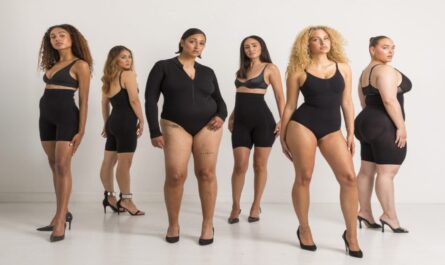
For decades, the world learned what an acceptable body looked like through a remarkably narrow collection of images. Fashion magazines celebrated particular proportions. Television and cinema repeatedly positioned certain physiques as romantic ideals, while others appeared as comic relief, cautionary examples, or characters whose stories revolved around their appearance. Clothing advertisements presented limited size ranges, beauty campaigns promoted restrictive ideals, and popular culture often treated physical differences as problems requiring correction rather than ordinary expressions of human diversity.
Then social media began changing who could participate in the conversation.
A person with a disability could share a photograph without waiting for a fashion editor’s approval. A plus-size woman could demonstrate how an outfit looked on her body rather than relying on a retailer’s carefully selected model. A trans creator could discuss the relationship between clothing, gender expression, and physical comfort. Someone with vitiligo could display their skin without concealing its patterns. People with visible scars, limb differences, stretch marks, or bodies that did not conform to conventional beauty standards could speak directly to audiences who had rarely encountered their experiences in mainstream media.
This shift was more significant than an increase in representation. It changed the relationship between visibility and authority.
Previously, marginalized bodies were frequently represented by institutions that held the power to interpret their appearance. Social media made it possible for people to represent themselves, challenge prevailing assumptions, and build communities around experiences that traditional media had overlooked.
However, the transformation has never been entirely straightforward. Platforms that make marginalized bodies visible can also expose them to harassment, unrealistic beauty expectations, commercial exploitation, and algorithmic discrimination. Some creators become celebrated precisely because their bodies are considered exceptional, while others continue to struggle for recognition. The same digital environment that encourages body acceptance can reward appearance-based comparison.
Understanding this contradiction is essential to understanding social media’s cultural influence.
The story is not simply that social media made beauty more inclusive. It is that ordinary people acquired new opportunities to question who defines beauty, whose experiences deserve attention, and why certain bodies have historically been excluded from public life.
The resulting movement has reshaped fashion, advertising, disability advocacy, gender expression, mental health conversations, and the everyday experience of inhabiting a body that does not fit conventional expectations.
Most importantly, it has demonstrated that representation is not merely about being seen. It is also about being heard, believed, respected, and allowed to exist without having to justify one’s appearance.
1. Before Social Media, Visibility Was Controlled by a Few Powerful Institutions
To understand the cultural significance of social media, it helps to examine the media environment that preceded it.
For much of the twentieth century, mass representation depended on a relatively small number of institutions: publishing houses, television networks, film studios, advertising agencies, and fashion magazines. These organizations decided which faces and bodies would appear in prominent positions and which would remain largely invisible.
Although representation varied across countries and historical periods, particular physical characteristics repeatedly received favorable treatment. Thinness, youthfulness, able-bodiedness, and conformity to culturally dominant beauty standards frequently influenced who was presented as desirable, fashionable, or successful.
These standards were never universal. Different communities valued different features, and beauty ideals changed over time. Nevertheless, commercial media often elevated a narrow selection of appearances while marginalizing people who fell outside its preferred image.
A plus-size woman might encounter a limited selection of clothing advertisements featuring bodies similar to hers. A wheelchair user could struggle to find fashion campaigns in which disability was unrelated to a medical narrative. Someone with a visible skin difference might see their appearance discussed primarily in the context of concealment, treatment, or transformation.
The problem extended beyond the absence of particular bodies.
When people repeatedly encounter representations of others who resemble the dominant ideal, they may begin to interpret that ideal as the natural standard against which everyone should be measured. Conversely, when people rarely see themselves reflected in cultural narratives, they may experience the absence as evidence that their bodies are unusual, undesirable, or socially inconvenient.
Media representation therefore influences more than aesthetic preferences. It can shape expectations about romance, employment, clothing, public participation, and belonging.
Social media disrupted this system by reducing the distance between creating an image and distributing it.
A person no longer necessarily needed an invitation from a magazine, an advertising agency, or a television producer to publish their experiences. A smartphone, an internet connection, and a social platform could provide an entry point into public conversation.
This did not eliminate traditional gatekeepers. Instead, it created additional channels through which people could contest their authority.
The cultural importance of this development lies in the redistribution of narrative power. Marginalized individuals could become the authors of their own representation rather than remaining subjects of someone else’s interpretation.
2. Hashtags Turned Private Frustrations into Collective Conversations
One of social media’s most consequential features is its ability to connect people who might otherwise believe their experiences are isolated.
Before online communities became widespread, someone struggling to find fashionable plus-size clothing, navigate inaccessible public spaces, or cope with unwanted comments about a visible difference might have had few opportunities to compare experiences with others.
Social media made these encounters easier.
Hashtags such as #BodyPositivity, #BodyAcceptance, #EffYourBeautyStandards, and #DisabledAndCute helped users discover conversations beyond their immediate social circles. Different communities developed their own language, traditions, and forms of solidarity.
These hashtags did more than organize content. They created recognizable entry points into discussions that had often been fragmented or dismissed.
Consider the cultural meaning of seeing hundreds of people discuss the same experience of being excluded from mainstream clothing sizes. An individual problem can begin to look less like a personal failure and more like a pattern in how products are designed, marketed, and distributed.
Similarly, when disabled users describe inaccessible changing rooms, restrictive seating arrangements, or fashion campaigns that treat disability as an afterthought, their experiences can reveal structural problems rather than isolated inconveniences.
This process is closely related to collective identity formation.
People begin recognizing shared experiences, developing common language, and identifying social expectations they previously accepted without question. They can also exchange practical information, recommend inclusive businesses, challenge stereotypes, and organize campaigns for change.
The psychological effects can be meaningful.
Finding a community that understands an experience may reduce feelings of isolation. Seeing people with similar bodies living varied, fulfilling lives can broaden the possibilities individuals imagine for themselves. Peer conversations can also challenge the assumption that social exclusion reflects an individual’s personal inadequacy.
Yet hashtags are not automatically inclusive.
A movement can attract widespread attention while reproducing inequalities within its own community. Popular accounts may receive more visibility than users with limited resources, less conventional appearances, disabilities, or experiences that do not fit easily into familiar narratives.
Hashtags can also become commercial trends detached from their original political purpose.
A company may adopt the language of body acceptance while offering limited sizes or inaccessible products. A campaign may celebrate diversity visually without changing its hiring practices or manufacturing decisions.
The lasting value of these digital communities therefore depends on what happens beyond the hashtag. Awareness matters, but meaningful inclusion also requires changes in material conditions, institutional practices, and everyday behavior.
3. Plus-Size Creators Challenged the Idea That Fashion Belongs to Smaller Bodies
Fashion has been one of the most visible arenas in which social media has challenged established body hierarchies.
For years, mainstream fashion imagery frequently treated smaller bodies as the default. Plus-size consumers often encountered fewer style options, limited product photography, and cultural messages suggesting that their clothing choices should prioritize concealment.
Social media offered an alternative.
Plus-size creators began posting outfit photographs, styling demonstrations, shopping reviews, and discussions about fit. Instead of waiting for conventional fashion publications to determine whether their bodies were suitable for editorial attention, they created their own visual platforms.
This change had practical as well as symbolic consequences.
A retailer’s product photograph might communicate how an outfit looks on a model selected according to conventional fashion standards. A creator wearing the same garment in a different size can show how its proportions, fabric, seams, and silhouette behave on another body.
These demonstrations can help consumers make more informed purchasing decisions. They can also expose inconsistencies between a brand’s advertised size range and the actual availability of its products.
Social media has consequently allowed marginalized consumers to function as critics, stylists, educators, and cultural commentators.
Creators such as fashion advocate and author Tess Holliday have contributed to public conversations about size discrimination and the right to occupy visible spaces within fashion. Her widely discussed modeling career challenged assumptions about which bodies could be considered commercially marketable.
The broader significance, however, extends beyond individual public figures.
Thousands of smaller creators have used ordinary outfit posts to challenge the idea that fashion should be reserved for bodies meeting a particular measurement standard. Their work demonstrates that personal style is not a reward granted after achieving an approved appearance.
A person can enjoy color, experiment with silhouettes, wear fitted clothing, embrace dramatic styling, or follow changing trends without treating weight loss as a prerequisite.
This represents a subtle but important shift in cultural authority.
Historically, marginalized consumers were frequently positioned as people who needed advice about what they should wear to appear smaller or less noticeable. Social media helped reposition them as people whose aesthetic preferences and creative decisions deserve attention in their own right.
Nevertheless, commercial inclusion remains uneven.
Some brands celebrate body diversity in promotional imagery while maintaining restricted size ranges. Others expand their sizing but fail to account for the different proportions of bodies across the range. Inclusive photographs cannot compensate for products that consumers cannot actually purchase.
The most meaningful progress occurs when representation and accessibility reinforce one another.
Fashion becomes more inclusive when a wider range of bodies appears in campaigns, receives thoughtful styling, influences design decisions, and has access to clothing that fits comfortably and reflects individual taste.
The goal is not simply to place larger bodies inside existing fashion systems. It is to question why those systems excluded them in the first place.
4. Body Positivity Expanded the Meaning of Beauty, but Its Limits Became Visible
The online body-positive movement helped popularize the idea that people should not have to conform to narrow appearance standards to deserve dignity.
Its influence extended into conversations about weight stigma, stretch marks, cellulite, scars, aging, and other features frequently presented as imperfections.
Social media made these discussions more personal.
Rather than encountering body acceptance only as an abstract message, users could follow people discussing their everyday experiences. Creators shared photographs in which their bodies appeared without the extensive concealment common in traditional beauty advertising. Others discussed the emotional consequences of years spent attempting to change themselves to meet external expectations.
This visibility helped challenge the assumption that confidence must follow physical transformation.
However, body positivity developed a tension of its own.
In some online spaces, the movement became closely associated with celebrating one’s appearance, posting flattering photographs, and learning to love every part of the body. Although these practices can be empowering, they can also create a new expectation: that people should always feel beautiful, confident, and enthusiastic about their appearance.
For individuals living with chronic pain, body-related dysphoria, disability, trauma, or persistent appearance-based discrimination, this expectation can feel unrealistic.
Not everyone experiences their body as a source of uncomplicated pride. Some people feel neutral about their appearance. Others experience frustration, discomfort, grief, or ambivalence without believing that their bodies deserve mistreatment.
A more expansive approach recognizes that respect should not depend on a person’s ability to feel beautiful.
Body neutrality and related approaches have consequently become important in discussions about sustainable body acceptance. These perspectives emphasize that people can care for themselves, participate in public life, and deserve dignity even when they do not particularly like how they look.
This distinction matters psychologically.
If self-worth depends on feeling attractive, it remains vulnerable to changing appearances, social comparison, and other people’s judgments. If dignity is treated as a basic entitlement, individuals have more room to experience complicated feelings without interpreting them as personal failures.
Social media has helped popularize both body positivity and its critiques.
That evolution illustrates an important characteristic of digital activism: movements can become spaces where their own assumptions are questioned and revised.
The most productive outcome is not a universal demand to love every body. It is a broader cultural recognition that no one should have to earn respect through beauty, confidence, or emotional positivity.
5. Disability Visibility Challenged the Separation Between Fashion and Accessibility
Disability representation provides another important example of how social media has changed the conversation about marginalized bodies.
Traditional media has often presented disabled people through a limited range of narratives. Some portrayals emphasize overcoming adversity, while others frame disability primarily through medical treatment, tragedy, or extraordinary achievement.
These narratives can obscure ordinary experiences: getting dressed, choosing a hairstyle, going to work, attending a wedding, enjoying a hobby, or wanting to look fashionable.
Social media has created opportunities for disabled creators to discuss these experiences in their own voices.
The hashtag #DisabledAndCute, created by disability activist Keah Brown in 2017, became a notable example. The movement invited disabled people to share photographs of themselves and celebrate their appearance without making disability an obstacle that needed to be overcome before they could participate.
Its cultural significance lay partly in its simplicity.
The photographs did not need to tell inspirational stories. Participants did not need to demonstrate exceptional bravery, explain a medical history, or justify their presence. They could simply present themselves as people who deserved to enjoy being seen.
This challenged a familiar cultural assumption: that disabled bodies become publicly acceptable primarily when they serve a lesson about resilience.
Disability advocates, including creators such as Molly Burke, have also used digital platforms to discuss accessibility, public misconceptions, and the everyday realities of navigating environments designed around particular assumptions about the human body.
These conversations connect representation with practical design.
An inclusive fashion industry must consider more than the size of a garment. It must also account for mobility, dexterity, sensory needs, seated body positions, assistive devices, and the practical requirements of dressing independently.
Adaptive clothing, for example, can incorporate magnetic fastenings, alternative closures, adjustable openings, or designs that make dressing easier for people with particular mobility needs.
Social media can help consumers discover such products, explain what works in practice, and identify where existing options remain inadequate.
It can also reveal how inaccessible the wider shopping experience may be. A clothing item might be suitable for a disabled customer, yet the store’s changing rooms, website navigation, fitting appointments, or customer service may still create barriers.
This is why visibility must be accompanied by structural change.
Disabled creators should not have to repeatedly educate companies about accessibility while those companies continue treating inclusion as an optional marketing feature.
There is also a risk that social media will favor disabled creators whose experiences can be easily understood or turned into inspirational content. People with complex support needs, communication differences, or less familiar disabilities may remain underrepresented.
True disability inclusion requires a wider range of experiences and a willingness to listen even when those experiences do not fit familiar narratives.
The ultimate objective is not to make disabled bodies exceptional additions to fashion. It is to recognize disabled people as ordinary participants in cultural life whose preferences, identities, and creative choices deserve the same consideration as anyone else’s.
6. Visible Differences Became Part of Public Identity Rather Than Something to Hide
Skin differences, scars, birthmarks, stretch marks, and other visible characteristics have long been subject to social judgments about attractiveness and normality.
Advertising and beauty culture have frequently framed these features as problems to conceal, smooth, lighten, or remove. Such messaging can create pressure to treat the natural variation of human skin as a defect.
Social media has opened additional ways to challenge that assumption.
People with vitiligo, for example, have used online platforms to share photographs, discuss their experiences, and question the expectation that uneven pigmentation must always be hidden.
Model Winnie Harlow became internationally recognizable through her modeling career and public visibility. Her participation in mainstream fashion helped bring greater attention to vitiligo, although the broader history of people with visible skin differences extends far beyond any single public figure.
The cultural shift is not simply that these appearances have become fashionable.
It is that people can increasingly encounter visible differences outside narrowly defined medical or corrective contexts. A photograph can show a person enjoying a day out, wearing a particular outfit, or participating in a creative project without making their skin the sole subject of attention.
That distinction matters because representation can either broaden someone’s identity or reduce them to a single characteristic.
For a person with a visible difference, being seen only as an example of difference can become another form of limitation. More expansive representation allows individuals to appear as complex people with changing interests, relationships, ambitions, and styles.
The same principle applies to scars, birthmarks, surgical marks, and stretch marks.
When people share these features openly, they can challenge the idea that real bodies should resemble digitally polished advertising images. They may also help other people recognize that such characteristics are common variations rather than evidence of personal failure.
However, the pressure to disclose should not become another expectation.
Some people prefer to cover a scar or use makeup to conceal a skin difference. Others enjoy displaying it. Both choices deserve respect.
Empowerment means having meaningful freedom over presentation, not being required to reveal every perceived imperfection in the name of authenticity.
Social media is most constructive when it expands the available choices rather than replacing one rigid standard with another.
7. Trans and Gender-Nonconforming Creators Expanded Conversations About Body Autonomy
Discussions of marginalized bodies cannot be separated from gender.
For many people, conventional beauty standards are intertwined with expectations about how masculine, feminine, or androgynous bodies should look. These expectations can influence clothing, grooming, body shape, hair removal, muscularity, and the ways people are expected to move through public spaces.
Transgender and gender-nonconforming creators have used social media to challenge these assumptions.
Online communities allow people to discuss clothing, presentation, identity, and bodily autonomy in ways that may be difficult within their immediate environments. They can share styling ideas, exchange practical advice, and encounter people whose experiences broaden their understanding of what gender expression can look like.
These conversations can be particularly important for people who lack access to supportive local communities.
A person questioning whether a particular style feels right for them may find examples of others experimenting with clothing without adhering to conventional gender expectations. Someone looking for gender-affirming garments may encounter recommendations that address fit, comfort, and presentation rather than simply following a binary division between men’s and women’s clothing.
Digital representation also challenges the assumption that every body should communicate gender in a predictable way.
Not every woman has the same proportions, not every man has the same muscularity, and not every nonbinary person presents androgynously. Gender identity cannot be reliably inferred from body shape or clothing.
Social media has helped make these distinctions more visible.
At the same time, transgender and gender-nonconforming users can face intense scrutiny. Online audiences may judge their bodies against contradictory standards, demand personal disclosures, or treat their appearance as an invitation to debate their legitimacy.
Algorithms and platform cultures can amplify hostile commentary, while some creators experience pressure to make intimate aspects of their lives publicly available to sustain an audience.
There is also a danger in expecting individual creators to represent entire communities. One person’s appearance, transition narrative, or fashion choices cannot establish what all transgender or nonbinary people experience.
Meaningful inclusion therefore requires more than featuring a few visibly gender-diverse individuals in a campaign.
It requires respect for privacy, access to appropriate clothing, freedom from harassment, and recognition that people deserve bodily autonomy regardless of how closely their appearance aligns with conventional expectations.
The wider cultural lesson is that bodies do not need to conform to a narrow visual script to be treated with dignity.
8. Global Perspectives Reveal That Body Marginalization Is Not the Same Everywhere
Social media has enabled body-inclusivity conversations to cross national borders, but the meanings of those conversations vary significantly across cultures.
Beauty standards are shaped by histories of colonialism, class, race, religion, gender, local media, economic conditions, and family expectations. A body characteristic celebrated in one context may be stigmatized in another, and the same person may encounter different expectations when moving between communities.
A global perspective must therefore avoid assuming that body positivity developed in one country can simply be transferred everywhere without adaptation.
South Asia: Colorism, Respectability, and Family Expectations
Across parts of South Asia, appearance can be closely connected to ideas about marriageability, respectability, social status, and family reputation.
Colorism—the privileging of lighter skin over darker skin—has shaped beauty advertising and social attitudes in various South Asian communities. The historical roots of colorism are complex, involving colonial hierarchies, class distinctions, regional histories, and other social influences. It cannot be reduced to a single cause.
Social media has created opportunities for South Asian creators to question these hierarchies.
People can challenge skin-lightening messages, celebrate a wider range of skin tones, and discuss how colorism affects everyday interactions. Creators can also share clothing and makeup recommendations for different complexions, challenging the assumption that one shade or aesthetic should serve as the universal standard.
These conversations matter in Pakistan, India, Bangladesh, Sri Lanka, and diaspora communities, although experiences differ substantially between and within these societies.
Body-related expectations also intersect with family relationships.
Comments about weight, complexion, height, and physical development can be framed as expressions of concern or practical advice. Yet repeated judgments can still influence how individuals understand their bodies.
Online communities offer alternative perspectives, particularly to people who rarely encounter open discussions of body acceptance within their immediate environments.
However, digital inclusion does not eliminate social pressure. A creator might receive supportive comments online while continuing to face criticism from relatives, colleagues, or prospective partners.
There is also a risk that global beauty trends will replace one hierarchy with another. A movement that celebrates a particular body type can become restrictive if it begins treating that body type as the new requirement for attractiveness.
The goal should be to challenge appearance-based discrimination rather than establish another ideal that everyone is expected to pursue.
East Asia: Appearance Pressure and Digital Self-Presentation
In several East Asian societies, beauty culture intersects with highly developed skincare markets, entertainment industries, workplace expectations, and social conventions concerning presentation.
These influences differ between countries and communities, but they can contribute to pressure surrounding skin texture, facial features, body size, and youthfulness.
Social media has enabled users to question these expectations and share more varied experiences of appearance.
Some creators discuss the emotional burden of comparison, while others challenge heavily edited imagery or demonstrate how clothing and beauty practices can accommodate different bodies.
At the same time, digital platforms can intensify appearance monitoring. Filters, editing tools, and highly curated images may create unrealistic expectations even when users are aware that photographs are manipulated.
The contradiction is particularly revealing: a platform can provide space for rejecting beauty standards while simultaneously making it easier to reproduce them.
This suggests that the cultural impact of social media depends not simply on who appears in the feed but also on the kinds of content that receive attention and the expectations audiences develop around appearance.
Africa: Challenging Imported Beauty Hierarchies
Across African countries and diasporic communities, discussions of body representation intersect with diverse histories of colonialism, race, class, traditional aesthetics, urbanization, and global media.
It would be inaccurate to treat Africa as a single cultural environment. Beauty standards and experiences vary widely across countries, ethnic communities, generations, and social settings.
Nevertheless, digital platforms have created opportunities for African creators to challenge narrow international representations of beauty.
Creators can foreground local fashion traditions, diverse skin tones, different body proportions, and aesthetic practices that receive limited attention in globally dominant media.
They can also question the assumption that international fashion standards should determine which bodies are considered sophisticated or commercially desirable.
This is not simply a matter of replacing Western models with African models. Meaningful representation requires acknowledging the diversity within African societies themselves.
Class, disability, skin tone, gender expression, and access to digital infrastructure all affect who can participate in these conversations.
A genuinely inclusive global media environment must make room for these differences rather than treating cultural diversity as a decorative category.
Latin America: Beauty, Community, and Resistance
In Latin American societies, conversations about body image can intersect with race, class, gender, regional identity, and the commercial influence of beauty and fashion industries.
Social media has allowed creators to discuss appearance-based discrimination, challenge narrow ideals, and build communities around different experiences of embodiment.
Yet the region is culturally diverse, and beauty practices vary across countries and communities. It would be misleading to assume that all Latin American people experience the same pressures or share identical attitudes toward body size and appearance.
The broader lesson is that online movements become most meaningful when they connect global discussions with local realities.
A body-inclusivity message must be able to address the specific ways discrimination operates in a community rather than relying on a universal formula.
The Diaspora: Living Between Different Standards
For migrants and diaspora communities, social media can provide a particularly important point of connection.
Someone living far from their country of origin may encounter different expectations about body size, skin tone, clothing, disability, or gender expression in their adopted society.
Online communities can help them navigate these differences while maintaining connections to cultural traditions.
They can also create space to question expectations that may have been treated as unquestionable within their families or communities.
The experience is not always liberating. People can face competing pressures from different cultural environments, and online discussions may intensify disagreements over what constitutes authenticity or respectability.
Nevertheless, social media can help people recognize that beauty standards are socially constructed rather than universal facts.
This recognition creates room for personal choice and cultural exchange without requiring individuals to abandon their identities.
9. Social Media Changed the Psychology of Seeing Similar Bodies
Representation has psychological implications that extend beyond whether an individual likes a particular photograph.
When people repeatedly encounter images that resemble their own bodies, they may begin to recognize themselves as part of the visible social world rather than as exceptions to it.
This can influence belonging, self-perception, and expectations about participation.
For example, a teenager who rarely sees people with a similar body type represented positively in fashion advertising may struggle to imagine that person wearing the same clothing in public. Discovering creators who share styling ideas and discuss everyday experiences can introduce alternative possibilities.
The value lies not in suggesting that online content automatically improves self-esteem. Instead, it lies in expanding the range of examples available to someone forming ideas about appearance and identity.
Social comparison remains an important part of the picture.
Psychological research has associated exposure to appearance-focused social media content with body dissatisfaction in some contexts. The effects vary according to individual vulnerabilities, the nature of the content, the platform, and the way users engage with it.
A feed filled with highly edited photographs can encourage users to compare their ordinary lives with images designed to attract attention.
Even body-positive content can produce pressure when it presents confidence as effortless or makes appearance the primary measure of empowerment.
A person may initially feel encouraged by inclusive imagery but later begin comparing their body with the bodies of creators who have become symbols of acceptance.
The distinction between representation and comparison is therefore important.
Representation expands who can be seen. Comparison concerns how people evaluate themselves in relation to those images.
The two processes can occur simultaneously.
More diverse imagery can broaden cultural expectations, but it cannot guarantee psychological well-being. Media literacy, supportive relationships, accessible mental health resources, and environments that do not punish physical difference remain important.
Social media’s psychological value is strongest when it helps people discover possibilities without implying that they must imitate another person’s body, confidence, or lifestyle.
10. Algorithms Determine Which Bodies Become Visible—and Which Remain Marginalized
Social media is often described as a democratic space because users can publish content without obtaining permission from traditional media institutions.
However, publication is not the same as visibility.
Platforms rely on ranking systems, recommendation algorithms, moderation policies, advertising incentives, and engagement metrics to determine which content reaches large audiences.
These systems can reproduce existing inequalities.
If content featuring conventional beauty ideals consistently receives high engagement, recommendation systems may continue promoting similar material. Creators whose appearances challenge dominant expectations may find it harder to attract attention, even when their content is informative, creative, or valuable to a community.
Moderation practices can create additional problems.
Some marginalized users have reported that content involving larger bodies, disability, or other visible differences receives treatment that they perceive as inconsistent or discriminatory. Platform policies and enforcement vary, so individual reports should not automatically be treated as proof of a universal practice. Nevertheless, these concerns demonstrate why moderation decisions deserve scrutiny.
The central issue is that digital visibility remains partly controlled by systems that users cannot fully observe or influence.
A creator can produce thoughtful, inclusive content and still struggle to reach an audience because the platform’s incentives favor other material.
This complicates the idea that social media has eliminated gatekeeping.
In many cases, traditional gatekeepers have been supplemented by technological ones.
The consequences extend to commercial opportunity. Influencers who attract larger audiences may secure sponsorships, partnerships, and income, while equally knowledgeable creators remain financially invisible.
These disparities can become self-reinforcing. A creator with greater resources may invest in better equipment, editing, and production, which can improve the likelihood of attracting attention. Others may lack the time, money, or accessibility support necessary to maintain a consistent publishing schedule.
The result is an uneven distribution of cultural influence.
Addressing this problem requires greater transparency about recommendation systems, clearer explanations of moderation decisions, accessible reporting processes, and meaningful opportunities for marginalized users to challenge unfair treatment.
It also requires audiences to recognize that popularity is not a reliable measure of cultural importance.
Some of the most valuable work happens within small communities whose members exchange practical knowledge, emotional support, and resources without becoming widely known.
11. The Commercialization of Inclusion Can Undermine Its Original Purpose
As body inclusivity has gained visibility, businesses have increasingly recognized its commercial potential.
Brands feature more diverse models, collaborate with body-positive creators, and use language associated with authenticity, acceptance, and self-expression.
These developments can be beneficial. Commercial visibility can introduce unfamiliar representations to large audiences, encourage competitors to broaden their campaigns, and create opportunities for creators who have historically been excluded.
However, commercial adoption also raises important questions.
When a company uses body positivity to promote products, is it supporting a broader cultural change or simply adapting its marketing to an emerging consumer preference?
The answer depends on what the company does beyond advertising.
A brand may feature a plus-size model while offering very few larger sizes. It may use a wheelchair user in a campaign without ensuring that its stores are accessible. It may celebrate diverse skin tones while continuing to promote narrow ideals through product development or retouching practices.
Such inconsistencies can transform inclusion into a visual strategy rather than an organizational commitment.
This process is sometimes described as performative inclusion: visible gestures that suggest progress without corresponding changes in institutional behavior.
The issue is not that companies should avoid inclusive advertising. Rather, their claims should be evaluated against their practices.
Are the advertised products available to the people represented? Do disabled customers have access to the shopping experience? Are creators compensated fairly? Does the company respond constructively to criticism? Are inclusive commitments maintained after a campaign ends?
These questions help distinguish meaningful participation from opportunistic branding.
Commercialization can also place marginalized creators in difficult positions.
Creators may depend on sponsorships to support their work, yet those partnerships can create pressure to present themselves as consistently confident, inspirational, or marketable.
A person who built a following by discussing body acceptance may discover that audiences expect them to maintain a particular public identity. Expressing discomfort, changing their perspective, or declining to disclose personal experiences may become commercially complicated.
The broader challenge is preserving the political and personal complexity of body inclusivity within an attention economy that rewards simple, attractive messages.
The movement’s success should not be measured solely by the number of brands using inclusive imagery. It should also be measured by whether marginalized consumers gain better access, greater choice, fairer treatment, and meaningful influence over the products and systems that affect their lives.
12. When Empowerment Becomes Another Performance
Social media encourages users to communicate through photographs, videos, captions, and personal stories. This can make it easier to challenge harmful expectations, but it can also create a new demand to perform authenticity.
Within some body-positive spaces, users may feel pressure to share unedited photographs, reveal insecurities, discuss painful experiences, or demonstrate visible confidence.
These practices can be meaningful when freely chosen.
However, they become problematic when public disclosure is treated as proof of courage or authenticity.
A person should not have to publish photographs of their body to demonstrate that they accept themselves. Nor should anyone be expected to discuss a disability, medical history, gender identity, or experience of discrimination simply because their appearance attracts public curiosity.
Privacy is compatible with empowerment.
This principle is particularly important for marginalized users whose bodies are already subject to unwanted attention. Public visibility can invite intrusive questions, sexualized comments, hostile scrutiny, or demands for explanation.
The expectation that such users should respond educationally to every interaction can become exhausting.
Their participation in public life should not depend on an obligation to teach others.
There is also a difference between choosing to display a body and being required to make it visible.
Some individuals find freedom in wearing revealing clothing, posting photographs, or publicly discussing features they once concealed. Others prefer modest dress, selective disclosure, or private forms of body acceptance.
Neither approach is inherently more progressive.
A genuinely inclusive movement must recognize that bodily autonomy includes the freedom to reveal, conceal, celebrate, question, or simply ignore aspects of one’s appearance.
Social media can support this freedom by making more options visible. It can undermine it when engagement metrics reward disclosure and encourage users to turn personal vulnerability into a continuous public performance.
The future of body inclusivity depends partly on whether digital communities can celebrate participation without treating exposure as an obligation.
13. Online Harassment Shows How Far Acceptance Still Has to Go
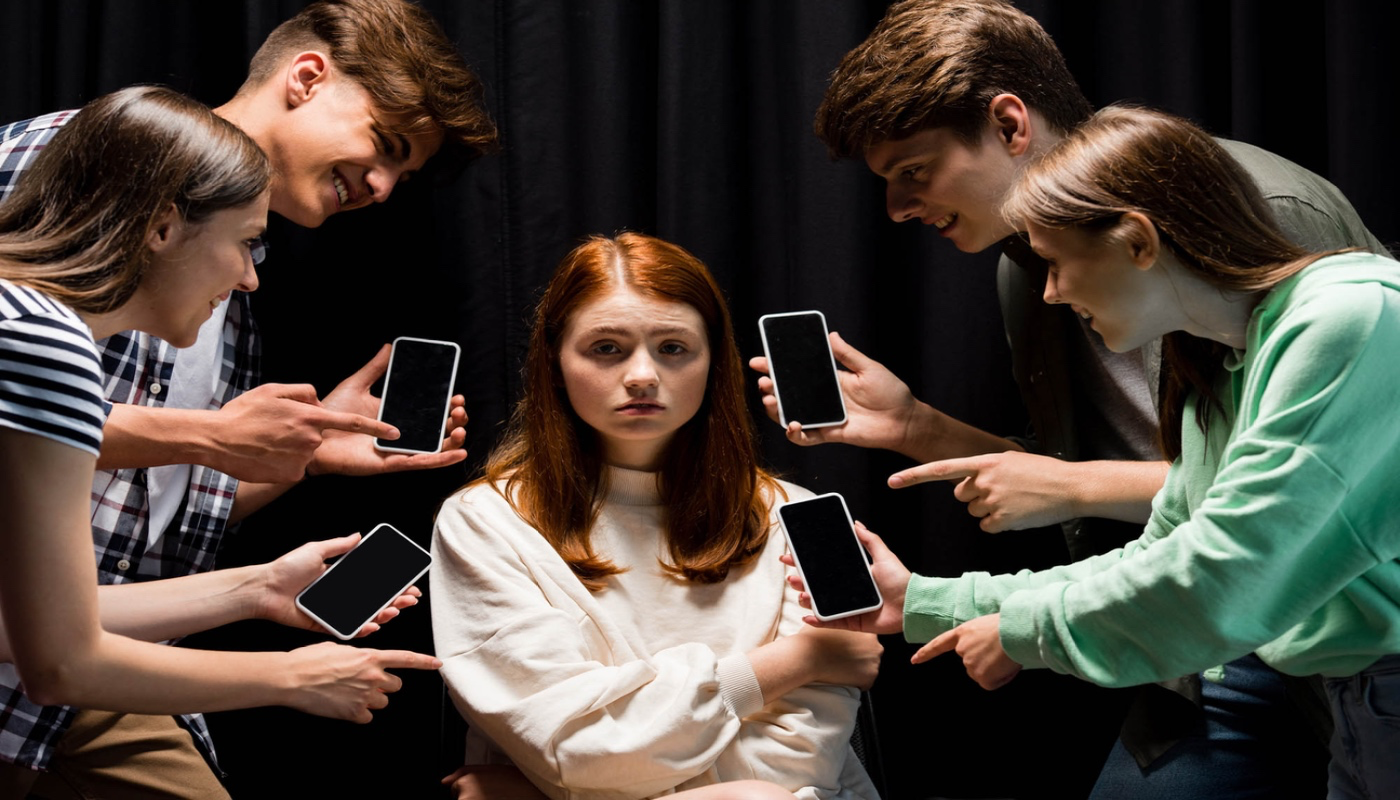
The visibility of marginalized bodies has not eliminated prejudice. In some cases, it has made the people challenging prevailing standards more vulnerable to targeted hostility.
Plus-size creators may encounter derogatory comments about their weight. Disabled users may receive intrusive questions or be treated as objects of pity. People with visible differences may face cruel jokes or unsolicited advice. Gender-nonconforming individuals may experience harassment directed at both their appearance and identity.
These interactions can have consequences beyond a single unpleasant comment.
Repeated hostility may discourage users from posting, participating in discussions, or attending events where their online visibility could attract unwanted attention.
It can also reinforce the impression that public space belongs more naturally to people who conform to dominant expectations.
The burden is not distributed equally.
Marginalized creators may need to spend additional time moderating comments, documenting abuse, reporting accounts, and protecting their privacy. Those responsibilities can interfere with their work and diminish the benefits of participation.
Harassment also affects audiences.
A person considering whether to share a photograph of a visible difference may observe the treatment of other creators and decide that the risks are too high. As a result, the most hostile environments can silence people before they ever become visible.
Platform moderation therefore has a direct relationship with representation.
Removing abusive content, responding consistently to reports, protecting users from targeted harassment, and providing accessible safety tools can help maintain spaces in which more people feel able to participate.
Yet responsibility should not rest entirely on marginalized users or the creators who support them.
Telling people to ignore abuse does little to address the conditions that allow it to persist.
The wider community also has a role. Supportive audience members can challenge discriminatory assumptions, report harassment, and avoid rewarding humiliating content with attention.
Most importantly, online participation should not be mistaken for universal acceptance.
A creator may have thousands of supportive followers while still facing discrimination offline. A brand may celebrate diversity in its advertising while customers continue encountering exclusion in everyday settings.
Social media can make these contradictions visible, but addressing them requires action beyond the screen.
14. Representation Must Extend Beyond the Most Marketable Forms of Difference
As marginalized bodies become more visible, another challenge emerges: not all forms of difference receive equal attention.
Some individuals can become widely recognized because their appearance fits an established narrative of transformation, confidence, or commercial appeal. Others may be overlooked because their experiences are less familiar, more complex, or difficult to translate into conventional advertising.
This creates a hierarchy within inclusion itself.
A movement may become increasingly diverse while still privileging people who are conventionally attractive, articulate in dominant languages, financially secure, or able to produce polished content.
Disability representation, for example, may disproportionately feature people whose experiences are readily understood by mainstream audiences. Body-positive fashion content may gain attention when creators have access to extensive clothing options, professional photography, or recognizable brands.
People with intersecting disadvantages can face additional barriers.
A disabled person who is also plus-size may encounter accessibility problems within fashion spaces that are attempting to address only one dimension of inclusion. A dark-skinned person with a visible skin difference may face overlapping colorist and appearance-based judgments. A gender-nonconforming person with a body that does not match conventional ideals may encounter criticism from multiple directions.
These experiences cannot always be understood by examining each characteristic separately.
Intersectionality, a framework associated with legal scholar Kimberlé Crenshaw, helps explain how systems of inequality can overlap and produce experiences that are not adequately captured by a single category.
Applied to social media representation, this perspective encourages a more demanding question: who remains excluded even after a movement begins celebrating diversity?
The answer may include people with limited internet access, those who cannot afford fashionable clothing, individuals who need communication support, people who cannot safely disclose their identities, and communities whose languages receive less visibility online.
Expanding representation therefore requires more than adding another category to an existing campaign.
It involves examining how access, resources, safety, and cultural authority determine who can participate in the first place.
An inclusive digital culture must make room for different forms of communication, varied levels of visibility, and experiences that cannot easily be reduced to a polished image.
15. From Representation to Material Change: What Comes Next?
Social media has changed public conversations about marginalized bodies, but the next stage of progress requires connecting cultural visibility with practical improvements.
Several developments are particularly important.
Inclusive design should begin before advertising
Fashion brands and product designers can involve people with different body types in the development process rather than treating them as a final audience to accommodate.
For clothing, this means considering size availability, garment proportions, comfort, durability, and accessibility. For digital shopping, it means designing websites that can be navigated by people using assistive technologies.
Consultation should influence decisions, not merely provide promotional imagery.
Schools and families need better conversations about bodies
Young people encounter appearance-based messages through peers, advertising, entertainment, and online platforms.
Education can help them recognize edited imagery, understand the social origins of beauty standards, and distinguish health information from moral judgments about appearance.
Equally important is teaching respect for bodily autonomy. Children should learn that commenting on another person’s weight, skin, disability, or physical development can cause harm even when the speaker believes the comment is harmless.
Families and schools can create environments in which differences are discussed without ridicule or unnecessary scrutiny.
Platforms should make inclusion safer and more accessible
Social media companies can improve moderation, strengthen protections against targeted harassment, and provide clearer explanations when content is removed or restricted.
Accessibility must also be considered in platform design itself. Captioning, screen-reader compatibility, accessible interfaces, and flexible communication options can influence who is able to participate.
Recommendation systems deserve scrutiny because they shape which creators become visible and which perspectives remain difficult to discover.
Brands should demonstrate inclusion through measurable practices
Advertising campaigns can raise awareness, but lasting progress requires evidence of change.
Companies can evaluate their size ranges, accessibility policies, product design, hiring practices, creator compensation, and responses to consumer feedback.
They can also work with a wider range of creators without expecting those individuals to represent entire communities.
The aim should be to make inclusion part of ordinary operations rather than a temporary marketing theme.
Audiences can broaden their understanding of representation
Users influence digital culture through the content they follow, share, discuss, and reward with attention.
Seeking out creators with different experiences can broaden the range of perspectives in a person’s feed. Questioning appearance-based jokes can challenge normalized prejudice. Recognizing the difference between constructive criticism and harassment can make online conversations more respectful.
Audiences should also remember that creators are individuals, not public resources.
Supporting someone’s visibility does not entitle viewers to personal information, explanations, or access to their private lives.
Success should not depend on universal visibility
Not everyone wants to become an influencer, disclose personal experiences, or build a public platform.
A future-oriented approach to inclusion should recognize both public advocacy and private autonomy.
The objective is to create a world in which people can participate fully whether or not they choose to make their bodies visible online.
That means reducing the penalties associated with physical difference rather than requiring everyone to become skilled at defending themselves against discrimination.
16. The Future of Body Inclusivity Depends on Who Controls the Narrative
The history of social media and marginalized body types reveals a continuing struggle over cultural authority.
Traditional media often determined which bodies were considered worthy of public attention. Digital platforms have allowed people to challenge those decisions, create their own communities, and establish alternative definitions of beauty, fashion, and belonging.
This has produced meaningful changes in the range of bodies represented in public life.
Plus-size creators have challenged restrictive fashion expectations. Disability advocates have expanded conversations about accessibility and ordinary participation. People with visible differences have questioned the assumption that their appearances must be concealed. Transgender and gender-nonconforming creators have challenged rigid connections between bodies and gender expectations.
These developments have also influenced commercial practices, audience expectations, and conversations about psychological well-being.
Yet social media has not abolished the systems that determine whose bodies receive attention.
Algorithms can reproduce familiar preferences. Commercial partnerships can reward only certain forms of diversity. Harassment can discourage participation. Appearance-focused content can intensify comparison, and the pressure to perform confidence can become another source of exclusion.
The challenge is therefore not simply to increase representation.
It is to create conditions in which representation does not depend on a person’s ability to become popular, commercially useful, inspirational, or aesthetically acceptable to a dominant audience.
This requires recognizing the difference between visibility and equality.
Visibility means that a person can be seen. Equality means that their needs, rights, preferences, and participation receive meaningful consideration.
The two can support one another, but they are not interchangeable.
A fashion campaign can feature a wheelchair user without making a store accessible. A body-positive post can receive millions of views without changing how people are treated at work. A company can celebrate diverse skin tones while continuing to promote restrictive beauty ideals elsewhere in its marketing.
The work of inclusion begins with representation but cannot end there.
Social media’s most important contribution may ultimately be the connections it creates between personal experiences and collective demands. When people discover that their frustrations are shared, they can begin questioning the systems that made those experiences seem inevitable.
A photograph can start a conversation. A hashtag can connect a community. A creator can challenge a stereotype. A campaign can pressure a business to change its practices.
None of these actions guarantees transformation on its own, but together they can alter the boundaries of what society considers normal, desirable, and acceptable.
Conclusion: Beyond Being Seen, Toward Being Respected
Social media gave marginalized body types new opportunities to enter conversations from which they had long been excluded. It allowed people to challenge narrow beauty standards, share practical knowledge, build communities, and question the authority of institutions that historically determined how bodies should appear.
Its impact is cultural, psychological, commercial, and deeply personal.
For someone who has rarely seen a body like theirs represented positively, discovering an inclusive online community can broaden the possibilities they imagine for themselves. For a consumer struggling to find appropriate clothing, creator-led reviews can provide information that conventional advertising overlooks. For a disabled person, seeing ordinary experiences represented without pity or spectacle can challenge the assumption that disability defines the limits of a person’s life.
These changes matter because bodies are never experienced in isolation from society. They are interpreted through expectations about beauty, gender, race, class, ability, and belonging.
Social media has made those expectations easier to question, even as its algorithms and commercial incentives sometimes reproduce them.
The next chapter of body inclusivity must move beyond the idea that every marginalized person needs to become visible, confident, or celebrated to deserve respect. It must also move beyond campaigns that treat diversity as a marketing opportunity without changing the conditions people encounter in everyday life.
Progress means broader access to clothing, more accessible public spaces, fairer representation, safer digital communities, and fewer assumptions about what a body can or should look like.
It also means protecting the freedom to participate without disclosing private information or turning personal experiences into public education.
Ultimately, the greatest promise of social media is not that every body will eventually become fashionable. It is that fashionability can lose its power to determine who deserves dignity.
A more inclusive culture will not require everyone to look alike, love their appearance every day, or tell their stories to an audience. It will allow people to exist in all their complexity, with different bodies, different relationships to appearance, and different choices about how they wish to be seen.
The future of body inclusivity will depend on whether the voices that challenged exclusion can influence the institutions, technologies, and everyday interactions that shape people’s lives.
Being seen was an important beginning. Being heard was a necessary next step. The deeper goal is a society in which people no longer have to fight for the right to belong simply because their bodies fall outside someone else’s expectations.
Sources: The New York Times, The Guardian, BBC, Vogue, Teen Vogue, NPR, Harvard Business Review, Psychology of Popular Media, Body Image, Disability & Society, Journal of Consumer Culture, Pew Research Center, UN Women, World Health Organization