 by
by Introduction: When Logging Off Becomes an Act of Self-Acceptance
Imagine opening your phone to check a message and finding yourself, twenty minutes later, comparing your skin to a beauty influencer’s complexion, your waist to a fitness creator’s silhouette, and your everyday appearance to photographs carefully selected for public admiration. Nothing about your body has changed during those twenty minutes. Yet, somehow, the way you feel about it has.
This familiar experience reveals an important contradiction in contemporary digital culture. Social media promises connection, inspiration, entertainment, and self-expression, but its constant stream of carefully presented bodies can also transform ordinary physical differences into perceived shortcomings. A person who was perfectly comfortable with their appearance moments earlier may begin questioning their attractiveness after encountering a succession of idealized images.
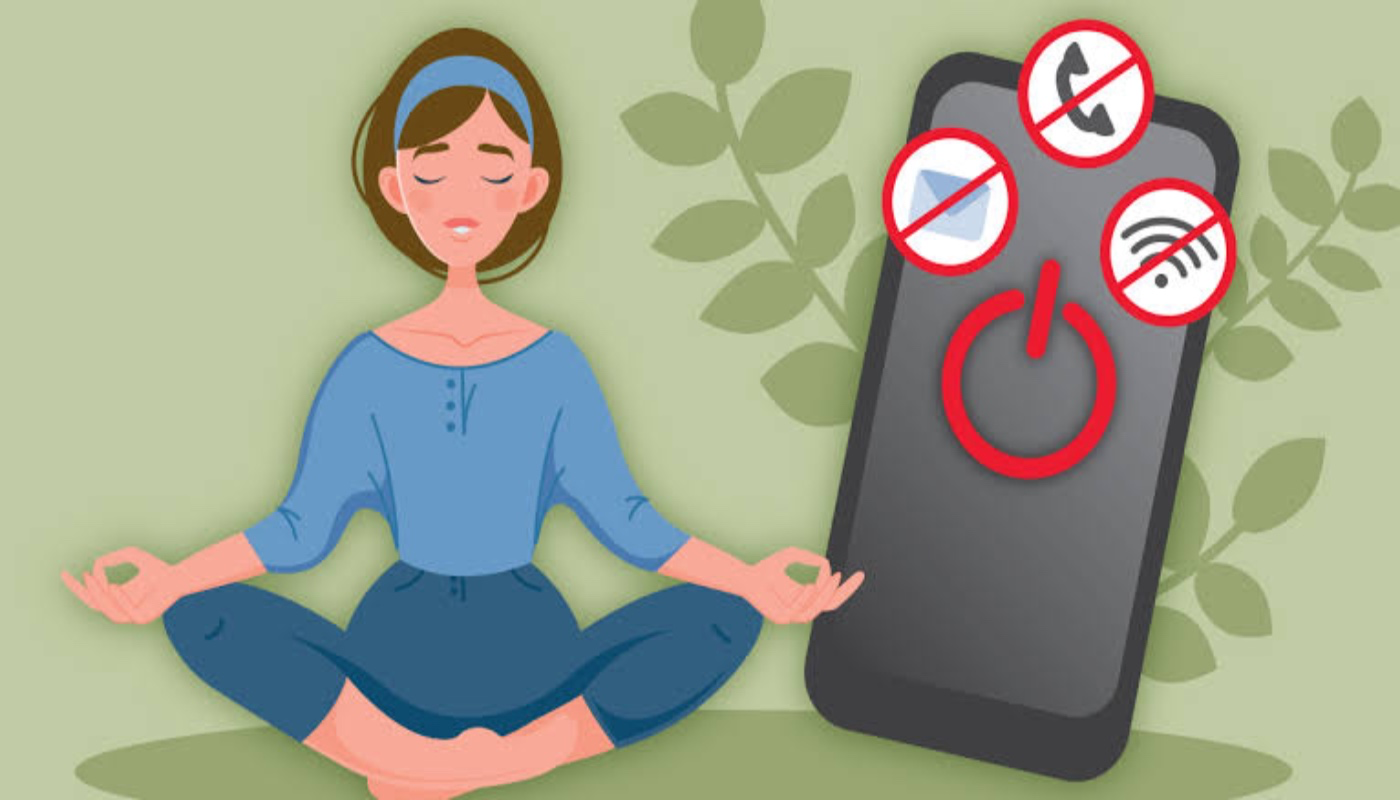
Against this backdrop, digital detox movements have gained cultural significance. These movements encourage people to step away from digital platforms temporarily, reduce screen time, establish boundaries around online engagement, or reconsider the content they consume. Although digital detoxing is frequently discussed in relation to productivity, sleep, and general well-being, its implications for body image deserve equally serious attention.
Body image encompasses more than satisfaction with weight, shape, or individual features. It includes how people perceive their bodies, interpret their appearance, respond emotionally to physical characteristics, and understand their bodies within a wider social environment. These perceptions are influenced by families, communities, cultural traditions, advertising, entertainment, and increasingly, algorithmically curated digital spaces.
A digital detox can interrupt some of the pressures that emerge from these environments. It may create distance from appearance-based comparisons, reduce exposure to unrealistic beauty standards, and provide opportunities to reconnect with experiences that are not organized around how the body looks.
However, the relationship between digital technology and body image is not entirely negative. Online communities can offer representation, solidarity, disability advocacy, body acceptance, and support for people who have historically been excluded from mainstream beauty culture. For some individuals, digital spaces provide their first opportunity to encounter others who share their experiences.
The question, therefore, is not whether people should abandon technology altogether. It is whether they can participate in digital culture without allowing its narrowest beauty ideals to determine their self-worth.
Understanding why digital detox movements matter requires looking beyond screen-time statistics. It means examining how platforms influence everyday perceptions, how beauty standards travel across cultures, why certain images become difficult to ignore, and how intentional disconnection can help people reclaim a more expansive relationship with their bodies.
1. The Digital Environment Has Changed How People Experience Their Bodies
For previous generations, appearance-related comparisons were often shaped by television, magazines, films, advertisements, and immediate social surroundings. These influences could be powerful, but they were generally encountered in more limited contexts.
Digital platforms have transformed that experience.
A person can now encounter hundreds of appearance-related images during a single browsing session. Photographs, short-form videos, transformation stories, beauty tutorials, fitness demonstrations, product advertisements, and influencer recommendations appear alongside messages from friends and family.
The result is an environment in which appearance can become a nearly continuous point of reference.
A teenager scrolling through a video platform might encounter a makeup transformation, a fitness routine, a clothing advertisement, and a celebrity’s red-carpet photographs within minutes. An adult checking professional updates might see colleagues’ carefully selected photographs and lifestyle creators promoting a particular standard of attractiveness. Different audiences experience different pressures, but the underlying mechanism can be similar: repeated exposure makes certain appearances feel unusually prominent.
Research published in the journal Body Image has examined the relationship between social media and body dissatisfaction. A 2021 meta-analysis by Madelaine de Valle and colleagues found that exposure to appearance-ideal social media images had a moderate negative effect on body image in experimental studies. The researchers also identified a small negative relationship between social media use and body image across longitudinal studies, highlighting that the relationship is measurable but not uniform or simple.
These findings help explain why digital detox movements have become relevant to body inclusivity.
Reducing exposure can create space between an individual and the appearance ideals that dominate their digital environment. That space matters because repeated exposure can make a narrow representation of beauty appear more ordinary, more desirable, and more socially necessary than it actually is.
A detox does not change the media landscape overnight. It can, however, interrupt the assumption that constant exposure to idealized bodies is unavoidable.
The purpose is not to eliminate every appearance-related image. It is to create room for people to experience their bodies outside the endless cycle of viewing, evaluating, and comparing.
2. Social Comparison Turns Ordinary Differences Into Personal Judgments
One of the most important reasons digital detox movements matter is their potential to interrupt appearance-based social comparison.
Human beings naturally evaluate themselves in relation to other people. Comparisons can help individuals learn new skills, recognize possibilities, and understand social expectations. However, comparisons become more complicated when people evaluate their bodies against highly selective images.
On social media, users rarely see the complete context behind another person’s appearance. They see a photograph, a video, a carefully chosen angle, or a brief moment selected for publication.
The image does not necessarily reveal the lighting, preparation, editing, styling, camera position, or circumstances surrounding its creation. Even when an image has not been digitally altered, it represents a particular moment rather than the full reality of a person’s life.
Nevertheless, viewers may compare this carefully presented moment with their own ordinary, unedited experiences.
They might judge their skin under harsh bathroom lighting against a creator’s professionally illuminated portrait. They might compare their bodies after a long day with fitness photographs captured under carefully controlled conditions. They may assess their clothing, facial features, or proportions against people whose images receive extensive public approval.
The comparison is unequal from the beginning.
A 2025 systematic review and meta-analysis published in Body Image examined the relationship between social media comparison, body image concerns, and eating-disorder symptoms. The findings linked greater online social comparison with greater body image concerns and lower positive body image. These associations reinforce the importance of understanding not only how much people use social media, but also how they engage with the content they encounter.
Digital detox movements offer a practical interruption to this process.
Temporarily stepping away from comparison-heavy feeds can reduce the number of occasions on which users encounter appearance-based benchmarks. It can also help them recognize the difference between an actual personal concern and a dissatisfaction triggered by an endless succession of curated images.
Importantly, comparison does not affect everyone equally. Some people can enjoy fashion photographs without judging their bodies, while others may find similar content distressing. Age, previous experiences, social circumstances, cultural expectations, and individual vulnerabilities can influence these responses.
A meaningful digital detox acknowledges these differences rather than assuming that every user experiences social media in the same way.
Its central question is simple: Does this online environment help me live more comfortably in my body, or does it repeatedly encourage me to see my body as a problem to solve?
3. Algorithmic Feeds Can Make Narrow Beauty Standards Feel Universal
Digital platforms do not simply display content in a neutral sequence. Many use recommendation systems that select and organize material according to signals such as previous interactions, viewing behavior, and predicted user interest.
These systems can make digital experiences feel highly personal. They can also repeatedly expose users to similar themes.
Someone who watches several skincare videos may receive more skincare recommendations. A person who engages with workout demonstrations may see additional fitness content. A user interested in clothing may encounter increasingly specific styling suggestions.
Such recommendations can be helpful. They may introduce users to useful information, new communities, and creative interests. The concern arises when the content repeatedly reinforces a limited set of appearance ideals.
A person who initially watches a beauty tutorial out of curiosity may eventually encounter a feed dominated by flawless-looking skin, highly standardized facial features, body transformations, and products marketed as solutions to perceived imperfections.
The cumulative effect can be more significant than any single post.
Repeated exposure may make particular characteristics appear to be universal expectations rather than preferences promoted by specific commercial and cultural environments.
Digital detox movements can help interrupt this repetition. Logging off temporarily, clearing recommendation histories where platform features allow it, muting appearance-focused accounts, or deliberately diversifying followed content can change the conditions under which users encounter beauty messages.
However, it is important not to treat algorithms as the sole source of body dissatisfaction.
Beauty ideals existed long before personalized recommendation systems. Families, peer groups, advertising, fashion industries, entertainment, and local social hierarchies all influence appearance-related beliefs. Algorithms can amplify existing pressures, but they do not create every beauty standard from nothing.
Furthermore, a feed dominated by appearance-focused content may reflect a combination of platform recommendations and deliberate user choices. The relationship between individual behavior and platform design is interactive.
This is why digital detoxing should be understood as one part of a broader cultural response. Personal boundaries can reduce exposure, while platform accountability, transparent recommendation practices, and more inclusive representation can address structural problems that individual users cannot solve alone.
The goal is not merely to teach people to resist harmful content. It is also to question why certain kinds of content become so difficult to escape.
4. A Digital Detox Can Challenge the Pressure to Constantly Monitor Appearance
Body image concerns do not always involve openly disliking one’s body. Sometimes, they emerge through constant monitoring.
A person might repeatedly check their reflection before posting a photograph, examine their face through a front-facing camera, adjust clothing to conceal perceived imperfections, or review images to determine whether they look acceptable.
Digital platforms can intensify this monitoring by making personal appearance a visible and measurable part of social participation.
Photographs can receive likes, comments, shares, and other reactions. Although these responses reflect many factors beyond attractiveness, users may interpret them as judgments about their appearance.
A photograph receiving fewer interactions than expected can prompt unnecessary self-questioning. A flattering image attracting attention can reinforce the belief that certain angles, outfits, or physical characteristics are especially valuable.
Over time, posting can become less about documenting an experience and more about producing an acceptable version of the self.
Research reviewed in Current Opinion in Psychology has explored how social media features relate to body image. A 2022 review by Laura Vandenbosch, Jasmine Fardouly, and Marika Tiggemann discussed evidence suggesting that taking and editing selfies can have negative body image effects, even when the images are not ultimately posted. The review also examined how appearance-focused content and audience responses can influence users’ experiences.
This research offers an important insight: the pressure of digital appearance culture can begin before an image becomes public.
The camera itself may become a tool for evaluating the body.
A digital detox can create an opportunity to step away from this cycle. Without the immediate possibility of posting, receiving reactions, or comparing photographs, people may feel less compelled to evaluate every moment through the lens of public presentation.
This does not mean that taking selfies, wearing makeup, enjoying fashion, or caring about appearance is inherently harmful.
Self-presentation can be playful, creative, and empowering. The problem arises when it becomes difficult to enjoy these activities without simultaneously judging whether the body looks sufficiently attractive.
A healthier digital culture would allow people to enjoy their appearance without feeling obligated to monitor, optimize, and publicly validate it.
5. Why Research Supports Thoughtful Reduction Rather Than Universal Abstinence
Digital detox movements often attract attention through dramatic promises: delete every social media application, disconnect completely, or reclaim happiness by abandoning the internet.
Such approaches may appeal to people who feel overwhelmed. However, research supports a more nuanced interpretation.
A study highlighted by the American Psychological Association in February 2023 found that adolescents and young adults experiencing emotional distress who reduced their social media use by approximately 50% for several weeks reported improvements in how they felt about their appearance and weight compared with a control group.
The intervention lasted three weeks, and the researchers reported improvements in appearance esteem and weight esteem among participants who reduced their use. The findings suggest that reducing exposure can be a feasible short-term strategy for some young people experiencing body image difficulties. They do not establish that every person will benefit equally or that the same results will persist indefinitely.
This distinction is essential.
Digital detoxing should not become another rigid standard that people feel pressured to meet perfectly.
Someone who cannot avoid social media because of work, education, caregiving, or community responsibilities should not be made to feel that their circumstances represent a personal failure. Similarly, people who rely on online spaces for friendship, disability-related information, professional opportunities, or emotional support may find complete disconnection impractical or isolating.
The evidence also does not justify claiming that all screen time damages body image.
Watching a cooking demonstration, joining a supportive community, attending an online class, and scrolling through appearance-focused transformation videos are different activities with different implications.
The amount of time spent online matters, but the nature of that time matters too.
A useful digital detox therefore asks people to identify which activities leave them feeling connected and which repeatedly trigger dissatisfaction, anxiety, or self-criticism.
For some, reducing daily social media use may be appropriate. Others may benefit more from changing their feeds, limiting notifications, avoiding particular types of content, or creating phone-free periods during the day.
The most effective approach is not necessarily the most extreme one. It is the approach that supports a healthier relationship with technology while remaining realistic about how people live.
6. Digital Detox Movements Must Recognize That Beauty Standards Are Cultural
Body image cannot be understood through a single global definition of beauty.
Different societies place different emphasis on skin tone, body proportions, facial features, hair texture, height, age, clothing, and other aspects of appearance. These preferences also change across generations and social environments.
Digital platforms bring these standards into closer contact.
A user in Pakistan may encounter beauty content shaped by South Asian bridal traditions, international celebrity culture, Korean skincare trends, Western fashion advertising, and regional influencer aesthetics during the same browsing session.
A person in Nigeria may navigate local beauty traditions alongside global entertainment imagery and international fashion trends. Someone in Brazil may encounter strong cultural associations involving appearance and self-presentation while also participating in worldwide digital communities.
These examples should not be mistaken for claims that everyone within a country shares the same preferences. Every society contains substantial diversity, and beauty expectations vary by region, class, generation, religion, personal experience, and community.
Nevertheless, global platforms allow appearance ideals to travel quickly across borders.
The consequences can be complicated.
Exposure to different cultures may expand a person’s understanding of beauty. Users can discover hairstyles, clothing traditions, body-positive communities, and representations that mainstream local media previously overlooked.
At the same time, global circulation can create pressure to conform to multiple standards simultaneously.
Someone may feel expected to maintain locally valued beauty practices while also matching international influencer aesthetics. Another person may experience tension between family expectations and the appearance ideals promoted by global entertainment.
Digital detoxing can help people step back from these competing messages long enough to examine them.
Instead of automatically accepting every newly encountered beauty ideal, users can ask where it originated, whose interests it serves, and whether it reflects their own values.
This pause can be especially valuable in societies where appearance is connected to marriageability, social status, respectability, or perceived family reputation.
When digital content reinforces such expectations, the pressure may extend beyond individual self-esteem. It can affect how people understand their social opportunities and how they believe others will evaluate them.
A culturally sensitive digital detox does not ask people to reject international influences or romanticize local traditions. It encourages them to distinguish personal choice from social pressure and to recognize that no single aesthetic deserves universal authority.
7. Skin Tone, Colorism, and the Digital Beauty Economy
One particularly important dimension of body image is skin tone.
In many societies, colorism has historically privileged lighter skin over darker skin. Its manifestations differ across communities, but it can influence beauty advertising, entertainment representation, personal relationships, and perceptions of social status.
Digital platforms can reproduce these hierarchies through filters, product marketing, editing practices, and the disproportionate visibility of certain complexions.
Skin-brightening content illustrates the complexity of the issue.
Some skincare discussions concern legitimate interests in treating acne marks, hyperpigmentation, or uneven skin tone. People should be able to seek information about their skin without being accused of rejecting their natural appearance.
However, the commercial framing of these concerns can become harmful when darker skin is implicitly or explicitly presented as a defect that requires correction.
A feed saturated with brightened photographs, lightening claims, and narrow beauty ideals may blur the distinction between treating a specific skin concern and pursuing a socially rewarded complexion.
For people affected by colorism, this distinction is not merely cosmetic. It can touch identity, family expectations, discrimination, and belonging.
Digital detox movements can provide temporary distance from content that repeatedly associates lighter skin with greater attractiveness or social value.
Yet, the solution cannot rest entirely on individuals muting accounts or deleting applications.
Advertisers, creators, and platforms also influence which complexions receive visibility and how beauty products are presented. Inclusive representation requires more than occasionally featuring a darker-skinned model in a campaign. It requires questioning the assumptions that determine which appearances are marketed as desirable in the first place.
A meaningful digital detox can help an individual recognize these messages, but broader change requires cultural and commercial accountability.
8. South Asian Digital Culture: When Appearance Becomes a Family and Community Conversation
In South Asian contexts, appearance can carry meanings that extend beyond personal preference.
Depending on the community, conversations about skin tone, body size, facial features, clothing, and grooming may be connected to family expectations, marriage prospects, social comparison, or ideas about respectability.
Such pressures existed before social media, but digital platforms can introduce additional audiences and intensify their visibility.
A young person may encounter relatives’ comments about appearance alongside beauty influencers’ recommendations and celebrities’ carefully styled photographs. Wedding content can expose viewers to elaborate beauty preparations, while festive fashion posts may create pressure to purchase particular outfits or reproduce specific aesthetics.
The issue is not that weddings, makeup, traditional clothing, or beauty rituals are inherently damaging. These practices can be joyful expressions of culture, creativity, and belonging.
The concern emerges when participation begins to feel conditional on meeting a narrow physical ideal.
A person preparing for a wedding may enjoy experimenting with clothing and makeup while also feeling that their natural skin texture, body shape, or facial features must be corrected before they can appear in photographs.
Repeated exposure to idealized images can make such expectations feel more intense.
Digital detoxing can create room to separate cultural enjoyment from appearance-based obligation.
For example, someone might decide to stop browsing wedding transformation videos for a few days before an important event. Another person might mute accounts that promote constant appearance correction while continuing to follow creators who discuss fashion, culture, or beauty in ways that feel supportive.
A third person might choose not to share every family gathering online, preserving the experience without turning it into a public presentation.
These are small choices, but they can help people reclaim ownership of how they participate in cultural life.
They also demonstrate why body inclusivity must account for the social environments in which appearance-related pressures operate. An individual’s relationship with their body is shaped not only by a screen but also by the expectations waiting beyond it.
9. Men, Muscularity, and the Underrecognized Side of Body Image
Body image discussions have historically focused heavily on pressures experienced by women and girls. Their experiences remain important, but an inclusive understanding must also recognize the appearance-related expectations directed at men and boys.
Digital fitness culture frequently celebrates muscularity, visible abdominal definition, broad shoulders, leanness, and other physical characteristics associated with a particular masculine ideal.
Such content can be educational and motivating. Fitness communities may help people discover enjoyable movement, develop practical skills, and find encouragement.
However, appearance-focused content can also turn exercise into a constant comparison between an individual’s body and an idealized physique.
Men and boys may feel pressure to become larger, leaner, more muscular, or more visibly athletic. Those who do not identify with conventional masculine expectations may encounter additional scrutiny or exclusion.
The pressure can be particularly difficult to discuss because body dissatisfaction among men is sometimes dismissed as vanity or treated as less serious than women’s appearance concerns.
A digital detox offers an opportunity to question these assumptions.
Stepping away from repetitive physique comparisons may help users reconsider whether their fitness goals are grounded in strength, enjoyment, mobility, or personal achievement—or whether they are increasingly organized around looking acceptable to an online audience.
It is equally important to recognize that men are not a homogeneous group. Body image concerns can intersect with disability, age, sexuality, cultural expectations, and individual circumstances.
Digital detox movements should therefore avoid replacing one narrow ideal with another.
The objective is not to persuade men that muscularity is undesirable or that caring about appearance is inherently problematic. It is to challenge the idea that one body type determines masculinity, attractiveness, or personal worth.
10. Disability, Visible Difference, and the Right to Be Seen
Digital spaces can be particularly important for people whose bodies are underrepresented in mainstream media.
Disabled people, people with visible differences, individuals with scars, and those living with conditions that affect appearance may struggle to find representations of their everyday experiences in conventional advertising and entertainment.
Online communities can help fill this gap.
People can encounter others with similar experiences, exchange practical information, challenge stereotypes, and share stories that resist the assumption that every body must conform to conventional beauty standards.
For someone who has rarely seen their body represented positively, this visibility can be affirming.
Consequently, digital detox movements must be approached carefully.
A blanket recommendation to abandon social media may unintentionally remove access to communities that provide valuable representation and solidarity. For some users, the internet is not simply a source of comparison; it is also a place where exclusion can be challenged.
The appropriate response is not to deny the risks of digital exposure but to recognize that online participation can have different meanings for different people.
Someone may benefit from taking a break from appearance-focused content while continuing to participate in disability advocacy communities. Another person may decide that a particular platform is no longer useful but maintain contact with supportive online friends through other channels.
A third may find that carefully selected digital communities offer more acceptance than their immediate physical environment.
This complexity reinforces a central principle of body inclusivity: there is no universal relationship between visibility and well-being.
People should be able to choose when they want to be visible, how they represent themselves, and which communities they wish to join.
A digital detox should protect that freedom rather than impose another rule about how people ought to live.
11. Body Positivity, Body Neutrality, and the Limits of Positive Messaging
One response to harmful beauty standards has been the growth of body positivity, which challenges discrimination and promotes the acceptance of bodies across different sizes, appearances, and abilities.
Digital platforms have helped these messages reach audiences that traditional media frequently overlooked.
People can encounter discussions of fat acceptance, disability representation, natural skin texture, aging, stretch marks, and other aspects of bodily experience that are often excluded from conventional beauty advertising.
Such representation can be valuable, particularly when it challenges the idea that only certain bodies deserve respect.
Research reviewed in Current Opinion in Psychology found that body-positive content showed more promising effects on body image than several other forms of potentially positive social media content examined in the review. However, the authors also emphasized the importance of understanding how different platform features and content types influence outcomes.
Nevertheless, body positivity can become complicated when it is presented as another demand.
If every person is expected to love every part of their body at all times, those who experience discomfort, insecurity, or ambivalence may feel that they are failing at self-acceptance.
Moreover, body-positive content can sometimes reproduce the very appearance-centered culture it seeks to challenge. Images may promote acceptance while still emphasizing attractive poses, carefully selected photographs, or conventional beauty markers.
This does not invalidate body positivity. It highlights the importance of distinguishing between messages that genuinely expand acceptance and those that simply broaden the range of bodies presented for visual approval.
Body neutrality offers another perspective by reducing the expectation that people must always feel positively about their appearance.
It encourages recognition that a person’s worth extends beyond physical characteristics and that the body can be appreciated for its functions, experiences, and role in everyday life without requiring constant admiration.
Digital detoxing can support both approaches.
A person might temporarily reduce exposure to body-focused content altogether, including content that appears positive but still encourages constant evaluation of appearance. During that break, they may explore interests unrelated to their looks and develop a broader sense of identity.
Others may prefer to remain connected to supportive body-positive communities while removing accounts that make self-acceptance feel performative.
The important distinction is that body acceptance should create more freedom, not another obligation.
12. Filters and Editing: The Difference Between Creative Expression and Unrealistic Expectations
Digital filters have transformed how people present themselves online.
Users can adjust lighting, experiment with makeup effects, add artistic features, or alter photographs for entertainment. Such activities are not automatically harmful, and people should not be shamed for choosing to edit their images.
The concern is the relationship between editing and expectations.
When digital alterations repeatedly change skin texture, facial proportions, or other features associated with appearance, users may become accustomed to seeing modified versions of themselves and others.
A filtered photograph can gradually become a reference point against which ordinary appearances are judged.
This can be particularly challenging for younger users who are still developing their understanding of identity, social approval, and physical change.
The distinction between a playful effect and an aspirational appearance standard is not always clear. A filter may begin as entertainment but become something a person feels reluctant to appear without.
Digital detox movements can help people examine these habits without treating technology itself as the enemy.
Someone might spend several days sharing photographs without appearance-altering filters. Another person may decide to take pictures for personal memories without reviewing every image for imperfections. Someone else may simply reduce exposure to accounts that routinely present heavily modified appearances as everyday reality.
These practices are not moral tests. They are opportunities to discover whether digital tools are expanding self-expression or narrowing the range of appearances a person feels comfortable showing.
Platforms also have a role to play.
Clearer disclosures for significantly altered advertising images, responsible design choices, and greater transparency about synthetic or modified content could help users interpret what they see.
Individual awareness is useful, but it cannot fully compensate for an environment that rewards visually persuasive content without making its context clear.
13. Influencer Culture and the Commercialization of Insecurity
Body image pressures are not limited to individual photographs. They are also connected to the business models surrounding digital content.
Influencers may promote skincare products, clothing, fitness programs, cosmetics, supplements, or other goods through sponsored campaigns and affiliate arrangements.
Many creators provide genuinely useful information, demonstrate artistic skills, or introduce audiences to products they enjoy. Commercial content is not automatically manipulative.
However, advertising can become troubling when it depends on creating dissatisfaction before presenting a product as the solution.
A message might imply that ordinary skin texture needs correcting, that a particular body shape requires improvement, or that confidence depends on purchasing a specific product.
When such messages appear repeatedly, personal care can begin to feel like an endless series of problems that demand financial solutions.
The commercial cycle is especially powerful because appearance-related insecurities can be difficult to resolve permanently through consumption. A new product may address a specific concern, but the wider environment can introduce another perceived flaw almost immediately.
Digital detoxing can create distance from this cycle.
Taking a break from shopping-oriented content may help people recognize the difference between a genuine need and a desire generated by repeated advertising exposure. Muting promotional accounts or separating entertainment browsing from purchasing decisions can also reduce the pressure to treat every insecurity as a shopping opportunity.
Yet, responsibility should not fall entirely on consumers.
Advertising standards, sponsorship disclosures, platform policies, and creator practices influence how products are marketed. Commercial messages should not rely on degrading particular body types or presenting normal human variation as a defect.
A more inclusive digital economy would allow people to make informed purchasing decisions without being repeatedly encouraged to distrust their appearance.
14. Why Young People Need More Than Screen-Time Limits
Adolescence is a period of significant social and personal development.
Young people are forming identities, navigating peer relationships, interpreting cultural expectations, and developing ideas about attractiveness and belonging. Digital platforms can become important spaces for these processes.
They can offer friendship, creativity, humor, learning, and access to supportive communities. They can also expose young users to appearance-based criticism, idealized images, and social comparison at a time when external approval may feel particularly important.
This combination makes digital detox movements relevant to families, educators, and youth-support organizations.
However, a strict screen-time rule is not necessarily sufficient.
Two young people may spend the same amount of time online while encountering very different content. One might participate in a supportive community focused on art or shared interests, while another repeatedly watches appearance-focused videos that leave them dissatisfied with their bodies.
The difference cannot be understood through minutes alone.
The American Psychological Association’s 2023 discussion of research on reduced social media use offers evidence that lowering exposure can improve appearance-related outcomes for some distressed young people. It also supports the importance of viewing digital habits as potentially modifiable rather than inevitable.
Families can build on this insight by discussing how online experiences feel rather than focusing exclusively on usage totals.
Questions such as “How do you feel after watching those videos?” or “Do you enjoy following this account, or does it make you feel worse about yourself?” can encourage reflection without creating unnecessary shame.
Schools can also teach students how images are produced, how advertising works, and why online popularity does not establish a person’s value.
These conversations are more constructive than suggesting that young people are simply too sensitive to handle social media.
They recognize that digital environments are designed and that users can learn to navigate them critically.
A supportive approach also acknowledges that some young people need professional help when body image concerns become persistent or interfere with daily life. A digital detox may complement appropriate support, but it should not be presented as a substitute for mental health care when that care is needed.
15. Digital Detoxing Should Not Become Another Form of Body Policing
There is an important contradiction that digital detox movements must avoid.
A movement intended to reduce pressure can accidentally create another set of expectations about the correct way to live.
People may begin treating low screen time as a badge of moral superiority or assume that anyone who continues using social media lacks discipline. Others may promote detoxing as a guaranteed route to confidence, happiness, or body acceptance.
Such messages oversimplify both technology use and human psychology.
A person may spend little time online and still experience intense body dissatisfaction because of family criticism, discrimination, workplace expectations, or other influences. Another person may use social media extensively while maintaining a healthy relationship with their body.
The purpose of digital detoxing is not to create a hierarchy between people who disconnect and people who remain online.
Nor should it suggest that individuals are responsible for eliminating every influence that contributes to body dissatisfaction.
Structural pressures matter. Beauty industries, advertising, social prejudice, inaccessible environments, and narrow cultural ideals can influence body image independently of screen time.
A thoughtful detox recognizes the limits of personal control.
It can help people change their relationship with certain digital environments, but it cannot guarantee that other people will stop making harmful comments or that society will suddenly become more accepting.
This distinction matters because body inclusivity is not simply a personal wellness project. It is also a question of dignity, representation, and equal participation.
The aim should be to make life more spacious, not to establish another ideal that everyone must achieve.
16. A More Inclusive Approach to Digital Detox Movements
For digital detox movements to support body inclusivity, they need to move beyond a one-size-fits-all model.
A practical approach begins with recognizing the specific experiences that make digital engagement difficult.
For one person, the main problem may be repeated comparison with fitness influencers. For another, it may be skin-focused advertising. Someone else may feel uncomfortable with filters, while another person may experience distress when photographs receive fewer reactions than expected.
These experiences call for different responses.
First, identify emotional patterns rather than relying only on screen-time totals.
Users can pay attention to whether particular platforms or accounts leave them feeling informed, connected, inspired, anxious, inadequate, or preoccupied with appearance. This reflection helps distinguish useful engagement from habits that repeatedly undermine well-being.
Second, curate digital spaces intentionally.
Unfollowing, muting, or blocking accounts that consistently encourage harmful comparisons can be a reasonable boundary. Following diverse creators, disability advocates, artists, educators, and communities focused on interests unrelated to appearance may also broaden the digital experience.
Third, create boundaries that fit everyday responsibilities.
Phone-free meals, breaks before bedtime, periods without appearance-focused browsing, and scheduled intervals away from social media can make disconnection manageable. People do not need to abandon essential online relationships or professional responsibilities to benefit from more intentional use.
Fourth, develop interests that are not organized around appearance.
Reading, music, cooking, learning, volunteering, spending time with friends, and participating in cultural activities can help broaden the sources from which people derive satisfaction and identity.
These activities should not be treated as distractions from the body. They are reminders that a person’s life contains far more than physical appearance.
Fifth, recognize that progress may be uneven.
Some users may notice an immediate difference after reducing exposure, while others may need more time or may find that digital changes alone do not resolve their concerns.
There is no requirement to experience instant confidence or complete body acceptance.
The objective is to create conditions in which people can develop a more balanced relationship with their bodies and their digital environments.
17. The Responsibility of Platforms, Brands, and Creators
Although personal boundaries are valuable, they cannot be the entire solution.
Digital platforms influence how content is distributed, which posts receive visibility, how users encounter recommendations, and what forms of engagement are rewarded.
Brands shape the language used to market appearance-related products. Creators influence the standards their audiences encounter. Schools and families help young people interpret those messages.
Each has a role in building a healthier digital environment.
Platforms can strengthen user controls over recommendations, improve transparency around sponsored content, and offer accessible tools for reducing unwanted appearance-focused material. They can also examine whether recommendation systems repeatedly direct vulnerable users toward content that intensifies dissatisfaction.
Brands can avoid advertising strategies that shame normal physical differences. They can represent a wider range of bodies, ages, skin tones, and abilities without presenting inclusion as a temporary marketing trend.
Creators can discuss editing practices transparently, distinguish personal preferences from universal expectations, and avoid suggesting that a specific appearance is necessary for confidence or social acceptance.
Educational institutions can teach digital literacy alongside media literacy, helping students understand how photographs are produced, how online attention works, and how commercial incentives shape content.
These changes matter because users should not have to rely exclusively on willpower to navigate every digital risk.
A healthier environment would make supportive participation easier while reducing the visibility and influence of content that depends on exploiting appearance-related insecurities.
Digital detox movements are most powerful when they do more than encourage individuals to log off. They also generate questions about why digital spaces create pressure to disconnect in the first place.
18. The Future of Body Image in an Increasingly Digital World
Digital technology will continue to evolve.
Artificial intelligence can generate images, edit photographs, simulate appearances, and create increasingly convincing representations of people who may not exist as depicted. Virtual environments may introduce additional ways for users to construct and experience digital identities.
These developments offer creative possibilities, but they also raise questions about the standards against which people evaluate their real bodies.
When digital representations become increasingly polished or detached from ordinary human variation, users may find it more difficult to distinguish realistic expectations from manufactured ideals.
This does not mean that synthetic imagery is inherently harmful. Art, fantasy, and imaginative self-expression have legitimate places in digital culture.
The concern is whether users understand what they are seeing and whether commercial or social environments encourage them to treat constructed images as realistic standards for their own bodies.
Future digital detox movements may therefore place greater emphasis on intentional engagement rather than simple disconnection.
People may need to evaluate not only how long they spend online but also how content is created, why it is being shown to them, and what assumptions it encourages them to make about themselves.
Digital literacy will become increasingly important. So will inclusive representation, transparent advertising, and platform designs that allow people to exercise meaningful control over their experiences.
There is also an opportunity to rethink what digital participation should offer.
Instead of treating users primarily as audiences whose attention must be captured, digital spaces could prioritize connection, learning, creativity, accessibility, and meaningful community.
In such an environment, body diversity would not need to compete constantly with a narrow visual ideal.
Digital detox movements can contribute to this future by encouraging individuals and institutions to recognize that attention is not an unlimited resource and that constant exposure is not the same as meaningful participation.
Conclusion: Reclaiming the Space Between Looking and Living
Digital detox movements matter for body image because they challenge a culture in which appearance can become an almost continuous subject of evaluation.
They create opportunities to interrupt social comparison, reconsider algorithmically reinforced beauty standards, reduce exposure to harmful commercial messages, and rediscover experiences that are not organized around physical appearance.
Research suggests that appearance-focused social media content can negatively affect body image and that reducing use may improve appearance-related feelings for some young people. At the same time, the evidence does not support treating all digital engagement as harmful or assuming that disconnection will produce identical outcomes for everyone.
Technology can intensify insecurity, but it can also create belonging. It can reproduce narrow beauty standards while giving marginalized communities opportunities to challenge them. It can encourage comparison and provide access to the very representation that helps people feel less alone.
This contradiction is precisely why thoughtful digital detoxing matters.
The goal is not to retreat permanently from a connected world. It is to develop greater control over how that world influences the way people understand themselves.
For some, that may mean spending less time scrolling. For others, it may mean changing their feeds, stepping away from particular accounts, or refusing to measure personal worth through online reactions. For still others, it may mean protecting supportive digital communities while reducing exposure to content that repeatedly undermines their confidence.
None of these choices needs to become a universal rule.
Ultimately, body inclusivity requires a cultural shift in which people are not expected to earn respect by looking a certain way, maintain confidence through constant self-improvement, or justify their bodies against an endless stream of visual comparisons.
Digital detox movements can help create the distance necessary to recognize those expectations for what they are: cultural messages, not objective truths.
The future of body image will depend partly on how individuals manage their attention, but it will also depend on whether platforms, advertisers, educators, and communities become more accountable for the environments they create.
A healthier digital world would not require people to disappear from online spaces to feel comfortable in their bodies. It would allow them to participate without constantly being told, directly or indirectly, that they need to look different.
Until that becomes the norm, choosing to log off can be more than a break from technology. It can be an opportunity to reclaim attention, challenge inherited beauty ideals, and remember that a meaningful life is not measured by how closely a person resembles the images on their screen.
Sources: American Psychological Association, Body Image, Current Opinion in Psychology, Computers in Human Behavior