 by
Introduction: When the Bodies That Move the World Refuse to Fit Its Beauty Standards
For generations, society has maintained a remarkably narrow understanding of what an ideal body should look like. Women have frequently been expected to appear delicate, slender and conventionally feminine, while men have faced expectations of muscularity, physical dominance and visible strength. These standards have influenced everything from fashion and entertainment to workplace culture, advertising and everyday social interactions. Yet professional sports have increasingly become an unexpected arena in which these assumptions are being challenged.
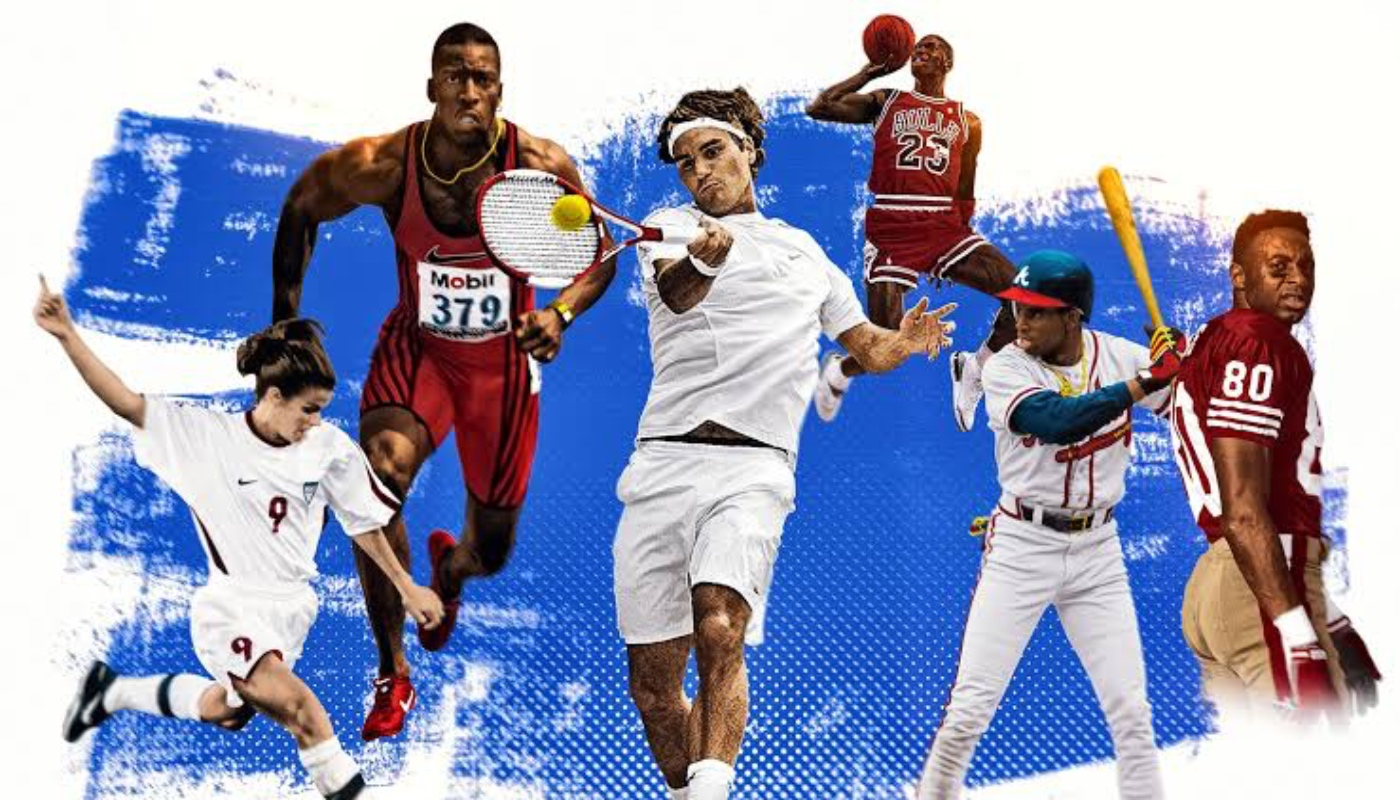
Athletes occupy a distinctive position in conversations about body image. Their bodies are not simply presented for public admiration; they are instruments of performance, discipline, endurance and achievement. A sprinter’s muscular legs, a gymnast’s powerful shoulders, a rugby player’s broad frame and a swimmer’s developed upper body serve practical purposes within their respective sports. Nevertheless, these physical characteristics have frequently attracted scrutiny when they contradict conventional expectations of attractiveness.
The contradiction is particularly visible in women’s sports. Female athletes can spend years developing strength, speed and physical resilience, only to encounter criticism for looking too muscular, too broad, too powerful or insufficiently feminine. Their achievements may be celebrated while their appearances are simultaneously questioned.
This is where athlete advocacy becomes culturally significant.
When prominent athletes speak openly about body confidence, challenge appearance-based criticism, participate in inclusive campaigns or simply refuse to apologise for their physicality, they influence conversations extending far beyond sporting arenas. Their advocacy questions why certain bodies are celebrated as athletic achievements while others are treated as departures from acceptable beauty.
The influence is not limited to changing how audiences perceive professional sportspeople. It also affects how children understand their own bodies, how women approach physical activity, how sporting organisations represent competitors and how the fashion and beauty industries define athletic femininity.
Importantly, athlete advocacy does not mean suggesting that every body is identical or that sporting requirements should be ignored. Different disciplines demand different physical capabilities. The deeper issue is whether those requirements should determine someone’s social worth, attractiveness or right to participate.
Athletes challenging restrictive body expectations are therefore contributing to a broader cultural transformation: moving the conversation away from what a body looks like and towards what it can accomplish, while recognising that individuals deserve dignity regardless of either.
1. The Historical Conflict Between Athleticism and Conventional Beauty
The relationship between athletic bodies and conventional beauty standards has never been straightforward.
Historically, women participating in competitive sports frequently encountered expectations that their physical development should remain compatible with traditional femininity. Strength was admired, but excessive muscularity could be interpreted as unfeminine. Athletic achievement was celebrated, but the appearance of the athlete was often evaluated through standards developed outside the sporting environment.
This created a contradictory expectation: women were encouraged to become physically powerful without appearing too powerful.
The issue was particularly visible in sports requiring substantial muscular development. Weightlifting, wrestling, swimming, athletics and rugby produce different physical characteristics because their performance demands differ. Yet public discussions about female athletes have often treated muscularity as an aesthetic issue rather than recognising its relationship with athletic capability.
The historical preference for thinness also complicated the conversation. As athletic fashion, commercial advertising and televised competitions became increasingly influential, audiences were exposed to carefully selected representations of sporting bodies. Women athletes were sometimes presented through beauty-oriented photography that prioritised attractiveness over performance.
Research into female athlete representation has documented the tension between sporting functionality and conventional feminine appearance. A 2020 academic study examining female athletes and the negotiation of identity highlighted how sporting bodies can challenge traditional expectations of femininity while simultaneously attracting body-shaming commentary.
This contradiction matters because athletic participation can strengthen confidence while also exposing individuals to appearance-based judgement.
Athlete advocacy has emerged partly as a response to this historical imbalance. Rather than accepting the assumption that sporting bodies must conform to conventional beauty standards, athletes are increasingly using their public platforms to challenge the expectations themselves.
2. Serena Williams: Challenging the Idea That Muscular Women Are Less Feminine
Few sporting figures illustrate the cultural importance of body advocacy more clearly than Serena Williams.
Throughout her extraordinary tennis career, Williams became one of the most successful athletes in the history of the sport. However, her achievements were frequently accompanied by discussions about her physical appearance.
Her muscular arms, powerful legs and athletic frame attracted commentary that extended beyond ordinary sporting analysis. Rather than consistently recognising these characteristics as part of her athletic identity, sections of public discourse treated them as departures from conventional feminine beauty.
Williams has spoken openly about these experiences.
In a 2018 interview with ELLE, she discussed being told that she was too muscular and not pretty enough to be a tennis player. She explained that she had learned to look inward rather than allowing unrealistic social expectations to determine how she felt about herself.
Her advocacy has also included an important message about body confidence.
Williams previously used the expression Strong Is Beautiful to communicate that physical power and femininity are not mutually exclusive.
Her approach challenged a cultural assumption that women must choose between looking feminine and developing strength.
In a 2020 interview covered by ABC News, Williams also discussed the importance of representation for women of colour. She reflected on growing up without seeing many women with bodies resembling hers celebrated in mainstream media.
She specifically addressed how different physical appearances were treated as acceptable within popular culture.
Her comments revealed an important dimension of body inclusivity: representation is not simply about body size. It also involves race, proportions, muscularity, skin tone and the historical preferences that determine which bodies receive admiration.
Williams’s influence is particularly meaningful because she did not build her public identity around meeting conventional beauty expectations. Her athletic accomplishments became a powerful counterargument to the notion that muscular women are somehow less deserving of admiration.
Her example also demonstrates why representation should not depend on athletes becoming successful before their bodies are respected.
Young girls should not need Grand Slam titles to feel comfortable with their shoulders, legs or natural physical proportions.
Williams helped make that conversation more visible.
3. Simone Biles: Refusing to Compete Against Beauty Standards
Gymnastics has traditionally placed considerable emphasis on precision, flexibility, balance and physical control. However, female gymnasts also perform in environments where their bodies are highly visible and frequently evaluated by audiences.
For years, discussions surrounding female gymnastics have reflected an uncomfortable intersection between athletic achievement and conventional beauty expectations.
Simone Biles challenged this culture through her public advocacy.
In February 2020, Biles participated in SK-II’s #NOCOMPETITION campaign, which challenged unrealistic beauty standards and the idea that women should compete against one another over appearance.
She spoke about the criticism she had experienced concerning her arms, legs and overall appearance. She acknowledged that comments about how she looked in different outfits had affected her emotionally.
Her message was direct: women should not have their beauty defined by other people’s expectations.
The significance of this campaign extended beyond gymnastics.
Biles demonstrated that even athletes who receive extraordinary public recognition can experience the emotional consequences of appearance-based criticism. Professional achievement does not automatically protect someone from insecurity or social judgement.
Her advocacy also highlighted the importance of refusing to turn every aspect of women’s lives into a competition.
Gymnastics offers an especially relevant example because athletes frequently perform in uniforms that make their bodies visible. Their movements, strength and technical abilities are central to the discipline, yet audiences can still become preoccupied with appearance.
Biles’s willingness to address this contradiction helped redirect attention towards the individual behind the performance.
Her wider public conversations about mental health and personal wellbeing have also contributed to a broader understanding of athlete identity.
Her decision to prioritise her wellbeing during the Tokyo 2020 Olympics in 2021 demonstrated that an athlete’s value cannot be measured exclusively through medals, performances or the ability to endure pressure.
Although mental health advocacy and body inclusivity are distinct subjects, they intersect through an important principle: athletes are human beings rather than performance-producing bodies.
Recognising their emotional experiences makes it easier to question the unrealistic expectations placed upon their physical appearances.
4. Ilona Maher: Rugby, Muscularity and a New Understanding of Feminine Strength
Rugby provides an especially powerful setting for examining changing body expectations.
The sport requires speed, physical strength, endurance and the ability to withstand demanding physical contact. These requirements produce bodies that frequently differ from conventional representations of feminine beauty.
American rugby player Ilona Maher has become an influential public voice in conversations about athletic bodies and femininity.
Her popularity expanded significantly through social media during the Olympic period, particularly around the Paris 2024 Games, where the United States women’s rugby sevens team won a bronze medal.
Maher has used her platforms to discuss body confidence, women’s representation in sports and the importance of recognising different physical forms of femininity.
Her message is particularly relevant to girls who may have broad shoulders, muscular arms or naturally larger frames.
In publicly documented comments about representation, she has emphasised the importance of young girls seeing someone with her build competing confidently and demonstrating that a larger or more muscular frame does not diminish femininity.
This challenges a deeply embedded cultural association between womanhood and physical delicacy.
Maher’s advocacy is also significant because she represents a sport that has historically received less mainstream attention than football, tennis or gymnastics in many countries.
Her visibility introduces audiences to a different sporting environment while challenging assumptions about which bodies belong in athletic spaces.
Her presence in the September 2024 Sports Illustrated Swimsuit issue further contributed to conversations about athletic representation and the relationship between sporting identity and mainstream beauty imagery.
However, the significance of Maher’s advocacy should not be reduced to magazine appearances or social media popularity.
Its deeper value lies in the normalisation of muscular femininity.
A girl who once felt uncomfortable about her shoulders might encounter Maher’s representation and begin understanding those physical characteristics differently.
Instead of seeing them as something requiring correction, she may recognise them as part of her natural identity.
That psychological shift is one of the most meaningful contributions athlete advocacy can make.
5. Body Expectations Differ Across Sports, and Advocacy Must Recognise Those Differences
One important distinction in body inclusivity discussions is that athletes do not all require the same physical characteristics.
A marathon runner, heavyweight wrestler, gymnast, basketball player and powerlifter operate within different sporting demands.
Consequently, promoting body acceptance should not involve pretending that physical differences are irrelevant to performance.
The more meaningful question is why sporting requirements are so frequently confused with universal beauty standards.
For example, a swimmer may develop strong shoulders through repetitive upper-body movement. A weightlifter may develop substantial muscularity through resistance training. A gymnast may require a particular combination of strength, flexibility and body control.
These characteristics should be understood within their sporting contexts.
However, the same bodies can be judged differently outside competition.
A woman who receives praise for her muscularity while winning a sporting event might encounter criticism for having broad shoulders when wearing everyday clothing.
This reflects what researchers have described as the tension between athletic and social body image.
A 2019 study evaluating the Bodies in Motion programme for female collegiate athletes explored how structured psychological interventions could help reduce internalisation of narrow appearance ideals.
The research suggested that educational approaches incorporating self-compassion and critical examination of beauty standards could support healthier body perceptions.
This is important because athlete advocacy should not simply replace one restrictive ideal with another.
If thinness is replaced by an expectation that every woman must be muscular, the underlying problem remains.
The objective should be to expand the range of bodies considered acceptable rather than establishing a new physical requirement.
6. The Psychological Impact: From Body Surveillance to Body Appreciation
Athlete advocacy can influence body image through a psychological process that extends beyond simple admiration.
Many individuals develop their understanding of their bodies through repeated comparisons.
They observe celebrities, athletes, influencers and people in their immediate surroundings before forming assumptions about what is attractive, acceptable or desirable.
When public representations repeatedly feature similar body types, those appearances can gradually become internal standards.
Athletes have the potential to interrupt this process.
Seeing a successful athlete with a body that differs from conventional beauty ideals can introduce an alternative reference point.
A young girl with muscular legs may recognise that her body is not inherently inappropriate. A teenager with a larger frame may discover sporting role models who demonstrate that strength and confidence are not limited to one size.
This process can encourage a shift from appearance-based evaluation towards body appreciation.
Body appreciation involves recognising the value of one’s body without making acceptance conditional on achieving a particular appearance.
It does not mean every individual must love every aspect of their physical appearance every day.
Instead, it allows people to develop a more respectful relationship with their bodies.
Research published in the journal Body Image has explored the relationship between general and sport-specific weight pressures among female collegiate athletes.
A 2022 study involving 212 Division I female athletes found that broader social pressures from parents, peers and media were associated with the internalisation of thin and muscular ideals, which were in turn associated with disordered eating patterns.
The findings demonstrate that athletes are not isolated from the same appearance pressures experienced by wider society.
Indeed, their visibility can make those pressures particularly complicated.
Athlete advocacy can help challenge the assumption that physical appearance should determine personal value.
However, public messaging must be accompanied by supportive environments. An inspirational social media post cannot independently eliminate harmful coaching practices, appearance-based bullying or institutional pressures.
The psychological benefits become more meaningful when representation is supported by actual cultural and organisational change.
7. Social Media Has Turned Athletes Into Direct Advocates
Traditionally, athletes depended heavily on newspapers, television broadcasters and sports magazines to communicate with the public.
These organisations controlled much of the imagery and commentary surrounding professional competitors.
Social media has changed that relationship.
Platforms such as Instagram and TikTok allow athletes to communicate directly with audiences, share personal perspectives and challenge misleading narratives without waiting for traditional media coverage.
This has created new opportunities for body advocacy.
Athletes can share training experiences, discuss public criticism, explain the physical demands of their sports and demonstrate that athletic bodies do not have one universal appearance.
Ilona Maher’s digital presence illustrates this development.
Her content has introduced rugby to audiences who may previously have had little interest in the sport while bringing discussions about women’s bodies into everyday social media conversations.
However, digital visibility also introduces complications.
The same platforms that allow athletes to challenge stereotypes can expose them to intense appearance-based commentary.
Photographs and videos can be taken out of context, edited, circulated and judged by people who have little understanding of the sporting environment.
A 2025 academic study published in the International Review for the Sociology of Sport examined how female athletes’ bodies are constructed on TikTok.
Its analysis identified recurring narratives involving sexualisation, empowerment and the perception that athletic women can appear insufficiently feminine.
This demonstrates that social media is not automatically inclusive.
It can provide athletes with opportunities to challenge stereotypes while simultaneously reproducing the same expectations through comments, engagement patterns and visual trends.
Consequently, athlete advocacy requires more than visibility.
It requires the ability to communicate beyond appearance, establish boundaries and encourage audiences to evaluate sporting achievements rather than treating athletes as objects of public judgement.
8. Global Perspectives: Why Body Inclusivity Looks Different Across Cultures
Body expectations are not universal.
Different societies have different cultural histories, beauty traditions, gender expectations and relationships with physical activity.
Athlete advocacy therefore carries different meanings depending on where it takes place.
In many Western media environments, conversations about female athletic bodies have historically focused on muscularity, thinness, sexualisation and the tension between strength and femininity.
In South Asian societies, the conversation can involve additional expectations concerning complexion, body proportions, modesty, marriageability and family perceptions.
These expectations can influence how women experience sporting participation.
For some girls, developing visible muscularity may create concerns about being perceived as masculine. Others may face questions about wearing sporting uniforms, travelling for competitions or participating in activities considered socially unconventional.
A 2025 study published in Psychology of Sport and Exercise examined the body-image experiences of girl athletes and coaches in New Delhi, India.
Its findings highlighted concerns involving uniforms, objectification, internalised appearance ideals and gendered expectations within families and communities.
The research is particularly important because it demonstrates that body image concerns cannot be understood exclusively through Western beauty standards.
For many South Asian girls, the challenge may involve negotiating multiple expectations simultaneously.
They may be encouraged to participate in sports while also being expected to maintain particular standards of feminine presentation.
Athlete advocacy can help create space for these contradictions to be discussed openly.
Representation from Indian athletes, Pakistani sportswomen, Bangladeshi competitors and other regional sporting communities can challenge the assumption that athletic participation requires abandoning cultural identity.
In Pakistan, the representation of female athletes is especially relevant.
Women competing in athletics, cricket, hockey, squash, weightlifting and other disciplines occupy spaces where sporting achievement can challenge conventional assumptions about women’s physical capabilities.
A 2025 study titled Sports Media and Body Image of Female Athletes: Perception of Women Athletes in Pakistan examined how female athletes perceived media representation and appearance-based expectations.
The study identified concerns surrounding muscularity, femininity and the tendency to evaluate women athletes through conventional ideas of physical attractiveness.
Its findings point towards a need for more thoughtful sporting representation.
Instead of presenting female athletes primarily through their appearance, media organisations can focus on their training, achievements, professional journeys and sporting expertise.
This shift would allow audiences to encounter women athletes as complete competitors rather than individuals whose bodies must first satisfy social expectations.
In other cultural contexts, the challenges may differ.
African women athletes, for example, can challenge racialised assumptions about femininity and acceptable body proportions through their visibility and achievements.
East Asian athletes may encounter particular expectations involving discipline, physical presentation and sporting perfection.
Across the Middle East, women competing in different sporting environments may negotiate questions involving cultural identity, public visibility and traditional gender expectations.
These experiences are not identical, and no region should be treated as culturally uniform.
Nevertheless, they reveal an important international principle: body inclusivity must account for the cultural circumstances that shape how people experience their physical identities.
9. Representation Beyond Thinness: Making Room for Different Athletic Bodies
One of the most valuable contributions of athlete advocacy is its ability to broaden the definition of what an athletic body looks like.
For many years, mainstream fitness imagery repeatedly presented a relatively narrow version of athleticism.
Lean, visibly toned bodies became familiar representations of health and sporting discipline.
Although these bodies can accurately represent certain athletes, they do not represent the entire sporting world.
Different disciplines demonstrate different physical possibilities.
Powerlifters illustrate the relationship between body mass, strength and performance. Rugby players demonstrate the value of physical power and resilience. Basketball players represent a wide range of heights and body proportions. Para-athletes challenge conventional assumptions about physical ability and sporting excellence.
This diversity matters because the public often encounters sports through carefully selected images.
When only a limited range of athletes receives visibility, people can begin believing that athletic participation requires a particular appearance.
Inclusive representation challenges this belief.
Dove’s Sports reIllustrated campaign offers an interesting example.
The campaign highlighted young female athletes across different body types, abilities and backgrounds.
It also involved influential sporting figures, including Billie Jean King, and connected representation with resources intended to support girls’ confidence and participation in sports.
The initiative recognised that young people need to see a wider variety of athletic bodies represented in mainstream media.
Importantly, the campaign did not depend on suggesting that one physical appearance was superior to another.
Its central cultural contribution was expanding the visual definition of athleticism.
This distinction is essential.
Body inclusivity should not create a hierarchy in which muscular bodies replace slender bodies or larger bodies become more desirable than smaller ones.
It should make room for all of them.
10. Athlete Advocacy and the Relationship Between Sport, Fashion and Beauty
The influence of athletes extends well beyond sporting competitions.
Professional sportspeople have become important figures in fashion campaigns, beauty advertising, footwear collaborations and lifestyle marketing.
This has created opportunities to challenge the traditional separation between athleticism and femininity.
For decades, beauty advertising frequently relied on models whose appearances reflected narrow aesthetic preferences.
Athletes introduce a different type of representation.
Their bodies communicate movement, strength, physical capability and discipline.
When sporting figures participate in beauty campaigns, they challenge the assumption that attractiveness must involve physical delicacy.
Serena Williams’s participation in campaigns addressing women’s confidence and body image demonstrates how athletic influence can enter mainstream beauty conversations.
Simone Biles’s involvement in SK-II’s #NOCOMPETITION campaign similarly connected sporting representation with broader discussions about beauty standards.
Such collaborations can help introduce inclusive messaging to audiences who might not regularly follow professional sports.
However, commercial involvement requires careful consideration.
Brands sometimes use body positivity as a marketing strategy while continuing to promote restrictive sizing, narrow casting choices or unrealistic appearance expectations elsewhere.
A campaign featuring one muscular athlete does not automatically demonstrate that an organisation has adopted inclusive practices.
Meaningful change requires consistency across advertising, product availability, representation and institutional behaviour.
Athlete advocacy can encourage commercial industries to reconsider their standards, but audiences should also examine whether the messaging is supported by practical action.
11. Why Visibility Matters for Girls Entering Sports
One of the most important audiences for athlete advocacy is not the adult sports fan.
It is the young person deciding whether to participate in a sport.
Children and teenagers often develop their relationship with physical activity through early social experiences.
If a girl repeatedly hears that muscular legs are unattractive, broad shoulders are unfeminine or larger bodies do not belong in sports, she may become reluctant to participate.
These beliefs can emerge long before someone enters a professional sporting environment.
Representation can provide an alternative.
When young girls encounter athletes who openly embrace different physical characteristics, they receive evidence that sporting participation is not restricted to a single body type.
This can be particularly meaningful during adolescence, when physical changes and social comparisons can influence self-confidence.
Athlete advocacy also challenges the idea that girls should participate in physical activity primarily to change their appearance.
Exercise is frequently marketed to women through messages about burning calories, becoming slimmer or achieving a particular shape.
Athletes can introduce a different narrative.
Training can be about developing skills, improving endurance, enjoying competition, building friendships and discovering physical capabilities.
This reframing allows movement to become an experience rather than an appearance-related obligation.
The distinction is significant.
When participation is linked exclusively to appearance, individuals may feel unsuccessful if their bodies do not change in the expected way.
When participation is connected to enjoyment, ability and personal development, the experience becomes more inclusive.
Athlete advocacy can help make that alternative narrative culturally familiar.
12. The Importance of Male Athlete Advocacy
Although women athletes have often been at the centre of discussions about restrictive beauty standards, men also experience considerable pressure concerning their bodies.
Male athletes are frequently expected to appear muscular, lean, powerful and physically dominant.
In certain sports, visible muscularity can become closely associated with success and masculinity.
However, these expectations can create difficulties for athletes whose natural proportions or physical characteristics differ from popular ideals.
Men participating in endurance sports, gymnastics, swimming and other disciplines may experience appearance-related comparisons that are not always acknowledged publicly.
Body inclusivity should therefore extend beyond women’s sporting experiences.
Male athletes can challenge assumptions that strength must always look a particular way.
They can also help normalise conversations about body confidence, vulnerability and the emotional consequences of public scrutiny.
Another important issue is the difference between appreciating physical strength and demanding that every man achieve a muscular appearance.
A culture that celebrates only visibly muscular men risks excluding individuals whose bodies do not conform to that expectation.
Athlete advocacy can help broaden these conversations by recognising that sporting ability cannot be reduced to a single visual template.
13. Para-Athletes and the Expansion of Conventional Ideas About Athletic Bodies
An inclusive discussion of athletic representation would remain incomplete without considering para-athletes.
For a long time, mainstream sporting imagery has relied on a relatively narrow understanding of what a successful athletic body looks like.
Para-sport challenges this assumption.
Athletes with different disabilities demonstrate extraordinary technical ability, strength, precision, endurance and competitive skill.
Their visibility can encourage audiences to question assumptions about physical capability and the relationship between disability and athletic identity.
However, inclusive representation must avoid treating para-athletes merely as inspirational symbols.
Their sporting achievements deserve the same serious coverage, technical analysis and professional recognition afforded to other competitors.
Their bodies should not be reduced to objects of curiosity or presented solely through narratives of overcoming adversity.
The more meaningful approach is to recognise them as athletes with individual sporting identities, ambitions and achievements.
This perspective expands body inclusivity beyond size and muscularity.
It acknowledges that athletic bodies differ in structure, movement, function and physical capability.
The central principle remains the same: people should not have to resemble a predetermined image to deserve recognition within sporting culture.
14. The Risk of Replacing One Body Ideal With Another
Despite its positive influence, athlete advocacy must navigate an important contradiction.
As society becomes more accepting of muscular women and different athletic body types, another restrictive expectation can emerge.
The muscular, toned and visibly fit body can become a new beauty standard.
Social media sometimes presents athleticism through carefully selected images of defined muscles, sculpted proportions and highly controlled appearances.
This can create the impression that individuals must become athletic-looking to be considered confident or body-positive.
Such an outcome would undermine the purpose of inclusivity.
Body positivity should not become another performance.
A woman should not need to demonstrate physical strength to justify having a larger body. Similarly, a naturally slender woman should not feel obligated to develop muscularity to appear healthy or empowered.
Athletes can help prevent this problem by communicating that different bodies have different capabilities and needs.
Their advocacy should encourage respect rather than establish new appearance requirements.
It is also important to distinguish between celebrating athletes and expecting them to become permanent representatives of body positivity.
Professional athletes have careers, personal responsibilities and individual interests.
They should be free to participate in advocacy without being required to educate audiences about every aspect of body image.
The responsibility for cultural change belongs to sporting institutions, media organisations, advertisers, coaches and audiences as well.
15. The Role of Coaches, Sporting Institutions and Governing Bodies
Individual advocacy can generate awareness, but long-term change requires institutional involvement.
Coaches, sporting organisations and governing bodies influence the environments in which athletes develop their relationships with their bodies.
Their language and practices matter.
Comments about weight, shape, uniforms and physical appearance can affect how athletes interpret their bodies.
Sporting institutions should therefore establish clear expectations concerning respectful communication.
Coaches should be trained to distinguish between legitimate performance-related guidance and unnecessary appearance-based criticism.
Uniform policies also deserve attention.
Athletes should have access to suitable sporting clothing that accommodates different body types, cultural preferences and practical requirements without compromising safety or performance.
Media organisations have a similar responsibility.
Coverage should prioritise athletic achievements rather than repeatedly evaluating women’s appearances.
Photographs should represent competitors as professionals rather than reducing them to visual attractions.
Governing bodies can also support educational programmes that address body confidence, social media literacy and the psychological consequences of appearance-related pressure.
The Bodies in Motion programme provides an example of how structured interventions can be introduced within athletic departments.
Research evaluating the programme found that participating athletes reported lower internalisation of thin-ideal expectations than athletes in the comparison group over time.
This suggests that body-image education can be incorporated into sporting environments rather than treated as an unrelated personal issue.
Institutional involvement also makes advocacy less dependent on individual athletes.
A sporting culture that respects different bodies should not require a famous competitor to speak up every time an athlete experiences appearance-based judgement.
Respect should be part of the environment itself.
16. The Media’s Responsibility: Covering Athletes Without Turning Their Bodies Into Headlines
Sports journalism has considerable influence over how audiences understand athletic bodies.
Headlines, photographs, interviews and commentary can either reinforce existing stereotypes or challenge them.
For example, describing a female athlete as powerful, technically skilled and strategically intelligent centres her professional abilities.
Describing her primarily through her weight, muscularity or attractiveness changes the conversation.
This distinction becomes particularly important when reporting on women’s sporting achievements.
Athletes should not have their accomplishments overshadowed by unnecessary discussions about whether their bodies meet conventional expectations.
The same principle applies to post-competition coverage.
Journalists should avoid treating physical appearance as the most important measure of an athlete’s success.
There is also a need for greater diversity in sporting photography.
Mainstream media should represent athletes across different sizes, proportions, ages, abilities and sporting disciplines.
Such imagery can help audiences become more familiar with the actual diversity of athletic bodies.
The objective is not to eliminate discussions about physical preparation or sporting requirements.
It is to ensure that those discussions remain relevant, accurate and respectful.
17. Advocacy Must Include Athletes Who Do Not Have Millions of Followers
One limitation of contemporary athlete advocacy is that public attention often concentrates on internationally recognised competitors.
Serena Williams, Simone Biles and Ilona Maher possess levels of visibility that most athletes will never experience.
Their influence is valuable, but the cultural transformation they represent must extend to less visible sporting communities.
Local athletes, university competitors, school teams, amateur sportswomen and community coaches also shape body expectations.
A young girl may be influenced more directly by a local football coach than by an international sporting celebrity.
A university athlete who speaks openly about appearance-based criticism may encourage teammates to reconsider their own assumptions.
A community sports organisation that accommodates different body types can create practical change within its immediate environment.
These contributions rarely receive international media coverage, but they are essential.
Advocacy should therefore be understood as both a public movement and a collection of everyday practices.
Every coach who avoids humiliating athletes over their appearance, every journalist who prioritises performance and every organisation that offers inclusive sporting opportunities contributes to changing body expectations.
Celebrity influence can introduce the conversation.
Community action helps sustain it.
18. What the Future of Athlete Advocacy Could Look Like
The future of athlete advocacy will depend on whether sporting culture moves beyond symbolic representation.
The next stage should involve greater collaboration between athletes, researchers, coaches, schools, sports organisations and media professionals.
Several developments could support this transition.
First, body-image education should become a more consistent part of athletic development.
Young athletes should learn how media representations are constructed, why bodies differ between sports and why appearance should not determine personal worth.
Second, sporting organisations should examine their communication practices.
Coaches and administrators need practical guidance on discussing physical development without reinforcing unnecessary appearance pressures.
Third, advertising and sportswear industries should expand their representation of athletic bodies.
Different sizes, abilities, proportions and cultural backgrounds should be visible in mainstream campaigns throughout the year rather than appearing only during occasional diversity initiatives.
Fourth, digital platforms should encourage more responsible conversations around athletes’ appearances.
Public criticism should not become an accepted consequence of professional visibility.
Finally, research into athlete body image should continue expanding across different regions and sporting communities.
The experiences of women in South Asia, Africa, East Asia, Latin America and other underrepresented sporting environments deserve greater attention.
Global body inclusivity cannot be achieved through a single cultural definition of empowerment.
It requires listening to athletes whose experiences are shaped by different social expectations.
The most important future development, however, may be a change in the questions audiences ask.
Instead of asking whether an athlete looks feminine enough, attractive enough or sufficiently close to an ideal body, audiences can begin asking whether sporting environments provide equal opportunities, respectful treatment and meaningful representation.
That change would represent a deeper transformation than any individual campaign.
Conclusion: The Most Powerful Athletic Bodies Are Those That Challenge Limitations
Athlete advocacy has become an important force in changing how society understands physical strength, beauty and belonging.
Through their achievements, interviews, campaigns and public conversations, athletes such as Serena Williams, Simone Biles and Ilona Maher have challenged assumptions that once restricted the acceptable appearance of sporting women.
Their influence demonstrates that athletic bodies cannot be reduced to a universal aesthetic standard.
Muscularity does not diminish femininity. Different proportions do not determine sporting worth. Physical appearance does not establish someone’s right to participate, compete or feel confident.
Yet the significance of athlete advocacy extends beyond celebrating individuals who challenge conventional beauty expectations.
It encourages society to reconsider why those expectations exist in the first place.
The most meaningful progress will come when young girls no longer feel that participating in sports requires choosing between athletic achievement and social acceptance. It will come when boys understand that strength does not require a particular appearance, when para-athletes receive meaningful professional recognition and when media organisations discuss sporting achievements without reducing competitors to their physical characteristics.
There is also an important distinction between representation and acceptance.
Seeing different bodies in advertisements, competitions and social media is a valuable beginning. Ensuring that those bodies are respected in schools, sporting institutions, workplaces and everyday life is the larger challenge.
Athletes can help lead that transformation, but they should not have to carry it alone.
Their stories provide a powerful reminder that bodies are not simply objects to be evaluated. They are part of human identity, capable of movement, expression, achievement and individuality.
Perhaps the most significant cultural shift is not that society is beginning to admire more kinds of athletic bodies.
It is that society is gradually being challenged to stop treating physical difference as something that requires justification.
The future of body inclusivity in sports should not be about deciding which body deserves to become the next ideal.
It should be about creating a sporting culture in which no one has to fit an ideal before being allowed to belong.
Sources
TIME, ELLE, ABC News, National Women’s History Museum, Dove, Edelman, Body Image, Psychology of Sport and Exercise, International Review for the Sociology of Sport, Frontiers in Sports and Active Living, International Journal of Environmental Research and Public Health, The Sky – International Journal of Physical Education and Sports Sciences, Harper’s Bazaar India, World Economic Forum, USC Annenberg School for Communication and Journalism.