 by
Introduction: When the Face in the Mirror Is No Longer the Only Ideal
Imagine opening a social media application and creating a digital version of yourself. You can choose your facial structure, adjust your complexion, change your body proportions, experiment with hairstyles, remove perceived imperfections and construct an appearance that may have little resemblance to your physical self. Within minutes, you have created someone who looks like an idealized version of you. This digital character can wear designer clothing, appear in luxurious environments, participate in virtual campaigns and receive admiration from thousands of people.
The interesting question is not simply why people enjoy creating digital avatars. It is what happens when these carefully constructed digital identities begin influencing how people understand physical beauty.
For generations, beauty aspirations were shaped by paintings, cinema, television, fashion magazines, celebrities and advertising. These cultural institutions established recognizable ideals, although those ideals varied across societies and historical periods. The emergence of digital avatars has introduced another influential participant into this conversation: the customizable virtual body.
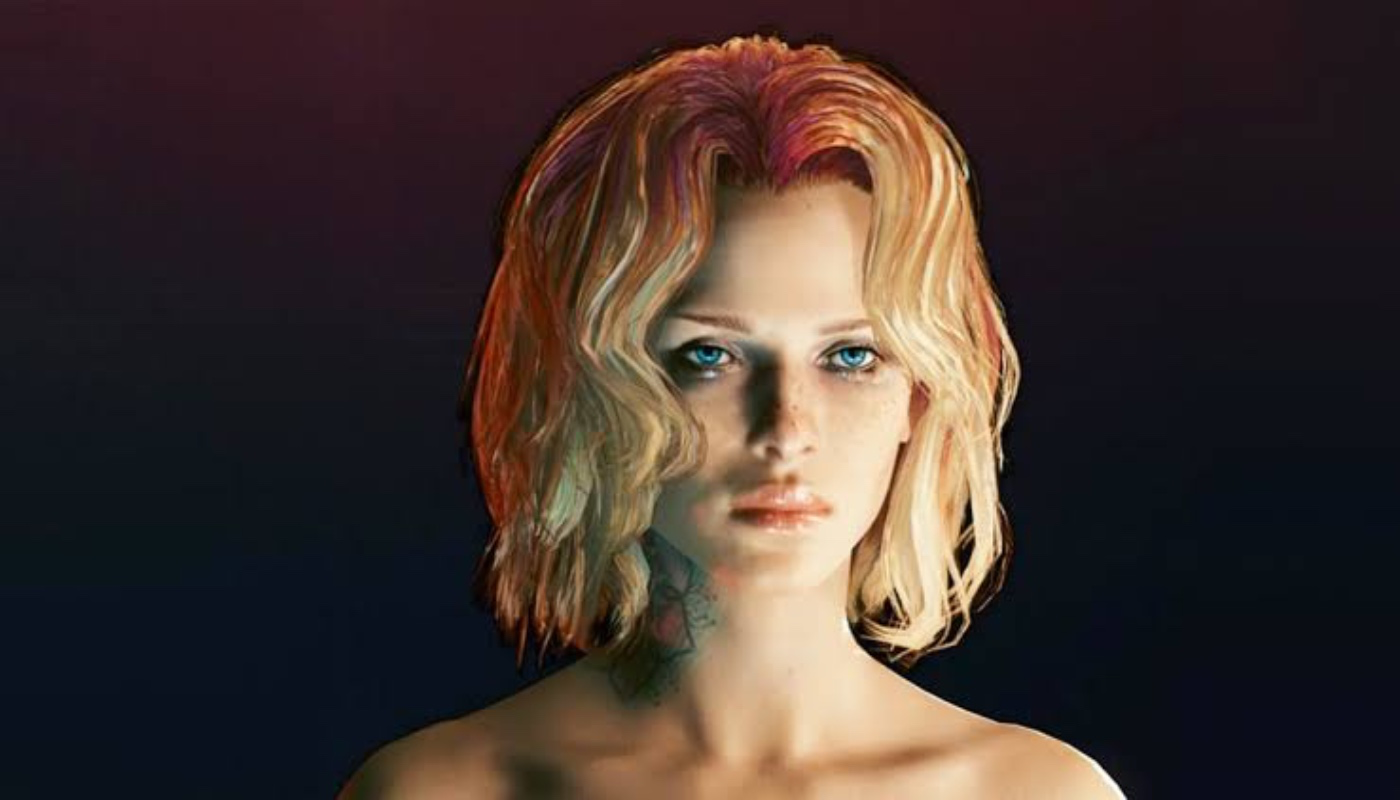
Today, beauty is no longer limited to the appearance of people photographed or filmed in the physical world. It can be manufactured, modified and personalized through digital technology. Video game characters, augmented reality filters, virtual influencers, artificial intelligence-generated portraits and metaverse identities are creating new opportunities to experiment with appearance. They are also changing the relationship between representation and reality.
Unlike traditional media personalities, digital avatars do not necessarily need to conform to biological limitations. Their skin can remain permanently flawless, their proportions can be adjusted without physical consequences, and their appearance can evolve according to changing aesthetic preferences. They can represent impossible combinations of physical characteristics while maintaining a convincing human appearance.
This development has implications far beyond entertainment. It influences fashion, cosmetics, advertising, identity formation, consumer behavior and body image. It also raises important questions about inclusion. Can digital environments create more space for people whose bodies are underrepresented in traditional media? Or will they reproduce familiar beauty hierarchies through increasingly sophisticated technology?
The answer is complicated. Digital avatars can challenge restrictive beauty expectations, but they can also reinforce them in ways that are less immediately recognizable.
Understanding this transformation requires examining not only the technology behind virtual appearances but also the cultural values, psychological experiences and commercial interests shaping the digital beauty landscape.
1. From Celebrity Images to Customizable Digital Identities
Traditional beauty standards generally developed through exposure to recognizable individuals. Film stars, models, musicians and public figures became reference points for particular hairstyles, facial features, body proportions and fashion choices.
Digital avatars introduce a different relationship with aspiration.
Rather than simply observing someone else’s appearance, users can participate in constructing an alternative identity. They can select individual characteristics, combine different aesthetic influences and create a character that reflects their imagination.
This changes beauty from something primarily observed into something actively designed.
Video games played an important role in introducing this possibility to mainstream audiences. Character customization systems allowed players to select hairstyles, clothing, skin tones, facial features and other physical attributes. Over time, these options became increasingly sophisticated.
Games such as The Sims established an environment in which players could construct characters and explore different forms of personal expression. Other gaming environments expanded customization through clothing, accessories, body proportions and cosmetic modifications.
However, customization does not automatically produce inclusion.
Research examining avatar customization in six console-based exergames found that available options could remain restrictive, particularly regarding body types and gender representation. The study highlighted how supposedly customizable digital environments can still reproduce narrow assumptions about which bodies should be represented.
This distinction is important.
A system may offer hundreds of hairstyles and clothing combinations while providing very few meaningful differences in body shape. Similarly, a character creator may allow users to change skin color but continue presenting a limited facial structure as the default ideal.
The digital revolution has therefore expanded opportunities for self-expression without necessarily eliminating the cultural assumptions embedded in beauty.
2. The Perfect Digital Face and the Changing Meaning of Flawlessness
One of the most significant developments in digital beauty culture is the growing availability of tools that create highly polished facial appearances.
Artificial intelligence and augmented reality technologies can modify facial proportions, smooth skin texture, brighten complexions, adjust eye shapes and introduce makeup effects.
These transformations are becoming increasingly convincing.
Earlier photo-editing technologies generally required deliberate editing. Users needed specialized software and some understanding of image manipulation. Modern applications have made comparable transformations accessible through simple filters and automated features.
A person can now view an altered version of their face in real time.
The psychological implications are significant because the comparison is no longer limited to an idealized celebrity or model. It can involve the user’s own digitally modified appearance.
The experience creates a particularly complicated form of comparison: the individual is comparing their physical face with a version of themselves that has been redesigned to satisfy particular aesthetic expectations.
Research published in Computers in Human Behavior examined the effects of augmented reality beauty filters and found that beautifying filters could reduce body satisfaction among young female participants. The researchers also identified self-esteem as an important factor influencing these effects.
This helps explain why digital beauty tools can feel simultaneously enjoyable and emotionally demanding.
A filter might initially offer entertainment, experimentation or confidence. However, repeated exposure to an enhanced appearance can gradually influence what someone considers an acceptable photograph of themselves.
The distinction between looking attractive and looking digitally perfected becomes increasingly blurred.
There is also a cultural consequence. When flawless digital faces become familiar across social platforms, ordinary facial characteristics can begin to appear like imperfections requiring correction.
Visible pores, asymmetrical features, natural skin texture, facial lines and differences in facial proportions are normal aspects of human appearance. Yet digital representations frequently remove precisely these characteristics.
The danger is not that people enjoy experimenting with filters. It is that the unmodified human face may increasingly be treated as an unfinished version of its digital counterpart.
3. Virtual Influencers: When Artificial People Become Beauty Authorities
The emergence of virtual influencers represents another major transformation in the relationship between beauty and digital identity.
These are computer-generated personalities designed to maintain social media accounts, participate in advertising campaigns, communicate with audiences and develop recognizable public identities.
Unlike traditional influencers, virtual personalities are not limited by the physical characteristics of human bodies.
Their appearance can be carefully controlled. Their outfits can be designed without physical production constraints, and their visual presentation can be modified according to campaign requirements.
One of the best-known examples is Lil Miquela, a digital personality that became prominent through social media and fashion collaborations.
Another significant example is Shudu, a computer-generated fashion model whose introduction generated conversations about digital representation, race and the fashion industry’s relationship with beauty.
Similarly, Noonoouri demonstrates how animated digital identities can participate in fashion and luxury-brand communication.
These personalities challenge conventional definitions of influence.
A virtual influencer can become recognizable, develop a distinctive aesthetic identity and attract commercial partnerships without having a physical body.
However, their influence also introduces an important question: Who controls the beauty standards represented by these artificial personalities?
A virtual influencer’s appearance is the result of decisions made by designers, creative teams, technology companies and commercial partners. The character might appear independent, but its physical presentation is constructed.
This means that the beauty represented by a virtual personality is never entirely spontaneous.
Its facial features, complexion, proportions, styling and expressions reflect deliberate creative choices.
When these characters become influential, their creators gain considerable control over the presentation of beauty.
This creates both opportunities and responsibilities. Digital personalities can introduce more imaginative representations of appearance, but they can also reproduce familiar commercial ideals while making those ideals appear technologically innovative.
4. The Psychology of Comparing Yourself With Someone Who Does Not Exist
One of the most interesting aspects of digital beauty culture is the psychological relationship people develop with artificial identities.
Historically, appearance comparisons involved real individuals, even when their photographs were professionally edited or heavily retouched.
Virtual personalities complicate this experience because their appearance may not correspond to any actual human body.
Their perfection can be continuously maintained through software.
They do not experience natural skin changes, physical ageing or the biological variations that influence human appearance. Their visual identities can remain consistent regardless of the passage of time.
This creates an unusual comparison.
People may recognize intellectually that an avatar is artificial while still responding emotionally to its appearance.
A 2026 experimental study published in Body Image examined exposure to human and virtual influencers among 303 adult women. Participants exposed to both types of influencers reported increased body dissatisfaction compared with a control group. Importantly, the researchers did not find significant differences between the effects of human and virtual influencers.
This finding challenges the assumption that people automatically dismiss artificial beauty because they know it is digitally constructed.
The emotional response to visual content may not depend entirely on whether the person being observed is real.
An attractive digital character can still become a reference point for comparison.
However, this does not mean every interaction with virtual influencers produces negative psychological consequences.
The context matters. Some people engage with digital personalities as entertainment, artistic expression or fashion inspiration without comparing their appearance to the character.
Others may develop unrealistic expectations, particularly when digital perfection becomes a recurring standard across their online experiences.
The distinction lies partly in how audiences interpret the content and how frequently they encounter idealized representations.
Digital literacy can help people recognize artificial construction, but awareness alone does not necessarily eliminate emotional responses.
5. Artificial Intelligence Is Making Beauty More Personalised
The next stage of digital beauty culture is increasingly connected to artificial intelligence.
AI-powered applications can generate portraits, modify existing photographs, create personalized avatars and transform ordinary images into highly stylized representations.
Users can request different hairstyles, makeup looks, facial aesthetics, clothing styles and visual identities without needing professional design skills.
This accessibility is changing the meaning of beauty experimentation.
Previously, people generally needed access to fashion professionals, photographers, makeup artists or editing software to create elaborate visual transformations.
Now, many transformations can be generated through ordinary consumer applications.
A user might create a professional-looking digital portrait, experiment with a different aesthetic identity or imagine themselves in a completely different visual environment.
This can be empowering.
People who feel underrepresented in traditional advertising can explore identities that mainstream media rarely presents. Individuals with disabilities can experiment with representations that are not limited by conventional photographic expectations. People exploring gender expression can use avatars to investigate different presentations of identity.
Yet personalization has another side.
AI systems learn from existing images, datasets and aesthetic patterns. If their training material disproportionately reflects particular facial characteristics, body proportions or cultural ideals, the generated results may reproduce those preferences.
The technology can offer apparently unlimited creative possibilities while drawing from a surprisingly restricted visual vocabulary.
A person requesting an attractive digital portrait might repeatedly receive similar facial proportions, skin textures and beauty characteristics, even when the intention is to create something individual.
This raises a broader question about technological neutrality.
AI does not independently determine what society considers beautiful. Its outputs are influenced by human decisions, training material, product design and commercial objectives.
The more frequently these systems generate similar appearances, the greater the possibility that their aesthetic preferences will become familiar and culturally influential.
6. The Globalisation of Digital Beauty Standards
Beauty has never been culturally identical across the world.
Different societies have developed distinctive aesthetic traditions influenced by geography, history, religion, fashion, social class, entertainment and local ideas about identity.
Digital avatars now circulate across these cultural boundaries.
A virtual character created in one country can attract an international audience within hours. Its appearance can influence fashion conversations in regions with completely different cultural histories.
This creates a fascinating tension between cultural diversity and aesthetic standardisation.
South Korea: The Influence of Highly Curated Digital Aesthetics
South Korea provides an important example of the intersection between technology, entertainment and appearance culture.
The country’s globally influential beauty and entertainment industries have helped popularize particular approaches to skincare, makeup, styling and visual presentation.
Digital environments extend these influences.
Virtual personalities, gaming characters and AI-generated portraits allow users to experiment with highly stylized appearances inspired by contemporary Korean fashion and entertainment.
However, it is important not to reduce Korean beauty culture to one facial ideal.
The country’s entertainment industry contains diverse artistic identities, and individual consumers interpret beauty trends differently.
The broader issue is how digital technologies amplify already recognizable aesthetic preferences.
China: Virtual Personalities and Digital Commerce
China has become an important market for virtual personalities and AI-supported digital experiences.
Virtual influencers and digitally created brand representatives offer companies new opportunities to communicate with consumers through livestreaming, entertainment and online advertising.
These characters can be designed around particular fashion aesthetics or commercial identities.
Their appeal demonstrates how digital beauty can become part of the shopping experience rather than remaining an independent entertainment category.
A virtual personality can introduce a cosmetic product, demonstrate a fashion concept or establish an aspirational lifestyle without requiring a traditional human spokesperson.
The commercial significance is considerable because beauty becomes connected to the personality’s entire digital identity.
South Asia: Digital Beauty Meets Existing Social Expectations
South Asia presents another important perspective.
In countries such as Pakistan, India and Bangladesh, beauty expectations have historically been influenced by cinema, television, advertising, family traditions, fashion industries and colonial histories.
Digital avatars do not enter an empty cultural environment. They interact with existing discussions about complexion, facial features, hair, body proportions and social presentation.
A 2025 study published in Acta Psychologica, examining 300 young women in urban Pakistan alongside 30 in-depth interviews, investigated the relationship between AI beauty filters, social media exposure and body image.
The researchers reported associations between frequent filter use and body dissatisfaction, as well as between social media exposure and preferences for Eurocentric facial characteristics. The study also found that simply recognizing digital distortion did not significantly weaken the relationship between filter use and dissatisfaction.
This research is particularly relevant because it demonstrates how global digital aesthetics can intersect with locally established beauty hierarchies.
For Pakistani audiences, digital beauty can become another space where complexion preferences, facial ideals and expectations surrounding feminine appearance are negotiated.
However, South Asian digital culture also contains opportunities for resistance.
Creators can use avatars to celebrate different complexions, traditional clothing, regional aesthetics, natural hair textures and diverse body types.
The challenge is ensuring that technological representation does not simply reproduce the narrowest elements of existing beauty culture.
Western Markets: The Commercialisation of Virtual Perfection
In Western fashion and entertainment markets, virtual influencers have become part of broader conversations about digital fashion, advertising and artificial identity.
Their existence challenges the traditional role of the human model.
Brands can develop characters that maintain consistent appearances, participate in digital campaigns and communicate across multiple platforms.
However, the commercial attraction of virtual perfection raises questions about representation, labour and accountability.
If a digital model can be designed to meet every conventional beauty expectation, does this encourage fashion companies to expand their understanding of beauty or simply give them another way to manufacture the same ideal?
The answer depends on the creative decisions behind these characters.
7. Digital Avatars Can Challenge Conventional Ideas of Body Inclusivity
Although much of the discussion surrounding digital beauty focuses on unrealistic perfection, avatars also offer meaningful opportunities for body inclusivity.
A digital environment can accommodate representations that traditional advertising has historically neglected.
Users can create characters with different body shapes, skin tones, facial characteristics, hairstyles, mobility aids and gender presentations.
They can also experiment with clothing and styling without being restricted by the physical availability of particular products.
For people who have struggled to find representation in mainstream media, this can offer a valuable experience.
Consider someone who rarely sees their body type represented in fashion advertising.
A customizable digital environment may allow that individual to create a character whose appearance reflects their own physical characteristics.
The experience can provide visibility and creative control.
Similarly, a person with a disability can create an avatar that includes mobility equipment or other visible characteristics as part of an ordinary digital identity rather than treating them as unusual additions.
This is important because representation should not be limited to celebrating a narrow definition of physical attractiveness.
It should also recognize the ordinary diversity of human bodies.
However, inclusive avatar design requires more than adding a few alternative options.
The available representations must be thoughtfully developed.
Body diversity should include meaningful differences in proportions, height, age-related appearance, mobility and physical characteristics.
If a platform offers diverse skin tones but continues to provide only one idealized body shape, its commitment to inclusivity remains incomplete.
The real opportunity lies in treating variation as a fundamental part of digital design rather than an optional feature.
8. When the Avatar Becomes an Idealised Version of Yourself
Digital avatars are particularly interesting because they can represent both fictional identities and imagined versions of the person creating them.
A user might create a character that resembles their physical appearance, or they might design someone completely different.
Neither choice is inherently problematic.
Fashion experimentation, fantasy identities and creative self-expression have always been part of human culture.
People use clothing, makeup, photography and performance to explore different aspects of themselves.
Digital avatars expand these possibilities.
However, the psychological relationship changes when the avatar becomes a version of the self that is considered superior to the physical person.
For example, someone might repeatedly create a character with a narrower face, smoother skin, lighter complexion or different body proportions.
Over time, the digital representation may become associated with the appearance they wish they could maintain offline.
This can create a gap between the actual self and the idealised self.
Psychologists often discuss self-discrepancy in terms of differences between how individuals perceive themselves and how they believe they should look or behave.
Digital technology can make these differences more visible.
A person no longer needs to imagine an idealized appearance. They can generate it, save it and repeatedly revisit it.
This makes the avatar a particularly accessible representation of an aspirational identity.
The experience can be positive when it encourages experimentation and creativity.
It becomes more complicated when the digital version establishes expectations that the physical body cannot reasonably fulfil.
9. The Commercial Interests Behind Digital Beauty
Digital beauty is not developing independently of the global economy.
Technology companies, fashion labels, cosmetics brands, gaming studios and social media platforms all have commercial reasons to invest in virtual identities.
Avatars create opportunities for new forms of advertising and consumer engagement.
A virtual influencer can promote makeup without physically applying it. A digital fashion model can wear clothing that exists only as a virtual garment. A gaming avatar can purchase cosmetic accessories that alter its appearance without changing the player’s physical wardrobe.
These developments are expanding the commercial meaning of beauty.
Fashion and cosmetics are no longer restricted to products intended for physical use.
Digital clothing, virtual accessories and avatar customisation have become part of the wider conversation about consumer identity.
For younger audiences especially, virtual appearance can carry social meaning within gaming and online communities.
A distinctive digital outfit or character design can communicate taste, creativity, belonging and status.
However, the commercialisation of appearance also introduces new pressures.
When beauty becomes connected to digital purchases, users may feel encouraged to spend money on maintaining an aspirational identity.
The same logic that drives physical beauty consumption can operate in virtual environments.
Instead of purchasing products to change their appearance in the physical world, consumers may purchase digital items to enhance their online identity.
This creates an additional marketplace in which appearance becomes a continuously modifiable product.
The body itself may not be directly sold, but its digital representation becomes commercially valuable.
10. The Problem of Eurocentric Beauty in Artificial Intelligence
One of the most important issues in digital representation is the possibility that AI systems reproduce historically dominant beauty preferences.
Artificial intelligence models are developed using large collections of existing visual material.
If those collections contain unequal representation, the generated results may reflect those imbalances.
This can influence how different complexions, facial characteristics, hairstyles and body types are represented.
A particularly relevant example is the widely discussed Bold Glamour filter on TikTok.
Its highly realistic appearance transformations generated conversations about how advanced filters can reproduce particular beauty preferences while making their modifications less immediately noticeable.
A 2025 paper presented at the ACM Conference on Fairness, Accountability, and Transparency examined the filter as a case study.
The researchers argued that the technology’s transformations could reinforce Eurocentric beauty standards and reproduce intersectional biases involving gender and racial representation.
This is significant because digital beauty tools are often marketed as opportunities for personal expression.
Yet the available transformations may still favour particular facial structures and aesthetic characteristics.
The problem becomes more complicated when users begin treating these generated appearances as neutral or universally attractive.
Beauty is not a universal mathematical formula.
It is shaped by culture, history, individual preferences and social experiences.
Technology should therefore avoid presenting one aesthetic tradition as the natural endpoint of human attractiveness.
A genuinely inclusive digital environment would allow different cultural beauty traditions to coexist without requiring everyone to move toward the same visual ideal.
11. Body Diversity in Gaming: Beyond the Default Avatar
Gaming environments offer a particularly useful case study because avatars are not always passive images.
Players often control their movements, decisions, relationships and interactions.
This creates a deeper relationship between the user and the digital character.
A player may spend hundreds of hours interacting with a character they have customized.
The avatar can become a familiar representation of their identity within a particular digital environment.
However, game design has historically relied on recognizable physical templates.
Some games provide extensive customization while still privileging athletic, conventionally attractive or gender-stereotyped bodies.
Others offer more flexible options, but the range of possibilities remains dependent on the priorities of developers.
The issue is especially important in games designed around fitness and physical activity.
Research published in Frontiers in Psychology examining six exergames identified limitations in avatar body-type and gender customization.
The researchers emphasized the importance of inclusive design because digital representations can influence how players identify with their characters and engage with activities.
This has implications beyond gaming.
When digital environments repeatedly present a limited selection of bodies, they communicate an implicit message about which physical appearances are considered appropriate.
Expanding avatar diversity can challenge that message.
A more inclusive game does not need every character to look conventionally attractive. It needs to recognize that attractiveness, identity and participation are not dependent on a single physical template.
12. Can Digital Avatars Promote Body Positivity?
The relationship between virtual influencers and body positivity deserves particular attention.
Some digital personalities are designed around unconventional appearances or broader representations of physical identity.
This creates the possibility of challenging the narrow beauty expectations that have traditionally dominated advertising.
However, the presence of a larger-bodied or otherwise diverse virtual character does not automatically produce positive psychological outcomes.
A 2025 study published in Computers in Human Behavior: Artificial Humans examined how virtual influencers with different body types influenced viewers.
Across two experiments involving 337 and 462 participants, the researchers found that exposure to virtual influencers with different body types did not significantly change women’s body appreciation or perceptions of ideal body shapes.
The study also found that perceived similarity was more meaningfully associated with body appreciation for human influencers than for virtual ones.
These findings offer an important qualification.
Simply presenting diverse digital bodies may not be enough to transform how audiences perceive themselves.
Representation works within a larger social context.
People need to see diversity treated as ordinary, respected and meaningful rather than presented as a temporary advertising strategy.
A digital character with a different body type may expand visual representation, but its cultural impact depends on how the character is designed, positioned and received.
There is also a risk of turning inclusivity into another aesthetic trend.
Body positivity should not require every diverse character to be exceptionally fashionable, photogenic or conventionally beautiful.
Its deeper purpose is to challenge the assumption that a person’s body must satisfy particular aesthetic expectations to deserve visibility and respect.
Digital environments can contribute to this cultural shift when they represent people as complete identities rather than collections of physical characteristics.
13. Age, Gender and the Limits of Digital Perfection
Digital beauty culture also raises questions about age and gender.
Many virtual representations are designed around youthful appearances.
Smooth skin, idealized facial proportions and carefully styled bodies frequently dominate digital advertising and character design.
This can contribute to a cultural environment in which ageing becomes less visible.
Human bodies change throughout life.
Skin texture, facial features, hair and body proportions naturally evolve. These changes are not failures of beauty but ordinary aspects of being human.
Digital representations can challenge this understanding when they repeatedly present youthful perfection as the default.
The issue is not that digital characters must accurately reproduce biological ageing.
Fantasy and artistic experimentation are legitimate creative choices.
The concern arises when artificial perfection becomes the primary visual standard against which actual people are evaluated.
Gender introduces another layer.
Many digital environments still organize appearance through conventional masculine and feminine categories.
Characters may be given stereotypical clothing, facial characteristics and body proportions based on assumptions about gender.
More inclusive systems can offer users greater freedom to combine characteristics without forcing them into predetermined categories.
This matters because appearance is one of the ways people communicate identity.
A digital avatar can provide a relatively low-pressure environment for experimenting with presentation, particularly for individuals who do not feel represented by conventional gender expectations.
However, inclusive design must avoid replacing one rigid standard with another.
The goal should be greater freedom rather than a new requirement to look a particular way.
14. Digital Beauty and the Future of the Fashion Industry
The fashion industry has become an important space for the development of digital beauty.
Virtual models and digital clothing allow designers to explore visual concepts without the limitations of physical production.
A garment can be created entirely through digital tools and presented on a virtual body.
This offers several creative possibilities.
Designers can experiment with unusual shapes, textures, proportions and movement. Digital fashion can also create opportunities for artistic expression that would be difficult or expensive to achieve through conventional garment production.
However, the appearance of the digital model remains significant.
If the industry continues using narrowly idealized virtual bodies, technological innovation may simply reproduce familiar fashion exclusions.
A digital garment may be available in an unlimited range of colours and designs, but its presentation can still imply that only certain body types are suitable for fashionable clothing.
This is where body inclusivity becomes essential.
Digital fashion has the opportunity to demonstrate how clothing interacts with different bodies.
It can represent different heights, proportions, mobility requirements and physical characteristics without relying exclusively on conventional runway standards.
The industry can use this flexibility to expand the visual language of fashion.
Instead of asking how digital technology can create more perfect models, designers could ask how it can make fashion representation more expansive.
That shift would give digital innovation a deeper cultural purpose.
15. The Emotional Difference Between Inspiration and Dissatisfaction
Not every encounter with an attractive avatar leads to negative feelings.
Some people find digital characters inspiring.
They may appreciate the artistic direction, clothing, makeup or imaginative appearance without wishing to reproduce those features physically.
Others use avatars to experiment with styles they would never wear in everyday life.
The distinction between inspiration and dissatisfaction is therefore important.
Inspiration expands possibilities.
Dissatisfaction can make existing characteristics feel inadequate.
A person might see an avatar wearing an elaborate hairstyle and feel encouraged to experiment with their own hair. Another might repeatedly compare their face with a digitally perfected character and become increasingly uncomfortable with their natural appearance.
The technology itself does not determine which experience occurs.
Personal circumstances, social expectations, platform design and the nature of the content all matter.
Research on digital beauty also suggests that the comparison process can become particularly complicated when people modify their own images.
A 2024 study published in Computers in Human Behavior examined slimming filters and introduced the concept of social self-comparison: comparing one’s digitally modified appearance with one’s actual physical appearance.
The experiment found that using a slimming filter could intensify comparison processes and contribute to increased desire for weight loss, self-objectification and anti-fat attitudes.
This is a particularly important distinction.
The digital comparison is not necessarily between two different people.
It can occur between two versions of the same individual.
The more convincing the modified image becomes, the easier it may be to treat the physical appearance as something that needs improvement.
Recognizing this difference is essential when discussing responsible digital beauty practices.
16. Why Media Literacy Must Evolve Alongside AI
Traditional media literacy encouraged audiences to question advertising, recognize image retouching and understand how commercial messages influence perception.
Digital avatars require a broader approach.
People need to understand that virtual personalities may be entirely artificial, that generated images can combine multiple aesthetic influences and that automated filters can modify facial and bodily characteristics in real time.
However, technical awareness is only one part of the issue.
Audiences also need to understand the cultural assumptions behind digital representation.
For example:
- Why are certain facial features repeatedly presented as attractive?
- Why are some body types more commonly available in character creators?
- Why do many beauty filters emphasize similar facial transformations?
- Which cultural aesthetics are treated as universal?
- Who benefits commercially when people feel dissatisfied with their appearance?
These questions encourage a deeper understanding of digital beauty.
Media literacy should also include the ability to distinguish artistic experimentation from realistic representation.
A fantasy character does not need to resemble an ordinary human being.
An AI-generated portrait does not need to function as a photograph.
The problem emerges when audiences are encouraged to interpret constructed appearances as realistic standards for everyday physical beauty.
Schools, parents, designers and social platforms all have roles to play in developing this awareness.
The objective should not be to discourage digital creativity.
It should be to help people engage with digital identities without losing perspective on the diversity and value of actual human bodies.
17. What Technology Companies Can Do Differently
The future of digital beauty will depend significantly on the decisions made by technology companies.
Developers determine which customization options are available, which appearances are used as defaults and which characteristics can be modified.
These decisions influence how people interact with their digital identities.
More responsible design could begin with broader representation.
Avatar creators should offer meaningful variation in body proportions, facial structures, skin tones, hair textures, ages and gender presentations.
These options should be integrated into the main design experience rather than hidden behind additional settings.
AI image-generation systems should also be evaluated for representational bias.
Companies need to consider whether their models consistently privilege particular aesthetic characteristics or marginalize others.
Transparency is equally important.
Users should understand when a digital personality is artificial and when an image has undergone substantial AI modification.
This is particularly relevant in commercial advertising.
A virtual influencer promoting skincare or cosmetics should not be presented in a way that implies an artificial complexion demonstrates the real-world effectiveness of a product.
Similarly, digital fashion campaigns should avoid misleading audiences about how garments fit or behave on physical bodies.
These measures would not eliminate every problem associated with digital beauty.
However, they would establish more responsible expectations for an industry that is becoming increasingly influential.
18. The Future: Beauty Beyond the Physical and the Artificial
The next generation of digital avatars may become increasingly sophisticated.
Advances in artificial intelligence, virtual reality, augmented reality and real-time rendering are likely to make digital identities more interactive and visually convincing.
People may use different avatars for professional meetings, entertainment, gaming, social communities and creative projects.
The same individual could maintain several digital identities, each expressing a different aspect of their personality.
This raises a significant cultural possibility.
Beauty may become less dependent on one fixed physical appearance and more connected to personal expression.
Someone might choose a realistic avatar for professional communication, an artistic character for entertainment and a fantastical identity for gaming.
Such flexibility could make digital identity more inclusive.
It could also reduce the assumption that every online representation must be an accurate portrait of the physical self.
However, this future will only be beneficial if digital spaces avoid creating new hierarchies.
A world in which everyone can customize their appearance is not necessarily a world in which everyone feels accepted.
If certain digital appearances receive more attention, social approval or commercial opportunities, users may simply begin competing within a different beauty system.
The challenge is therefore not to eliminate aspirational beauty.
It is to ensure that aspiration does not become another mechanism for excluding people whose bodies do not conform to a particular ideal.
The future of digital representation should accommodate fantasy without undermining the dignity of physical diversity.
Conclusion: Making Digital Beauty a Space for Possibility, Not Pressure
Digital avatars are changing beauty aspirations because they have transformed the way people encounter, construct and evaluate appearance.
Beauty is no longer communicated exclusively through real people, professional photographs and traditional advertising. It is increasingly generated through software, artificial intelligence, virtual personalities and customizable identities.
This transformation offers genuine opportunities.
People can experiment with appearance, explore personal identity and access representations that traditional media have frequently overlooked. Digital fashion can expand creative expression, while inclusive avatar design can make different bodies more visible within online environments.
Yet these possibilities exist alongside significant challenges.
Artificial perfection can become an unrealistic reference point. AI-generated imagery can reproduce established cultural biases. Virtual influencers can reinforce narrow aesthetic expectations, while commercial platforms can turn digital appearance into another consumer marketplace.
The evidence also suggests that simply knowing an image is artificial does not necessarily prevent people from comparing themselves with it.
This is why the conversation about digital beauty must move beyond whether avatars are real or fictional.
The more important question is what cultural values they communicate.
A digital character can reinforce the idea that beauty requires flawless skin, conventional proportions and permanent youth. It can also demonstrate that identity and attractiveness are not restricted to those characteristics.
The difference lies in the choices made by designers, technology companies, advertisers and audiences.
For the body inclusivity movement, digital avatars represent an important new frontier. The movement must recognize that representation now extends beyond physical photography into virtual identities, artificial personalities and algorithmically generated appearances.
The goal should not be to make every digital character realistic, nor should it be to prevent people from creating idealized versions of themselves.
Instead, the future should allow room for imagination without making ordinary human bodies appear inadequate.
A genuinely inclusive digital culture would recognize that a person does not need to resemble their avatar to deserve admiration, visibility or belonging.
Perhaps the most important measure of progress will not be how realistically technology can manufacture beauty, but how successfully it can expand our understanding of what beauty is allowed to look like.
Sources: Acta Psychologica, Body Image, Computers in Human Behavior, Computers in Human Behavior: Artificial Humans, Frontiers in Psychology, Association for Computing Machinery (ACM), PubMed, Elsevier, ScienceDirect, Wiley Online Library.