 by
by Introduction: The Body After Birth as a Cultural Mirror
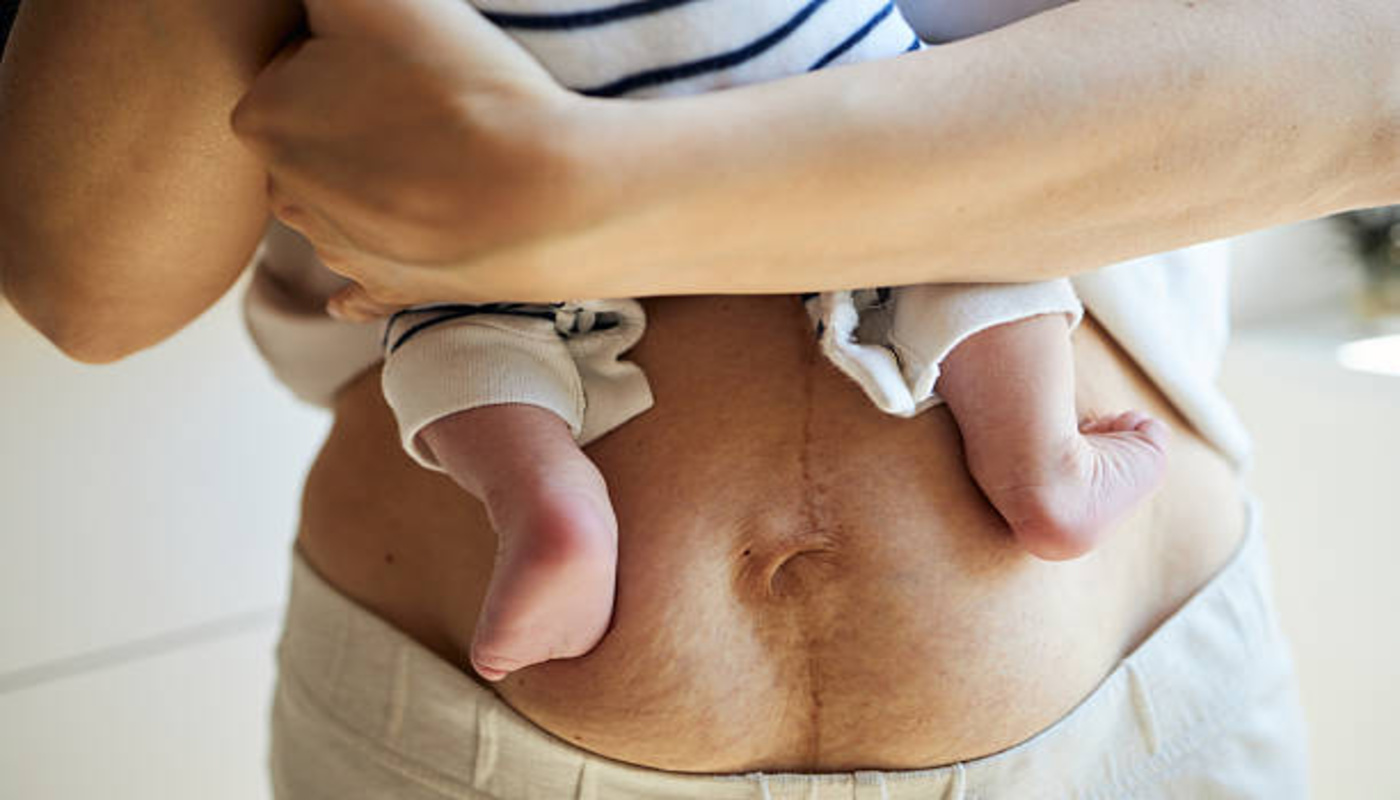
Postpartum bodies sit at a powerful cultural intersection—between life‑giving and desirability, between vulnerability and resilience. The moment a person gives birth, their body does not simply undergo physiological change; it becomes a cultural object onto which countless norms, anxieties, and ideals are projected. Discussions about postpartum bodies are no longer relegated to hushed conversations in nurseries or doctor’s offices; they unfold on social media threads, in magazine essays, and in public health research. This visibility has shifted how we define both sexual intimacy and relationship norms in the period after childbirth.
But what does it mean when the postpartum body becomes public discourse? How do these discussions influence how individuals feel about sex, desire, closeness, and bodily autonomy? And crucially—do public conversations help or hinder the ways people experience intimacy after childbirth?
To answer these questions, we need to look beyond simple slogans about “self‑love” or “body positivity.” We must explore how cultural narratives shape emotional experience, how interpersonal relationships are impacted by societal expectations, and how power structures within culture influence deeply personal facets of human connection.
Postpartum Bodies: Between Celebration and Scrutiny
The way cultures talk about postpartum bodies is far from monolithic. In some contexts, childbirth is celebrated as sacred, and bodily changes are seen as a testament to life’s transformative power. In others, the postpartum body is a source of anxiety, shame, or pressure to “bounce back” quickly.
This tension is not merely aesthetic—it is political. Sociocultural norms historically eroticize certain body types while stigmatizing others. When postpartum bodies fall outside narrow beauty ideals, public language can reframe those bodies as a site of failure rather than transformation.
Research shows that postpartum body dissatisfaction is common and influenced by cultural expectations of attractiveness and weight norms. These ideals can exacerbate distress in a period already fraught with psychological shifts and emotional vulnerability.
At the same time, public movements—especially on digital platforms and visual arts projects—have sought to reclaim postpartum bodies as beautiful and worthy of representation. These conversations often complicate simplistic notions of beauty by inviting broader definitions of sensuality and self‑worth outside conventional aesthetics.
Cultural Dialogues and the Sexual Self After Childbirth
Sexual intimacy is foundational to many romantic relationships, and it is deeply tied to how individuals experience their bodies. Postpartum changes—hormonal flux, scars, stretch marks, and shifting shape—intersect with cultural messaging in ways that affect sexual self‑perception.
Emerging research illuminates the relationship between postpartum body image and sexuality. In one large study of nearly 600 women, body image influenced both the timing of and enjoyment in resuming sexual activity after birth. Women who reported higher body appreciation tended to experience greater enjoyment and engaged in sexual activity on their own terms. Conversely, insecurity about appearance was linked to delayed sexual activity or lack of pleasure.
This reveals a crucial nuance: sexual intimacy is not merely about physical readiness or desire but also about embodiment—the sense of inhabiting one’s body with confidence and agency. Cultural messages that valorize pre‑pregnancy ideals can inadvertently undermine this sense of embodiment by signaling that a postpartum body is “less desirable” or “less sexual.”
Public Narratives vs. Private Realities: The Tension in Communication
The postpartum period is often described as a private epoch of recovery and adjustment. Yet, social media and mainstream media have made postpartum bodies a public spectacle. Viral images, essays about postpartum struggles, and campaigns celebrating stretch marks have created a new space for collective conversation.
On one hand, this visibility can foster community, empathy, and normalizing dialogue. Shared stories can dismantle isolation and offer solace to new parents grappling with changes that few are prepared for emotionally. When such narratives foreground bodily autonomy and non‑judgmental support, they bolster resilience and enable healthier intimacy.
On the other hand, public discourse sometimes slips into indirect performance—where authenticity is expected but still framed by external validation. For example, even messages meant to be supportive can inadvertently emphasize physical appearance (“look how strong my body is”) rather than relational or emotional dimensions of intimacy.
It’s worth noting that public conversations rarely happen in a vacuum—they interact with entrenched cultural expectations about gender, beauty, and sexuality. When public norms emphasize instant recovery and constant attractiveness, individuals may internalize these standards in ways that shape their self‑image and their private relationships.
Gendered Expectations and Power Dynamics
Postpartum cultural narratives do not affect all bodies equally. Gendered expectations about appearance and sexual desirability are historically rooted in power structures that privilege youth, thinness, and sexual availability. These norms intersect with postpartum realities in ways that can marginalize people—especially women and femme‑identifying individuals.
Some cultural dialogues implicitly suggest that postpartum bodies should be “rewarded” for fertility but quickly shed the traits of reproduction to return to a pre‑birth ideal. This paradox—valuing the reproductive body for conception but stigmatizing its natural changes afterward—creates a cognitive dissonance that can seep into intimate relationships.
Individuals report varied experiences: some feel pressure from partners or society to re‑engage in sexual activity prematurely, while others navigate lingering discomfort with their physical selves. These pressures can influence consent, pleasure, and emotional connection.
Cultural narratives also shape partner expectations. In romantic relationships, unspoken comparisons between pre‑ and post‑partum bodies may influence how partners perceive intimacy and desirability. When societal messaging frames the postpartum body as less erotic, it can inadvertently impose a sexual hierarchy that undermines mutual acceptance and exploration.
Cross‑Cultural Perspectives: Variations in Postpartum Norms
It’s important to recognize that discussions about postpartum bodies and intimacy norms vary across cultures. In some societies, postpartum recovery includes traditional practices such as seclusion, ritual care, and community support. These practices often refract intimacy norms through a lens that prioritizes holistic care rather than aesthetic appraisal.
For example, in many Asian cultures, postpartum rituals (such as the confinement period or “yue zi”) emphasize rest, recovery, and nourishment. While these practices focus less on how the body looks and more on physical resilience, they can shape how individuals experience self‑worth and intimate bonds after childbirth.
In contrast, Western media tends to foreground visual imagery and personal narratives that emphasize individual experience and autonomy. Social media platforms have amplified this by providing spaces for candid storytelling—but also spaces where appearance and desirability remain core themes.
Religious and community influences also play a role. For instance, among ultra‑Orthodox postpartum women, cultural beliefs about the body and exercise reflect deep layers of spiritual meaning and communal norms, shaping how women negotiate body image and wellbeing.
These cross‑cultural differences underscore that postpartum bodies are not only biological phenomena but also cultural texts, interpreted differently depending on societal values and historical legacies.
Intimacy After Childbirth: The Psychological Dimension
The postpartum period is a time of profound emotional transformation. Beyond the physical, individuals navigate changes in identity, self‑confidence, and relational dynamics. This psychological terrain interacts with cultural messaging about postpartum bodies in complex ways.
For many, the experience of sex after childbirth includes emotional vulnerability. Some new parents describe their first sexual encounters postpartum as “not entirely enjoyable,” with partner initiation and body self‑consciousness playing a significant role.
Psychologists emphasize that body image is deeply psychological—and external norms can act as either stressors or supports. Public dialogues that highlight resilience, acceptance, and mutual respect can foster a sense of safety in intimacy. Conversely, narratives that inadvertently prioritize appearance over emotional readiness can heighten anxiety and self‑scrutiny.
The interplay between body image and sexual desire is not straightforward—it is conditioned by personal histories, mental health, relational quality, and cultural context. Therefore, blanket cultural narratives risk oversimplifying these nuanced experiences.
Media, Social Platforms, and the Politics of Representation
The rise of social media has amplified personal stories about postpartum bodies. Movements centered on body positivity and authenticity have carved out an important space for visibility. However, digital platforms are not without their pitfalls—algorithmic attention often rewards spectacle, contradiction, and brevity over nuance and depth.
Yet these platforms have also enabled collective reclamation. Visual projects, candid narratives, and community groups provide forums for individuals to articulate experiences of vulnerability and desire without shame. These conversations can disrupt dominant cultural scripts by reframing postpartum bodies as sites of resilience, capability, and sensuality rather than objects of narrow aesthetic judgment.
This shift matters for intimacy norms because it moves conversations from being externally driven to self‑directed and relational. When individuals see diverse representations of postpartum bodies—beyond commercialized ideals—they are more likely to normalize their own experiences, which can positively influence how they engage in intimate relationships.
Challenges and Opportunities for Future Dialogue
Despite gains in visibility and representation, challenges remain. Cultural conversations still often oscillate between extremes—portrayals of the postpartum body as heroic versus depictions framed around insecurity and shame.
What is lacking is a shared language that honors bodily change without reducing human experience to aesthetics or performance. We need cultural spaces that acknowledge physical transformation, emotional complexity, and relational depth simultaneously.
Education and health communication can play a role by shifting focus toward embodiment, consent, emotional readiness, and mutual pleasure—rather than simply encouraging bodies to look or perform in certain ways. Encouraging open, non‑judgmental discussions about postpartum intimacy within families, communities, and healthcare settings can also reduce stigma and build relational resilience.
The Role of Partner Communication in Postpartum Intimacy
Healthy communication with a partner is a cornerstone of sexual intimacy after childbirth. Research indicates that couples who openly discuss body changes, sexual needs, and emotional wellbeing tend to experience higher satisfaction during the postpartum period. When cultural narratives place pressure on the postpartum body to “look perfect” or “perform sexually,” partners may inadvertently reinforce insecurities. Transparent dialogue allows both individuals to co-create intimacy on terms that respect bodily changes and emotional needs. This kind of communication is especially crucial in societies where public messaging emphasizes aesthetics over relational depth, as it enables a private space for acceptance and reassurance. Beyond verbal exchanges, shared experiences such as gentle touch, massage, or non-sexual physical affection can reinforce a sense of closeness while bypassing societal pressures about appearance or sexual performance.
Social Media Influencers and the Democratization of Postpartum Discourse
Influencers and public figures have transformed the conversation around postpartum bodies, making previously private experiences highly visible. Platforms like Instagram and TikTok host candid discussions about stretch marks, scars, and post-birth sexual dynamics, giving audiences permission to acknowledge their own experiences. This visibility democratizes knowledge by normalizing vulnerability and dismantling the notion that postpartum bodies should be hidden or “fixed” immediately. However, the algorithmic nature of social media sometimes amplifies extremes, favoring highly aestheticized or sensationalized posts. The challenge lies in balancing authenticity with visibility: when influencers foreground real intimacy and emotional connection alongside body positivity, they reshape cultural expectations, modeling that desire and sexual confidence are not lost after childbirth.
Intersectionality: How Race, Class, and Identity Shape Postpartum Experiences
Postpartum body narratives intersect with race, class, and gender identity in significant ways. Women of color often navigate compounded pressures from both mainstream beauty standards and cultural expectations within their own communities, affecting self-perception and sexual confidence. Similarly, socioeconomic status influences access to postpartum care, supportive partners, and safe spaces for intimacy, shaping how individuals experience sexual recovery. For LGBTQ+ parents or those in non-traditional family structures, public narratives may fail to reflect their realities, creating isolation or invisibility. Recognizing these intersections is crucial; a one-size-fits-all approach to postpartum intimacy overlooks the diversity of experiences and perpetuates inequities in sexual and emotional wellbeing.
Media Literacy and Critical Engagement with Postpartum Messaging
Developing media literacy is increasingly important in navigating postpartum conversations. Exposure to idealized images, “bounce-back” narratives, or sensationalized celebrity content can skew perception of normative recovery and intimacy. Critical engagement—questioning sources, evaluating motives, and contextualizing public messages—empowers individuals to filter external pressures while retaining the benefits of supportive discourse. Educational campaigns, podcasts, and community storytelling initiatives that highlight diverse postpartum experiences provide tools to resist harmful norms while embracing positive narratives. By cultivating awareness of how media shapes beliefs about desire, sexuality, and body image, individuals can better negotiate intimacy on personal terms, unbound by unrealistic cultural expectations.
Envisioning a Future of Inclusive Postpartum Intimacy Norms
The future of postpartum intimacy norms lies in inclusivity, representation, and holistic wellbeing. As conversations continue to expand globally, there is potential to move beyond aesthetics and embrace the emotional, relational, and sensual dimensions of post-birth bodies. Policy and public health initiatives can support these shifts by promoting education, counseling, and safe spaces for sexual expression after childbirth. Furthermore, as cross-cultural storytelling gains visibility, diverse definitions of desire and body acceptance can challenge homogenized Western ideals. By fostering a cultural ecosystem that values empathy, authenticity, and bodily autonomy, society can ensure that intimacy after childbirth is defined not by appearance, but by mutual respect, emotional connection, and self-empowerment.
The Psychological Impact of Public Scrutiny on Postpartum Desire
Public scrutiny of postpartum bodies can have profound psychological effects on sexual desire and intimacy. Constant exposure to societal standards—through media, family commentary, or peer comparison—can create self-consciousness, anxiety, or even avoidance of sexual activity. These pressures may not always be explicit; subtle messages suggesting that certain body types are more desirable can unconsciously influence self-perception and relational dynamics. However, when individuals encounter narratives that celebrate authenticity, resilience, and bodily agency, these same platforms can reinforce confidence and encourage sexual exploration. Psychologists emphasize that recognizing the difference between external judgment and personal readiness is key to healthy intimacy. Mindfulness practices, therapy, and supportive peer networks can help new parents navigate this terrain, reinforcing that desire and pleasure are valid regardless of body shape or appearance. By integrating psychological insight with cultural awareness, individuals and couples can cultivate a more grounded, empathetic, and fulfilling approach to postpartum sexuality.
Community Support as a Catalyst for Postpartum Intimacy
Community support plays a critical role in shaping how postpartum individuals experience intimacy. Peer groups, family networks, online forums, and culturally specific support systems provide both practical guidance and emotional validation. When new parents feel seen and understood within a supportive environment, they are more likely to engage in intimate connections confidently and without shame. Conversely, isolation or judgment from social circles can amplify insecurities and create barriers to sexual and emotional closeness. Community-driven initiatives that normalize discussions about postpartum bodies, consent, and sexual readiness can counteract the negative effects of societal scrutiny. In multicultural contexts, these support systems also help navigate varying norms and expectations, allowing individuals to negotiate intimacy in ways that align with their personal and cultural values. By fostering empathy, shared knowledge, and nonjudgmental dialogue, communities act as a buffer against unrealistic cultural pressures, empowering new parents to reclaim agency over their bodies, desires, and relationships.
Conclusion: Toward a Culture That Supports Intimacy Beyond Appearances
Public conversations about postpartum bodies matter because they influence norms around desire, connection, and self‑worth. When cultural narratives emphasize acceptance, respect, and holistic wellbeing, they create fertile ground for intimacy that is emotionally rich and relationally grounded. Conversely, when public discourse reinforces narrow ideals or superficial judgments, it can undermine confidence, desire, and pleasure.
As culture evolves, there is an opportunity to move beyond reductive narratives about postpartum recovery and “bouncing back.” Instead, we can embrace postpartum bodies as lived expressions of transformation—bodies that give, change, heal, and continue to hold desire. In doing so, we enrich not only individual experience but also the cultural landscape in which relationships flourish.
By centering inclusive, nuanced conversations that honor both diversity and depth, we can reshape intimacy norms in ways that promote dignity, authenticity, and mutual respect for all bodies after birth.
Sources:
PubMed, PMC, ScienceDirect, BMC Pregnancy and Childbirth, Women’s Health Journal, Self, Glamour,