 by
by There was a time when social media rewarded spectacle above all else. Influencers filled feeds with luxury vacations, perfectly organized homes, elaborate morning routines, expensive skincare collections, and lifestyles that appeared almost impossibly flawless. Every image seemed carefully curated, every meal beautifully plated, and every outfit intentionally styled. For years, this aspirational aesthetic dominated digital culture, encouraging audiences to believe that success looked polished, productive, and perpetually picture-perfect.
Today, however, a different kind of content is quietly reshaping the internet.
Millions of people now actively search for videos titled “A Realistic Day in My Life,” “What My Workday Actually Looks Like,” “A Normal Day as a Student,” or “An Unproductive Day in My Life.” Instead of spotless apartments and perfectly timed routines, viewers encounter overflowing laundry baskets, rushed breakfasts, crowded buses, long work shifts, unfinished to-do lists, grocery shopping, family responsibilities, and evenings spent resting rather than chasing another goal.
This shift represents far more than a passing social media trend. It reflects a profound cultural change in how authenticity, productivity, beauty, and even personal identity are understood. Audiences are increasingly turning away from carefully manufactured perfection in favor of creators who are willing to show ordinary life without pretending that every moment is extraordinary.
For body inclusivity, this movement carries particular importance. When creators stop performing idealized lifestyles, they often stop performing idealized bodies as well. Their bodies become part of daily living rather than objects of constant evaluation. Viewers witness people commuting, cooking, studying, parenting, working, and resting instead of endlessly posing or striving for physical perfection.
In many ways, the rise of realistic day-in-the-life content represents one of the internet’s most significant cultural corrections. It reminds people that ordinary lives are not failures simply because they are ordinary.
How Realistic Content Is Reshaping Brand Collaborations
The growing popularity of realistic day-in-the-life content is also influencing how brands communicate with consumers. For years, influencer marketing relied heavily on highly polished imagery that often resembled magazine advertising more than everyday life. Increasingly, however, companies are partnering with creators whose content feels approachable, conversational, and grounded in ordinary routines. A skincare creator may demonstrate a morning routine before rushing to work rather than in a perfectly styled bathroom. A fashion creator might show how a single outfit is worn throughout an entire day instead of presenting an unrealistic wardrobe filled with new purchases. Food creators increasingly film quick home-cooked meals using accessible ingredients rather than elaborate recipes requiring expensive equipment. This evolution reflects changing consumer expectations. Audiences are becoming more skeptical of perfection and more interested in products that fit naturally into their daily lives. Nevertheless, authenticity cannot simply be manufactured as another marketing strategy. Viewers quickly recognize when brands attempt to imitate realism without embracing genuine transparency. Successful collaborations increasingly respect the creator’s established storytelling style instead of forcing highly scripted promotions. In doing so, realistic content encourages advertising that acknowledges the complexities of everyday living while helping consumers make informed choices rather than simply aspiring to unattainable lifestyles.
The Influence on Young People’s Digital Identity
For adolescents and young adults, realistic day-in-the-life content may play an important role in shaping digital identity. Younger generations have grown up documenting their lives online, often feeling pressure to present themselves as consistently successful, attractive, and socially active. Realistic creators offer an alternative narrative by demonstrating that identity does not have to be built upon constant achievement or visual perfection. A student sharing exam stress, a young professional discussing workplace uncertainty, or a new parent balancing household responsibilities presents a more nuanced understanding of adulthood than traditional influencer culture often portrayed. These stories encourage viewers to see growth as an ongoing process rather than a destination reached through flawless routines. From a body inclusivity perspective, this shift is especially meaningful because appearance becomes only one part of a much richer personal story. Young people increasingly encounter creators who discuss hobbies, education, relationships, creativity, and community alongside everyday routines instead of allowing physical appearance to dominate every conversation. Although social comparison has not disappeared, realistic storytelling offers more diverse models of success, helping audiences recognize that meaningful lives can include setbacks, uncertainty, and gradual progress without diminishing a person’s dignity or self-worth.
Why the Future of Social Media May Depend on Authentic Storytelling
As digital platforms continue evolving, the long-term success of realistic day-in-the-life content will depend upon whether authenticity remains rooted in genuine storytelling rather than becoming another formulaic aesthetic. Every generation reshapes social media according to its cultural priorities, and today’s growing preference for ordinary experiences suggests that audiences increasingly value emotional connection over visual perfection alone. Future creators may experiment with new formats and technologies, yet the underlying desire for honesty is likely to remain relevant. This presents an important opportunity for body inclusivity advocates, educators, researchers, and creators alike. Instead of focusing exclusively on changing beauty standards, they can also encourage broader conversations about how people experience work, family, friendship, rest, disability, ageing, culture, and identity in everyday life. When ordinary experiences receive thoughtful representation, viewers begin recognizing the diversity already present within their own communities. The internet becomes less about escaping reality and more about understanding it with greater empathy. Ultimately, realistic day-in-the-life content reminds society that authenticity is not found in flawless presentation but in the courage to acknowledge everyday humanity. That simple yet powerful idea may become one of the most enduring cultural legacies of this evolving digital era.
From Aspirational Feeds to Authentic Stories
During the early years of influencer culture, success on social media was largely measured by aspiration. Beautiful destinations, expensive purchases, luxurious homes, and seemingly effortless productivity dominated recommendation algorithms. While these posts were often genuine highlights from creators’ lives, they gradually established unrealistic expectations about what everyday life should resemble.
Psychologists have long explained that repeated exposure to idealized images encourages social comparison. Rather than evaluating themselves according to their own circumstances, people begin measuring their lives against carefully edited snapshots of strangers. Over time, this can contribute to dissatisfaction with appearance, achievements, relationships, and even ordinary routines.
The growing popularity of realistic content challenges this pattern.
Instead of removing life’s inconvenient moments during editing, many creators deliberately include them. They show themselves oversleeping, struggling to concentrate, forgetting appointments, eating leftovers, cleaning cluttered spaces, or simply feeling tired after work. Rather than presenting these experiences as embarrassing failures, they acknowledge them as ordinary parts of everyday living.
Ironically, audiences often perceive this selective honesty as more authentic than highly polished perfection.
Why Audiences Are Craving Ordinary Lives
The popularity of realistic content cannot be separated from broader cultural changes.
Younger generations have entered adulthood during periods marked by economic uncertainty, housing affordability concerns, rapidly changing workplaces, rising mental health conversations, and the lingering effects of the COVID-19 pandemic. Traditional milestones have become less predictable, while productivity culture has encouraged people to optimize nearly every hour of their day.
Against this backdrop, endless streams of perfection often feel disconnected from reality.
Watching someone navigate a typical workday, miss a workout, struggle with motivation, or simply spend an evening resting provides something many viewers increasingly value: recognition.
These videos reassure audiences that ordinary experiences are shared rather than isolated.
Instead of wondering why their own lives seem less exciting than those displayed online, viewers recognize familiar situations. The messy kitchen, unfinished assignment, delayed train, or quiet evening at home suddenly become experiences worth documenting rather than hiding.
The appeal lies not in negativity but in relatability.
People are discovering that authenticity often feels more comforting than aspiration.
Authenticity Has Become a New Form of Influence
Interestingly, authenticity itself has become one of the most valuable forms of social currency.
Rather than admiring creators solely because they appear extraordinary, audiences increasingly trust creators who appear believable. This does not necessarily mean professionally filmed content has disappeared. Many realistic creators still produce visually beautiful videos with thoughtful editing and cinematic storytelling.
The difference lies in emotional honesty.
Creators openly acknowledge that they overslept.
They admit they skipped their workout.
They show days when very little was accomplished.
They reveal that motivation fluctuates.
They explain that not every meal is nutritious or aesthetically pleasing.
These moments create emotional credibility.
As audiences become increasingly aware of filters, editing software, affiliate marketing, sponsored partnerships, and algorithmic incentives, excessive perfection often appears less trustworthy. Viewers recognize that digital identities are carefully managed, making moderate honesty feel surprisingly refreshing.
The Quiet Body Inclusivity Movement Hidden Within Everyday Content
Many realistic day-in-the-life creators never explicitly discuss body image.
Yet their content contributes meaningfully to body inclusivity.
Instead of presenting bodies primarily for visual evaluation, these videos portray bodies as practical participants in daily life.
Bodies carry grocery bags.
Bodies commute to work.
Bodies sit through long lectures.
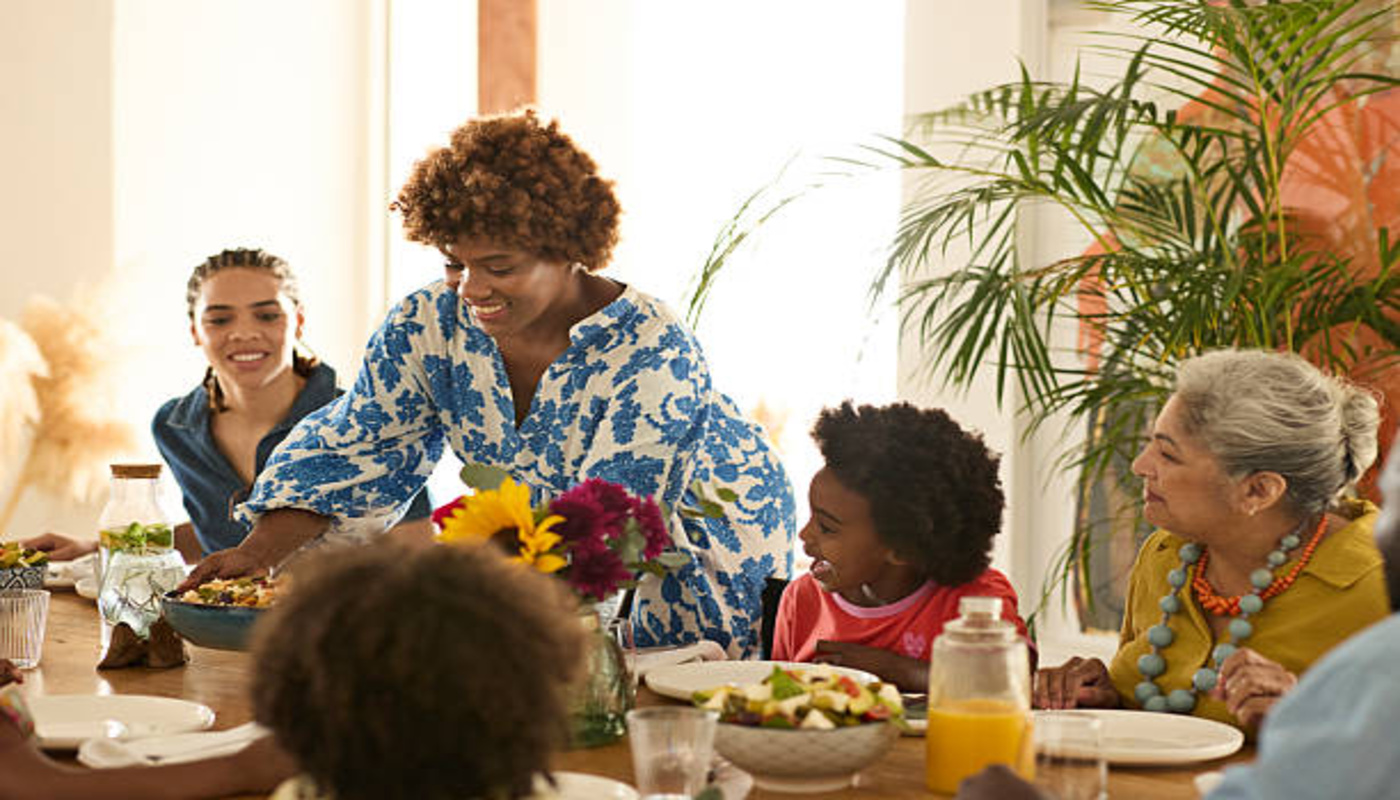
Bodies prepare family meals.
Bodies rest after physically demanding shifts.
Bodies laugh with friends.
Bodies experience fatigue.
Bodies simply exist.
This subtle shift changes how audiences engage with appearance.
When bodies are consistently shown functioning rather than performing, viewers naturally focus less on aesthetics alone. Physical appearance becomes only one aspect of a much broader human experience.
For many people, this represents an important psychological adjustment.
The body is no longer something that exists merely to be observed.
It becomes something through which life is experienced.
Redefining Productivity
One of the most fascinating aspects of realistic day-in-the-life content is its rejection of relentless productivity.
For years, social media celebrated optimization.
Wake before sunrise.
Exercise.
Meditate.
Journal.
Read.
Work.
Network.
Study.
Cook healthy meals.
Develop multiple income streams.
Repeat every day.
Realistic creators increasingly challenge these expectations.
Some days include naps.
Some days include takeout.
Some days involve watching television after work because exhaustion leaves little energy for anything else.
Laundry remains unfolded.
Emails remain unanswered.
Plans change unexpectedly.
Rather than framing these outcomes as personal shortcomings, creators acknowledge that imperfect days are simply part of being human.
This perspective offers an alternative to the increasingly exhausting belief that personal worth depends entirely upon productivity.
Clothing, Comfort, and Cultural Expectations
Fashion has always reflected cultural values.
Earlier influencer aesthetics frequently emphasized carefully coordinated outfits, luxury brands, and constant visual polish.
Realistic creators often dress differently.
Oversized sweatshirts.
Comfortable trousers.
Work uniforms.
Simple sneakers.
Pajamas.
Weather-appropriate jackets.
Practical clothing replaces performative styling.
This change subtly challenges longstanding assumptions that comfort somehow reflects laziness or lack of ambition.
Instead, clothing becomes contextual.
People dress according to the realities of commuting, childcare, office work, university classes, or household responsibilities.
For body inclusivity, this matters because practical clothing encourages viewers to think less about appearance management and more about everyday functionality.
Cross-Cultural Expressions of Realistic Living
Although realistic day-in-the-life content exists worldwide, each culture expresses authenticity differently.
In South Korea, creators frequently document demanding academic schedules, long commutes, convenience-store meals, and late-night studying while quietly acknowledging the pressures associated with educational achievement.
Japanese creators often focus on compact apartments, neighborhood walks, grocery shopping, solo living, and peaceful domestic routines that celebrate ordinary daily rituals rather than extravagance.
Across Europe, many creators emphasize slower lifestyles, cycling to work, local cafés, community spaces, and work-life balance without portraying every activity as self-improvement.
In countries such as India and Pakistan, realistic content frequently includes multigenerational households, shared family meals, religious practices, office commutes, exam preparation, caregiving responsibilities, and balancing modern careers with traditional expectations.
Meanwhile, creators in North America often discuss student loans, apartment sharing, grocery budgeting, multiple jobs, and workplace burnout alongside otherwise routine daily experiences.
Despite these cultural differences, a shared message emerges.
Ordinary life deserves visibility.
The Psychological Comfort of Seeing Someone Rest
Perhaps one of the most overlooked aspects of realistic content is its treatment of rest.
Earlier digital culture often portrayed relaxation as something that needed to be earned.
Downtime became wasted productivity.
Sleep became an obstacle.
Leisure required justification.
Realistic creators increasingly reject these assumptions.
Viewers watch people read books, drink tea, spend time with family, watch television, sit quietly, take afternoon naps, or simply recover from demanding workdays.
These moments carry surprising psychological significance.
Humans naturally model behaviors observed within their communities.
If social media constantly rewards relentless activity, people begin believing that constant productivity represents normal living.
When creators openly normalize rest, audiences receive subtle permission to acknowledge their own need for recovery.
Rather than glorifying exhaustion, realistic content reminds viewers that rest is part of healthy living.
When Realism Becomes Another Performance
Like every digital trend, realistic content also carries its own complexities.
Authenticity itself can become marketable.
Some creators intentionally exaggerate imperfection because audiences increasingly associate visible messiness with honesty.
Bedrooms may be carefully arranged to appear untidy.
Stress may become part of a recognizable online identity.
Imperfection may itself become aestheticized.
This paradox reminds viewers that all online content remains selective.
Even realistic videos involve editing, framing, music selection, and storytelling decisions.
Recognizing this complexity allows audiences to appreciate realistic content without assuming that every uploaded moment represents complete reality.
Authenticity is rarely absolute.
It exists on a spectrum.
Why Slow Content Feels Revolutionary
Many realistic day-in-the-life videos intentionally include moments that older internet culture would have removed entirely.
Waiting for public transport.
Preparing simple meals.
Walking through neighborhoods.
Making coffee.
Folding laundry.
Watching rainfall through a window.
Reading before bed.
These scenes might appear uneventful.
Yet they create emotional atmosphere.
In a digital environment increasingly dominated by rapid editing, endless scrolling, and constant stimulation, slowness becomes distinctive.
Viewers frequently describe realistic content as calming rather than exciting.
This emotional response reflects growing fatigue with perpetual digital intensity.
Community Instead of Celebrity
Traditional influencer culture often depended upon distance.
Creators appeared larger than life.
Audiences admired them from afar.
Realistic creators cultivate a different relationship.
Comment sections become conversations.
Followers exchange advice.
Students discuss exams.
Parents share routines.
Office workers compare experiences.
People encourage one another through everyday struggles.
Instead of building fan communities centered on admiration alone, realistic creators often foster communities built upon shared experience.
The creator becomes less of an unattainable ideal and more of a companion navigating similar challenges.
What This Means for Body Inclusivity
Body inclusivity has always involved far more than expanding visual representation.
Its broader purpose is creating cultural environments where people of different appearances, abilities, identities, and life experiences can exist without constant judgment.
Realistic day-in-the-life content quietly contributes to that goal.
Bodies become visible without needing to justify their visibility.
People move through ordinary routines without presenting themselves as projects requiring improvement.
The emphasis shifts away from appearance and toward participation.
A body preparing breakfast.
A body studying for exams.
A body caring for children.
A body commuting home after work.
A body resting after an exhausting day.
These representations encourage viewers to appreciate bodies for what they enable rather than exclusively for how they appear.
That perspective aligns closely with contemporary discussions surrounding body appreciation and inclusive wellbeing.
Looking Ahead: The Future of Everyday Storytelling
Digital culture evolves quickly, and trends inevitably change.
However, the popularity of realistic day-in-the-life content suggests that audiences increasingly value emotional honesty alongside visual creativity.
People still appreciate beautiful cinematography and thoughtful editing.
What they increasingly reject is the expectation that every moment must appear extraordinary.
The most influential creators of the future may not be those living the most glamorous lives, but those capable of documenting ordinary experiences with sincerity, empathy, and cultural awareness.
For body inclusivity, this shift offers hope.
As more creators celebrate routine rather than perfection, bodies gradually become less associated with constant self-improvement and more connected to everyday living.
The commute, the grocery trip, the unfinished to-do list, the comfortable clothing, the shared family dinner, and the quiet evening at home all become reminders that meaningful lives rarely unfold according to flawless schedules.
In celebrating ordinary existence, realistic day-in-the-life content ultimately encourages something profoundly valuable: compassion toward ourselves and toward one another.
Sources: Pew Research Center, American Psychological Association, Harvard Business Review, Journal of Social and Clinical Psychology, BBC, The Guardian, Vox, The Atlantic, Psychology Today, The New York Times