 by
by Redefining Success in an Industry Obsessed with Appearance
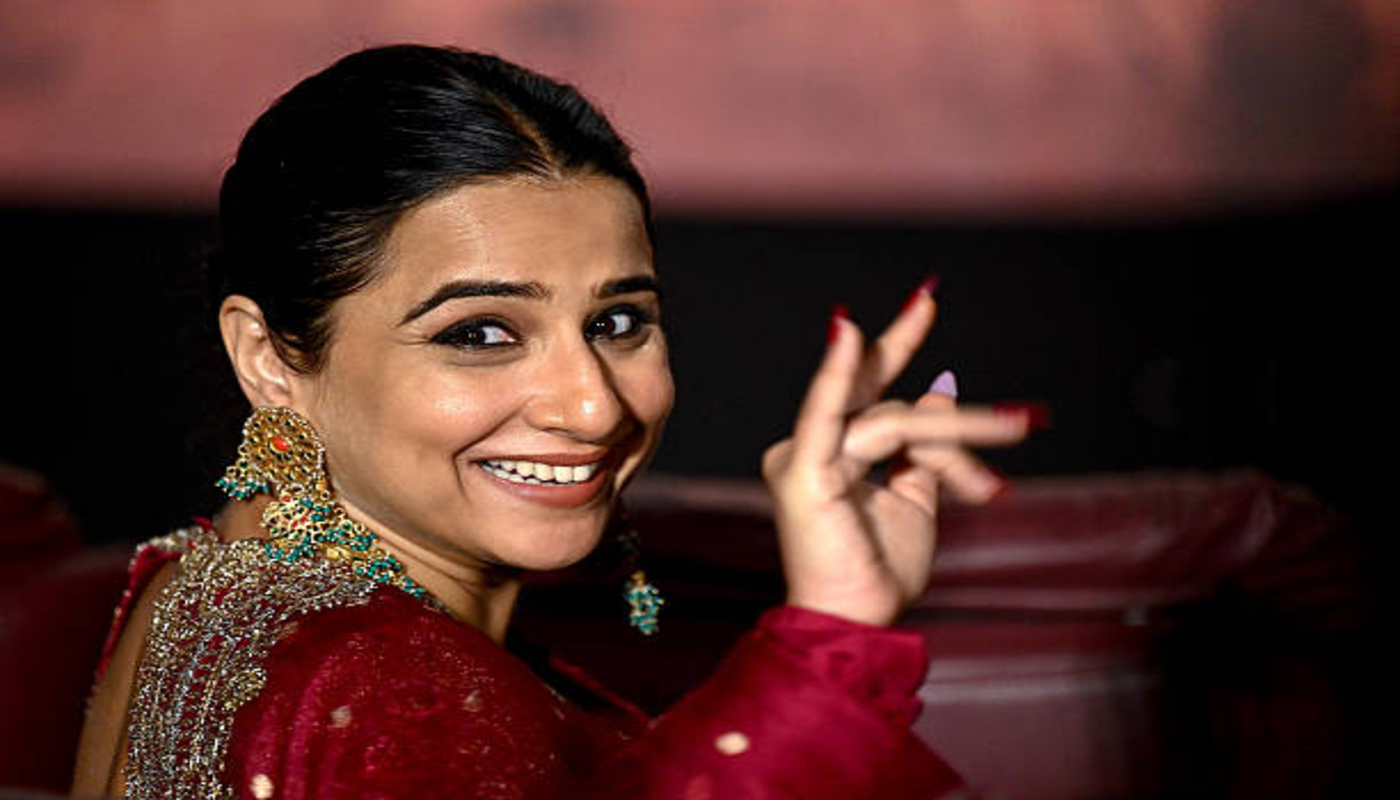
There are moments in popular culture when one person quietly changes the conversation—not through protest slogans or dramatic declarations, but simply by refusing to disappear into expectations. Indian actress Vidya Balan represents one of those moments. In an entertainment industry where actresses have historically been judged as much by waistlines as by performances, she built a career centered on acting rather than aesthetic conformity.
Her journey was never merely about clothing choices, body size, or fashion criticism. It became a larger cultural case study about identity, autonomy, professionalism, and the right of women to exist in public spaces without being constantly evaluated against beauty ideals. While Bollywood has gradually diversified over the years, many of its unwritten rules remain deeply tied to physical appearance. Against that backdrop, Vidya Balan’s refusal to reshape herself according to those expectations became a meaningful form of cultural resistance.
Importantly, this resistance was neither loud nor hostile. Through interviews over the years, Balan has consistently spoken about accepting herself, questioning unrealistic expectations, and prioritizing health, confidence, and authenticity over public approval. Rather than positioning herself as someone fighting against beauty itself, she questioned why beauty had become so narrowly defined.
Her story therefore belongs not simply to Indian cinema but to a much broader global discussion about body image, gender expectations, media representation, and psychological well-being. It offers lessons that extend far beyond celebrity culture.
What Brands and Advertisers Can Learn from Vidya Balan’s Influence
Vidya Balan’s public image also offers valuable lessons for brands, advertisers, and marketers seeking to build authentic relationships with consumers. For years, beauty and fashion advertising across South Asia relied heavily on narrow visual standards, often presenting one type of body, complexion, and style as universally desirable. As audiences have become more media literate, however, they increasingly reward campaigns that reflect real diversity rather than manufactured perfection. Balan’s appeal has never depended on fitting a single commercial beauty template; instead, it has grown through credibility, confidence, and consistency. This demonstrates that trust is often more powerful than unattainable aspiration. Brands partnering with public figures who embrace authenticity can encourage healthier consumer relationships by celebrating individuality instead of insecurity. Such an approach does not reject fashion, cosmetics, or self-expression—it simply reframes them as tools for personal creativity rather than measures of human worth. In an era where consumers quickly recognize unrealistic marketing, authenticity has become a competitive advantage. Vidya Balan’s career suggests that representation is not merely a social responsibility but also a business opportunity, allowing companies to connect with audiences who are increasingly seeking honesty, emotional intelligence, and inclusivity in the stories they consume and the products they choose to support.
Bollywood’s Long History of the “Ideal Heroine”
To understand why Vidya Balan’s choices mattered, one must first understand Bollywood’s visual culture.
For decades, Hindi cinema developed an increasingly standardized image of the commercially successful actress. While beauty ideals shifted slightly from generation to generation, certain expectations remained remarkably stable:
- Slim figure
- Youthful appearance
- Fair or camera-friendly complexion
- Fashion-forward styling
- Continuous maintenance of glamour
- Public image carefully aligned with desirability
These expectations were reinforced through magazine covers, advertising campaigns, award shows, interviews, and film promotions. Success often depended not only on acting ability but on fitting a commercially marketable visual identity.
Unlike male actors—who were frequently allowed greater flexibility regarding age, appearance, or physical diversity—women often faced far stricter scrutiny.
Media conversations frequently prioritized:
- Who had “transformed.”
- Who had “lost weight.”
- Who looked “camera ready.”
- Who was “fit enough” for certain roles.
In such an environment, appearance became intertwined with employability.
This dynamic is hardly unique to India. Hollywood, Korean entertainment, Latin American television industries, and European fashion circles have all produced similar pressures. Yet Bollywood’s combination of celebrity worship, beauty advertising, and cultural expectations surrounding femininity made these conversations particularly intense.
Vidya Balan Entered the Industry Without Fitting the Template
When Vidya Balan entered mainstream Hindi cinema after the success of Parineeta (2005), audiences immediately recognized her acting talent.
However, critical acclaim did not shield her from appearance-based commentary.
Throughout various stages of her career, fashion critics, entertainment columns, and online discussions repeatedly focused on what she wore, how she looked, and whether she aligned with Bollywood’s evolving beauty standards.
Many actresses facing similar scrutiny choose extensive image reinvention.
Balan largely chose another path.
She continued selecting performance-oriented roles while gradually becoming increasingly vocal about rejecting constant external validation.
This distinction matters.
She did not reject fashion.
She did not reject beauty.
She rejected the idea that a woman’s professional value should depend upon satisfying everyone else’s expectations.
Public Interviews That Changed the Conversation
Across numerous interviews over the years, Vidya Balan has spoken candidly about her relationship with body image.
She has acknowledged that criticism affected her emotionally during earlier stages of her career.
Rather than pretending complete confidence from the beginning, she described a gradual journey toward self-acceptance.
In various interviews with respected publications and television platforms, she has discussed:
- Learning to separate self-worth from public opinion.
- Recognizing that constant criticism can become psychologically exhausting.
- Choosing not to allow strangers to define her identity.
- Accepting that pleasing everyone is impossible.
- Understanding that confidence develops over time rather than appearing instantly.
This honesty resonated because it reflected experiences familiar to millions of women outside celebrity culture.
Self-acceptance was presented not as perfection but as ongoing practice.
Refusing the Endless “Transformation Narrative”
Celebrity culture often celebrates physical transformation stories.
Entertainment headlines frequently reward narratives built around dramatic before-and-after comparisons.
This framing suggests that becoming thinner automatically represents success, discipline, or personal growth.
Vidya Balan consistently challenged this assumption.
Instead of presenting her career through physical transformation, she emphasized artistic evolution.
Her interviews repeatedly redirected attention toward:
- Character development
- Storytelling
- Script quality
- Performance
- Emotional authenticity
This subtle shift matters because audiences absorb not only films but also the values promoted around those films.
When actresses become known primarily for transformations rather than performances, young viewers may internalize the belief that appearance is the highest achievement available to women.
Balan’s public messaging offered an alternative.
Clothing Became a Symbol of Self-Expression
Fashion criticism became another recurring aspect of Vidya Balan’s public life.
She has openly discussed feeling uncomfortable in clothing that did not reflect her personality.
Eventually she embraced sarees more consistently, not because tradition required it but because she personally felt confident wearing them.
This distinction deserves attention.
Women’s clothing choices are often interpreted through simplistic binaries:
- Traditional versus modern
- Conservative versus fashionable
- Feminine versus powerful
Vidya Balan disrupted those assumptions.
Her sarees became symbols of autonomy rather than conformity.
She demonstrated that confidence does not come from following trends but from wearing what aligns with one’s identity.
In doing so, she challenged another stereotype: that empowerment always requires adopting Western fashion aesthetics.
Authenticity, not trend-following, became the central message.
Psychological Freedom Is Often More Radical Than Physical Transformation
One of the most overlooked aspects of body inclusivity is mental liberation.
Changing one’s appearance is often easier than changing deeply internalized beliefs.
Through interviews, Vidya Balan has repeatedly suggested that genuine confidence begins internally rather than externally.
Psychologists studying body image frequently note that dissatisfaction is often maintained by constant comparison.
Comparison thrives in environments where people continuously measure themselves against celebrities, influencers, edited photographs, or unrealistic beauty ideals.
By refusing to participate fully in this comparison economy, Balan modeled a different relationship with visibility.
She acknowledged criticism without allowing criticism to become identity.
That distinction represents psychological resilience rather than denial.
Female Success Beyond Conventional Glamour
Perhaps Vidya Balan’s greatest cultural contribution lies in proving commercial success without depending entirely upon conventional glamour.
Films such as The Dirty Picture, Kahaani, Tumhari Sulu, and Sherni demonstrated that audiences could embrace complex female protagonists whose stories extended beyond romance or decorative screen presence.
These films also shifted industry assumptions.
Instead of asking whether audiences would accept women outside conventional visual templates, producers increasingly began asking whether audiences valued compelling storytelling.
This represents a profound change.
When commercially successful films center women’s intelligence, ambition, humor, courage, and emotional complexity, beauty becomes one characteristic among many—not the defining feature.
Media Scrutiny Revealed Society’s Double Standards
The intense attention directed toward Vidya Balan’s appearance also revealed broader cultural contradictions.
Male actors have often received praise for aging naturally, developing “character,” or embracing maturity.
Women, however, are frequently expected to remain permanently youthful.
This asymmetry reflects larger gender dynamics rather than individual prejudice.
Women’s bodies often become public property for commentary.
Every outfit, hairstyle, facial expression, and photograph can become material for evaluation.
Vidya Balan’s experience highlighted this imbalance without reducing herself to victimhood.
Instead, she consistently redirected conversations toward agency.
Her question was not simply why criticism existed.
It was why criticism held so much cultural authority.
A Wider Conversation About Representation
Representation matters because repeated images shape expectations.
If audiences repeatedly encounter only one version of feminine beauty, diversity gradually appears abnormal.
Vidya Balan expanded visible possibilities.
She represented women who:
- Valued intelligence.
- Pursued careers.
- Displayed emotional complexity.
- Occupied leading roles.
- Made independent decisions.
- Did not apologize for taking up space.
This broader representation contributes to healthier media ecosystems.
Viewers benefit from seeing multiple versions of confidence rather than one standardized ideal.
Global Parallels: A Worldwide Conversation
Vidya Balan’s cultural significance extends beyond India.
Across different countries, numerous public figures have questioned appearance-based expectations.
Hollywood has witnessed actresses discussing ageism and unrealistic beauty standards.
British media has increasingly explored body neutrality.
Australian campaigns have promoted digital transparency regarding edited images.
South Korean conversations have questioned cosmetic pressures.
Fashion industries worldwide have gradually expanded representation, although progress remains uneven.
These developments demonstrate that body inclusivity is not an isolated national issue.
Instead, it reflects a global reassessment of how societies define beauty, professionalism, and success.
Vidya Balan’s voice contributes an important South Asian perspective to this international dialogue.
Why Her Message Resonated With Ordinary Women
Celebrity influence becomes meaningful only when audiences recognize themselves in a public figure’s experiences.
Many women have described feeling pressured to:
- Look a certain way for weddings.
- Maintain particular appearances at work.
- Meet family expectations.
- Fit cultural beauty standards.
- Avoid public criticism.
Vidya Balan’s interviews often acknowledged these everyday realities.
Rather than presenting confidence as effortless, she described learning to value herself independently of constant external approval.
This honesty made her message more relatable than polished celebrity perfection.
The Difference Between Body Positivity and Body Autonomy
One of the most nuanced aspects of Vidya Balan’s public messaging is that it aligns more closely with body autonomy than simplistic positivity.
Body positivity sometimes encourages loving every aspect of one’s appearance every single day.
For many people, that expectation itself becomes exhausting.
Body autonomy offers a different perspective.
It emphasizes the right to make personal decisions without coercion.
Vidya Balan’s public statements consistently reflect this principle.
Whether discussing fashion, appearance, or confidence, she has emphasized personal choice rather than universal rules.
Her message is not:
“You must look like me.”
Instead, it is:
“You deserve the freedom to decide who you want to be.”
That distinction makes her influence both inclusive and sustainable.
Social Media Changed the Landscape—but Not Always for the Better
The rise of Instagram, TikTok, and other visual platforms intensified existing beauty pressures.
Filters, editing applications, curated lifestyles, and algorithm-driven aesthetics now influence self-perception across generations.
Young audiences encounter thousands of highly polished images daily.
Against this backdrop, celebrities who discuss authenticity carry increasing importance.
Vidya Balan has repeatedly encouraged people not to let external validation determine internal worth.
Although these messages compete against powerful commercial beauty industries, they introduce healthier narratives into digital culture.
Even small shifts matter.
Every public conversation questioning unrealistic standards expands the space for self-acceptance.
Lessons for the Entertainment Industry
Vidya Balan’s career suggests several broader lessons for filmmakers, producers, advertisers, and media organizations.
First, audiences appreciate authenticity.
Second, compelling storytelling often outlasts aesthetic trends.
Third, diversity strengthens rather than weakens creative industries.
Finally, reducing actresses to physical appearance limits artistic potential.
Entertainment industries thrive when talent receives greater emphasis than conformity.
This lesson extends beyond Bollywood into advertising, television, streaming platforms, fashion campaigns, and digital content creation.
Young Artists Are Inheriting a Different Conversation
Emerging actors today still encounter significant appearance pressures.
However, they also inherit examples of successful performers who challenged traditional expectations.
Vidya Balan joins a growing group of artists who expanded opportunities by demonstrating that audiences value authenticity alongside glamour.
This creates more space for future performers with diverse appearances, identities, and artistic styles.
Progress remains incomplete.
Yet cultural change often occurs gradually through cumulative examples rather than dramatic revolutions.
Why Her Legacy Matters Beyond Cinema
Years from now, audiences may remember Vidya Balan not only for acclaimed performances but for redefining what female confidence could look like within mainstream Indian cinema.
She demonstrated that refusing unnecessary conformity can itself become an act of leadership.
Her legacy encourages conversations about:
- Mental well-being
- Self-respect
- Representation
- Gender expectations
- Media literacy
- Cultural diversity
- Personal agency
These discussions extend far beyond celebrity culture.
They shape classrooms, workplaces, families, advertising campaigns, and digital communities.
In this sense, her influence belongs as much to social psychology as to cinema.
Conclusion: Choosing Authenticity Over Approval
Vidya Balan’s refusal to conform to Bollywood’s traditional body norms was never simply about rejecting criticism or ignoring fashion. It reflected a deeper commitment to authenticity, personal agency, and artistic integrity. Throughout her career, she consistently redirected public attention from appearance to performance, from external validation to inner confidence, and from narrow beauty standards to broader conversations about identity and self-worth.
Her journey also reminds us that body inclusivity is not about replacing one ideal with another. It is about expanding the range of stories, appearances, and experiences that society considers worthy of respect. By embracing clothing that made her feel comfortable, selecting roles that highlighted substance over stereotypes, and speaking honestly about the emotional impact of public scrutiny, she helped normalize the idea that success does not require sacrificing individuality.
The entertainment industry is gradually changing, but its evolution depends on artists who are willing to challenge long-standing assumptions through their work and public voices. Vidya Balan’s cultural significance lies in showing that confidence can coexist with vulnerability, that authenticity can be commercially successful, and that representation grows stronger when people refuse to be reduced to appearances.
For audiences around the world, her example offers a lasting reminder: true inclusivity begins when people are valued for the fullness of who they are—not merely for how closely they resemble society’s changing ideals of beauty.
Sources: The Indian Express, Hindustan Times, Vogue India, Film Companion, India Today, The Times of India, NDTV, CNBC-TV18, Forbes India