 by
Introduction: When Love Stops Looking Like a Magazine Cover
For decades, popular culture has taught audiences what romance should look like. It has appeared in beautifully decorated wedding venues, cinematic sunset proposals, perfectly coordinated couples’ wardrobes, expensive anniversary surprises and photographs in which every detail seems deliberately arranged. From Hollywood romantic comedies to celebrity wedding albums, the visual language of love has often suggested that a successful relationship should also be visually impressive.
Yet something is changing.
Across social media platforms, contemporary cinema, digital storytelling and everyday conversations, audiences are increasingly making room for romantic narratives that feel less polished and more emotionally recognisable. A couple laughing at an inconvenient moment, partners navigating financial uncertainty, two people learning to communicate after an argument, or a wedding celebrated without extravagant production can sometimes communicate more about love than an elaborate collection of perfectly composed photographs.
This shift does not necessarily indicate that people have stopped appreciating beauty, romance or celebration. Rather, it reflects a growing distinction between looking like a happy couple and experiencing a meaningful relationship.
The difference matters because romantic imagery does more than entertain. It influences expectations about attractiveness, desirability, partnership, marriage, emotional availability and even what individuals believe they must offer to become worthy of love.
For people whose bodies, financial circumstances, cultural backgrounds or personal circumstances do not fit conventional romantic imagery, the dominance of aesthetic perfection can create an additional barrier to representation. When popular culture repeatedly associates romance with conventionally attractive bodies, expensive lifestyles and carefully constructed appearances, it can unintentionally communicate that some people are more naturally suited to love than others.
The growing appreciation for authentic love stories challenges that assumption.
It invites audiences to consider relationships through the qualities that sustain them: emotional security, mutual respect, humour, trust, compatibility, vulnerability and the freedom to exist without constantly performing an idealised version of oneself.
The emerging cultural conversation is therefore not simply about preferring candid photographs over professional ones. It is about redefining the emotional and social meaning of romance itself.
1. How Aesthetic Perfection Became Part of Romantic Culture
Romantic relationships have always been influenced by the cultural ideals of their time. Literature, cinema, advertising, fashion and popular entertainment have repeatedly established visual expectations surrounding courtship and marriage.
Traditional romantic storytelling often connected love with transformation. The ordinary protagonist would undergo a makeover, acquire a more sophisticated appearance, enter an impressive social environment or become visibly desirable before receiving romantic recognition.
The familiar makeover narrative communicated an influential message: becoming more attractive could make someone more deserving of affection.
Although these stories were frequently presented as harmless entertainment, their repeated appearance helped establish a relationship between physical presentation and romantic success.
The growth of celebrity culture further strengthened this association. Public relationships became spectacles involving coordinated appearances, extravagant celebrations, designer clothing and carefully documented milestones.
Eventually, social media made this visual language accessible to ordinary users.
People no longer needed to be celebrities to document their romantic lives. Engagement announcements, anniversary photographs, surprise proposals, vacations and wedding ceremonies could all become public displays of relationship identity.
Instagram, Pinterest and TikTok transformed romantic experiences into highly shareable visual content.
A proposal could become a production involving professional photographers, elaborate decorations and a carefully selected location. A wedding could be planned around a particular visual theme. Even an ordinary anniversary could acquire expectations involving expensive gifts or a memorable public gesture.
None of these activities is inherently superficial. Creating beautiful memories can be an expression of affection, creativity and cultural celebration.
The problem emerges when the appearance of romance becomes confused with its emotional substance.
A photograph can demonstrate that a couple visited an expensive destination. It cannot establish whether they communicate respectfully, share responsibilities or feel emotionally safe together.
Similarly, an elaborate wedding can represent a meaningful family celebration without necessarily revealing anything about the relationship that follows.
The cultural challenge is learning to distinguish the visual presentation of love from the lived experience of loving another person.
2. Social Media and the Performance of Being a Perfect Couple
Social media has fundamentally changed how relationships are presented to the outside world.
In previous generations, romantic milestones were primarily shared through family photographs, personal conversations and private celebrations. Today, a single relationship announcement can reach hundreds or thousands of people.
This visibility introduces a new dimension: relationships are not only experienced but also represented.
Couples may consider how their photographs look, which moments deserve publication and how their relationship compares with the experiences appearing on their feeds.
The result can be a subtle form of romantic performance.
A couple might feel pressure to demonstrate affection publicly, celebrate milestones in particular ways or maintain an attractive online identity. Even when these behaviours begin as enjoyable activities, they can become expectations.
Research published in Social Science Computer Review in 2025 examined the relationship between exposure to positively biased portrayals of romance and young adults’ romantic outcomes.
The study surveyed 605 participants and found that perceived exposure to idealised relationship portrayals was negatively associated with relationship satisfaction among young adults already in committed relationships. The findings also suggested that such exposure could influence partner expectations among single participants, although the relationship between those expectations and fear of being single was not established.
Importantly, the research does not demonstrate that every romantic photograph harms relationships. Instead, it illustrates how consistently idealised representations can become relevant to the expectations people bring into their own romantic lives.
This distinction is particularly important because social media operates through selective visibility.
People generally share moments they consider worth remembering. Difficult conversations, mundane responsibilities, disagreements and periods of uncertainty are less likely to become part of a couple’s public identity.
Consequently, audiences may compare their complete relationships with carefully selected fragments of someone else’s.
A relationship experiencing an ordinary difficult week can suddenly appear unsuccessful beside a feed filled with anniversary celebrations and affectionate declarations.
Authentic love stories challenge this comparison by introducing a more realistic understanding of romantic life.
They make space for the possibility that happiness can coexist with inconvenience, that affection does not always require public documentation and that a relationship’s value cannot be measured through its visual presentation.
3. The Psychological Value of Being Loved Without Performing Perfection
One of the most significant aspects of authentic romance is the psychological experience of being accepted without constantly managing one’s appearance or behaviour.
In a relationship shaped primarily by performance, individuals may become preoccupied with maintaining an ideal identity.
They might worry about appearing attractive, remaining entertaining, avoiding vulnerability or presenting themselves as consistently confident.
This can create emotional distance between the person someone actually is and the person they believe they must become to remain desirable.
Authenticity offers another possibility.
It involves being able to communicate honestly, acknowledge uncertainty, express personal preferences and recognise imperfections without assuming that every vulnerable moment threatens the relationship.
Research published in the Journal of Experimental Social Psychology examined perceived authenticity in romantic partners.
Robert E. Wickham’s 2013 study found associations between perceived partner authenticity, trust, relationship satisfaction and commitment. Its experimental and correlational findings suggested that experiencing a partner as authentic could encourage more adaptive relationship goals and greater interpersonal trust.
This research provides a useful psychological foundation for understanding why authentic love stories resonate.
Audiences are not necessarily attracted to imperfection for its own sake. They are responding to the emotional possibility of relationships in which people do not need to maintain an exhausting performance.
A person can be attractive without being perfectly styled every day. A partner can be confident while acknowledging insecurity. Someone can experience professional success while still needing emotional support.
These experiences are not contradictions.
They are part of being human.
For people who have grown up believing that desirability depends on meeting strict physical or social expectations, representations of unconditional respect can be particularly meaningful.
They communicate that affection does not have to be earned through constant self-improvement.
However, authenticity should not be confused with the absence of effort. Relationships still require consideration, personal responsibility, emotional regulation and respect for boundaries.
Being genuine does not mean refusing to grow. It means allowing growth to emerge from mutual care rather than the fear of becoming unlovable.
4. Body Inclusivity and the Right to Be Represented in Love Stories
The relationship between body image and romantic representation deserves particular attention.
For much of modern popular entertainment, romantic leads have generally been selected according to narrow standards of physical attractiveness. Mainstream storytelling has often centred conventionally beautiful, youthful and socially desirable characters.
This has influenced more than casting decisions.
It has shaped the visual imagination of romance itself.
Audiences have repeatedly encountered images of couples whose physical appearance, clothing, surroundings and lifestyles communicate a particular version of desirability.
People outside those conventions may consequently find fewer representations of themselves experiencing romantic affection.
Body inclusivity introduces a necessary correction.
It asks why romance should be reserved for particular body types, ages, physical abilities or appearances.
A meaningful romantic narrative does not require every character to possess the same physical characteristics. Nor should body diversity be treated as an exceptional storyline that must revolve entirely around someone’s appearance.
A person with a larger body can be the romantic lead in a story about ambition, humour, emotional intimacy or family relationships.
An older couple can experience tenderness and excitement without their relationship being reduced to a lesson about ageing.
A disabled person can participate in a romantic narrative that explores their individuality rather than treating disability as the sole defining feature of their identity.
Similarly, people with visible skin differences, unconventional appearances and diverse physical characteristics deserve representation in ordinary romantic situations.
The important distinction is between inclusion and tokenism.
Representation becomes meaningful when diverse people are allowed to experience the complete range of human relationships. They should be able to fall in love, make mistakes, experience joy, disagree, build families, pursue independence and establish boundaries.
Their stories should not exist exclusively to educate audiences about their differences.
Authentic romantic representation also challenges the idea that physical attraction is a universal formula.
People experience attraction differently. Personal chemistry, cultural familiarity, emotional connection, shared humour and individual preferences can all contribute to romantic interest.
There is no single appearance that determines whether someone can be loved.
For Body Inclusivity, this conversation is especially significant because body acceptance should extend beyond the individual relationship someone has with a mirror.
It should also include the cultural freedom to imagine oneself as desirable, romantic and worthy of partnership.
5. Cinema’s Changing Relationship With Ordinary Romance
Cinema has long influenced public expectations about love.
Romantic films traditionally relied on visual spectacle, dramatic encounters, glamorous transformations and emotionally heightened declarations.
These conventions remain popular, but another tradition has developed alongside them: stories that explore intimacy through everyday circumstances.
Importantly, ordinary romantic storytelling is not entirely new.
Film historian Judith Smith examined this tradition in her chapter, “Talking Back to Hollywood: Ordinary Love Stories on Film, 1946–1964,” published in the academic collection Understanding Love: Philosophy, Film, and Fiction.
Her analysis discussed films such as Marty (1955) and Nothing But a Man (1964), which presented romance and marriage through working-class experiences rather than relying exclusively on Hollywood glamour.
These films explored relationships within economic limitations, social pressures and ordinary community environments. They demonstrated that intimate relationships could carry considerable emotional significance without requiring extravagant settings or idealised lifestyles.
This history matters because the contemporary interest in authentic romance is not simply a rejection of cinematic tradition.
It represents the renewed appreciation of an alternative tradition that has always existed.
In contemporary storytelling, audiences can find romance in narratives involving family obligations, career uncertainty, cultural differences, financial pressures and the difficult process of understanding another person.
The appeal lies in recognition.
A beautifully staged romantic encounter can be entertaining, but an emotionally convincing conversation between two imperfect people can remain with audiences for much longer.
Cinema also has an opportunity to broaden the definition of romantic chemistry.
Instead of relying exclusively on conventional beauty or spectacular attraction, filmmakers can build emotional connection through dialogue, shared experiences, conflicting personalities and gradual trust.
The result can be a more varied cinematic landscape in which romance belongs to a wider range of people.
6. The Wedding Industry and the Pressure to Have a Perfect Love Story
Few cultural events demonstrate the relationship between romance and aesthetic expectations as clearly as weddings.
A wedding is simultaneously a personal milestone, a family gathering, a cultural ritual and, increasingly, a visual event.
Its meaning varies significantly across communities.
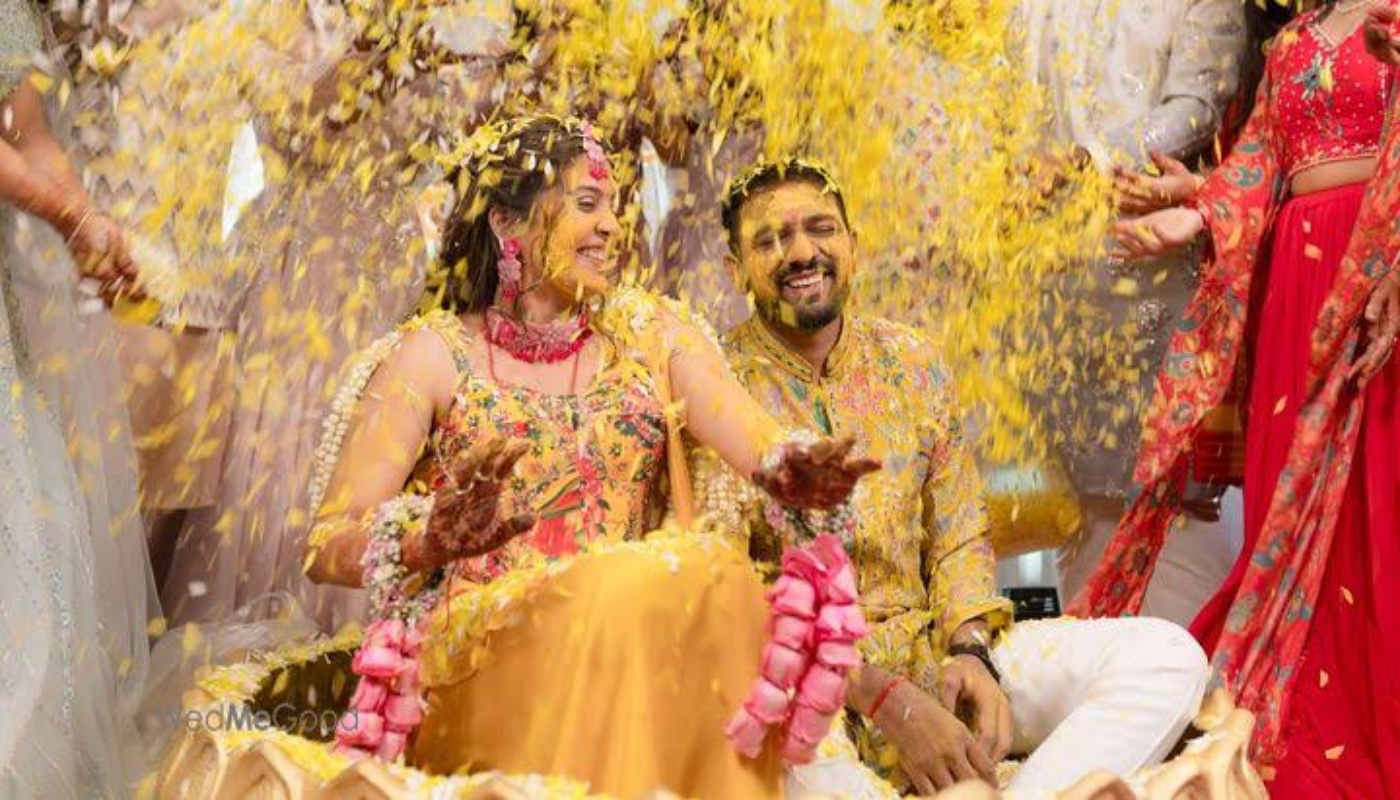
In South Asian cultures, for example, weddings can involve multiple ceremonies, family traditions, elaborate clothing, jewellery, food and collective celebration. In many other societies, wedding customs may prioritise religious observance, intimate gatherings or particular community rituals.
These differences should not be reduced to a single global standard.
However, the influence of social media has introduced additional visual expectations into wedding planning across different cultural settings.
Couples can now encounter endless examples of destination weddings, elaborate floral arrangements, professionally styled photographs and carefully coordinated celebrations.
This creates an interesting contradiction.
People increasingly want weddings that express their individuality, yet the visual references available to them can encourage remarkably similar choices.
Sociologists Julia Carter and Simon Duncan explored this contradiction in their 2016 research, “Wedding Paradoxes: Individualized Conformity and the ‘Perfect Day’.”
Their research examined how couples negotiate the desire for a personal wedding while drawing upon established cultural traditions and expectations.
They described this tension through the concept of individualized conformity: people want their celebrations to feel uniquely theirs, but often reproduce recognisable cultural ideas about what a successful wedding should look like.
This framework remains valuable when considering contemporary wedding culture.
The question is not whether couples should spend money on beautiful celebrations. It is whether the celebration reflects their priorities or an external definition of romantic achievement.
A simple ceremony can be deeply meaningful. An elaborate celebration can be equally meaningful.
Neither format automatically demonstrates the quality of a marriage.
The growing interest in authenticity encourages couples to consider what they actually want rather than treating every wedding trend as an obligation.
For some, that might mean a large traditional celebration. For others, it might mean a smaller gathering, a courthouse ceremony or a private exchange of vows.
The freedom to choose is more important than the appearance of perfection.
7. Digital Dating and the Desire to Be Seen as a Real Person
Online dating has made self-presentation an important part of contemporary romantic culture.
Dating profiles often require individuals to communicate their personalities through photographs, short descriptions and selected personal details.
This creates a particular challenge.
People want to attract potential partners, but they also want to be recognised for who they genuinely are.
Research published in the Journal of Computer-Mediated Communication by Nicole Ellison, Rebecca Heino and Jennifer Gibbs explored this tension in their 2006 study, “Managing Impressions Online: Self-Presentation Processes in the Online Dating Environment.”
Based on interviews with 34 online dating participants, the researchers found that individuals navigated competing pressures between presenting themselves positively and communicating an authentic sense of identity.
Participants often attempted to portray an ideal version of themselves while also considering the importance of honesty and credibility.
This tension has become increasingly relevant as dating platforms have developed.
A photograph can communicate attractiveness, but it cannot fully reveal someone’s emotional availability, values, communication style or ability to build a healthy relationship.
Similarly, a carefully written profile may present an appealing personality without communicating the complexities that emerge through actual interaction.
A 2025 study published in Personality and Social Psychology Bulletin, titled “Who Did I Swipe On? Accuracy and Self-Presentation in Online Dating,” further explored how online daters present their personalities.
The researchers found that participants could successfully communicate the impressions they wanted others to form, including impressions that did not always accurately reflect how they viewed themselves.
The findings underline an important limitation of profile-based romantic selection: people may not always be able to recognise the difference between a carefully curated impression and a person’s everyday personality.
This does not mean online dating is inherently superficial.
Digital platforms have helped people connect beyond geographical boundaries, social circles and traditional meeting environments.
However, authentic romantic connections require opportunities to move beyond the initial presentation.
The most useful question is not simply whether someone has an attractive profile.
It is whether the interaction creates room for honesty, curiosity, mutual respect and genuine compatibility.
8. Cultural Differences: Authentic Romance Does Not Look the Same Everywhere
Authenticity is often discussed as though it has one universal expression.
In reality, the meaning of an authentic relationship is influenced by cultural values, family structures, religious traditions, economic circumstances and expectations surrounding partnership.
In some societies, romantic independence and individual choice are emphasised. In others, family participation and collective responsibilities remain central to relationship decisions.
Neither context should automatically be treated as more authentic than the other.
A relationship can be deeply personal while remaining connected to family traditions.
South Asian Romance: Between Personal Choice and Collective Expectations
In South Asian societies, romantic relationships frequently exist within broader family and community structures.
Marriage may involve negotiations between individual preferences and family expectations. Wedding celebrations can become collective expressions of identity, religious belonging and social connection.
The growing interest in authentic love stories creates an opportunity to represent this complexity.
A meaningful South Asian romantic narrative does not have to portray family involvement as an obstacle or individual independence as the only measure of freedom.
It can explore couples navigating expectations, establishing boundaries, communicating with relatives and finding ways to honour traditions while developing their own understanding of partnership.
For example, an emotionally convincing story might explore two people negotiating household responsibilities, managing different career ambitions or discussing the financial realities of marriage.
These subjects may appear less visually dramatic than a grand proposal, but they reflect important dimensions of real relationships.
South Asian audiences also benefit from seeing different body types and appearances represented in romantic roles without turning physical difference into the central conflict.
Love should not be depicted as a privilege reserved for people who meet narrow beauty standards.
East Asian Dating Cultures: Different Approaches to Self-Presentation
Cross-cultural research demonstrates that romantic self-presentation is not identical everywhere.
A 2022 study published in Current Research in Ecological and Social Psychology examined dating profiles from American and Hong Kong Chinese dating websites.
The research analysed 600 profiles, finding differences in relationship goals and self-presentation strategies.
Users of the American platforms were more likely to emphasise positive personal attributes and individual uniqueness. Hong Kong Chinese users were more likely to employ self-effacing approaches, including acknowledging less favourable characteristics.
The researchers connected these differences to broader social and ecological contexts, including relational mobility.
Although this study should not be treated as a complete description of either society, it demonstrates why cultural context matters.
Authenticity is not necessarily communicated through identical behaviours.
Some individuals express sincerity through direct emotional disclosure. Others may demonstrate it through modesty, consistency, attentiveness or actions that reinforce their words.
Understanding these differences prevents the conversation about authentic romance from becoming culturally narrow.
Western Romance: Independence, Compatibility and Emotional Transparency
In many Western romantic narratives, personal choice, individual identity and emotional compatibility occupy prominent positions.
Contemporary audiences increasingly encounter stories about negotiating independence within relationships, communicating personal boundaries and choosing partners based on shared values.
However, Western romantic culture is not free from aesthetic expectations.
Dating apps, celebrity relationships and lifestyle advertising can create substantial pressure to appear attractive, successful and socially desirable.
The growing appreciation for ordinary romantic experiences therefore represents an important development across different Western communities as well.
Authenticity becomes meaningful when people can establish relationships without constantly measuring themselves against an idealised lifestyle.
African and Middle Eastern Perspectives: Community, Tradition and Modern Intimacy
African and Middle Eastern romantic experiences are equally diverse.
Different communities place varying degrees of importance on religious traditions, extended families, courtship practices and community participation.
Romantic authenticity within these environments may involve balancing personal affection with collective responsibilities.
Contemporary storytelling has an opportunity to move beyond simplistic portrayals of tradition as restrictive or modernity as automatically liberating.
It can explore how people negotiate love within the realities of their social environments.
A couple’s ability to communicate honestly, respect each other’s choices and navigate responsibilities can be central to an authentic relationship regardless of the cultural framework in which it develops.
The larger lesson is that genuine romance does not require cultural uniformity.
9. The Importance of Showing Ordinary Moments
One reason authentic love stories feel emotionally powerful is that they recognise the significance of ordinary experiences.
Popular romantic narratives frequently focus on dramatic milestones: the first meeting, the proposal, the wedding, the reunion or the declaration of love.
Yet much of a relationship takes place between these moments.
It exists in conversations about daily responsibilities, shared meals, small acts of consideration and the gradual development of familiarity.
Ordinary moments can communicate emotional intimacy without requiring dramatic gestures.
A partner remembering an important detail, offering support during a difficult day or making space for an uncomfortable conversation can represent meaningful affection.
These experiences may never become particularly impressive social media content.
Nevertheless, they are often central to how people experience care.
The cultural importance of ordinary romance lies in its ability to expand the definition of what deserves recognition.
A relationship does not need a spectacular public moment to be meaningful.
It can be built through consistency.
This is particularly valuable for people whose lives do not resemble the lifestyles promoted by celebrity culture or luxury advertising.
Romantic fulfilment should not depend on international holidays, designer gifts, expensive restaurants or elaborate celebrations.
Those experiences can be enjoyable, but they are not universal requirements for affection.
10. Why Vulnerability Is Becoming an Important Part of Romantic Storytelling
Traditional romantic ideals have sometimes associated love with confidence, emotional control and the ability to appear consistently desirable.
Contemporary discussions increasingly recognise vulnerability as an important component of intimacy.
Vulnerability involves communicating feelings that may be difficult to express.
It can mean acknowledging uncertainty, discussing personal boundaries, admitting mistakes or explaining emotional needs.
Authentic romantic narratives can show these experiences without presenting them as weaknesses.
For example, a couple learning to communicate after misunderstanding each other may offer a more useful representation of relationship development than a storyline in which two people appear perfectly compatible from the beginning.
However, vulnerability should not be romanticised without qualification.
Emotional openness does not excuse disrespect, manipulation or repeated harmful behaviour.
Similarly, the expectation that someone should accept every aspect of a partner’s behaviour in the name of authenticity can become damaging.
Healthy relationships require both acceptance and accountability.
The important distinction is between accepting a person’s humanity and excusing conduct that undermines another person’s wellbeing.
This nuance makes authentic romance more compelling.
It recognises that people are imperfect while maintaining that they remain responsible for how they treat each other.
11. Celebrity Culture and the Changing Language of Romantic Visibility
Celebrity relationships have historically occupied an influential position in shaping popular ideas about romance.
Public appearances, wedding photographs, anniversary messages and shared interviews can become cultural reference points.
However, celebrity relationships also exist within an environment where personal branding, publicity and commercial partnerships can influence what audiences see.
This makes it important to distinguish between documented public experiences and assumptions about private relationships.
The broader cultural shift is not dependent on proving that particular celebrities have more authentic relationships than others.
Instead, it concerns the changing standards audiences use when interpreting romantic representation.
A celebrity couple may share an extravagant celebration, while another may communicate affection through understated public appearances.
Neither approach automatically reveals the private quality of their relationship.
What matters culturally is whether audiences recognise that there is no single visual formula for romantic happiness.
Celebrity culture can contribute positively when public figures use documented campaigns, interviews or public appearances to broaden representation.
For example, fashion and advertising campaigns featuring couples with diverse appearances can challenge the assumption that romantic desirability belongs exclusively to conventionally attractive people.
Such representation is most meaningful when diversity appears naturally rather than being treated as an unusual marketing experiment.
The responsibility also extends to entertainment journalism.
Coverage of public relationships should focus on verified information rather than speculation about people’s bodies, private circumstances or personal lives.
Romantic representation becomes more inclusive when the people involved are treated as individuals rather than objects of public judgement.
12. The Commercialisation of Authenticity: Can Being Real Become Another Trend?
The growing appreciation for authenticity introduces an important contradiction.
As audiences become more interested in realistic romantic narratives, brands and content creators may begin marketing authenticity itself.
Unfiltered photographs, candid videos, minimalist weddings and apparently spontaneous relationship content can all become part of carefully constructed commercial strategies.
In other words, being real can become another aesthetic.
This development deserves attention because authenticity is not simply a visual style.
A photograph does not become emotionally genuine because it lacks professional lighting. A couple does not necessarily have a healthier relationship because they avoid posting expensive celebrations.
Likewise, professionally produced content can communicate meaningful personal experiences.
The distinction lies in intention, representation and context.
When authenticity becomes a marketable identity, people may begin feeling pressure to demonstrate that their relationships are sufficiently spontaneous, unconventional or emotionally transparent.
This creates another version of the performance they were supposedly moving away from.
A person may feel that their wedding is not authentic enough because it is too elaborate, or that their relationship is not relatable enough because they enjoy luxury experiences.
That would simply replace one narrow standard with another.
The more constructive approach is to understand authenticity as the freedom to make personal choices without needing to satisfy a particular visual trend.
A couple can love extravagant celebrations and still value emotional intimacy.
Another couple can prefer privacy and simplicity without being considered more genuine.
Authenticity should expand possibilities rather than establish new rules.
13. Economic Realities and the Accessibility of Romantic Happiness
The relationship between aesthetic perfection and economic privilege also deserves examination.
Many idealised representations of romance are connected to financial resources.
Destination weddings, expensive gifts, luxury holidays, designer clothing and elaborate celebrations can communicate social status alongside affection.
When these experiences become common reference points, people with limited financial resources may feel that their relationships are less impressive.
This creates an unnecessary connection between spending power and romantic worth.
Economic circumstances influence relationships in genuine ways.
Couples may have to negotiate rent, employment uncertainty, household responsibilities, family support and future financial planning.
These issues are not romantic failures.
They are ordinary dimensions of building a life together.
Authentic love stories can make these experiences visible without presenting financial hardship as automatically noble or romantic.
They can acknowledge that money matters while rejecting the assumption that a relationship’s emotional quality can be calculated through expenditure.
A thoughtful, affordable celebration can carry profound personal significance.
Likewise, a financially comfortable couple can enjoy luxury without that enjoyment invalidating their emotional connection.
The goal is not to judge how people spend money.
It is to separate the economic presentation of romance from the emotional foundations of partnership.
14. Older Love Stories and the Expansion of Romantic Representation
Another important aspect of authentic romance is the visibility of love across different stages of life.
Popular romantic entertainment has frequently prioritised youthful relationships.
Older adults, despite having diverse emotional and romantic experiences, have often received comparatively limited attention as central romantic characters.
When they do appear, their relationships may be framed primarily through nostalgia, family responsibilities or companionship.
A broader understanding of authentic romance challenges this narrow approach.
Love does not become culturally irrelevant after a particular age.
People can experience attraction, companionship, new relationships, renewed intimacy and emotional connection at different stages of adulthood.
Older couples also offer opportunities to explore romantic experiences that are rarely represented in conventional youth-centred narratives.
These can include navigating changing family responsibilities, developing new shared interests, rediscovering companionship or negotiating independence within long-term partnerships.
Such stories expand the cultural understanding of desirability.
They remind audiences that romantic identity is not limited to youthfulness or a particular physical appearance.
From a body-inclusivity perspective, this is especially important because age-related beauty standards can overlap with restrictive expectations about body shape, skin texture and physical presentation.
Representation should allow people to remain visible as romantic individuals throughout their lives.
15. Authentic Love Stories and the Freedom to Have Different Relationships
The growing appreciation for authentic romance should also include different relationship structures and personal choices.
Not everyone defines romantic fulfilment through marriage.
Some people prefer long-term partnerships without formal marriage. Others value marriage, family life or parenthood. Some individuals prioritise companionship, while others choose to remain single.
A genuinely inclusive cultural conversation should avoid replacing one ideal with another.
It would be contradictory to challenge the pressure of aesthetic perfection while insisting that everyone must pursue the same relationship milestones.
Authenticity requires space for personal choice.
Romantic storytelling can acknowledge different experiences without presenting one life path as universally superior.
It can also explore the fact that healthy relationships are not defined by how closely they resemble popular entertainment.
Some couples are openly affectionate. Others are more private.
Some enjoy frequent celebrations. Others value routine.
Some share nearly every interest, while others maintain independent hobbies and social circles.
The meaningful question is whether their arrangements reflect mutual understanding, consent and respect.
This perspective makes romance more accessible because it allows people to imagine happiness beyond conventional expectations.
16. How Authentic Romance Can Influence Future Media and Advertising
The growing interest in emotionally believable love stories creates opportunities for the entertainment, fashion, beauty and advertising industries.
Brands and media organisations influence cultural expectations through the images they repeatedly circulate.
When romantic campaigns feature only one narrow version of beauty, they reinforce a limited understanding of desirability.
When campaigns include people with different bodies, ages, appearances and backgrounds, they broaden the visual vocabulary of affection.
However, meaningful change requires more than placing diverse people in a photograph.
Representation should be supported by thoughtful storytelling.
A campaign featuring a diverse couple should not rely entirely on the novelty of their appearance. It should allow them to communicate the same emotional range routinely offered to conventional romantic protagonists.
Similarly, filmmakers should create opportunities for diverse performers to occupy leading romantic roles without requiring their identities to become the entire subject of the story.
Writers can also contribute by creating characters with complex motivations, believable disagreements and meaningful personal development.
The future of authentic romantic storytelling depends partly on allowing relationships to exist within complete human narratives.
This means showing joy without excessive idealisation, conflict without unnecessary sensationalism and affection without treating physical perfection as its prerequisite.
17. What Authentic Love Should Mean in the Future
The cultural movement towards authentic love stories offers an opportunity to reconsider the values that romantic representation communicates.
It should not be interpreted as a rejection of beauty, attraction, celebration or romance.
People should remain free to enjoy beautiful weddings, carefully styled photographs, extravagant proposals and fashionable date nights.
The important development is that these experiences no longer need to function as universal measurements of relationship success.
Authentic romance is not defined by looking ordinary.
It is defined by having the freedom to be an individual within a relationship.
That includes the freedom to express emotions, maintain personal ambitions, communicate boundaries, experience physical changes, make mistakes and grow alongside another person.
It also requires recognising that love should not be treated as a reward for achieving a particular appearance.
The cultural shift will become more meaningful when diverse people are represented not simply as exceptions but as ordinary participants in romantic life.
When a film presents a larger-bodied character as a desirable romantic lead without making their body the central storyline, it challenges an established visual hierarchy.
When an older couple receives a meaningful love story, it expands the cultural imagination of intimacy.
When a wedding advertisement portrays a modest celebration with the same emotional significance as a luxury event, it challenges the assumption that financial display determines romantic value.
When social media users share imperfect but respectful moments without feeling compelled to construct a flawless relationship identity, they contribute to a healthier understanding of public intimacy.
None of these changes requires audiences to abandon aspirational storytelling.
They require a wider definition of what is worth aspiring to.
Conclusion: The Most Beautiful Love Story May Be the One That Does Not Need to Look Perfect
The rise of authentic love stories reflects a broader cultural reconsideration of beauty, desirability, emotional intimacy and social expectations.
For generations, romantic imagery has frequently presented love through polished appearances, dramatic gestures and idealised lifestyles. These representations have provided entertainment and inspiration, but they have also contributed to restrictive assumptions about what romantic success should look like.
Today, a more expansive understanding of romance is gaining cultural importance.
Audiences are increasingly encountering stories that recognise ordinary experiences, emotional vulnerability, cultural differences and the diverse people who participate in relationships.
This development matters particularly for body inclusivity because the right to experience romance should never depend on fitting a narrow beauty ideal.
People with different body types, ages, appearances, abilities and economic circumstances deserve to see themselves represented as desirable individuals whose relationships are meaningful in their own right.
At the same time, authenticity must not become another performance. A simple wedding is not automatically more meaningful than an extravagant one, just as an unfiltered photograph does not automatically demonstrate emotional honesty.
The purpose of moving beyond aesthetic perfection is not to establish a new standard of romantic presentation.
It is to remove the expectation that love must look a particular way.
The most meaningful future for romantic storytelling will be one in which people can recognise their experiences across a wider range of narratives. Stories will have room for beautiful celebrations and ordinary evenings, intense attraction and gradual companionship, personal independence and collective traditions.
Ultimately, love is not a photograph, a wedding theme or a carefully curated online identity.
It is an ongoing relationship between people who are willing to recognise one another beyond appearances.
And perhaps that is the most important cultural change taking place: the growing recognition that a love story does not become extraordinary because it looks perfect.
It becomes meaningful because the people living it are allowed to be real.
Sources: Journal of Experimental Social Psychology, Social Science Computer Review, Journal of Computer-Mediated Communication, Personality and Social Psychology Bulletin, Current Research in Ecological and Social Psychology, Oxford Academic, Sociology.