 by
by Strength Beyond Muscle: Why Paralympic Athletes Are Redefining Human Potential
Introduction: The Body We Celebrate—and the Bodies We Often Overlook
Strength has long occupied a privileged place in human culture. It appears in mythology, advertising, cinema, sports, politics, and even everyday language. We praise people for being “strong,” encourage children to “stay strong,” and admire athletes whose bodies seem to embody extraordinary physical power. Yet beneath these familiar expressions lies an unspoken assumption: strength is often imagined through a narrow visual lens. It is associated with symmetrical physiques, visible muscle, speed, endurance, and bodies that fit conventional ideas of athletic perfection.
This definition has shaped everything from sports broadcasting to fashion campaigns and fitness culture. It has influenced which athletes receive sponsorships, whose stories are told, and which bodies are considered inspirational. While society increasingly recognizes diversity across race, gender, and size, disability has often remained marginalized within conversations about physical excellence. As a result, disabled bodies have historically been viewed through narratives of limitation rather than capability.
Paralympic athletes have fundamentally challenged these assumptions—not by asking society to lower its expectations, but by demonstrating that strength itself has been misunderstood. Their achievements invite audiences to reconsider whether strength should be measured only by physical appearance or by the ability to adapt, persevere, innovate, and excel under circumstances many people have never experienced.
The global rise of the Paralympic movement has created more than elite sporting competitions. It has become a cultural force that questions how societies define ability, resilience, and human achievement. Every competition reveals performances that cannot be explained solely through traditional athletic ideals. Instead, they showcase technical precision, mental endurance, emotional resilience, strategic intelligence, and years of disciplined preparation.
Importantly, this shift is not about portraying Paralympic athletes as extraordinary simply because they have disabilities. That perspective, sometimes called “inspiration porn” by disability advocates, risks reducing individuals to symbols rather than recognizing them as elite competitors. The real transformation lies in understanding that disability and athletic excellence are not opposites. They coexist naturally, challenging long-standing assumptions about who gets to represent strength.
For body inclusivity, this evolution matters deeply. It expands public understanding of what capable bodies look like and creates space for more people to see themselves reflected in stories of athletic achievement.
The Historical Roots of a Narrow Definition of Strength
Throughout history, ideals of physical strength have reflected cultural values rather than objective truths. Ancient civilizations celebrated warriors whose bodies symbolized military power. Renaissance art emphasized symmetry and proportion as signs of perfection. Modern fitness culture further reinforced these ideals by linking muscular physiques with discipline, attractiveness, and success.
These visual standards influenced not only sports but everyday perceptions of health and capability. Physical education programs, media representations, and advertising consistently promoted able-bodied athleticism as the universal benchmark for excellence.
Disability, meanwhile, was frequently framed through medical or charitable perspectives. Public narratives focused on treatment, dependence, or recovery instead of achievement. Athletic participation by disabled individuals often received little visibility outside specialized communities.
This imbalance affected how audiences interpreted physical capability. Many people rarely encountered disabled athletes outside stories centered on overcoming adversity rather than sporting performance. Consequently, disability became associated with perceived weakness rather than elite competition.
The Paralympic movement emerged as an important counterpoint to these assumptions. Originally developed as a rehabilitation initiative for injured veterans, it evolved into one of the world’s most prestigious sporting competitions, showcasing athletes whose performances rival the highest standards of international sport.
As Paralympic competition gained recognition, it challenged audiences to confront an uncomfortable question: if athletic excellence exists across such diverse bodies, perhaps society’s definition of strength has always been incomplete.
Strength Is More Than Physical Power
One of the most significant contributions Paralympic athletes make is expanding the concept of strength itself.
Physical power remains important in elite sport, but Paralympic competition reveals additional dimensions that often receive less attention.
These include:
- Technical mastery developed through years of specialized training.
- Mental resilience under constant public scrutiny.
- Adaptability in response to changing physical circumstances.
- Strategic intelligence during competition.
- Emotional endurance through systemic barriers.
- Confidence despite widespread stereotypes.
For many Paralympic athletes, training involves adapting equipment, refining unique movement patterns, and solving challenges that traditional sports science has only recently begun to study in depth.
Their success demonstrates that strength cannot be reduced to muscle mass alone. Instead, it emerges through creativity, persistence, preparation, and determination.
This broader understanding benefits everyone—not only disabled communities. It reminds society that human capability exists in countless forms, many of which remain invisible if people judge strength only by appearance.
The Psychological Power of Representation
Representation influences identity in profound ways.
Children often develop beliefs about their own potential based on the people they see succeeding in media, education, and sports. When disabled athletes remain absent from mainstream coverage, young viewers may unconsciously internalize the message that athletic excellence belongs exclusively to able-bodied individuals.
Greater visibility changes these perceptions.
Watching Paralympic competitions introduces audiences to athletes whose achievements disrupt familiar expectations. Viewers witness speed, tactical brilliance, endurance, teamwork, and competitive intensity expressed through a remarkable diversity of bodies.
This visibility has important psychological consequences.
For disabled individuals, representation can foster belonging, confidence, and ambition. Seeing someone with a similar disability compete internationally communicates possibility rather than limitation.
For non-disabled audiences, representation reduces unconscious bias. Rather than viewing disability primarily through medical or charitable frameworks, viewers begin recognizing disabled individuals as professionals, competitors, leaders, and role models.
Body inclusivity depends upon exactly this shift.
Inclusive societies emerge not when differences disappear but when differences become normalized within everyday experiences.
Elite Performance Without Conventional Expectations
Elite athletes constantly confront expectations about what their bodies should look like.
In many sports, appearance becomes intertwined with performance. Athletes often face pressure to conform to aesthetic ideals promoted by media, sponsors, and fans.
Paralympic sport challenges this relationship.
Success depends not on fitting a visual ideal but on maximizing individual capability.
No two athletes move identically.
No single body type dominates every event.
No universal appearance defines excellence.
Instead, diversity becomes an ordinary feature of competition.
This reality quietly undermines one of modern culture’s strongest myths—that only certain bodies deserve admiration.
When audiences celebrate Paralympic champions, they begin recognizing achievement independently from appearance.
That shift has implications far beyond sport. It encourages workplaces, schools, healthcare systems, and media organizations to reconsider how they evaluate competence and potential.
Case Study: Tatyana McFadden and Redefining Athletic Excellence
Few athletes better illustrate this transformation than Tatyana McFadden.
Born with spina bifida and adopted from a Russian orphanage as a child, McFadden became one of the most accomplished wheelchair racers in history.
Her success extends across multiple Paralympic Games and major international marathons, where she has consistently competed at the highest level.
Yet her cultural impact extends beyond medals.
McFadden has advocated for equal athletic opportunities and challenged institutional barriers that historically prevented disabled athletes from participating fully in competitive sport.
Her career illustrates that excellence should never be measured by conformity to traditional athletic images.
Instead, it demonstrates how determination, skill, preparation, and advocacy can reshape entire sporting systems.
Case Study: Jessica Long and the Complexity of Resilience
Paralympic swimmer Jessica Long has become one of the most decorated athletes in the history of the Games.
Born in Siberia with fibular hemimelia and later adopted by an American family, she underwent a double leg amputation during childhood.
Media coverage often emphasizes her resilience, but reducing her career solely to overcoming hardship risks overlooking her extraordinary sporting achievements.
Long’s success stems from years of disciplined training, technical excellence, and relentless commitment.
Her career encourages audiences to distinguish between admiration for personal perseverance and respect for elite athletic performance.
This distinction matters.
Disabled athletes deserve recognition not because they inspire sympathy but because they demonstrate world-class competitive ability.
Case Study: Marcel Hug and the Precision of Performance
Swiss wheelchair racer Marcel Hug, often called the “Silver Bullet,” has transformed perceptions of endurance sport.
Known for his remarkable efficiency, tactical intelligence, and consistency across marathon racing and track events, Hug exemplifies how athletic greatness transcends conventional physical expectations.
His racing technique demonstrates extraordinary biomechanical precision developed through years of practice.
Watching Hug compete shifts attention away from disability and toward athletic mastery.
That subtle change represents one of the Paralympic movement’s greatest cultural achievements.
Audiences increasingly discuss race strategy, pacing, competition, and performance—the same conversations surrounding any elite athlete.
In doing so, disability becomes part of the athlete’s identity rather than the entirety of it.
Media Representation: From Sympathy to Sporting Excellence
For decades, disability in mainstream media was often framed through two dominant narratives: tragedy or triumph. News stories frequently focused on loss, rehabilitation, or extraordinary personal perseverance, while entertainment media rarely portrayed disabled people as multidimensional individuals with ambitions, careers, relationships, and competitive goals. Although these narratives sometimes generated empathy, they also reinforced the idea that disability existed outside ordinary life.
The growing visibility of the Paralympic Games has gradually begun to reshape this landscape. Broadcasters now dedicate more airtime to competition analysis, athlete interviews, tactical discussions, and event previews rather than focusing exclusively on personal adversity. This shift may seem subtle, but it fundamentally changes how audiences perceive athletes. Rather than asking, “How did they overcome their disability?” viewers increasingly ask, “How did they execute that strategy?” or “What makes them so successful?”
Language plays a significant role in this transformation. Disability advocates have long encouraged media organizations to avoid portraying Paralympians as “heroes” simply because they live with disabilities. While admiration for athletic achievement is entirely appropriate, framing disabled athletes as inspirational solely for participating can unintentionally diminish the years of disciplined training, technical expertise, and competitive excellence required to reach the Paralympic level.
Campaigns surrounding recent Paralympic Games have reflected this evolution. Promotional materials increasingly emphasize speed, strength, precision, teamwork, and elite performance rather than charity or sympathy. These campaigns encourage audiences to view Paralympic sport through the same competitive lens applied to Olympic events, reinforcing that athletic excellence exists across diverse bodies.
This broader representation has ripple effects beyond sports. When disabled people are regularly portrayed as leaders, innovators, athletes, artists, professionals, and creators, public expectations begin to shift. Disability becomes one characteristic among many rather than the defining feature of a person’s identity. Such normalization supports body inclusivity by challenging assumptions about whose achievements deserve visibility.
Challenging the “Superhuman” Narrative
While positive representation has increased, Paralympic athletes also face another challenge: the expectation that they must be extraordinary simply to be respected.
Following the London 2012 Paralympic Games, one widely discussed advertising campaign described Paralympians as “superhumans.” Many viewers appreciated the campaign’s celebration of athletic excellence, but disability scholars and advocates also noted its limitations. If disabled athletes are only valued when portrayed as superhuman, what message does that send to disabled people who are not elite competitors?
This tension highlights an important issue within body inclusivity. Every individual deserves dignity regardless of athletic ability, professional achievement, or public recognition. Paralympians certainly deserve admiration for reaching the highest levels of sport, but their accomplishments should not create unrealistic expectations for all disabled people.
The healthiest cultural perspective recognizes elite athletes as exceptional because of their sporting accomplishments—not because disability automatically makes ordinary activities extraordinary. Likewise, disabled people who pursue careers outside sport deserve equal respect without needing to “overcome” disability in ways that satisfy public expectations.
Understanding this distinction allows society to celebrate excellence while avoiding harmful stereotypes. It also broadens the meaning of strength. Strength is not reserved only for gold medalists. It exists in countless forms, including advocacy, creativity, caregiving, education, community leadership, and everyday resilience.
Technology, Innovation, and Rethinking Ability
Modern Paralympic sport also challenges assumptions about technology and the human body.
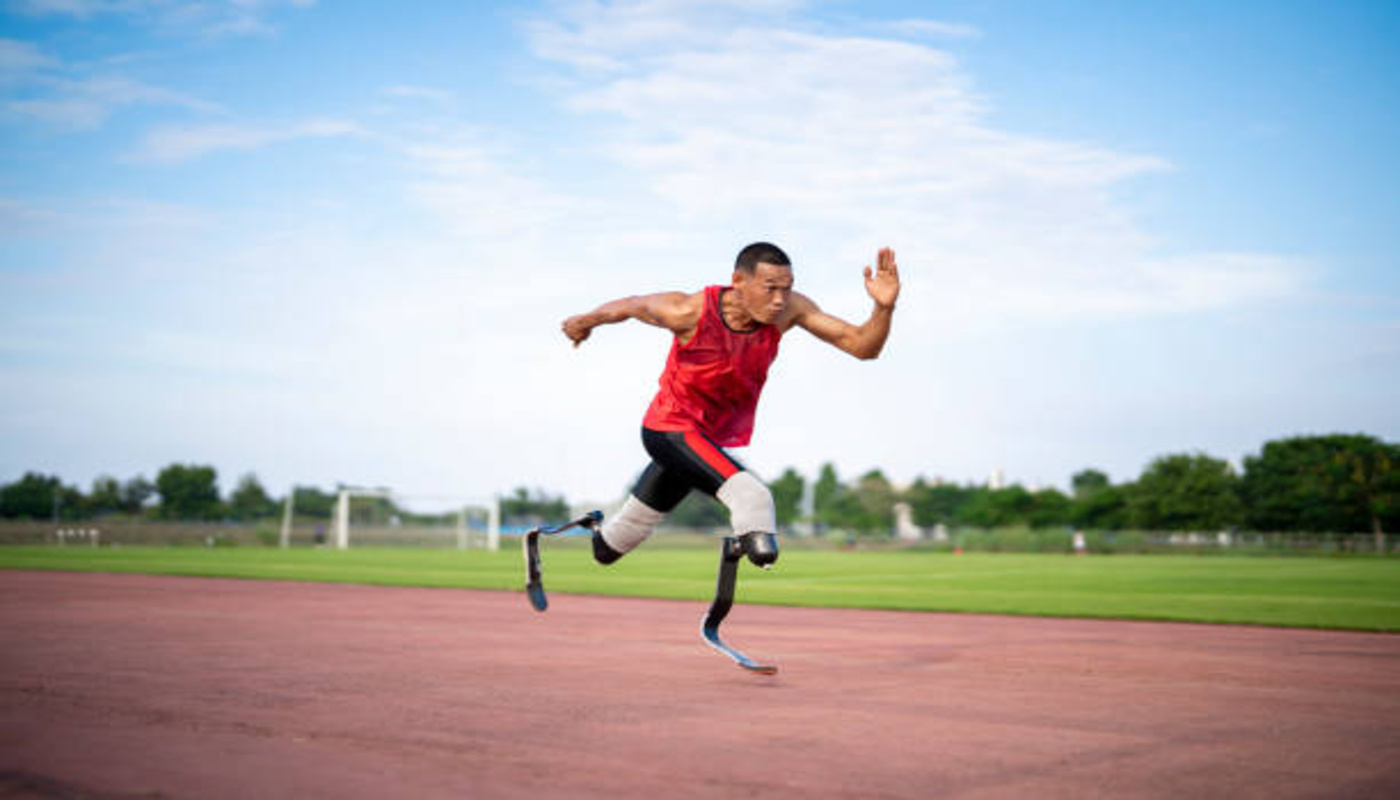
Adaptive equipment—including racing wheelchairs, prosthetic limbs, specialized bicycles, sit-skis, and customized sporting devices—is often misunderstood. Some mistakenly assume that technological assistance makes competition easier, when in reality these innovations require extraordinary skill to master. Elite athletes spend years refining techniques that maximize efficiency, balance, coordination, and endurance.
Rather than replacing athletic ability, technology often highlights it. Equipment becomes an extension of the athlete’s training, much like specialized bicycles in professional cycling or advanced swimsuits designed within regulatory standards. Success still depends on preparation, tactical intelligence, physical conditioning, and mental discipline.
The presence of adaptive technology also encourages broader conversations about accessibility. Innovations developed for elite sport frequently inspire advancements that improve everyday mobility and participation for disabled communities. In this way, Paralympic sport contributes not only to athletic performance but also to technological progress that benefits society as a whole.
Importantly, these innovations challenge the misconception that independence and capability must always look the same. Human beings have always used tools to extend their abilities—from eyeglasses and hearing aids to bicycles and computers. Adaptive sporting equipment simply reminds us that technology can expand participation rather than diminish authenticity.
Global Perspectives on Disability and Strength
Attitudes toward disability vary significantly across cultures, shaped by history, religion, policy, economics, and social norms. Consequently, the impact of Paralympic athletes extends beyond competition into broader cultural conversations about inclusion.
In countries with strong disability rights legislation and accessible infrastructure, Paralympic athletes often benefit from increasing public recognition, sponsorship opportunities, and media exposure. Schools may incorporate inclusive sports programs, while governments invest in accessible facilities that encourage participation from an early age.
In other regions, barriers remain substantial. Limited access to adaptive equipment, transportation, healthcare, and sporting facilities can prevent talented athletes from reaching their potential. Cultural stigma may discourage disabled individuals from participating in public life altogether, making the achievements of Paralympians even more significant.
International competitions help bridge these differences by creating global visibility. Athletes from diverse nations share stories that transcend language and geography, demonstrating that talent exists everywhere, even when opportunities do not. Their presence encourages policymakers, educators, and sporting organizations to examine inequalities and invest in more inclusive systems.
The Paralympic movement therefore functions not only as a sporting event but also as a platform for cultural dialogue. It invites societies to ask difficult questions: Who has access to sport? Who receives funding? Which bodies are celebrated? And how can communities create environments where everyone has the opportunity to thrive?
Social Media and the Democratization of Athletic Narratives
Digital platforms have transformed how Paralympic athletes connect with audiences. In the past, mainstream media largely controlled whose stories were told and how they were framed. Today, athletes can share their own experiences directly, offering nuanced perspectives that extend beyond competition.
Training videos, behind-the-scenes content, advocacy work, educational posts, and everyday moments allow followers to see athletes as multidimensional individuals. This authenticity challenges stereotypes by presenting disability as one aspect of a rich and complex life rather than its defining characteristic.
Social media has also enabled athletes to advocate for accessibility, inclusive design, equal funding, and disability rights. Their platforms encourage conversations about representation while correcting misconceptions that traditional media may have overlooked.
However, digital spaces also present challenges. Viral content sometimes prioritizes emotional reactions over thoughtful storytelling, encouraging audiences to share clips that emphasize inspiration without context. Paralympic athletes have increasingly pushed back against this trend, reminding viewers that they are professionals whose achievements deserve analysis beyond sentimental narratives.
The ability to control their own stories represents an important step toward more accurate and respectful representation.
Lessons for Body Inclusivity Beyond Sport
The influence of Paralympic athletes reaches far beyond stadiums and medal ceremonies. Their visibility encourages society to reconsider how it evaluates bodies in workplaces, schools, healthcare, entertainment, and everyday interactions.
Body inclusivity often focuses on size, appearance, age, or beauty standards. Paralympic sport expands that conversation by emphasizing ability diversity. It reminds us that bodies function differently, adapt differently, and experience the world differently—and none of these differences diminish human worth.
This perspective has practical implications. Inclusive fitness spaces can offer adaptive equipment and knowledgeable trainers. Fashion designers can prioritize accessibility without sacrificing style. Employers can recognize that workplace accommodations often enhance productivity rather than limit it. Educational institutions can create sporting opportunities that welcome students of varying abilities.
These changes benefit everyone. Accessible environments often improve experiences for parents with strollers, older adults, people recovering from injuries, and countless others whose needs vary throughout life. Inclusivity, therefore, is not a niche concern but a universal principle that recognizes the diversity of human experience.
Looking Ahead: A Broader Definition of Human Strength
The future of body inclusivity depends on expanding cultural definitions rather than replacing one narrow ideal with another. Paralympic athletes have shown that strength cannot be measured solely by muscle, appearance, or conventional expectations. It also resides in adaptability, discipline, collaboration, innovation, emotional resilience, and the courage to compete in systems that have not always been designed for inclusion.
As media representation improves and accessibility continues to evolve, future generations may grow up with a more expansive understanding of athletic excellence. Young people will see that champions come from many backgrounds, possess many body types, and achieve greatness through different paths.
This broader vision has the power to reshape not only sport but also education, healthcare, fashion, architecture, and public policy. It encourages societies to value capability over conformity and participation over perfection.
Conclusion: Strength Is Expanded, Not Redefined
Paralympic athletes do not diminish traditional ideas of strength; they expand them. Their performances reveal that excellence cannot be confined to a single body type, movement pattern, or physical appearance. Through elite competition, they expose the limitations of cultural assumptions that have long equated visible physical power with human worth.
Their greatest contribution may not be the medals they win but the conversations they inspire. They encourage audiences to recognize that every body carries unique capacities, challenges, and possibilities. By shifting attention from appearance to achievement, from limitation to capability, and from stereotypes to individuality, Paralympic athletes help build a more inclusive understanding of what it means to be strong.
As body inclusivity continues to grow as a global movement, their legacy will remain essential—not because they fit society’s expectations, but because they have shown that those expectations were never broad enough to begin with.
Sources: International Paralympic Committee, International Olympic Committee, World Health Organization, United Nations, International Disability Alliance, BBC Sport, The New York Times, The Guardian, Reuters, Forbes, Time, ESPN, NBC Sports, Smithsonian Magazine, The Conversation