 by
by Fashion has long been treated as a language of self-expression, but for decades mainstream conversations often assumed that visibility required revealing more skin, following narrowly defined beauty ideals, or embracing trends that reflected Western fashion norms. Today, that assumption is being challenged by an influential group of creators who are redefining what style, confidence, and visibility can look like. Modest fashion influencers are no longer occupying a niche corner of social media—they are increasingly appearing in global campaigns, luxury collaborations, magazine features, fashion weeks, and conversations about representation.
This shift is about far more than longer sleeves, flowing silhouettes, or layered outfits. It represents a broader cultural transformation in which fashion consumers are demanding authenticity, diversity, and genuine choice. The growing influence of modest fashion creators reflects changing attitudes toward identity, faith, culture, gender expectations, sustainability, and body autonomy. Their popularity suggests that audiences are becoming more interested in clothing that tells personal stories rather than simply following seasonal trends.
For BodyInclusivity.com, this movement offers an important lens through which to examine body inclusivity. Body acceptance is not only about encouraging people to wear less or more—it is equally about ensuring that every individual has the freedom to choose how they present themselves without judgment. Whether someone embraces crop tops, oversized tailoring, flowing dresses, hijabs, turbans, or layered ensembles, true inclusivity recognizes that confidence comes from autonomy rather than conformity.
The rise of modest fashion influencers demonstrates that fashion can celebrate individuality while crossing cultural boundaries. Their growing visibility reveals how audiences around the world are redefining beauty through creativity, storytelling, and personal agency.
Understanding What Modest Fashion Really Means
One of the biggest misconceptions surrounding modest fashion is that it represents a single aesthetic or one specific religious practice. In reality, modest fashion encompasses an incredibly diverse range of styles influenced by faith, culture, personal comfort, climate, family traditions, and individual taste.
For some people, modest dressing is closely connected to religious identity. Muslim women wearing hijabs, Jewish women following principles of tzniut, Christian women embracing conservative dress traditions, Sikh women incorporating cultural garments, and individuals from numerous other communities all contribute to this diverse landscape.
For others, modest dressing has little or no religious connection. Many simply prefer clothing that offers comfort, elegance, privacy, or practicality. Some embrace oversized silhouettes because they enjoy minimalist aesthetics, while others appreciate timeless tailoring that feels less driven by rapidly changing fashion cycles.
This diversity explains why modest fashion has become increasingly difficult to categorize. It is no longer confined to specialty retailers or cultural festivals. Instead, it intersects with luxury fashion, streetwear, sustainable design, athletic wear, maternity fashion, and even red-carpet styling.
Rather than representing restrictions, modest fashion increasingly represents intentionality.
Consumers are choosing clothes that align with their personal values rather than external expectations.
Social Media Changed Who Gets to Define Style
Traditional fashion media once relied heavily on editors, designers, celebrities, and advertising executives to determine what was considered fashionable. Digital platforms disrupted that hierarchy.
Instagram, TikTok, Pinterest, and YouTube created opportunities for creators from diverse backgrounds to share styling ideas without needing approval from established fashion institutions.
Modest fashion influencers embraced these platforms early by producing:
- Layering tutorials
- Seasonal styling guides
- Hijab tutorials
- Capsule wardrobe inspiration
- Luxury modest fashion reviews
- Affordable outfit recreations
- Professional workplace styling
- Travel fashion guides
- Wedding and occasion wear inspiration
Instead of presenting fashion as unattainable, many creators demonstrated practical ways to adapt trends for everyday life.
Audiences responded because the content felt relatable.
Rather than showcasing unrealistic perfection, many modest influencers built communities around education, creativity, and confidence.
Their followers weren’t simply watching outfits—they were participating in conversations about identity and belonging.
Representation Created New Opportunities
Representation has become one of the defining conversations within modern fashion.
Consumers increasingly expect to see campaigns featuring different ethnicities, ages, body sizes, disabilities, cultural backgrounds, and religious identities.
Modest fashion influencers became important because they filled a representation gap that had existed for decades.
Many women who dressed modestly rarely saw themselves reflected in advertising.
Luxury campaigns often excluded hijabs.
Runway collections rarely considered layering.
Mainstream retailers frequently produced garments that required alterations before they could fit modest preferences.
Influencers demonstrated that there was significant demand for clothing designed with broader consumer needs in mind.
Eventually, brands began paying attention.
Fashion companies started introducing:
- Longer dresses
- Maxi skirts
- Relaxed tailoring
- Matching sets
- High-neck blouses
- Wide-leg trousers
- Lightweight layering pieces
- Inclusive activewear
Interestingly, many of these pieces appealed to consumers who had never identified as modest dressers.
Fashion evolved toward versatility rather than narrow styling rules.
The Economic Power Behind Modest Fashion
The growth of modest fashion cannot be understood solely through cultural conversations.
Economic realities have also shaped its expansion.
The global modest fashion market has become one of the fastest-growing sectors within the apparel industry.
Brands increasingly recognize that consumers seeking modest clothing represent diverse purchasing groups across Asia, the Middle East, Europe, North America, and Africa.
Importantly, these consumers are not looking for separate fashion worlds.
Many seek the same quality, craftsmanship, luxury, sustainability, and trend awareness expected by other shoppers.
The difference lies in design flexibility.
Fashion companies that once overlooked these customers now recognize both their purchasing power and long-term brand loyalty.
Influencers have played a significant role in communicating consumer preferences directly to designers.
Through outfit videos, product reviews, styling demonstrations, and audience engagement, creators provide real-time insight into what shoppers actually want.
The Influence of Halima Aden
Among the public figures who helped transform perceptions of modest fashion globally is Halima Aden.
Her emergence within international fashion represented a landmark cultural moment because she appeared in spaces where modest dress had historically received limited visibility.
Aden became widely recognized after participating in beauty pageants while wearing a hijab before later walking international runways and appearing in major editorial campaigns.
What made her influence particularly significant was not simply the clothing she wore but the conversations her visibility encouraged.
She demonstrated that participation in fashion did not require abandoning religious identity.
Her public interviews have consistently emphasized authenticity, encouraging young people to remain true to their personal values while pursuing ambitious careers.
Rather than presenting modest fashion as opposition to mainstream style, Aden showed that both could coexist.
Her visibility opened doors for broader conversations regarding inclusion within fashion industries traditionally shaped by narrow expectations.
Dina Tokio and the Rise of Digital Community
Long before many brands understood the commercial potential of modest fashion, Dina Tokio was already building a loyal online audience through YouTube and social media.
Her content combined everyday styling, motherhood, fashion advice, entrepreneurship, and personal storytelling.
Instead of portraying modest dressing as limiting, she approached it as a creative styling challenge.
Layering became artistic.
Color coordination became expressive.
Silhouettes became opportunities for experimentation.
This practical approach resonated because followers could immediately recreate many of her looks using clothes they already owned.
Her influence demonstrated one of social media’s greatest strengths:
Community develops when creators share relatable experiences rather than unattainable perfection.
Modest Fashion Is Expanding Ideas of Beauty
Perhaps one of the most culturally important contributions of modest fashion influencers is their ability to expand beauty narratives.
Historically, fashion marketing often emphasized physical exposure as a pathway toward confidence.
Today’s digital audiences increasingly reject simplistic definitions of empowerment.
Instead, confidence is becoming associated with authenticity.
Some women feel empowered wearing bold evening gowns.
Others feel equally empowered wearing structured tailoring with full coverage.
Neither choice invalidates the other.
This shift reflects an important psychological principle.
People experience greater well-being when their external appearance aligns with their internal identity.
Rather than encouraging everyone toward identical standards, inclusive fashion celebrates multiple forms of self-expression.
Modest fashion influencers contribute to this broader understanding by demonstrating that elegance, confidence, creativity, and individuality can exist across many different styles.
Their growing popularity suggests audiences are becoming more interested in genuine self-expression than in following rigid beauty expectations.
Body Inclusivity Beyond Skin Exposure
Body inclusivity is often discussed through conversations surrounding size diversity, adaptive fashion, or beauty standards.
While these remain essential topics, modest fashion introduces another equally important dimension.
Body inclusivity also means respecting different relationships people have with visibility.
Some individuals feel most comfortable expressing themselves through fitted clothing.
Others prefer flowing garments.
Some enjoy experimenting with dramatic silhouettes.
Others value simplicity and understated elegance.
An inclusive fashion culture recognizes that every person deserves respect regardless of how much or how little of their body they choose to reveal.
Modest fashion influencers remind audiences that autonomy—not conformity—is the foundation of genuine confidence.
Rather than asking everyone to dress the same way, they encourage a broader cultural question:
How can fashion create space for everyone to feel seen without requiring everyone to look alike?
Luxury Fashion Is Finally Paying Attention
For many years, modest consumers often had to improvise. A sleeveless designer dress might require a custom jacket, a sheer blouse needed an additional layer, or a fashionable skirt had to be altered before it felt wearable. While creativity became part of the styling process, it also highlighted an important gap within the fashion industry: many collections simply were not designed with a broad range of consumers in mind.
Today, that landscape is gradually changing.
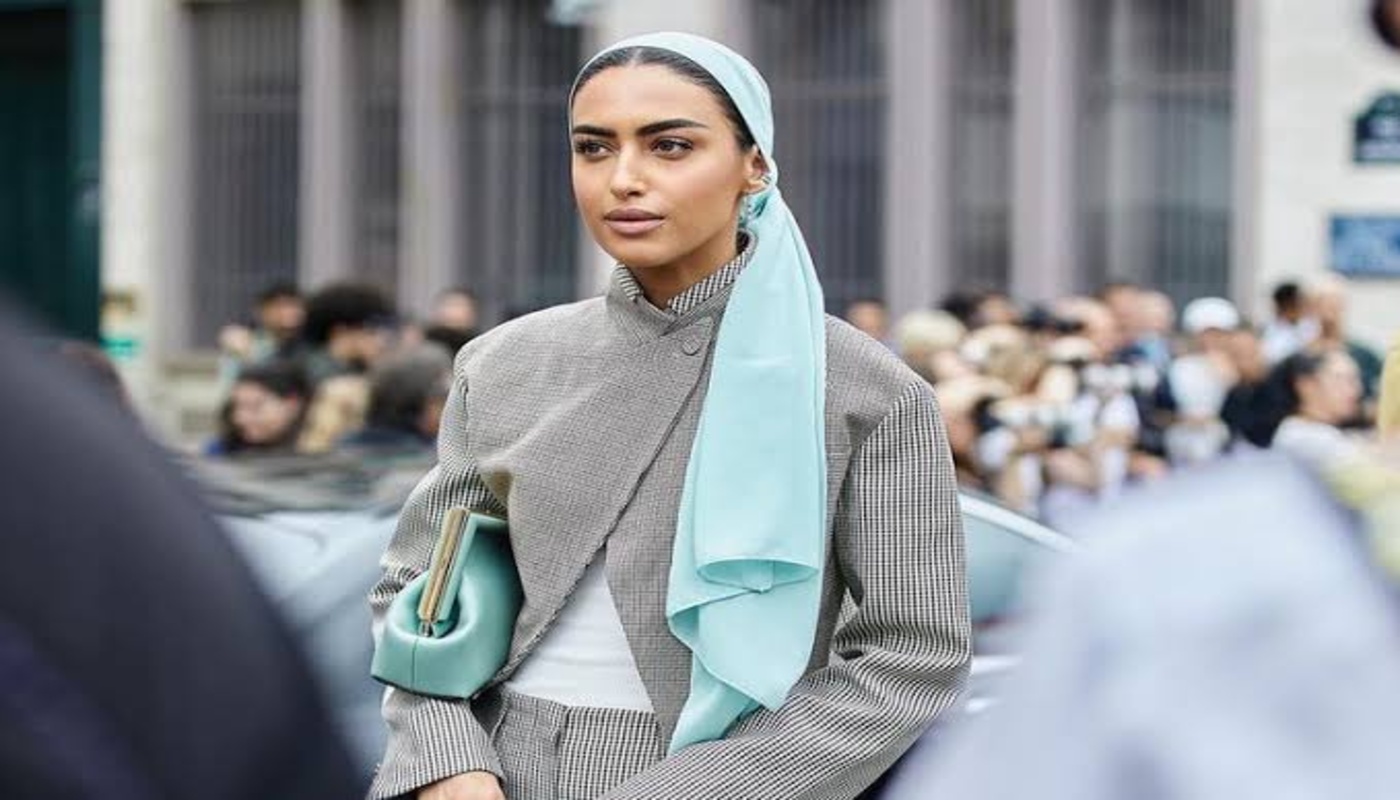
Luxury houses and mainstream retailers alike have begun recognizing that modest fashion is not a temporary trend but a meaningful segment of the global fashion industry. Seasonal collections increasingly feature tailored co-ords, elegant maxi dresses, oversized blazers, high-neck silhouettes, flowing trousers, and layering-friendly pieces that appeal to a much wider audience than originally anticipated.
This evolution is not merely about expanding product lines—it reflects changing ideas about who fashion is for.
Instead of assuming one ideal customer, brands are acknowledging that style can accommodate many different lifestyles, cultural backgrounds, and personal preferences.
Interestingly, many garments originally appreciated by modest dressers have also become popular among consumers who simply enjoy relaxed silhouettes, timeless elegance, or versatile wardrobes. Fashion has become less about prescribing one way to dress and more about offering meaningful choices.
The Pandemic Changed Fashion Priorities
Another factor behind the growing popularity of modest fashion influencers was the shift in consumer behavior during and after the COVID-19 pandemic.
Months spent at home caused many people to reconsider their relationship with clothing.
Comfort became fashionable.
Oversized shirts replaced restrictive garments.
Relaxed tailoring became desirable.
Neutral color palettes gained popularity.
Consumers invested more thoughtfully in versatile pieces that could transition between home, work, travel, and social settings.
Many of these preferences naturally overlapped with principles long embraced within modest fashion.
Layering.
Comfort.
Longevity.
Functionality.
Quality over excess.
As a result, audiences who had never specifically searched for modest fashion content suddenly found inspiration from creators who had been demonstrating these styling techniques for years.
Rather than chasing every microtrend, modest influencers often promoted timeless wardrobes that remained relevant across seasons—a message that resonated strongly with consumers becoming increasingly conscious of both spending habits and sustainability.
Sustainability and Slow Fashion Go Hand in Hand
One of the lesser-discussed reasons modest fashion influencers are attracting mainstream attention is their frequent alignment with slow fashion principles.
Although not every modest creator focuses on sustainability, many naturally encourage habits that reduce excessive consumption.
For example:
- Rewearing garments across multiple occasions.
- Styling one dress in several different ways.
- Investing in quality basics instead of disposable trends.
- Building capsule wardrobes.
- Layering older pieces to create fresh looks.
- Prioritizing durability over novelty.
These practices contrast with fast-fashion culture, where garments are often purchased for a single trend cycle before being discarded.
As environmental awareness grows, audiences increasingly appreciate creators who demonstrate creativity without constant overconsumption.
The emphasis shifts from buying more clothing to using existing clothing more imaginatively.
That philosophy resonates well beyond modest fashion communities.
The Psychology Behind the Appeal
Fashion psychologists often describe clothing as a form of identity communication.
People rarely choose garments based solely on aesthetics.
Clothing can communicate personality, values, confidence, profession, culture, creativity, comfort, or belonging.
Modest fashion influencers tap into this deeper psychological relationship.
Their content often emphasizes intentional dressing rather than external validation.
Instead of asking, “How can I attract attention?” the question becomes, “How can my clothing reflect who I am?”
That subtle shift has significant emotional implications.
It encourages consumers to define beauty on their own terms rather than constantly measuring themselves against changing trends or online comparisons.
Research on self-expression consistently suggests that people experience greater confidence when their appearance feels authentic to their personal identity.
Whether someone dresses modestly, boldly, minimally, or experimentally, authenticity often contributes more to lasting confidence than simply following fashionable expectations.
This perspective explains why audiences from many different backgrounds engage with modest fashion content even if they never adopt the aesthetic themselves.
They recognize values that feel increasingly relevant in a highly curated digital world.
Cross-Cultural Learning Through Fashion
One of the most inspiring outcomes of the modest fashion movement is its ability to encourage cultural curiosity rather than cultural division.
Social media has allowed audiences to discover styling traditions from around the world.
Viewers may learn about:
- Indonesian modest fashion.
- Turkish contemporary tailoring.
- Nigerian flowing silhouettes.
- Malaysian designers.
- Gulf-inspired abayas.
- South Asian layering techniques.
- Japanese minimalist aesthetics.
- Scandinavian oversized fashion.
These influences often intersect, producing wardrobes that reflect multiple cultural inspirations rather than a single tradition.
Importantly, modest fashion creators frequently explain the cultural or personal significance behind certain garments, helping audiences appreciate fashion beyond visual trends.
This educational dimension strengthens cultural understanding while reducing stereotypes.
Fashion becomes a conversation rather than a costume.
Redefining Influence Beyond Virality
The modern influencer economy often rewards speed.
Daily trends.
Short-lived aesthetics.
Constant novelty.
Yet many modest fashion influencers have built remarkably loyal communities by doing almost the opposite.
Their audiences often remain engaged for years because the content extends beyond outfits.
Creators discuss entrepreneurship.
Motherhood.
Career development.
Faith.
Confidence.
Creativity.
Personal growth.
Lifestyle organization.
Mental well-being.
While fashion remains central, it becomes one aspect of a broader narrative about living intentionally.
This multidimensional approach strengthens trust.
Followers increasingly view creators as educators, storytellers, and community builders rather than simply trend promoters.
Brands have begun recognizing that this trust frequently translates into stronger long-term engagement than campaigns built solely around viral visibility.
Challenges That Still Remain
Despite significant progress, modest fashion continues to encounter important challenges.
Representation has expanded, but it remains uneven.
Many campaigns still include modest styling only during specific cultural moments rather than integrating it consistently throughout the year.
Some brands market “inclusive” collections while offering limited size ranges.
Others produce modest-inspired garments without consulting communities that regularly wear them.
There is also the ongoing challenge of avoiding simplistic narratives.
Modest fashion should not be portrayed as morally superior to other forms of dress, just as revealing fashion should not automatically be associated with empowerment.
These false binaries overlook the complexity of personal choice.
True inclusivity recognizes that people have different relationships with clothing, influenced by culture, personality, profession, family, spirituality, climate, disability, body confidence, and lived experience.
Fashion becomes genuinely inclusive only when every individual has the freedom to choose without being judged.
What This Means for Body Inclusivity
The conversation surrounding body inclusivity continues to evolve.
Initially, much of the discussion centered on expanding size representation within fashion campaigns—a necessary and transformative step.
Today, the conversation is becoming broader.
Body inclusivity increasingly asks deeper questions.
Who gets represented?
Who gets heard?
Who gets designed for?
Whose comfort matters?
Whose preferences are considered fashionable?
Modest fashion influencers contribute significantly to this evolving conversation because they remind audiences that body autonomy exists across many forms of self-expression.
For some individuals, body confidence means wearing fitted silhouettes.
For others, it means oversized tailoring.
For some, it means colorful prints.
For others, monochromatic minimalism.
No single aesthetic owns the definition of confidence.
When fashion respects diverse choices instead of rewarding only one ideal, everyone benefits.
That is perhaps the movement’s greatest contribution.
It expands possibilities rather than replacing one standard with another.
Looking Ahead: The Future of Modest Fashion
The growing visibility of modest fashion influencers suggests that fashion’s future will likely be defined by flexibility rather than uniformity.
Consumers increasingly expect clothing to accommodate different identities, lifestyles, climates, professions, and cultural experiences.
Technology may further accelerate this transformation.
Artificial intelligence could personalize styling recommendations for diverse modest preferences.
Virtual fitting rooms may help consumers layer garments more effectively before purchasing.
Independent designers from emerging fashion markets will likely gain greater international visibility through digital platforms.
Meanwhile, younger generations continue demonstrating strong interest in authenticity over perfection.
They are less interested in being told what confidence should look like and more interested in discovering what confidence feels like for themselves.
Modest fashion fits naturally within that cultural shift because it celebrates individual agency rather than external approval.
Its continued growth is therefore unlikely to remain limited to one demographic or one region.
Instead, it reflects a larger movement toward fashion that values dignity, creativity, versatility, and personal expression in equal measure.
Conclusion
The mainstream rise of modest fashion influencers is not simply another chapter in the fashion industry’s trend cycle. It represents a meaningful cultural shift in how style, beauty, and identity are understood across the world.
By challenging outdated assumptions that fashion must conform to one aesthetic ideal, these creators have expanded the industry’s understanding of representation. They have shown that elegance can take many forms, confidence can be expressed through countless silhouettes, and authenticity often resonates more deeply than conformity.
Their influence extends beyond clothing. It touches conversations about cultural respect, body autonomy, sustainability, psychological well-being, and inclusive storytelling. Through social media, public campaigns, and everyday creativity, they have built communities that encourage people to dress in ways that feel true to themselves rather than chasing approval from others.
For body inclusivity, this movement carries an especially powerful message. Inclusive fashion is not achieved by promoting one preferred style over another. It is achieved by creating space where every person—regardless of culture, faith, body shape, age, or personal preference—can participate in fashion without feeling invisible or pressured to change who they are.
As the fashion industry continues to evolve, the success of modest fashion influencers serves as a reminder that genuine progress comes from expanding possibilities, not narrowing them. The future of style will belong to those who recognize that diversity is not a marketing strategy but a reflection of the many ways people choose to express their identities. In that future, modest fashion is no longer a niche—it is an essential part of a richer, more inclusive global fashion conversation.
Sources: Vogue, Business of Fashion, Harper’s Bazaar, Elle, Forbes, The New York Times, The Guardian, BBC, CNN Style, Fashionista