 by
by Introduction: Redefining Masculinity One Outfit at a Time
In an era where fashion often reflects societal norms, few public figures have challenged traditional gendered expectations as boldly as Harry Styles. From his flamboyant Met Gala ensembles to his gender-fluid Gucci campaigns, Styles has become a cultural touchstone for reimagining masculinity in fashion. His sartorial choices extend beyond personal taste—they are deliberate statements that question deeply ingrained ideas about what men “should” wear.
The cultural significance of Styles’ approach lies in its visibility. When a globally recognized pop star wears a pearl necklace, a flowing blouse, or a skirt on the red carpet, the images are instantly circulated worldwide, sparking conversations about gender, identity, and self-expression. This article explores the multi-dimensional impact of Harry Styles’ challenge to masculine dress codes, examining how it reshapes cultural perceptions, influences psychological interpretations of gender, and contributes to a broader movement toward inclusivity in fashion. It also contextualizes his influence across different regions and cultures, highlighting how his choices resonate globally.
Historical Context: Masculinity and Fashion Norms
Masculinity has long been associated with rigidity in appearance. In Western societies, from the Industrial Revolution to the late 20th century, men’s dress codes emphasized uniformity: suits, ties, and conservative colors symbolized authority, discipline, and maturity. Deviation from these norms—through bright colors, jewelry, or fluid silhouettes—was often stigmatized as effeminate or rebellious.
Fashion scholars note that these restrictions were not purely aesthetic but social and political. Dressing “masculine” became a performance of cultural power and social order. Any public challenge to these norms, therefore, represents more than clothing choices—it signals a confrontation with societal assumptions about authority, propriety, and gender itself. By embracing non-traditional garments, Harry Styles is participating in a historical continuum of individuals who have used fashion as a tool for cultural critique and transformation.
Harry Styles’ Public Fashion Moments
Styles’ influence stems from highly visible, carefully documented moments that have captured public and media attention. His 2020 Met Gala appearance, where he wore a sheer black Gucci blouse with ruffles and pearl accessories, drew acclaim from fashion critics and audiences alike. In interviews with Vogue, he emphasized that clothing should be about self-expression rather than gender restriction, framing his choices as a reflection of personal freedom.
Another pivotal moment came with the cover of Vogue in December 2020, where Styles wore a ballgown—a first for a solo male artist in the magazine’s history. The editorial showcased him not as a novelty but as a serious participant in high fashion, signaling a cultural shift in how masculinity is represented. These documented moments illustrate how clothing can serve as a medium for dialogue about gender norms, challenging the idea that masculinity is inherently rigid or uniform.
Expanding the Definition of Red Carpet Style
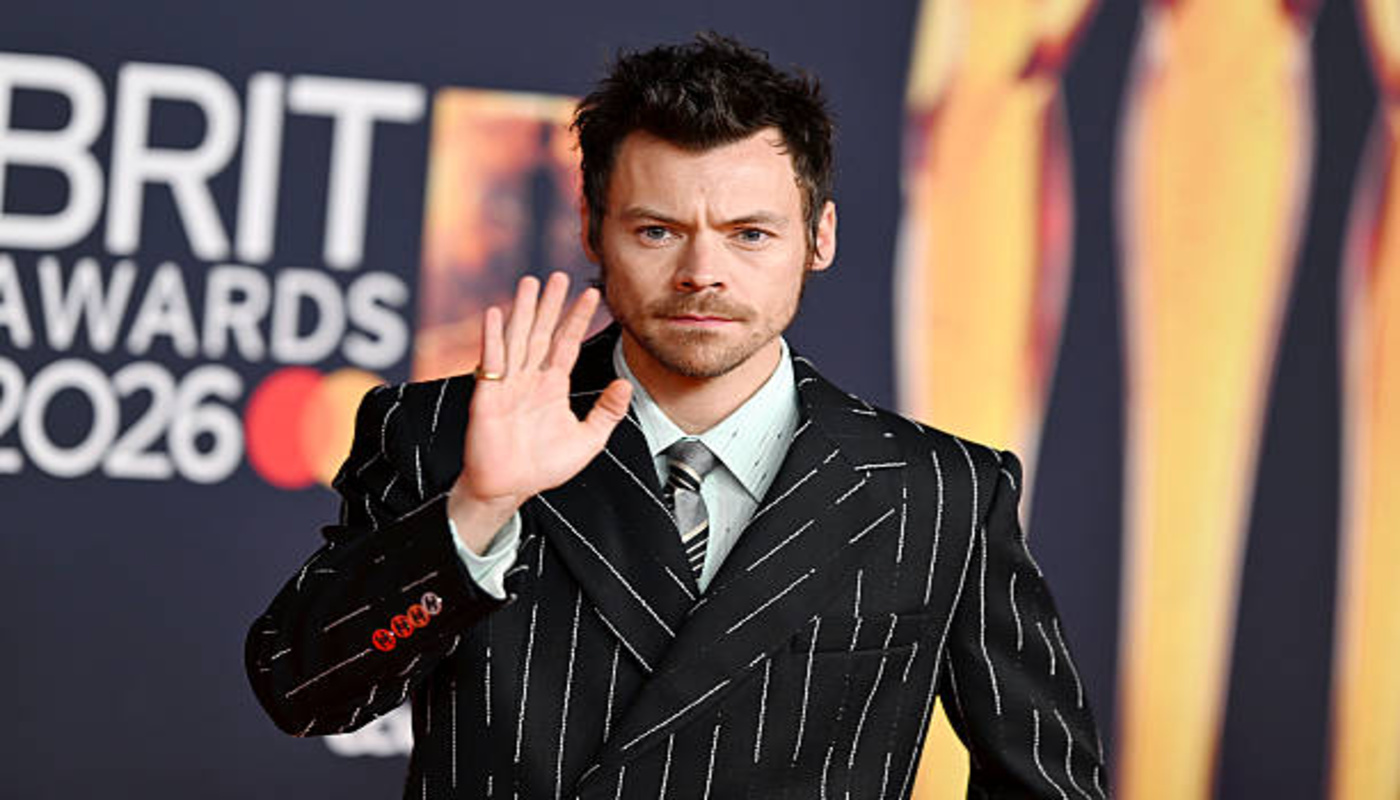
Harry Styles’ red carpet appearances have become cultural events precisely because they subvert traditional expectations. Wearing skirts, flowing blouses, or embellished suits, he transforms events that historically enforced rigid masculine attire into stages of expression and experimentation. This visibility encourages designers, stylists, and audiences to reconsider how red carpets function as cultural symbols of gender. The repeated presence of Styles in non-conforming outfits signals that elegance, glamour, and confidence are not dictated by gender, challenging long-held assumptions in fashion media. Additionally, these appearances allow young audiences to observe masculinity as performative rather than prescriptive, creating a cultural ripple effect where style becomes an arena for freedom rather than limitation.
Challenging Celebrity Masculinity Norms
Within pop culture, celebrity masculinity has often been framed narrowly, emphasizing stoicism, strength, and a lack of vulnerability. Styles’ approach disrupts these norms by showcasing sensitivity and expressivity through fashion. In interviews with media outlets, he emphasizes personal comfort and individuality over adherence to expectations. This modeling of alternative masculinity resonates with fans, encouraging them to embrace a broader emotional and aesthetic spectrum. By embodying flexibility in public life, Styles demonstrates that masculinity can encompass elegance, vulnerability, and creativity, effectively broadening societal definitions of male identity.
The Intersection with LGBTQ+ Visibility
Styles’ fashion choices intersect meaningfully with LGBTQ+ visibility, though he does not explicitly label his identity in this context. His embrace of gender-fluid clothing provides representation that affirms non-binary, queer, and fluid identities. Social media discussions highlight the impact on younger audiences who may be exploring gender expression or seeking role models who normalize deviation from strict binaries. By occupying mainstream spaces in ways previously inaccessible to gender-fluid individuals, Styles facilitates cultural conversations about inclusivity, encouraging visibility without making gender identity a spectacle.
Psychological Impact on Male Audiences
For male fans, Styles’ visibility in gender-fluid fashion can have profound psychological implications. Research indicates that exposure to non-conforming role models reduces anxiety about self-expression and encourages greater experimentation with personal style. Styles’ public persona validates creative aesthetics and signals that emotional expressivity, fashion exploration, and divergence from normative masculinity are socially acceptable. This normalization contributes to individual empowerment, reducing internalized pressures to conform to rigid masculine norms, and fosters a sense of belonging for those who may feel marginalized by traditional gender expectations.
Media Discourse and Public Reception
Media coverage of Styles has evolved from focusing on shock value to celebrating artistry and intentionality. Early reporting emphasized novelty, with headlines framing his choices as daring or unconventional. Over time, outlets began contextualizing his fashion as culturally significant, exploring implications for gender norms and societal perception. This shift reflects broader cultural learning: audiences gradually move from surprise to reflection. Styles’ repeated, consistent engagement with gender-fluid aesthetics establishes a new normal, encouraging media to discuss masculinity critically rather than superficially, which reinforces the educational role of celebrity visibility.
Cross-Cultural Influence
While much of Styles’ coverage originates in Western media, his influence resonates globally. In regions with traditional clothing practices—where men may historically wear skirts, jewelry, or ornamentation—audiences interpret Styles’ style differently, sometimes aligning with cultural heritage rather than rebellion. In contrast, more conservative societies may experience tension between global celebrity influence and local norms. This cross-cultural variation emphasizes that challenging masculine dress codes is not a universal act but a contextually interpreted one, highlighting the interplay between global media, cultural values, and fashion innovation.
The Future of Gender-Fluid Fashion
Harry Styles’ impact on masculine dress codes offers a roadmap for future inclusivity in fashion. As high-profile figures normalize fluid expression, brands, media, and audiences adapt, producing spaces where creativity supersedes prescriptive rules. Styles demonstrates that clothing is not merely decorative but a medium for identity, empowerment, and cultural dialogue. His visibility suggests a trajectory in which young men and women may increasingly see fashion as a vehicle for self-definition rather than conformity. Ultimately, the movement catalyzed by Styles’ sartorial choices fosters a cultural environment in which diversity, authenticity, and gender fluidity are celebrated, paving the way for a more inclusive and expressive understanding of masculinity in the public eye.
Collaboration with Fashion Houses and Industry Impact
Harry Styles’ partnerships with high-fashion brands such as Gucci, Prada, and Louis Vuitton have magnified his influence on masculine dress codes. By modeling gender-fluid collections on global campaigns, he shifts the lens of haute couture from exclusivity to accessibility. These collaborations legitimize fluid aesthetics within traditionally rigid fashion spaces, signaling to designers and consumers that masculinity can be expressed through diverse silhouettes, fabrics, and embellishments. The commercial impact is significant: brands observe increased demand for garments that transcend gender binaries. Styles’ influence thus demonstrates the economic potential of inclusive fashion, highlighting how celebrity advocacy can align creativity with market innovation while fostering cultural dialogue about identity and self-expression.
Fan Communities and Cultural Validation
Styles’ fashion choices have inspired fan communities worldwide, particularly on social media platforms. Online forums, fan art, and discussion groups analyze his outfits, celebrate his risk-taking, and provide supportive spaces for gender expression exploration. These communities offer validation for individuals who may feel constrained by societal expectations of masculinity. By observing a public figure confidently navigating gender-fluid fashion, fans internalize messages of acceptance, self-expression, and creativity. This communal reinforcement amplifies Styles’ impact beyond aesthetics, transforming personal style into a social movement that cultivates empathy, dialogue, and a broader understanding of identity.
Redefining Masculinity in Music and Performance
Beyond the red carpet, Styles integrates gender-fluid aesthetics into his performances, music videos, and promotional content. Stage costumes, choreography, and album artwork emphasize visual storytelling that challenges traditional male presentation. By merging performance with fashion, he reframes masculinity as performative, fluid, and expressive rather than prescriptive. This holistic approach reinforces the psychological and cultural message: masculinity is not a monolith, and self-expression need not conform to societal expectation. Fans and critics alike recognize that his artistry combines visual and musical elements to redefine public perception of male identity, creating an intersection of fashion, performance, and cultural commentary.
Long-Term Cultural Legacy
The broader cultural legacy of Harry Styles’ challenge to masculine dress codes will likely extend beyond his career. By normalizing gender-fluid fashion and challenging rigid norms, he contributes to lasting shifts in how masculinity is represented in media, advertising, and everyday life. His visibility encourages brands to design inclusively, inspires future artists to experiment with aesthetics, and fosters psychological freedom for individuals questioning gender expectations. Over time, the cumulative effect of such public influence may recalibrate societal understanding of identity, making fluid expression a normalized component of culture rather than a novelty. In this way, Styles’ sartorial choices are not just about clothing—they are catalysts for ongoing cultural transformation.
Fashion as a Tool for Emotional Expression and Identity
Harry Styles’ approach to fashion demonstrates that clothing can serve as a profound tool for emotional expression and identity construction. By choosing garments that blend traditionally masculine and feminine elements, he communicates authenticity, creativity, and confidence without words. This visual language resonates with audiences who may feel constrained by rigid gender norms, offering a model for self-expression that validates individuality. Psychologically, seeing a global icon embrace fluidity can reduce anxiety about personal style choices and foster a sense of belonging among those exploring non-traditional presentations of gender. Furthermore, this approach highlights the interplay between external appearance and internal identity: fashion becomes a medium through which personal values, moods, and personality traits are communicated publicly. In challenging masculine dress codes, Styles encourages audiences to view clothing as a form of empowerment rather than conformity, reinforcing the idea that style is not merely aesthetic but an essential component of cultural and emotional dialogue.
Psychological Implications of Gender-Fluid Dressing
Styles’ choices also carry psychological significance. Research in social psychology suggests that gendered clothing reinforces stereotypes about personality, behavior, and social roles. By consistently wearing garments traditionally coded as feminine, Styles challenges these assumptions, prompting audiences to reconsider the link between appearance and identity.
Moreover, public exposure to gender-fluid fashion can reduce rigidity in gender role beliefs. When young men and boys see a high-profile figure wearing skirts, jewelry, or blouses, it can normalize expressions of vulnerability, creativity, and fluidity. For fans, this visibility fosters a sense of liberation, encouraging self-expression that does not rely on strict adherence to societal expectations.
Social Influence and Cultural Conversations
The cultural impact of Styles’ fashion extends into social media, mainstream media, and everyday cultural discourse. Memes, think pieces, and Instagram posts discussing his outfits illustrate the viral nature of his influence. More importantly, these conversations often transcend superficial aesthetics to address broader questions of gender, freedom, and identity.
Brands and retailers have also noted the effect. Fashion houses increasingly produce collections that blur gender lines, reflecting the market demand influenced by public figures like Styles. By challenging masculine dress codes, he has contributed to a ripple effect in which mainstream fashion becomes a platform for cultural dialogue, expanding the visibility of gender inclusivity.
Global Perspectives: Reception Across Cultures
While Western media has widely celebrated Styles’ fashion choices, reactions differ across global contexts. In more conservative societies, public displays of gender-fluid dressing by men may encounter resistance or controversy. In contrast, countries with long-standing traditions of men wearing skirts or jewelry—such as Scotland, India, and parts of the Middle East—may interpret Styles’ clothing through historical or aesthetic frameworks rather than as a radical act.
This cross-cultural variation highlights that the impact of challenging masculine dress codes is context-dependent. Styles’ influence may not always be immediate or universal, but it sparks conversations in diverse cultural settings, inviting reflection on how masculinity is socially constructed worldwide.
Challenging Toxic Masculinity Through Fashion
One of the more profound implications of Styles’ sartorial approach is its potential to challenge toxic masculinity. By embracing vulnerability, color, and ornamentation in public, he undermines the stereotype that masculinity requires emotional suppression, stoicism, or rigid visual markers. His fashion becomes a visual manifesto, suggesting that strength and sensitivity are not mutually exclusive.
For male audiences, this representation can be transformative. Exposure to non-conforming styles validates alternative forms of self-expression, allowing men to explore aesthetics traditionally coded as feminine without fear of social reprisal. Psychologically, this can foster empathy, reduce gendered anxiety, and broaden the scope of acceptable masculinity.
Media Framing and Public Discourse
Media framing plays a critical role in how Styles’ fashion choices are interpreted. Early coverage often emphasized shock or novelty, describing his outfits as daring or unexpected. Over time, however, the discourse has shifted toward recognition of artistry, intentionality, and cultural commentary. By persistently presenting gender-fluid clothing in a serious, high-fashion context, Styles has gradually reshaped media narratives, moving public perception from spectacle to normalized discussion about masculinity and self-expression.
Fashion, Identity, and Body Inclusivity
Beyond gender norms, Styles’ approach intersects with broader discussions of body inclusivity. His sartorial choices often embrace silhouettes and fabrics that highlight comfort, movement, and individuality, rejecting the narrow constraints of conventional male tailoring. This promotes a more inclusive vision of how bodies—regardless of size, shape, or gender—can inhabit clothing. The visibility of diverse presentations challenges audiences to re-evaluate restrictive dress codes that often marginalize bodies not conforming to traditional masculine ideals.
The Role of Celebrity in Cultural Shifts
The impact of Styles’ fashion choices underscores the broader sociological role of celebrity. Public figures act as cultural intermediaries, translating individual expression into collective dialogue. Styles’ visibility allows him to amplify conversations about gender, inclusivity, and self-expression in ways that everyday individuals may not be able to. His deliberate, documented choices demonstrate the power of celebrity to shape norms, influence markets, and inspire grassroots cultural change.
Cross-Generational Influence
Styles’ impact also extends across generations. Younger fans who admire him may reinterpret masculinity in more fluid and expressive ways, while older audiences may be prompted to reconsider entrenched ideas about male presentation. This cross-generational dialogue is critical in reshaping cultural attitudes, suggesting that clothing can be a tool for education and social evolution. Over time, repeated exposure to such public examples may shift societal standards of what is considered acceptable or desirable for men.
Conclusion: Toward a Future of Fashion Freedom
Harry Styles’ challenge to masculine dress codes exemplifies how individual expression can catalyze cultural change. Through documented public appearances, interviews, and campaigns, he has redefined perceptions of masculinity, expanded the boundaries of fashion, and contributed to a global conversation about inclusivity, identity, and psychological freedom. His influence demonstrates that clothing is not merely aesthetic; it is a vehicle for cultural critique, social empowerment, and personal liberation.
Looking forward, the visibility of gender-fluid fashion will likely continue to grow, shaping consumer habits, media narratives, and cultural expectations. Styles’ example provides a blueprint for embracing authenticity in public life, reminding audiences that self-expression need not conform to outdated norms. By redefining masculinity strand by strand, outfit by outfit, he affirms the possibility of a more inclusive, creative, and expressive future in fashion.
Sources: Vogue, GQ, Rolling Stone, The Guardian, People, Harper’s Bazaar, BBC Culture, Elle, W Magazine, The New York Times