 by
by Introduction: When Strength Begins to Look Different
For generations, masculinity has been defined through a narrow and often rigid lens—stoicism, dominance, emotional restraint, and control. From classic cinema heroes to modern corporate archetypes, the “ideal man” has long been portrayed as someone who leads without vulnerability and protects without expressing fear. But in recent years, a noticeable cultural shift has begun to challenge this script.
Enter the rise of “soft masculinity”—a term increasingly used to describe men who embrace emotional openness, empathy, aesthetic expression, and relational depth without seeing these traits as contradictions to their identity. This shift is not just stylistic; it is deeply relational. It is transforming how men show up in romantic partnerships, how intimacy is negotiated, and how expectations within relationships are being rewritten.
Public figures like Timothee Chalamet and Harry Styles have contributed to this shift—not through declarations, but through consistent public presentation. Whether it’s fashion choices, interviews that reflect emotional awareness, or roles that challenge traditional masculinity, these figures symbolize a broader cultural movement.
But as soft masculinity gains visibility and acceptance, it also raises complex questions: Does it genuinely dismantle harmful gender norms, or does it risk becoming another aestheticized expectation? How does it influence romantic dynamics, and what pressures does it create for both men and their partners?
To understand its impact, we must move beyond surface-level interpretations and examine the deeper cultural, psychological, and relational implications of this evolving identity.
From Stoicism to Sensitivity: A Cultural Recalibration
The emergence of soft masculinity is not happening in isolation. It is part of a broader cultural recalibration influenced by social movements, mental health awareness, and shifting gender dynamics. Conversations around toxic masculinity have played a critical role in this transition, encouraging men to question inherited behaviors that prioritize emotional suppression and dominance.
Historically, emotional expression in men has often been stigmatized, framed as weakness rather than strength. This has had profound implications—not only for individual well-being but also for relationships. Partners have frequently reported emotional distance, communication barriers, and a lack of vulnerability as recurring challenges.
Soft masculinity offers an alternative. It reframes emotional openness as a form of strength rather than deficiency. Men are increasingly encouraged to articulate their feelings, engage in introspection, and participate actively in emotional labor within relationships.
However, this shift is not linear or universal. Cultural contexts play a significant role in how masculinity is defined and expressed. In many societies, traditional expectations remain deeply embedded, and deviations can be met with resistance. Even within more progressive spaces, the acceptance of soft masculinity can be conditional, often tied to appearance or social status.
This creates a layered reality where men navigate multiple, sometimes conflicting expectations—balancing traditional norms with evolving ideals.
Negotiating Power Dynamics in Modern Relationships
Soft masculinity introduces a nuanced approach to power dynamics in romantic partnerships. Traditionally, relationship power has often been linked to economic status, decision-making authority, or emotional restraint. With the rise of soft masculinity, however, relational influence is increasingly tied to emotional intelligence, communication skills, and the ability to empathize. Men who embrace vulnerability can foster more collaborative and equitable partnerships, where decisions are negotiated rather than dictated. This shift challenges entrenched societal norms, encouraging both partners to actively participate in shaping the emotional landscape of their relationship. Nevertheless, it is not without tension. While soft masculinity promotes shared emotional labor, partners may still grapple with reconciling traditional expectations with new relational scripts. Conflicts can arise when one partner interprets emotional openness as weakness or expects it to manifest in specific, often performative, ways. The success of soft masculinity in recalibrating power therefore depends on mutual understanding and the willingness to navigate ambiguity. Relationships that integrate these principles tend to prioritize dialogue, mutual respect, and adaptability, ultimately demonstrating that influence within intimacy is increasingly defined by connection rather than control.
Cross-Generational Perceptions of Masculinity
The acceptance of soft masculinity often varies significantly across generations. Younger generations, exposed to diverse cultural narratives through social media and globalized media, are more likely to embrace emotional expressiveness and relational sensitivity as desirable masculine traits. In contrast, older generations may still adhere to more rigid notions of stoicism and traditional gender roles, sometimes perceiving soft masculinity as incongruent with long-established ideals of manhood. This generational divide can impact family dynamics, dating expectations, and even workplace interactions, creating moments of friction as younger men navigate conflicting pressures. Interestingly, some older individuals are beginning to reinterpret masculinity in light of these cultural shifts, recognizing that vulnerability and empathy can coexist with resilience and competence. Global perspectives further complicate this narrative. While Western media has popularized the notion of soft masculinity, many non-Western cultures have their own historical models of men embodying emotional nuance, demonstrating that the phenomenon is not entirely novel but rather recontextualized. Understanding these cross-generational and cross-cultural layers is crucial for appreciating how soft masculinity is both shaping and being shaped by evolving social values.
Media Representation and Its Relational Consequences
Media representation plays a pivotal role in normalizing soft masculinity and influencing relationship expectations. Television, film, and social media platforms showcase men who express emotional depth, nurture intimacy, and challenge hyper-masculine archetypes. Characters in contemporary dramas and real-life public figures signal to audiences that emotional availability is not a compromise of identity but a modern form of strength. However, the curated nature of media portrayals introduces complexity. When emotional intelligence becomes commodified or aestheticized, audiences may conflate performative vulnerability with genuine relational competence. Partners observing these trends can develop heightened expectations, assuming that all men who embrace soft masculinity will inherently demonstrate emotional consistency. This can inadvertently create pressure for men to conform to an idealized standard, rather than allowing organic growth within relationships. Additionally, global media dissemination spreads a specific Westernized understanding of soft masculinity, which may not fully align with local cultural norms or values. Critical engagement with media narratives, therefore, becomes essential, allowing couples and individuals to distinguish between performative trends and authentic emotional practice in their own relational contexts.
Redefining Compatibility and Relational Aspirations
Soft masculinity is fundamentally reshaping how individuals conceptualize compatibility and relational aspirations. Emotional openness, vulnerability, and empathetic communication are increasingly recognized as baseline criteria for meaningful partnerships, rather than optional or secondary qualities. This shift encourages individuals to seek relationships grounded in mutual understanding, respect, and emotional reciprocity. However, it also complicates the relational landscape. Partners may unconsciously create benchmarks based on socialized ideals or media representations, expecting consistent demonstrations of softness without considering individual temperament or personal growth trajectories. Moreover, soft masculinity challenges traditional gendered divisions of labor within relationships, prompting negotiations around emotional responsibilities, household management, and decision-making. When navigated successfully, these adjustments foster partnerships that are equitable, adaptive, and resilient. At the same time, they demand conscious reflection and ongoing communication, as relational satisfaction is less about rigid adherence to an ideal and more about co-creating dynamics that reflect the unique strengths, vulnerabilities, and aspirations of both partners. The rise of soft masculinity ultimately encourages a more holistic approach to compatibility, one that values emotional intelligence as highly as traditional markers of stability and reliability.
The Aestheticization of Softness
One of the most visible aspects of soft masculinity is its aesthetic dimension. From painted nails and fluid fashion to softer grooming styles, visual presentation has become a powerful tool for redefining masculinity.
Figures like Harry Styles have been at the forefront of this transformation. His appearances in traditionally feminine clothing and his public embrace of non-binary aesthetics have sparked global conversations about gender expression.
Yet, the aestheticization of softness comes with its own complexities. When softness becomes a visual trend, it risks being reduced to style rather than substance. Wearing pastel colors or embracing skincare routines does not automatically translate to emotional intelligence or relational maturity.
In relationships, this can create mismatched expectations. Partners may assume that a man who embodies soft masculinity outwardly will also demonstrate emotional depth and communicative openness. When this alignment does not exist, it can lead to disappointment and confusion.
This highlights an important distinction: soft masculinity as an identity versus soft masculinity as an aesthetic. While the two can overlap, they are not inherently the same.
Emotional Labor and the Redistribution of Intimacy
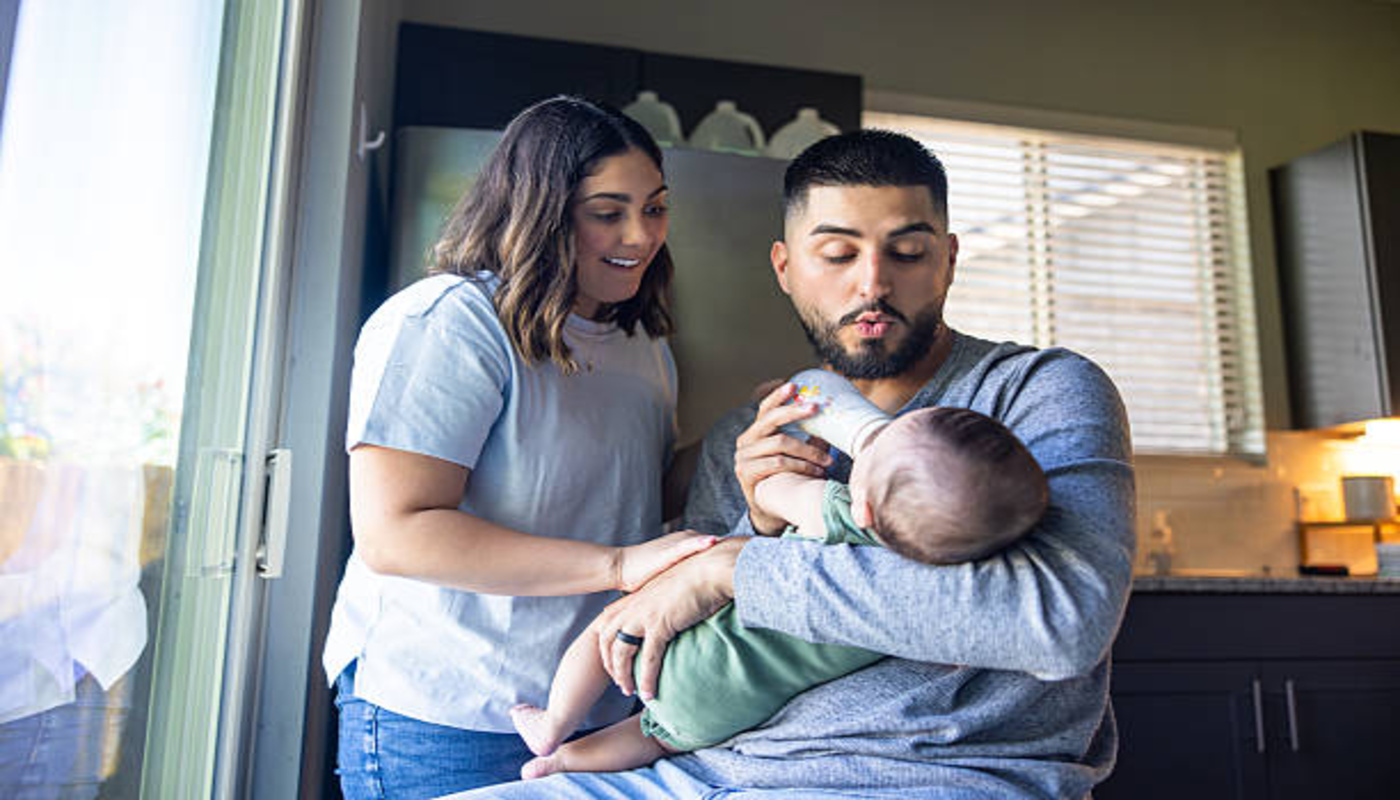
One of the most significant impacts of soft masculinity is its potential to redistribute emotional labor within relationships. Traditionally, women have been expected to carry the bulk of emotional responsibilities—initiating difficult conversations, maintaining relational harmony, and providing emotional support.
As men embrace softer forms of masculinity, there is an opportunity for a more balanced dynamic. Emotional labor can become a shared responsibility rather than a gendered expectation. This shift can lead to deeper intimacy, improved communication, and more equitable partnerships.
However, this transition is not without challenges. For many men, developing emotional literacy requires unlearning deeply ingrained behaviors. It involves confronting vulnerability, navigating discomfort, and building new communication skills.
At the same time, partners may need to adjust their expectations. When roles shift, there can be a period of recalibration where both individuals renegotiate how they relate to each other.
In some cases, the expectation for men to be emotionally available can become another form of pressure—one that replaces stoicism with a different kind of performance. This raises an important question: Are men being given the space to grow, or are they simply being asked to conform to a new ideal?
The Psychology of Vulnerability: Between Growth and Performance
Vulnerability is often positioned as the cornerstone of soft masculinity. The ability to express emotions, admit fears, and engage in honest communication is seen as a marker of relational maturity.
From a psychological perspective, this is a positive development. Research consistently shows that emotional expression is linked to better mental health outcomes and stronger relationships. When individuals feel safe to be vulnerable, it fosters trust and connection.
However, vulnerability can also become performative—especially in a social media-driven culture. Public displays of emotional openness can sometimes prioritize visibility over authenticity, creating a version of vulnerability that is curated rather than organic.
In relationships, this can manifest as selective openness—sharing emotions in ways that align with expectations while avoiding deeper, more challenging conversations. It can also create confusion about what genuine emotional availability looks like.
For soft masculinity to have a meaningful impact, vulnerability must move beyond performance and become a sustained practice. This requires consistency, self-awareness, and a willingness to engage in uncomfortable but necessary dialogues.
Cross-Cultural Perspectives: Masculinity Beyond the West
While much of the discourse around soft masculinity originates in Western contexts, similar shifts are occurring globally—though they take different forms depending on cultural frameworks.
In South Asian societies, for instance, traditional masculinity is often tied to responsibility, authority, and familial roles. However, younger generations are increasingly challenging these norms, influenced by global media, education, and changing social dynamics. Emotional expression, once discouraged, is gradually becoming more acceptable in certain urban and digital spaces.
In East Asia, the concept of “flower boys” in Korean pop culture has long presented an alternative model of masculinity—one that embraces beauty, sensitivity, and emotional nuance. This has influenced global perceptions and contributed to the normalization of softer masculine traits.
At the same time, resistance persists. In many regions, deviations from traditional masculinity can still lead to social stigma or marginalization. This underscores the importance of contextualizing soft masculinity within local cultural realities rather than treating it as a universal standard.
Dating Culture and the New Expectations
The rise of soft masculinity is reshaping dating culture in subtle but significant ways. Emotional availability, once considered a bonus, is increasingly becoming a baseline expectation. Communication skills, empathy, and self-awareness are now highly valued traits in potential partners.
This shift can be empowering, particularly for individuals who have experienced emotionally distant relationships. It opens the door to deeper connections and more meaningful partnerships.
However, it also introduces new complexities. As expectations evolve, so do the criteria for compatibility. The desire for emotionally intelligent partners can sometimes lead to heightened scrutiny, where individuals are evaluated based on their ability to articulate feelings or demonstrate vulnerability.
Additionally, the language of therapy and self-awareness has become more prevalent in dating conversations. While this can facilitate understanding, it can also create pressure to perform emotional competence.
This dynamic reflects a broader cultural trend where personal growth is intertwined with relational success. While growth is valuable, it is important to recognize that emotional development is an ongoing process rather than a fixed achievement.
The Risk of Repackaged Masculinity
Despite its progressive potential, soft masculinity is not immune to critique. Some argue that it risks becoming a rebranded version of traditional masculinity—one that appears more inclusive but still operates within certain boundaries.
For instance, the acceptance of soft masculinity is often influenced by factors such as appearance, social status, and cultural capital. Men who fit conventional standards of attractiveness or success may find it easier to embrace softness without facing backlash.
This raises questions about inclusivity. Is soft masculinity accessible to all men, or is it primarily celebrated in specific contexts? Does it genuinely challenge power structures, or does it simply shift their expression?
These critiques do not negate the value of soft masculinity but highlight the need for critical engagement. Like any cultural movement, it must be examined not only for its intentions but also for its impact.
Redefining Strength in Relationships
At its core, the rise of soft masculinity invites a redefinition of strength. Rather than equating strength with control or dominance, it emphasizes resilience, empathy, and emotional presence.
In relationships, this can lead to more supportive and collaborative dynamics. Conflict can be approached with openness rather than defensiveness. Emotional needs can be expressed rather than suppressed. Intimacy can be built through mutual understanding rather than traditional roles.
However, this redefinition requires effort from all parties involved. It challenges long-held beliefs about gender, identity, and power. It asks individuals to move beyond comfort zones and engage with complexity.
Importantly, it also calls for balance. Softness does not mean the absence of boundaries or assertiveness. Healthy relationships require a combination of empathy and self-respect, vulnerability and stability.
Conclusion: Toward a More Expansive Masculinity
The rise of soft masculinity marks a significant cultural moment—one that reflects changing attitudes toward gender, relationships, and emotional expression. It offers the possibility of more inclusive and compassionate forms of masculinity, where vulnerability is not a liability but a strength.
Yet, like any evolving concept, it comes with contradictions. It can empower and pressure, liberate and constrain. Its impact depends not only on how it is defined but also on how it is practiced.
For relationships, the implications are profound. Expectations are shifting, communication is deepening, and traditional roles are being reimagined. But the journey is ongoing. True transformation requires more than aesthetic changes—it demands sustained commitment to growth, authenticity, and mutual respect.
As we move forward, the challenge is not to replace one rigid ideal with another, but to create space for a plurality of masculinities—each shaped by individual experiences, cultural contexts, and personal values.
Because ultimately, the goal is not softness or strength in isolation, but a more human, flexible, and inclusive understanding of what it means to be both.
Sources: The Guardian, GQ, Psychology Today, The New York Times, BBC