 by
by Historical Context
Early animation often adhered to narrow beauty standards: slender heroines, muscular heroes, and villainously exaggerated figures that reinforced stereotypes. Studies show that overweight characters appeared in diminishing proportions in major studios from 1999 to 2018, and when they did, their portrayal often skewed negative. Disability representation was virtually nonexistent, despite nearly 16% of working-age adults living with a disability, indicating a dissonance between on-screen worlds and real-life demographics.
Academic research from USC’s Annenberg Inclusion Initiative found that gender diversity barely scratched the surface in animation, prompting calls for more inclusive ecosystems. Similarly, content analyses have revealed that physical attractiveness messages in cartoons often valorized slim, conventionally attractive bodies and marginalized “ordinary” figures, shaping children’s self-perceptions from an early age.
Drivers of Change
Social Movements and Audience Advocacy
The rise of body-positive and disability-rights movements has galvanized viewers to demand better on-screen representation. Social media campaigns and fan communities routinely highlight shows that break the mold, pressuring creators to include a wider variety of body types and abilities.
Streaming Platforms and Global Audiences
With the explosion of streaming services, content must appeal to diverse international audiences. Platforms like Netflix and Amazon Prime encourage creators to explore stories and characters reflective of multiple cultures, body sizes, and gender identities, knowing representation drives engagement and loyalty.
Creator Intent and Industry Shifts
Leading animators and showrunners are consciously designing characters to reflect real-world variety. By integrating body diversity into design bibles and narrative arcs—rather than treating it as an afterthought—they’re redefining standards for protagonists and supporting casts alike.
Key Examples
Blue Zoo’s “In Shapes”
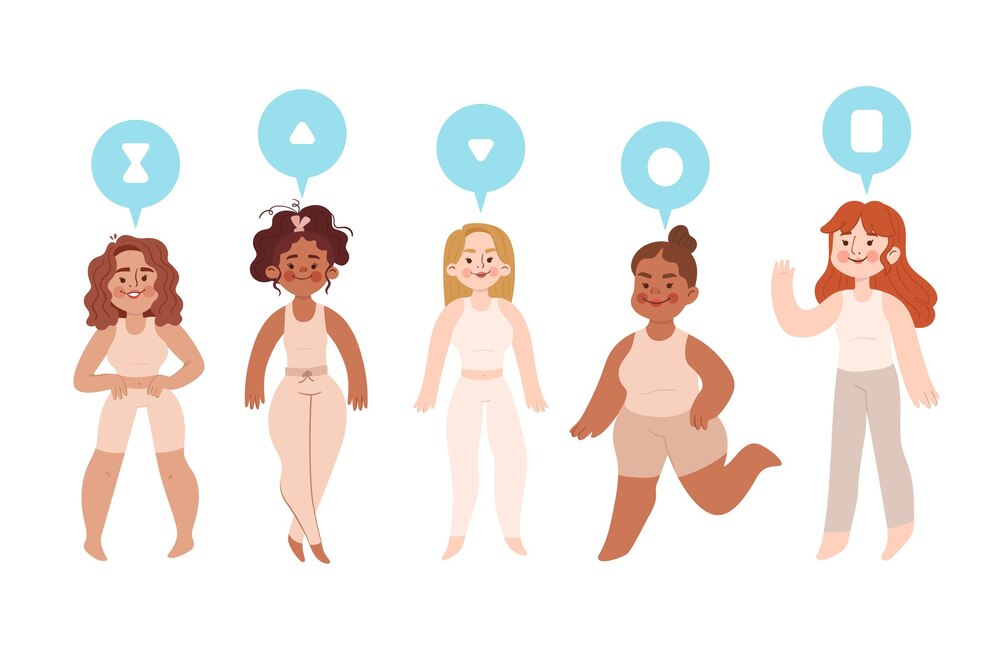
Directed for social media consumption, the animated short In Shapes celebrates body diversity through uplifting visuals and a central message that self-worth transcends physical appearance. Created to empower young people feeling insecure about their bodies, the film showcases characters of varied shapes and sizes engaging confidently in everyday activities.
Steven Universe and Body Confidence
Rebecca Sugar’s Steven Universe has been lauded for its inclusive ethos, portraying gems and humans with a spectrum of body forms and hues. In partnership with the Dove Self Esteem Project, the series produced a music video, “We Deserve to Shine,” explicitly promoting body positivity and self-esteem among children and gender-expansive youth. Viewers praise how Steven Universe balances fantasy with real-world messages about acceptance, using its characters as conduits for self-reflection and positive change.
She-Ra and the Princesses of Power
Netflix’s reboot intentionally portrays its princesses in diverse shapes, sizes, and ethnicities—departing from the uniform figures of the 1980s original. When Spinnerella, a plus-size character, faced fat-shaming online, fan backlash swiftly defended her, evidencing the show’s body-positive impact. The creative team’s commitment to authentic character design has sparked dialogue about avoiding sexualization in children’s media and embracing varied body profiles as heroic.
Other Notable Series
- Kipo and the Age of Wonderbeasts integrates characters with different abilities and builds into its heroic ensemble, normalizing physical diversity in a sci-fi setting.
- Craig of the Creek presents a wide array of child characters with varying body types, demonstrating that adventure and agency belong to all shapes and sizes.
- Stand-alone episodes in anthologies like Adventure Time and Over the Garden Wall experiment with inclusive character design to subvert traditional tropes, offering glimpses of worlds where appearance isn’t destiny.
Industry and Audience Impact
Inclusive animation has measurable effects on viewers’ self-esteem and empathy. Research indicates that seeing “ordinary” body types reduces internalized stigma and broadens children’s understanding of beauty norms. Industry reports note higher retention and social engagement for series praised for diversity, suggesting a business case for body-inclusive storytelling.
Creators also report that diverse casts spur richer storytelling, as characters’ physicality informs their journeys, challenges, and triumphs. This holistic approach deepens narrative complexity and strengthens audience connections.
Challenges and Criticisms
Despite progress, some creators face pushback:
- Fan resistance rooted in nostalgia or narrow beauty ideals can erupt when beloved characters are redesigned more inclusively.
- Budgetary constraints and production pipelines optimized for uniform models sometimes hinder organic diversity in background characters.
- A lack of diverse decision-makers within studios can stall authentic representation, leading to tokenism rather than meaningful inclusion.
Academic critiques call for systematic audits—akin to those for gender and racial representation—to assess body diversity across animation catalogs and hold studios accountable.
Future Directions
To further embed body inclusivity, the industry should:
- Implement diversity guidelines in development bibles, covering body size, ability, and gender expression alongside race and sexuality.
- Invest in training and hiring artists from underrepresented body communities to shape authentic narratives.
- Support experimental and independent animation, where creators can push boundaries without the constraints of mainstream commercial models.
- Encourage academic–industry partnerships to track representation trends and their psychological impact on audiences.
By normalizing varied bodies as the default, animation can play a leading role in redefining societal beauty standards and celebrating the full spectrum of human form.
Conclusion
The rise of body-inclusive animation marks a crucial shift toward narratives that reflect the diversity of real lives. From short-form experiments like In Shapes to flagship series such as Steven Universe and She-Ra and the Princesses of Power, cartoons are increasingly serving as platforms for empathy, self-acceptance, and social change. While challenges remain, the momentum is clear: audiences crave and benefit from seeing heroes in every shape and size, and the animation industry is responding with creativity and heart. As this trend continues, we can look forward to richer stories, broader representation, and a generation of viewers empowered to love their bodies and celebrate difference.