 by
by A Celebration That Often Becomes a “Project”
A wedding is frequently described as one of life’s most joyful milestones—a moment of union, celebration, and cultural ritual. Yet for many brides across the world, this period is also marked by something far less romantic: the expectation of transformation. Long before the wedding day arrives, brides are often pulled into a narrative that suggests they must become a “better version” of themselves—more polished, more disciplined, more aesthetically refined, more socially acceptable.
This transformation is rarely framed as optional. Instead, it is embedded in conversations disguised as advice: “You’ll want to look your best,” “It’s your big day,” “Start preparing early,” or “You’ll regret it if you don’t do something now.” On the surface, these statements seem harmless, even supportive. But culturally, they operate as quiet instructions that reinforce a narrow definition of bridal beauty—one that is heavily tied to appearance modification and performance.
What makes this pressure particularly complex is that it is not driven by a single source. It is reinforced simultaneously by family members, bridal industries, social media ecosystems, and deeply rooted cultural traditions. The result is a layered system in which the bride becomes both the subject of celebration and the object of scrutiny.
Understanding this phenomenon requires more than looking at fashion or beauty trends. It requires unpacking how weddings became one of the most concentrated sites of body surveillance, identity negotiation, and social expectation in contemporary culture.
The Historical Roots of Bridal “Perfection” Narratives
The idea that brides should transform for their wedding is not new. Historically, marriage ceremonies across cultures have functioned as public displays of family status, social alliance, and community belonging. In many societies, the bride’s appearance was not just personal expression—it was symbolic capital.
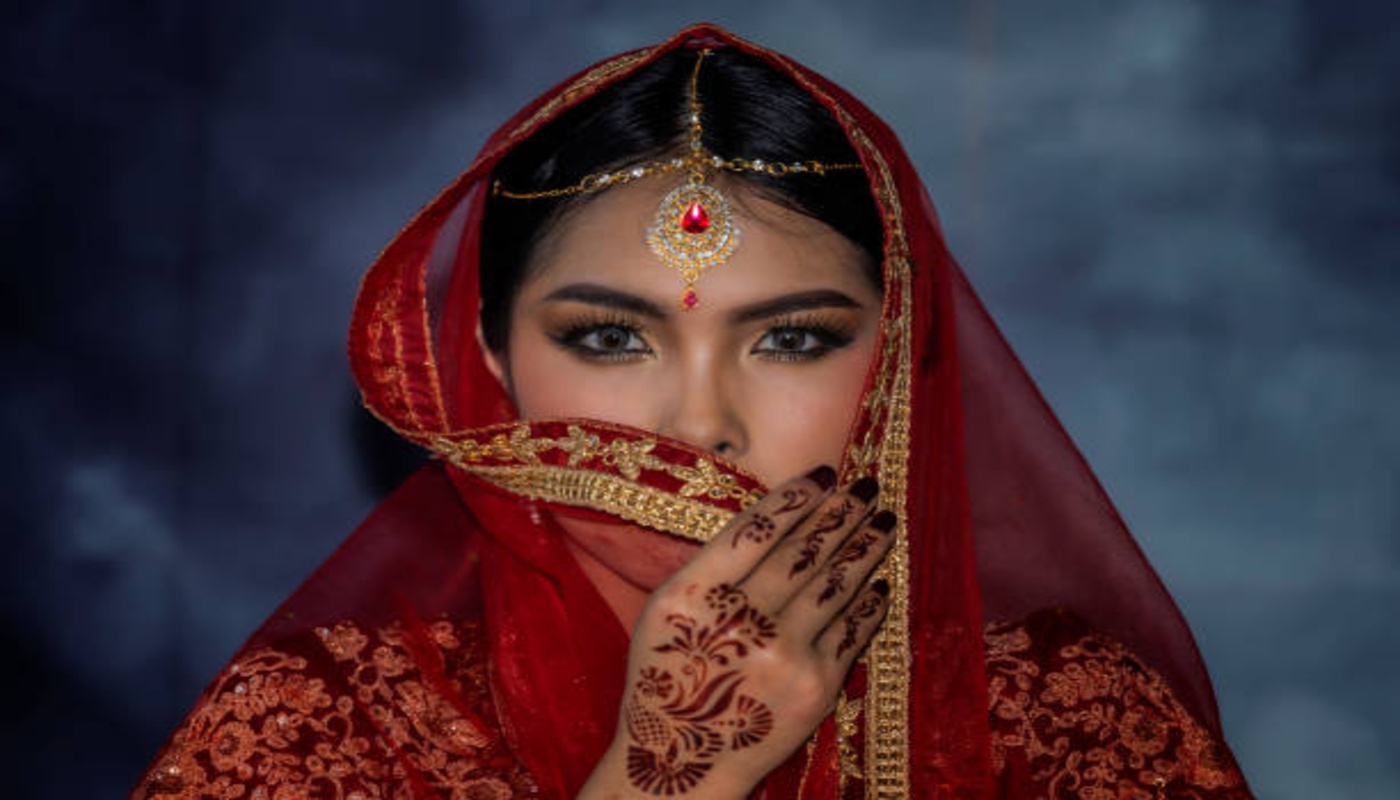
In aristocratic European traditions, bridal attire and grooming were carefully curated to signal wealth and lineage. In South Asian and Middle Eastern contexts, bridal adornment—jewelry, textiles, henna, and makeup—was historically tied to cultural identity and familial honor. In East Asian traditions, bridal presentations often emphasized ritual purity, modesty, and aesthetic harmony.
While these traditions were not inherently about “transformation,” modern consumer culture has reinterpreted them through a highly commercial lens. What was once symbolic adornment has now been reframed as personal optimization. The bride is no longer simply participating in ritual beauty; she is expected to actively “upgrade” herself.
This shift aligns with a broader global trend: the commercialization of milestones. Weddings, like birthdays and pregnancies, have become industries where identity is curated through consumption. Bridal transformation, in this sense, is not just cultural—it is economic.
South Asia: The Bridal Body as a Social Canvas
In South Asian cultures, particularly in countries like Pakistan and India, weddings are often multi-day events involving extended family, community networks, and layered rituals. Within this context, the bride becomes a central figure of visual and social attention.
Here, the pressure to transform often manifests through multiple overlapping expectations:
- Pre-wedding grooming routines (skin treatments, hair care, aesthetic consultations)
- Fitness or “slimming” narratives framed as discipline or dedication
- Intensive bridal makeup trials and styling sessions
- Heavily curated wardrobe planning across multiple ceremonies
While these practices are often presented as celebratory preparation, they can also become emotionally loaded obligations. Brides are frequently told they must “glow,” “shimmer,” or “look flawless,” terms that carry an implicit assumption of correction—suggesting that the natural self is insufficient.
Importantly, this pressure is not only aesthetic but relational. Family members often participate in decision-making, sometimes reinforcing generational expectations about how a bride should appear. Bridal preparation becomes a shared family project, but one that can quietly erase the bride’s autonomy.
Social media intensifies this further. Platforms like Instagram and TikTok circulate highly curated bridal imagery—perfect lighting, professional photography, stylized poses, and heavily edited visuals. These images often become unofficial benchmarks. Brides are not only preparing for their wedding guests; they are preparing for an imagined digital audience that will evaluate their appearance indefinitely.
The Western Bridal Industry: Optimization as a Lifestyle
In Western contexts, bridal transformation is often framed less as ritual duty and more as self-improvement. However, the underlying pressure remains remarkably similar.
A significant portion of the bridal industry in countries like the United States, the United Kingdom, and parts of Europe is built around the concept of “wedding readiness.” This includes:
- Bridal fitness programs and personal training packages
- Skincare regimens marketed as “wedding glow” systems
- Diet culture narratives tied to dress fittings and timelines
- Cosmetic dentistry, tanning, and aesthetic treatments marketed as confidence boosters
The language used here is important. Rather than direct commands, brides are often encouraged through empowerment rhetoric: “Feel your best on your big day,” or “Invest in yourself before your wedding.” While these messages appear supportive, they subtly reinforce the idea that a bride must undergo visible improvement before being socially validated.
Bridal magazines and wedding planning platforms further amplify this narrative. Many feature transformation stories framed as inspirational journeys—before-and-after styling, fitness milestones, and beauty enhancements. These stories can be motivating for some, but they also normalize the idea that a bride’s starting point is inadequate.
What distinguishes Western bridal transformation culture is its strong alignment with consumer capitalism. Every aspect of the “transformation journey” is monetized, from skincare kits to fitness subscriptions to luxury spa packages. The bride becomes not only a cultural participant but a high-value consumer segment.
East Asia: Aesthetic Discipline and Visual Harmony
In parts of East Asia, particularly South Korea and Japan, bridal aesthetics are influenced by broader cultural standards of presentation, refinement, and visual coherence. Bridal transformation here is often closely tied to concepts of harmony, elegance, and photographic perfection.
The bridal industry in these regions is highly structured, with an emphasis on studio photography, curated wedding shoots, and stylized presentation formats. Brides may engage in extensive preparation processes including skincare routines, posture training, and wardrobe planning designed to create a specific visual narrative.
However, it is important to avoid oversimplification. These practices are not solely about external pressure—they also reflect cultural appreciation for detail, ceremony, and visual storytelling. At the same time, the expectations surrounding appearance can be intense, particularly in environments where social comparison is highly visible through media and photography.
The rise of digital wedding albums and influencer-style bridal content has further intensified these expectations. Brides are increasingly aware that their images will circulate online, often permanently. This awareness contributes to a heightened sense of self-monitoring and aesthetic discipline.
Middle Eastern Bridal Glamour: Tradition, Luxury, and Display
In many Middle Eastern cultures, weddings are deeply expressive events characterized by luxury, elaborate styling, and strong aesthetic traditions. Bridal transformation here often involves highly detailed preparation, including makeup artistry, hairstyling, jewelry selection, and couture fashion.
Bridal beauty in this context is often associated with celebration and honor. However, the scale and visibility of transformation can also create pressure. Brides may feel compelled to meet elevated expectations of glamour, particularly in social settings where weddings are major communal events.
Luxury bridal industries—makeup artists, designers, stylists, and photographers—play a significant role in shaping expectations. Social media has also amplified regional bridal aesthetics, with viral content showcasing highly stylized wedding looks that set aspirational standards.
Again, the key tension lies in the balance between cultural celebration and aesthetic expectation. While many brides find joy in participating in these traditions, others experience pressure to conform to increasingly polished ideals of bridal presentation.
Social Media: The Global Amplifier of Bridal Transformation Culture
Across all regions, social media acts as the most powerful accelerator of bridal transformation pressure.
Platforms like Instagram, Pinterest, TikTok, and YouTube have created an endless stream of bridal inspiration content. While this content is often marketed as helpful planning material, it also constructs a visual hierarchy of “ideal brides.”
Several recurring patterns emerge:
- Before-and-after transformation reels
- “Wedding glow-up” timelines
- Bridal skincare and fitness journeys
- Highly curated influencer wedding content
- Viral makeup transformations that emphasize dramatic change
This constant exposure creates a subtle but persistent comparison loop. Brides begin to internalize the idea that their wedding appearance should be documented, optimized, and publicly validated.
The influencer economy further intensifies this dynamic. Bridal influencers often collaborate with beauty brands, fashion designers, and wellness companies, turning personal weddings into branded content. While this creates aspirational storytelling, it also sets unrealistic expectations for everyday brides who do not have access to the same resources.
In this environment, transformation is no longer just preparation—it becomes performance.
Psychological Dimensions: Identity Under Construction
The cultural pressure on brides to transform is not only external; it becomes internalized through repeated exposure and expectation.
Psychologically, this can manifest in several ways:
- Heightened self-monitoring during wedding planning
- Increased anxiety about appearance consistency
- Difficulty separating personal identity from aesthetic expectations
- Feeling of being “evaluated” rather than celebrated
Weddings are already emotionally complex events, often involving transitions in identity, family structure, and social roles. When layered with appearance-based pressure, the emotional load increases significantly.
One of the most subtle effects is the shift in self-perception. Brides may begin to view themselves as “projects in progress” rather than individuals preparing for a life transition. This framing can reduce the sense of joy and replace it with performance anxiety.
Importantly, this experience is not universal. Some brides find empowerment in bridal preparation rituals. Others experience a blend of excitement and pressure. The psychological impact exists on a spectrum, shaped by personal support systems, cultural context, and individual agency.
Family, Community, and the Politics of “Looking Good”
While media and industry influence are significant, family and community expectations often carry the most emotional weight.
In many cultures, a wedding is not just about two individuals—it is a public event representing families, lineage, and social standing. As a result, the bride’s appearance is often interpreted as reflective of collective honor.
This can lead to well-intentioned but pressure-filled involvement from relatives:
- Suggestions for appearance changes framed as care
- Comparisons with other weddings
- Emphasis on guest perception
- Traditional expectations about bridal presentation
Even when support is genuine, it can blur the line between care and control. Brides may feel obligated to meet expectations that are not entirely their own, making autonomy difficult to maintain.
The Bridal Industry Economy: Selling Transformation
The global wedding industry is built on the idea of transformation. From skincare brands to fitness studios to luxury bridal boutiques, entire markets depend on the assumption that brides will invest in becoming a “better version” of themselves.
Bridal packages often bundle multiple services into transformation narratives:
- “Wedding glow packages”
- “Bridal fitness journeys”
- “Pre-wedding beauty regimens”
- “Complete bridal makeover experiences”
This commercialization turns emotional milestones into structured consumption pathways. The bride is not only planning a wedding; she is participating in a multi-sector economic ecosystem that monetizes appearance and anticipation.
Resistance and Reframing: Toward Bridal Inclusivity
Despite the dominance of transformation culture, there is a growing counter-narrative emerging across global bridal spaces.
More brides and creators are beginning to challenge traditional expectations by:
- Emphasizing comfort over correction
- Sharing unfiltered or minimally edited wedding images
- Rejecting “before-and-after” framing
- Promoting body diversity in bridal campaigns
- Highlighting emotional presence over aesthetic perfection
Bridal brands and photographers are also slowly expanding representation, showcasing a wider range of bodies, identities, and styling choices. While these shifts are still emerging, they signal an important cultural transition.
The idea of bridal beauty is beginning to move away from uniform transformation and toward individualized expression.
One of the most persistent drivers of bridal transformation culture is the normalization of comparison as preparation. Brides are often encouraged—explicitly or implicitly—to “look at inspiration,” which quickly turns into measuring themselves against curated digital ideals. Pinterest boards, Instagram reels, and wedding blogs present thousands of highly polished bridal images that appear effortless but are actually the result of styling teams, lighting control, editing, and professional photography. The psychological shift happens quietly: inspiration becomes expectation. Instead of asking, “What feels right for me?” many brides begin asking, “How do I look like that bride?” This shift is subtle but powerful because it reframes identity as something to be matched rather than expressed. Even well-intentioned advice from friends—sharing makeup artists, fitness routines, or bridal packages—can contribute to a growing sense of inadequacy. In this environment, transformation becomes less about joy and more about alignment with a constantly moving visual standard. The issue is not inspiration itself, but the absence of balance. When only one type of bridal body, face, or aesthetic is repeatedly circulated, it creates a silent hierarchy of desirability. Brides who do not naturally fit these visual templates may feel an added burden to modify themselves, not out of desire, but out of perceived necessity for acceptance within the wedding gaze.
Another layer of pressure emerges through the concept of “photographic permanence,” where brides are increasingly aware that their wedding images will exist indefinitely across digital platforms. Unlike previous generations, where wedding albums were private or shared within close circles, today’s bridal imagery often circulates publicly, sometimes widely. This awareness changes how brides approach their appearance, posture, expressions, and even emotional authenticity. The wedding day becomes not just a lived experience but a future archive of visual identity. As a result, many brides feel compelled to perform a version of themselves that will remain “acceptable” across time, trends, and audiences. This creates an internal conflict between being present in the moment and being visually optimized for documentation. It can also amplify anxiety around small details that would otherwise be insignificant, such as skin texture, smile symmetry, or body positioning in photographs. The camera becomes a silent authority shaping behavior throughout the wedding day. While photography is meant to preserve memory, it can also inadvertently reshape how memory is lived. Brides may later recall their wedding not through emotional experiences alone, but through how they believe they appeared in images. This reinforces the idea that transformation is not temporary but permanently recorded, further intensifying the pressure to “get it right” before the event rather than simply experiencing it.
At the same time, a quiet cultural resistance is beginning to form, challenging the assumption that bridal transformation is necessary for legitimacy or celebration. This resistance is not always loud or institutional; it often appears in small, individual acts of refusal. Some brides are choosing to minimize pre-wedding “fixing” rituals, opting instead for routines that prioritize comfort, familiarity, and emotional grounding. Others are sharing unedited or lightly edited wedding photos, deliberately rejecting the expectation of perfection. There is also a growing creative shift among photographers and content creators who are moving away from hyper-stylized bridal imagery toward more documentary-style storytelling that captures movement, emotion, and imperfection. These shifts are significant because they reintroduce variability into a space that has long been dominated by standardization. Importantly, this resistance does not reject beauty or celebration; rather, it redefines them. It suggests that beauty can coexist with authenticity, and that weddings can hold emotional truth without requiring aesthetic correction. While transformation culture remains deeply embedded in global wedding industries, these emerging practices signal a gradual cultural widening. They open space for brides to exist without the obligation to perform improvement, and instead participate in weddings as full, unedited individuals whose value is not determined by how closely they match an ideal, but by their presence within a shared moment of transition and meaning.
Conclusion: Beyond Transformation, Toward Presence
The cultural pressure on brides to transform before weddings reveals something deeper than beauty standards. It exposes how modern societies negotiate identity, value, and visibility through the body. The bride becomes a focal point where tradition, industry, family expectation, and digital culture converge.
Yet within this convergence lies an important question: what if weddings were not about becoming someone else, but about being fully seen as oneself?
Reframing bridal culture does not require rejecting beauty, ritual, or celebration. It requires expanding the definition of what is worthy of attention. A wedding does not need to be a transformation project to be meaningful. It can be a moment of presence—where identity is not corrected, but witnessed.
As bridal culture continues to evolve under the influence of inclusivity movements and digital transparency, there is potential for a shift. One where brides are not measured by how much they change before their wedding day, but by how authentically they are allowed to exist within it.
Sources: Vogue, BBC, The Guardian, The New York Times, Al Jazeera, Refinery29, Harper’s Bazaar, The Cut