 by
by When Beauty Advice Stops Being Helpful and Starts Becoming a Mirror of Insecurity
Every few weeks, social media introduces a new beauty hack that promises to change lives in under a minute. One video claims that placing blush higher on the cheeks instantly creates a lifted face. Another insists that freezing your face in ice water every morning will sculpt sharper features. Soon after, a different creator demonstrates “face taping” overnight, while another recommends contour placement based on facial geometry that supposedly guarantees a more attractive appearance. These clips often gain millions of views within days, inspiring countless recreations, product purchases, and online debates.
At first glance, these beauty hacks appear harmless. Many are presented as fun experiments rather than strict beauty rules. They encourage creativity, self-expression, and curiosity. Yet beneath the entertaining editing, catchy music, and dramatic before-and-after transformations lies a more complicated cultural story. Viral beauty hacks do not simply teach techniques; they often redefine what people believe they should fix about themselves.
Unlike traditional beauty magazines that published monthly trends, today’s digital platforms create a continuous stream of perceived imperfections. A feature that was never considered a flaw yesterday suddenly becomes the focus of an entire trend tomorrow. Millions of users who had never questioned their jawline, forehead, lips, eye shape, neck, waist, or skin texture suddenly begin evaluating those characteristics through the lens of viral content.
The result is not simply a changing makeup routine. It is a changing relationship with one’s own body.
Body anxiety thrives when people begin seeing themselves primarily as projects requiring constant improvement. Viral beauty hacks, intentionally or unintentionally, often encourage exactly this mindset. They transform ordinary human variation into endless opportunities for optimization.
Understanding this phenomenon requires looking beyond cosmetics and algorithms. It demands examining psychology, consumer culture, digital media, gender expectations, and global beauty standards simultaneously. The conversation is not about whether beauty routines are inherently harmful—they are not. Rather, it is about how the speed, repetition, and commercialization of viral beauty content can quietly reshape the way people think about themselves.
The Evolution of Beauty Advice in the Digital Age
Beauty advice has existed for centuries. Historical texts from Ancient Egypt, China, India, Persia, and Europe all documented skincare rituals, cosmetics, herbal remedies, and grooming traditions. Beauty practices were often connected to culture, identity, celebration, spirituality, and local resources.
What has changed is not humanity’s interest in appearance but the velocity with which beauty advice now travels.
A makeup technique once shared between friends can now reach hundreds of millions of viewers within days. A creator filming in Seoul can influence teenagers in São Paulo. A skincare trend that begins in Los Angeles can quickly appear in Lagos, London, Karachi, Jakarta, and Toronto.
Algorithms accelerate this exchange by rewarding novelty.
The more surprising or visually dramatic a beauty hack appears, the greater its chances of becoming viral. As a result, creators are incentivized to present increasingly transformative claims.
Instead of saying, “This moisturizer helped my skin feel comfortable,” a viral video may promise, “This trick will erase ten years from your face.”
Instead of demonstrating artistic makeup, creators may frame techniques as methods for correcting supposed flaws.
The language subtly shifts from enhancement toward repair.
That distinction matters because people begin consuming beauty advice through a lens of inadequacy rather than creativity.
When Every Feature Becomes a Problem Waiting to Be Solved
Perhaps the most significant psychological impact of viral beauty hacks is that they introduce insecurities people previously never considered.
Psychologists often discuss attentional bias—the tendency to notice something repeatedly once it has been highlighted.
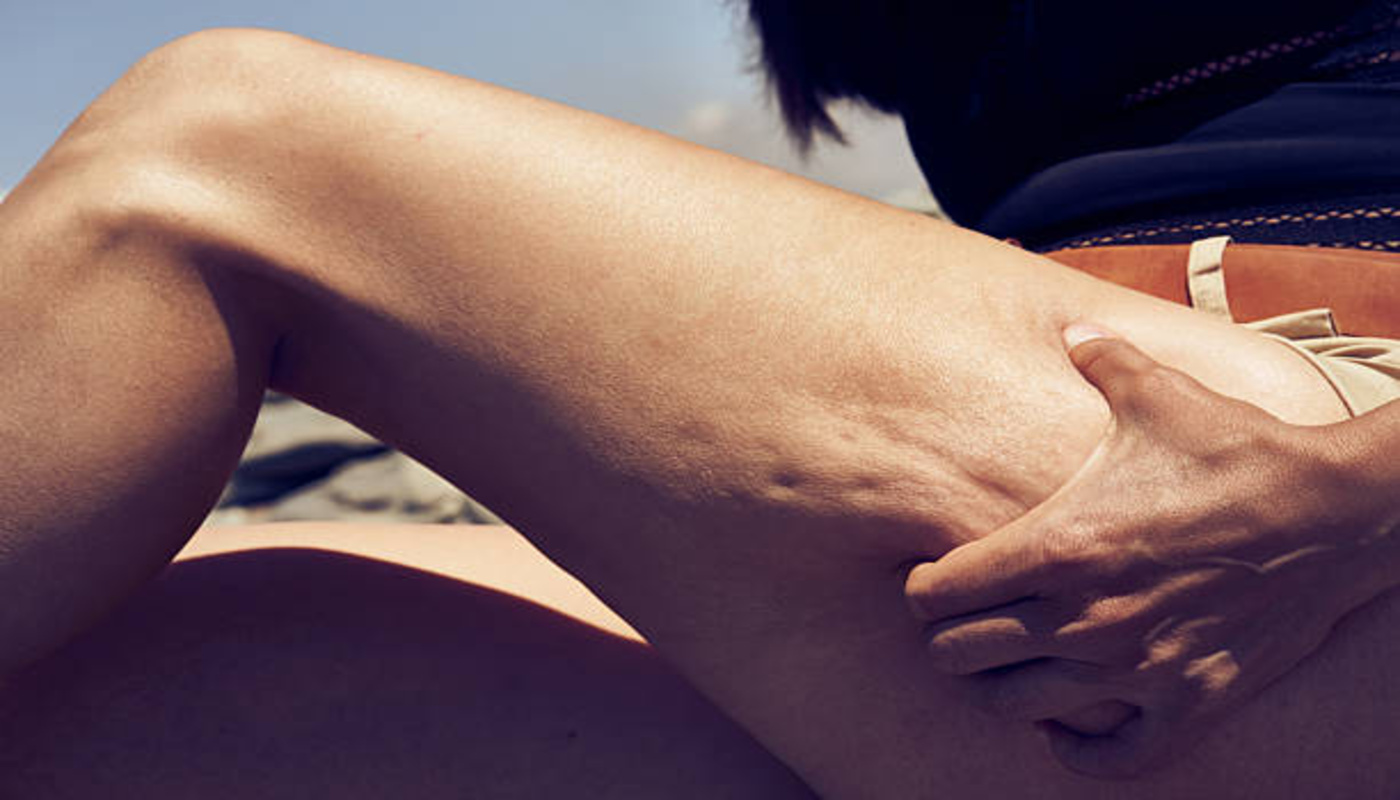
Someone who has never thought about “mouth breathing face,” “facial asymmetry,” “hip dips,” “double cleansing mistakes,” “eyebrow blindness,” or “facial harmony” may suddenly encounter hundreds of videos discussing these concepts.
Once awareness develops, it becomes difficult to ignore.
People begin examining themselves differently.
Mirrors become diagnostic tools instead of neutral reflections.
Selfies become comparison exercises rather than memories.
Front-facing cameras become evidence.
The issue is not that these physical characteristics suddenly appeared. Most existed all along. What changed was the social meaning attached to them.
Viral content frequently labels normal human diversity as something unusual, undesirable, or correctable.
Body anxiety grows not because bodies change overnight but because expectations do.
The Illusion of Quick Fixes
Many viral beauty hacks promise dramatic results with minimal effort.
Five minutes.
One product.
Three simple steps.
Seven days.
This language appeals because it offers certainty in a world filled with uncertainty.
Unfortunately, bodies rarely behave according to viral timelines.
Skin responds differently across genetics, climates, hormones, age groups, and medical histories. Hair texture varies widely. Facial structures differ naturally among populations. What appears effective for one creator may produce entirely different results for another person.
When viewers fail to achieve identical outcomes, many do not question the hack.
Instead, they question themselves.
They assume they applied the product incorrectly.
They believe they need another product.
They wonder whether their own face or body is uniquely flawed.
The psychological burden shifts away from unrealistic promises and toward individual self-blame.
This cycle fuels both anxiety and unnecessary consumption.
Algorithms Reward Transformation More Than Acceptance
Social media algorithms prioritize engagement.
Transformation videos naturally generate curiosity.
People pause to watch dramatic before-and-after clips.
They replay transitions.
They save tutorials.
They comment.
They share.
Every interaction increases visibility.
As a result, platforms often amplify content emphasizing dramatic visual change rather than content celebrating ordinary appearance.
Creators who confidently say, “Your face is perfectly normal,” rarely receive the same engagement as creators claiming, “You’ve been applying blush wrong your entire life.”
This creates a distorted online environment where improvement appears constant and dissatisfaction becomes normalized.
Over time, users may mistakenly believe everyone else is continually upgrading their appearance while they remain behind.
The reality is quite different.
Millions of people enjoy beauty routines without obsessing over every facial feature.
Millions never participate in viral trends at all.
But algorithms rarely make ordinary confidence go viral.
Beauty Hacks and the Commercialization of Insecurity
Few viral trends exist independently of consumer markets.
Many beauty hacks quickly become linked to affiliate marketing, sponsorships, product launches, and brand collaborations.
A creator demonstrates a problem.
Then introduces the solution.
Often, that solution can be purchased immediately through an embedded shopping link.
This business model does not necessarily mean creators act dishonestly. Many genuinely enjoy the products they recommend.
However, the economic structure still rewards identifying new problems.
If consumers already feel satisfied with their appearance, they are less likely to buy additional beauty products.
But if they suddenly become concerned about facial puffiness, uneven lips, invisible pores, neck lines, smile lines, jaw definition, under-eye brightness, or skin texture, new purchasing opportunities emerge.
Consumer culture has always interacted with beauty.
Digital platforms simply compress this process into seconds.
Awareness.
Anxiety.
Purchase.
Recommendation.
Repeat.
The speed of this cycle can make it difficult for audiences to recognize how emotional responses are influencing spending decisions.
Why Younger Audiences Are Especially Vulnerable
Adolescence has always involved identity formation.
Young people naturally explore clothing, hairstyles, makeup, and personal style while developing confidence.
Social media has expanded these experiences dramatically.
Teenagers today encounter beauty advice not only from friends but from thousands of creators every week.
Developmental psychologists note that adolescents are particularly sensitive to peer approval and social comparison.
When beauty hacks become embedded within online peer culture, they may begin feeling less like optional trends and more like expectations.
A student may wonder why classmates suddenly contour their noses differently.
Another may notice friends discussing skincare ingredients they had never previously heard of.
Someone else may feel excluded because they cannot afford trending products promoted online.
Body anxiety becomes intertwined with belonging.
The concern shifts from “Do I like this look?” to “Will people think I look outdated if I don’t follow this trend?”
This subtle psychological transition can have lasting effects on self-esteem.
Cross-Cultural Beauty Standards Are Becoming Increasingly Blended
One fascinating aspect of viral beauty culture is its global nature.
Beauty ideas now cross borders faster than ever before.
Korean skincare routines influence consumers across Europe and North America.
Brazilian beauty techniques inspire creators in Southeast Asia.
African skincare traditions gain attention internationally.
Indian beauty rituals become global wellness trends.
This cultural exchange can be enriching.
People discover ingredients, traditions, and artistic practices they might never otherwise encounter.
Yet globalization also creates new tensions.
Many viral hacks gradually converge toward increasingly narrow ideals.
Regardless of cultural origin, numerous trends emphasize similar outcomes:
- Sharper jawlines.
- Smaller-looking noses.
- Smoother skin.
- Lifted eyes.
- Fuller lips.
- Sculpted cheekbones.
- Slimmer facial appearance.
Although these ideals emerge through different aesthetic traditions, repeated exposure creates the impression that beauty worldwide is moving toward a single standardized face.
In reality, cultural beauty traditions have historically celebrated remarkable diversity.
Many communities value expressive smiles, natural curls, freckles, fuller figures, darker complexions, aging with dignity, traditional hairstyles, or distinctive facial features that global trends sometimes overlook.
Protecting cultural diversity means recognizing that beauty cannot be reduced to one algorithm-friendly template.
The Emotional Cost of Constant Comparison
Perhaps the greatest hidden consequence of viral beauty hacks is not financial but emotional. Comparison has always existed, yet social media has intensified it by making beauty feel measurable. Every scroll offers another face, another routine, another transformation, and another reminder that someone appears to have discovered the “secret” to looking better.
Unlike comparing ourselves to a celebrity on a magazine cover once in a while, today’s comparisons are continuous. Users may encounter hundreds of faces in a single day, each presented in flattering lighting, carefully selected angles, edited clips, and polished storytelling. Even when creators openly acknowledge using filters or professional lighting, repeated exposure can subtly reshape expectations.
Researchers studying social comparison have consistently found that people tend to compare themselves with those they perceive as slightly better off rather than drastically different. Viral beauty creators often seem relatable—they film in bedrooms, bathrooms, or cars, speak casually, and present themselves as ordinary people. This relatability makes comparison even stronger because viewers think, “If they can achieve this, why can’t I?”
The emotional impact can accumulate gradually. Someone may begin avoiding photographs because they now notice perceived flaws they never paid attention to before. Another person might spend increasing amounts of time analyzing their reflection instead of enjoying social events. What began as entertainment slowly evolves into self-monitoring.
Body anxiety rarely appears overnight. More often, it develops through hundreds of seemingly insignificant moments of comparison that collectively influence how someone evaluates themselves. The challenge is not beauty itself but the constant suggestion that confidence must always be earned through improvement.
The Rise of “Preventive” Beauty Culture
One of the most striking shifts in recent years has been the growing popularity of preventive beauty messaging. Instead of encouraging people to respond to visible concerns, many viral hacks suggest addressing imagined future problems before they exist.
Young adults are encouraged to use products marketed toward wrinkle prevention long before aging becomes noticeable. Facial taping, exaggerated skincare layering, and elaborate nighttime routines are sometimes promoted not because someone currently needs them but because they might need them years later.
This reflects a broader cultural shift from caring for the body to constantly anticipating its imperfections.
Preventive health practices certainly have value. Wearing sunscreen, staying hydrated, protecting skin from excessive sun exposure, and maintaining healthy habits are evidence-based recommendations. However, preventive beauty culture often expands far beyond these practices, creating anxiety about natural aging itself.
The message subtly becomes, “If you don’t start fixing your future face today, you may regret it tomorrow.”
This transforms aging—a universal human experience—into something to fear rather than something to navigate with confidence.
The irony is that many people who begin these routines are decades away from the concerns they are trying to prevent. Instead of enjoying their present appearance, they become preoccupied with preserving a future version of themselves that does not yet exist.
When Inclusivity Becomes Another Marketing Strategy
In recent years, the beauty industry has made meaningful progress toward greater representation. More brands now feature models with diverse skin tones, body sizes, ages, disabilities, and gender expressions. Campaigns increasingly recognize that beauty exists across many identities rather than within a single ideal.
At the same time, inclusivity itself has sometimes become part of marketing language.
Brands may celebrate self-love while simultaneously promoting products through messages implying that consumers still need correction. Campaigns encouraging authenticity can exist alongside advertisements emphasizing flawlessness.
This contradiction creates confusion.
People hear, “You’re beautiful exactly as you are,” followed immediately by, “Here’s the product that will perfect your appearance.”
Neither beauty products nor marketing are inherently harmful. Cosmetics have long served as tools for creativity, celebration, culture, and personal expression. The difficulty arises when messages of empowerment become inseparable from messages of inadequacy.
True body inclusivity does not require rejecting beauty routines. Rather, it asks whether those routines are motivated by joy, self-expression, and care—or by fear of failing increasingly narrow standards.
Lessons From Public Conversations Around Beauty
Several public figures have contributed to healthier conversations about beauty by speaking openly about unrealistic expectations without promoting shame or speculation.
Actress and entrepreneur Pamela Anderson attracted widespread attention when she began attending several public events with minimal makeup, explaining in interviews that she wanted to feel more like herself and embrace simplicity. Rather than declaring makeup unnecessary, she emphasized personal choice and comfort, encouraging a broader discussion about beauty beyond perfection.
Similarly, actress Alicia Keys sparked international conversations through her “no makeup” period, describing her decision as an exploration of authenticity rather than a rejection of cosmetics. She later clarified that her message was always about freedom—the freedom to wear makeup or not without external pressure.
These cultural moments mattered because they challenged the assumption that beauty always requires constant enhancement.
Neither woman argued that everyone should follow the same path. Instead, their public reflections encouraged people to ask a more meaningful question: “Who am I trying to please?”
That question is particularly relevant in the era of viral beauty hacks.
If a beauty routine feels creative, relaxing, or personally meaningful, it can be a positive part of daily life. If it stems primarily from fear of falling behind rapidly changing trends, it may deserve closer examination.
A Global Conversation About Digital Beauty
Although social media platforms operate globally, beauty ideals continue to interact with local cultures in fascinating ways.
In East Asia, discussions around skincare often emphasize prevention, discipline, and consistency. In parts of Latin America, beauty traditions frequently celebrate glamour, vibrant self-expression, and confidence. Across Africa, traditional skincare ingredients and natural hair movements have gained renewed visibility alongside modern beauty innovations. South Asian beauty culture blends centuries-old practices—including turmeric, herbal oils, and botanical care—with global cosmetic trends.
These diverse traditions demonstrate that beauty has never belonged to one culture alone.
However, global algorithms often flatten this diversity.
Instead of highlighting distinct cultural expressions equally, recommendation systems frequently amplify whatever visual style currently generates the highest engagement. Over time, local beauty traditions risk becoming overshadowed by standardized global aesthetics.
This has implications beyond appearance.
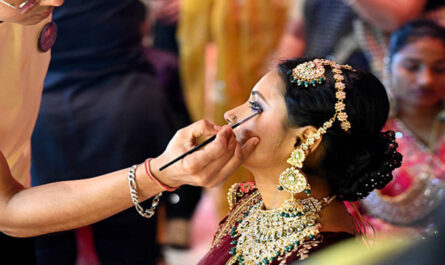
Beauty rituals often carry cultural memory. Hairstyles, fabrics, jewelry, skincare ingredients, and cosmetics can reflect family history, regional identity, religious practice, or community belonging.
Protecting cultural diversity therefore means protecting multiple ways of understanding beauty rather than allowing one algorithmically popular standard to dominate every digital space.
Building Digital Literacy Around Beauty Content
One promising response to viral beauty anxiety is improving digital literacy.
Rather than asking people to abandon social media entirely, educators, psychologists, parents, and creators increasingly encourage viewers to become more critical consumers of online content.
Questions such as these can shift perspective:
- Is this creator sharing personal experience or universal advice?
- Does this video rely on dramatic editing or unusual lighting?
- Am I being encouraged to appreciate my appearance or constantly correct it?
- Is this recommendation evidence-based, or is it primarily designed to sell a product?
- How do I feel after watching this content—curious, inspired, or inadequate?
These questions are not intended to eliminate enjoyment.
Beauty content can remain entertaining, educational, and creative while also being approached thoughtfully.
Developing this awareness reduces the likelihood that every viral trend becomes another standard against which people judge themselves.
Redefining Beauty as Expression Rather Than Perfection
One of the healthiest cultural shifts occurring today involves reframing beauty as expression instead of perfection.
Expression invites experimentation.
Someone might wear bold eyeliner because it feels artistic.
Another person may shave their head because it reflects personal identity.
Someone else may enjoy elaborate skincare because it provides relaxation after work.
These choices are fundamentally different from attempting to eliminate every perceived imperfection.
Expression begins with curiosity.
Perfection begins with fear.
The distinction may seem subtle, but psychologically it changes everything.
People who approach beauty as creative expression often retain flexibility. Trends come and go without defining their self-worth.
Those pursuing perfection, however, frequently discover that the destination keeps moving. Every solved insecurity is replaced by another because digital culture continually introduces new ideals.
True confidence cannot depend upon keeping pace with an algorithm that never stops changing.
Looking Toward a More Inclusive Digital Future
Technology itself is not the enemy.
Social media has introduced millions of people to diverse creators, independent beauty educators, dermatologists, makeup artists, historians, and cultural storytellers. It has democratized knowledge that was once limited to professional industries.
The challenge lies in designing online environments that reward authenticity as much as transformation.
Platforms are increasingly discussing transparency around filters, sponsored content, and AI-generated imagery. Researchers continue exploring how recommendation systems influence mental health. Many creators now openly disclose editing techniques, cosmetic lighting, or professional styling to reduce unrealistic expectations.
Consumers are becoming more aware as well.
Many audiences now seek creators who show textured skin, discuss failed beauty experiments honestly, and acknowledge that no routine works universally.
This growing demand suggests an important cultural shift.
People are not rejecting beauty.
They are rejecting impossible standards disguised as ordinary expectations.
Conclusion: Beauty Should Expand Confidence, Not Anxiety
Viral beauty hacks are unlikely to disappear. As technology evolves, new trends will continue emerging at remarkable speed, promising faster routines, smarter products, and more dramatic transformations.
Some of these innovations will genuinely help people discover techniques that make them feel confident, expressive, and joyful. Others will encourage unnecessary insecurity by convincing viewers that ordinary human features require constant correction.
The difference often lies not in the product itself but in the mindset surrounding it.
Beauty becomes empowering when it supports self-expression, cultural identity, creativity, celebration, and personal choice. It becomes harmful when it teaches people that they are permanently unfinished.
Body inclusivity is not about discouraging skincare, makeup, hairstyling, or fashion. It is about ensuring that these practices remain optional forms of expression rather than compulsory responses to manufactured anxiety.
Perhaps the healthiest beauty hack is also the least likely to go viral: learning to recognize when a trend is offering inspiration rather than selling insecurity. In a digital world filled with endless advice about changing ourselves, choosing self-awareness may be the most transformative practice of all. It allows beauty to return to its richest purpose—not as a measure of human worth, but as one of the many ways people express who they already are.
Sources: American Psychological Association, World Health Organization, Common Sense Media, Dove, UNICEF, The New York Times, BBC, The Guardian, Harvard Health Publishing, Psychology Today, Allure, Vogue, Teen Vogue, Byrdie, Journal of Adolescent Health, Body Image, International Journal of Eating Disorders